

We may earn a commission when you buy through links on this page, at no extra cost to you. Learn more.
This peach sangria recipe combines ripe peaches, a dry wine, orange, and a light sweetener into a chilled pitcher that tastes like summer. Most of the work is slicing the fruit, and the flavors improve after a few hours in the refrigerator, so it is a good drink to prepare earlier in the day.
Peach sangria is a lighter, brighter cousin of the red wine punch that many people know. Stone fruit softens into the wine and gives the drink a floral, juicy sweetness that suits warm afternoons, patios, and backyard meals. Below you will find how to choose the wine and peaches, a simple method, fruit swaps when peaches are out of season, and tips for keeping the pitcher fresh for a crowd.
Why Peaches Work in Sangria
Sangria has always been a fruit-forward drink. Wikipedia notes that sangria is often made with local fruit, and that peaches, nectarines, berries, apples, and pears are common choices alongside global fruits such as pineapple and lime. Peaches fit that tradition well. They release sweet juice as they sit in wine, and their soft flesh takes on the flavor of the liquid without disintegrating as quickly as berries do.
The flavor profile is also easy to balance. Peach is naturally sweet and aromatic, so the drink needs only a light hand with added sugar. A squeeze of orange or lemon keeps the pitcher from tasting flat, and a splash of brandy or a flavored liqueur can add depth for guests who like a stronger glass. Because the fruit does so much of the work, a simple base of wine and peaches already tastes complete.
Choosing the Wine and Peaches
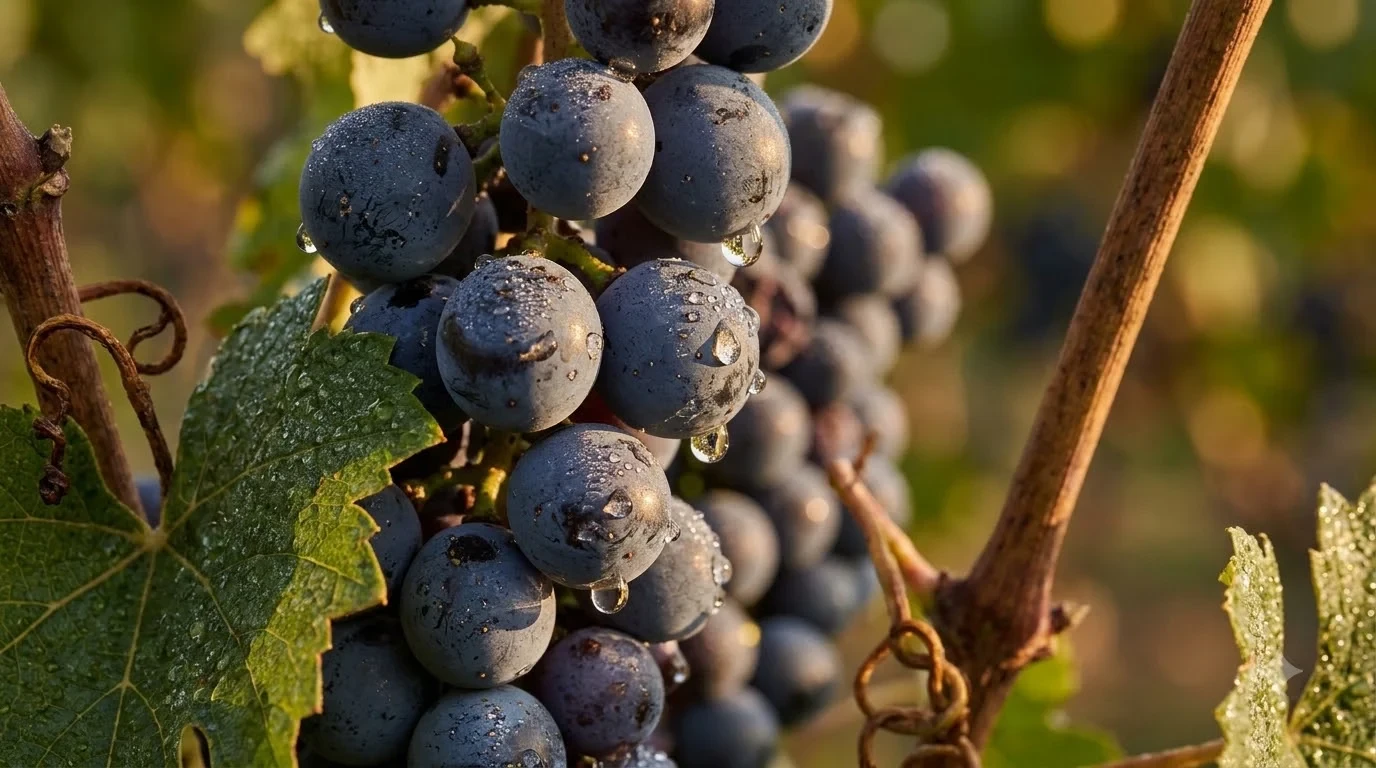
For the wine, pick something dry, fruity, and not heavily oaked. Red wine is the traditional base for sangria, and Spanish Rioja is a classic choice. The official Rioja wine website describes the region as having more than 66,000 hectares of vineyards and a wide range of red, rosé, white, and sparkling wines, so there are plenty of options at different price points. Many cooks prefer a white or light rosé for peach sangria because the color stays pale and the fruit flavor comes through more clearly. Whichever you choose, avoid very tannic wines, since chilling will not soften their bitterness.
For the peaches, look for fruit that gives slightly when pressed and smells sweet at the stem end. Firm, underripe peaches will taste thin in the pitcher, while overripe fruit can turn mushy and cloud the liquid. Yellow peaches are the most common choice, though white peaches work well too and have a softer, more floral flavor. Nectarines are a good swap if you want a smoother skin and a slightly tarter bite.
How to Make It Step by Step
The method is straightforward. Combine the wine and fruit first so the flavors start to meld, then chill the pitcher and add any sparkling ingredients just before serving. Keep the wine as the main share of the liquid so the peach flavor stays balanced and the drink does not taste like fruit juice.
- Pour a dry white or red wine into a large pitcher, leaving space for the fruit and any spirit you are adding.
- Slice two peaches or nectarines into thin wedges, removing the pits. Add them to the pitcher.
- Thinly slice an orange or lemon into rounds and add them as well, so the citrus oil and juice mix into the wine.
- Sweeten lightly with a spoonful of sugar, honey, or simple syrup, stirring until it dissolves. Taste before adding more, since ripe peaches already bring sweetness.
- Refrigerate the pitcher for at least a few hours so the peaches soften and the wine takes on their flavor.
- Before pouring, add a splash of sparkling water or a sparkling wine for lift, then serve over ice.
Stir the pitcher once or twice while it chills, and press any floating fruit back under the liquid. Peach slices can brown when they are exposed to air, so keeping them submerged helps them look fresh. The pitcher is best served within a day, when the fruit still has some structure.
Fruit Swaps and Flavor Add-Ins
Peach sangria is flexible, and the fruit you have on hand can change the feel of the pitcher. Peaches are the centerpiece, but a few companions can round out the flavor. Use one or two of these at most, so the peach stays the clear lead flavor.
| Add-in | Flavor it brings | Pairs well with |
|---|---|---|
| Nectarines | Smoother skin, slightly tart bite | Peach, lime |
| Berries such as raspberries or blackberries | Tart color and depth | Peach, white wine |
| Orange or lemon | Bright citrus lift | Peach, mint |
| Fresh mint or basil | Herbal, cool finish | Peach, lemon |
| Pineapple chunks | Tropical sweetness | Lime, white wine |
| Apple or pear slices | Crisp, juicy body | Peach, honey |
Tip: Add fresh mint or basil right before serving rather than at the start. Herbs can turn bitter and dark after a long soak.
Serving and Make-Ahead Tips
Serve peach sangria cold, poured over plenty of ice in wine glasses or tumblers. Add a slice of peach or a few berries to each glass so guests can see what is in the drink. Sangria is usually served chilled, and the fruit looks best when it is still firm enough to hold its shape in the glass.
To make the drink ahead, mix the wine, citrus, and sweetener a few hours in advance, then add the peaches an hour or two before guests arrive. Waiting too long can soften the fruit until it falls apart. Add the sparkling ingredients last, since they lose their fizz if they sit in the pitcher. Keep a bowl of extra fruit nearby so guests can top off their glasses. For a warmer, cozier version later in the year, try our fall sangria recipe, or move the same method to crisp fruit with our apple cider sangria recipe.
Peach sangria pairs well with light summer food. Grilled chicken, goat cheese, fresh salads, and bruschetta with tomatoes all work, because the drink’s acidity and fruit sweetness balance rich or salty bites. For guests who prefer not to drink alcohol, offer sparkling water with a few peach slices and mint as a comparable alternative. Keep glasses measured and offer water throughout the afternoon.
Frequently Asked Questions
Can I use frozen peaches for peach sangria?
Frozen peaches can work in a pinch, especially if you thaw them first and drain excess liquid. They will be softer than fresh fruit, so add them closer to serving time. Fresh peaches usually give a brighter, cleaner flavor, but frozen fruit is a reasonable option outside peak season.
Should I use red or white wine for peach sangria?
Either works. White wine gives a paler color and a more floral profile that suits peaches. Red wine makes a deeper, more traditional sangria with a fuller body. Choose a dry wine in either case, and adjust the sweetener after you taste the finished pitcher.
How long does peach sangria last in the refrigerator?
It is best served within a day. After that the peaches continue to soften and can turn mushy, and any sparkling ingredients will have gone flat. Store the pitcher covered and remove the fruit if you want to keep the liquid longer.
Can I make peach sangria without alcohol?
Yes. Replace the wine with a non-alcoholic white grape juice or sparkling water, keep the peaches and citrus, and add a little extra sweetener if needed. The result is a lighter, sweet fruit punch that still looks like sangria in the glass.
Peach sangria is one of the easiest ways to bring summer fruit to the table. Once you know the basic method, you can change the wine, the fruit, and the herbs to suit your guests. For more fruit-forward ideas across the seasons, see the Wine Recipes & Cocktails section.
More in Food & Wine Pairing
 Risotto With White Wine Recipe: Make a Creamy Dinner at HomeUpdated Nov 20, 2026
 Wassail With Wine Recipe for a Festive Spiced Holiday DrinkUpdated Nov 20, 2026
 Spritz Veneziano Recipe: Make a Classic Venetian Aperitivo at HomeUpdated Nov 20, 2026
 Summer Wine Punch Recipe for Easy Homemade EntertainingUpdated Nov 20, 2026
 Bishop Recipe: How to Make a Bright, Citrus-Forward Red Wine CocktailUpdated Nov 20, 2026
 Wine Cupcakes Recipe: Bake Rich Chocolate Cupcakes at HomeUpdated Nov 20, 2026