

We may earn a commission when you buy through links on this page, at no extra cost to you. Learn more.
Scarecrow wine is a Cabernet Sauvignon from the J.J. Cohn Estate in Rutherford, in the Napa Valley, known for fruit from vines planted in 1945. The estate is now called Scarecrow, and its bottles are sold mostly to people on its mailing list rather than through shops or open tasting rooms. The wine is small in volume and has a cult following among collectors, so most readers meet it as a name in auction catalogs before they taste it.
This guide covers who makes Scarecrow, what sets the wine apart, how it is made and sold, and how to serve it. It also explains where Scarecrow fits among the other Napa Cabernets people usually compare it with, so you know what to expect before you spend money on a bottle.
Who makes Scarecrow wine
The brand traces back to Joseph Judson Cohn, who was born in Harlem in 1895 to Russian immigrants. He moved west in the 1920s, started as a bookkeeper, and rose to chief of production at MGM. He worked on films such as Ben Hur, Gigi, and The Wizard of Oz. In 1943 he bought land in Rutherford, and the estate he built there became the basis of the wine.
The estate was later sold, and Francis Ford Coppola bought most of the property around 2002 in a package deal with Cohn’s grandson, Bret Lopez. Lopez and his partner kept the buildings, part of the vineyard, and some of the original vines. The label took the Scarecrow name to honor Cohn. According to the producer’s own account, the name recalls his long life, and the label is built around that history.
The 1945 vines behind the wine
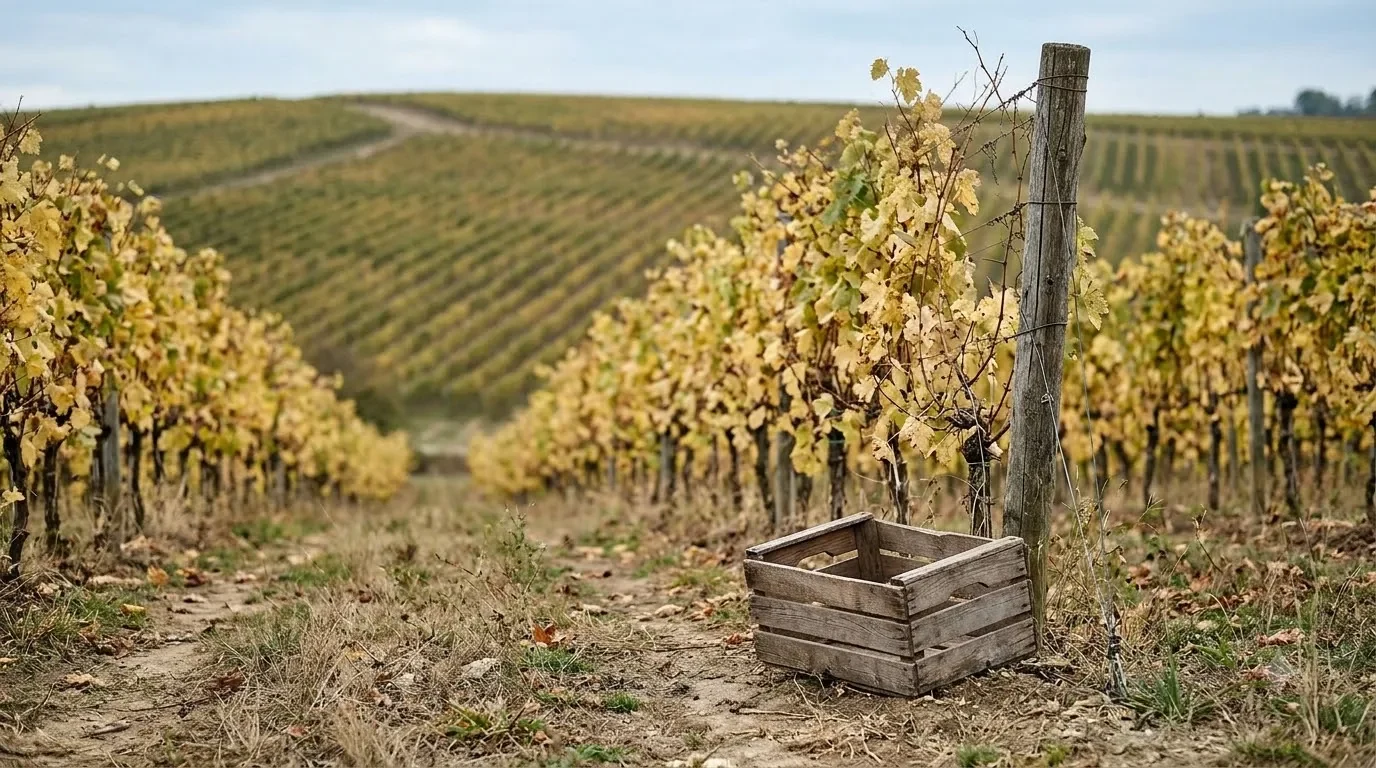
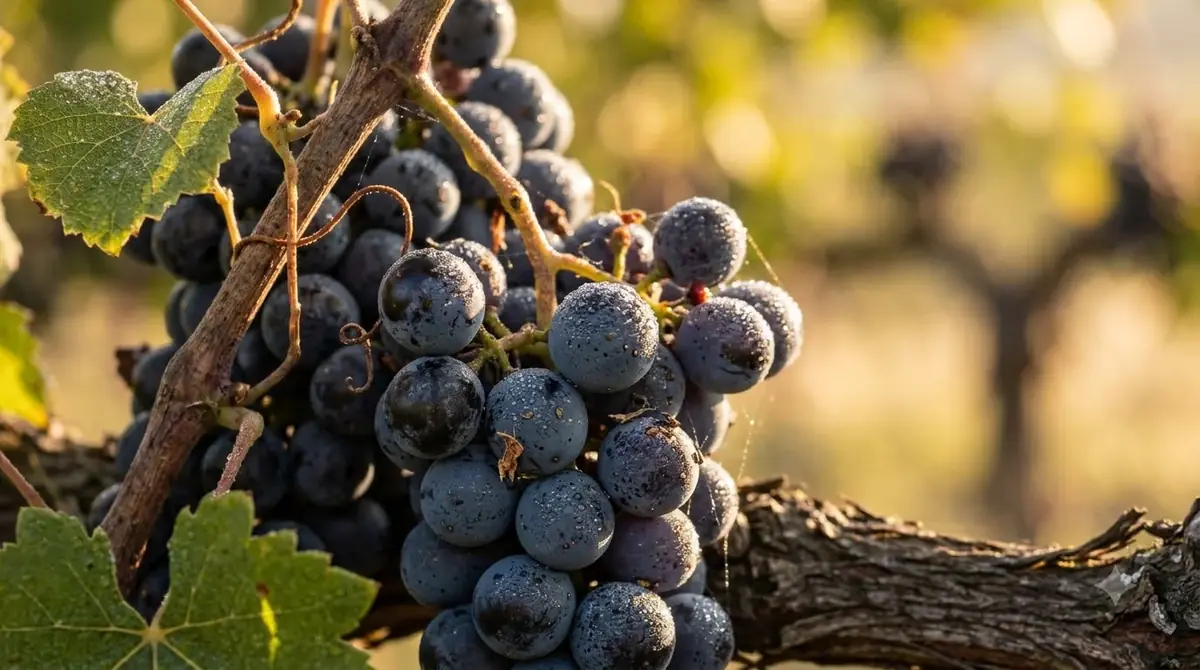
The wine’s identity comes from its oldest vineyard blocks. In 1945 Cohn planted about 80 acres of Cabernet Sauvignon on his parcel, and the fruit was sold to a neighboring winery. The vines became part of the Napa Valley’s early Cabernet history.
The producer says Cohn chose not to replace his St. George rootstock with the AxR#1 hybrid that many Napa growers used. Phylloxera later destroyed most of the old St. George vines in Napa, but the original 1945 vines on the Scarecrow estate survived. The estate calls these vines the “Old Men,” and it credits them with the “uncommonly rich fruit” that it describes as the signature of the wine. You can read the estate’s own account on its our story page.
Today the wine is made from Cabernet Sauvignon grown on roughly 25 acres under vine, with fruit drawn from several blocks. Because the vineyard is small and old, annual output is limited. Published estimates put it at a few hundred to under a thousand cases a year, which is why bottles rarely appear in regular retail channels.
Flavor and style
Scarecrow is made in a concentrated, age-worthy style. Old-vine Cabernet from a warm, well-drained Napa site usually shows dark fruit, firm structure, and fine tannins that need time to soften. The estate describes its fruit as rich, and exact character changes from vintage to vintage, so a bottle from a cool year will not match one from a hot year.
The table below lists the basic facts that shape how the wine behaves in the glass and on the market.
| Feature | What it means for the bottle |
|---|---|
| Grape | Cabernet Sauvignon, the grape behind most Napa reds |
| Vineyard source | About 25 acres under vine in Rutherford, including 1945 vines |
| Typical style | Concentrated, ripe, built for aging |
| Annual volume | Small, a few hundred to under a thousand cases |
| Main sales channel | Mailing list; not open to the public for tastings |
How to serve and pair Scarecrow
Serve it a little below room temperature rather than chilled. A cool room or a short time in the refrigerator is usually enough. Because the wine is firm and young bottles can taste closed, many people open them an hour or more before dinner or decant them to let the aromas open up.
Scarecrow works best with rich, savory food. Roast beef, lamb, a mushroom-heavy dish, or aged hard cheese all match the structure of a Napa Cabernet. Avoid pairing it with delicate fish or light salads, which the tannins will overwhelm. If you are unsure, pick a simple main course with some fat and salt, and let the wine carry the meal.
Tip: If a bottle tastes tight, give it more time in the glass or a decanter before you judge it. Many collectors wait years before opening a Napa Cabernet of this kind.
How Scarecrow compares with other Napa Cabernets
Napa has many Cabernet producers, and the main difference with Scarecrow is its vine age and scale. Few Napa estates still farm vines planted in the 1940s, and fewer still make their wine in such small quantities. Readers who want a Napa Cabernet with a similar weight but wider availability often look at estates such as Spottswoode wine, which also focuses on Cabernet grown in a single estate setting.
When you compare Napa Cabernets, look at the vineyard age, the producer’s stated approach, and how the wine is sold. A wine from a large brand may be easier to find and cheaper to buy, but it rarely comes with the same story about a single old-vine block. Scarecrow asks you to pay for the vineyard and its history as much as for the liquid in the glass.
Scarecrow is also a different experience from the broader brands that dominate supermarket shelves. Those wines are built for consistency and easy drinking, while Scarecrow is made for people who want to follow one vineyard across many vintages.
Where to buy and what to expect
Because the estate sells mainly to its mailing list, most buyers come to Scarecrow through a secondary route. Auction houses and private collectors are the usual sources, and prices in those channels can be high because supply is limited. Check the provenance and storage history of any bottle you buy, since older Cabernet is sensitive to heat.
Storage matters as much as the purchase. Keep bottles lying on their sides in a cool, dark place with steady temperature and low humidity, away from vibration and direct light. A wine with this much structure rewards patience, but it cannot recover from long exposure to heat, so ask a seller how the bottle was kept before you commit.
If you are building a collection, it helps to start with a single bottle and drink it at a few points over the years. That shows you how the wine changes, which is more useful than reading about it. For more background on how labels like this fit into wider wine culture, the wine brands guide covers how producers build a name and a following.

Frequently Asked Questions
Is Scarecrow wine a Cabernet Sauvignon?
Yes. The wine is made from Cabernet Sauvignon grown on the Rutherford estate, with fruit from several blocks including the original 1945 vines.
Where can I buy Scarecrow wine?
The estate sells mainly through its mailing list and does not offer open tastings. Most people find bottles through auctions or private sellers, where supply is limited.
Why are the 1945 vines important?
The vines were planted on St. George rootstock rather than the AxR#1 hybrid. The producer says they survived phylloxera, which destroyed most of Napa’s old St. George vines, and that their fruit gives the wine its concentration.
Should I decant Scarecrow before serving?
Decanting is a good idea for a young bottle because it softens the tannins and opens the aromas. An older bottle may need only a gentle pour, since it can fall apart with too much air.
Scarecrow is a rare Napa Cabernet with a clear story and a vineyard that has been carefully kept for almost eighty years. If you enjoy old-vine wines and want to learn how a single estate can define a label, it is a useful bottle to study. Start with the wine brands guide to compare it with other producers before you buy.
More in Wine Brands
 Underwood Wine Price: Compare Bottles, Cans, and Pack SizesUpdated Nov 21, 2026
 Zenato Wine Price: Compare Styles and Choose the Right BottleUpdated Nov 21, 2026
 Zuccardi Wine Price: Compare Bottles and Find the Right RangeUpdated Nov 21, 2026
 Yellow Tail Moscato Review: Taste, Sweetness and Serving TipsUpdated Nov 21, 2026
 Wolf Blass Yellow Label Review: Choose Your Best StyleUpdated Nov 21, 2026
 Wolffer Estate Rose Review: Choose the Right Bottle for Your TableUpdated Nov 21, 2026