

We may earn a commission when you buy through links on this page, at no extra cost to you. Learn more.
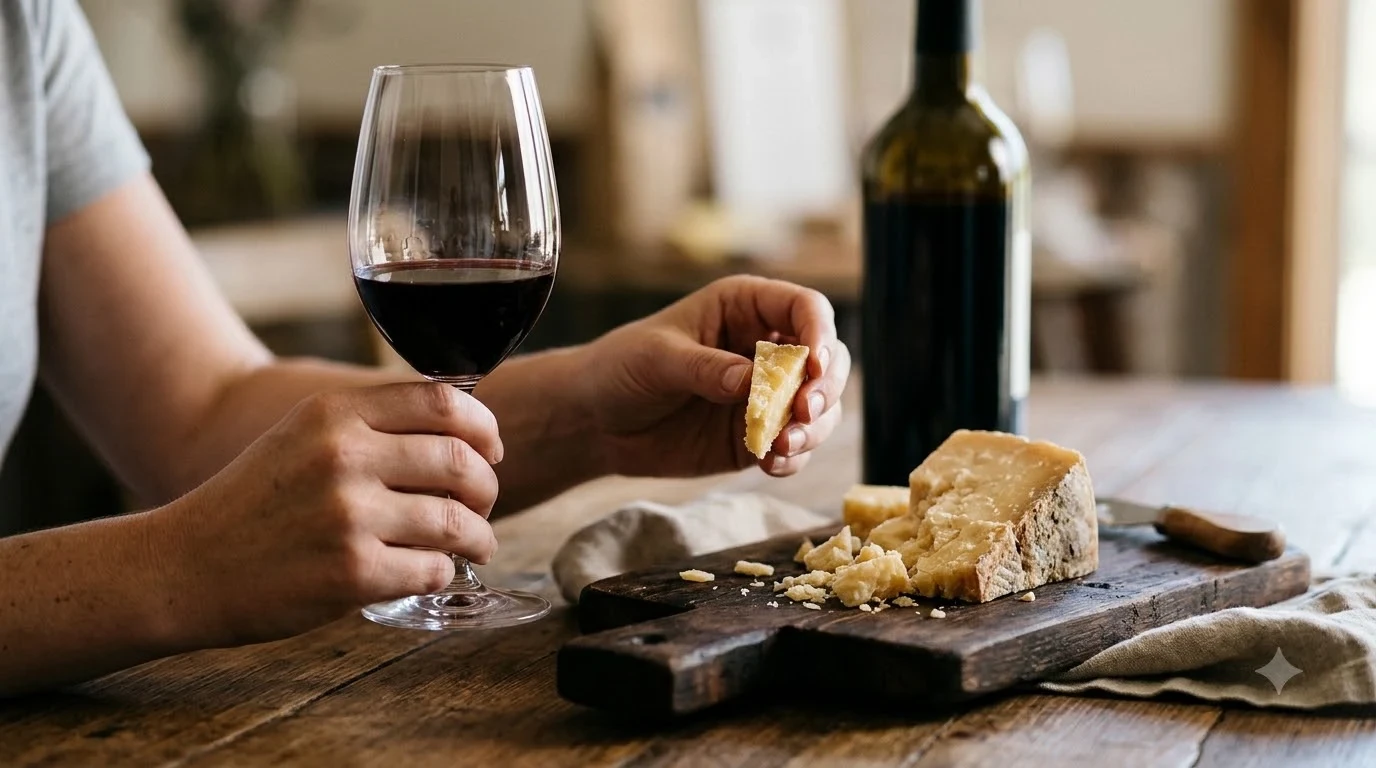
Dry red wine is red wine with almost no leftover sugar, so it tastes savory, structured and tart rather than sweet. Under the International Organization of Vine and Wine (OIV) standard, a wine counts as dry when it holds no more than 4 grams of sugar per litre, or when its acidity is at least 2 grams per litre higher than its sugar level. Nearly all table red wine is dry, which is why the word rarely appears on the label.
This guide explains what makes a red wine dry, which grapes and regional styles you will meet most often, how dry reds taste, how to serve them and which foods bring out their best. It finishes with a few practical checks for picking a bottle that suits your palate.
What Makes a Red Wine Dry?
A dry wine is one in which yeast has turned nearly all of the grape sugar into alcohol. The sugar left behind is called residual sugar and is measured in grams per litre. The OIV sets the dry cutoff at 4 g/L, with medium dry above that, semi-sweet up to 45 g/L and sweet above that. The European Union allows table wines with up to 9 g/L to be labeled dry when their acidity is high enough to balance the sweetness.
Dryness is partly a matter of perception. Alcohol and sugar both make a wine taste rounder and softer, while acidity and tannin add sourness and bitterness. A red with high alcohol can taste fuller than its sugar content suggests, and a red with firm tannin can taste drier still. That is why two wines with similar residual sugar can feel quite different in the mouth. The Wikipedia entry on dry wine gives the full definitions if you want the technical detail.
VinePair’s wine explainer on dry wine makes the same basic point: a dry wine has no residual sugar, and it still tastes of fruit, just not sweet like fruit juice. Its breakdown of dry wine also separates the drying feeling on the tongue, which comes from tannin, from actual sweetness. That distinction explains why a bold red can feel dry even when its alcohol is high.
Common Dry Red Grapes and Styles
Most dry reds come from a short list of grapes, and each one brings a recognizable character. Cabernet sauvignon is firm and dark, with blackcurrant fruit and a long finish. Merlot is softer and plummier, which is why it is so often blended. Pinot noir is lighter in color and body, with red cherry and earthy notes. Syrah, also called shiraz, tends to be fuller and spicier, while malbec is often rich and dark-fruited with a velvety texture. Sangiovese, the main grape of Chianti, brings bright cherry and herb notes with high acidity.
Many classic dry reds are blends rather than single varieties. In Bordeaux, the Left Bank is built around cabernet sauvignon, while the Right Bank leans on merlot, and both produce dry wines. Learning the main grapes gives you a shortcut to the style you want, even when a label names only the region or the producer.
How Dry Red Wine Tastes
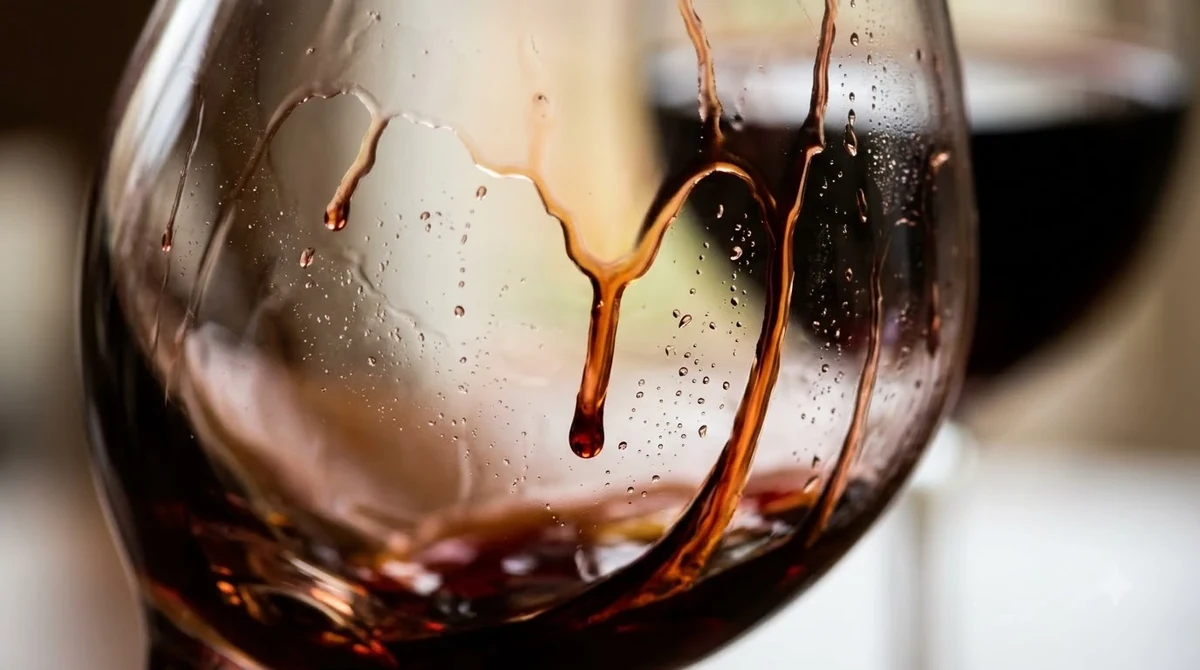
A dry red usually shows its character through four elements: fruit, tannin, acidity and alcohol. Fruit can run from red berry to black plum or dark cherry, depending on the grape and climate. Tannin is the drying, slightly bitter sensation that makes the inside of your mouth feel grippy. It is strongest in young cabernet and softens as the wine ages. Acidity keeps the wine fresh and makes your mouth water. Alcohol gives weight, so a wine at the higher end feels fuller and warmer on the finish.
Oak adds vanilla, toast and spice when a wine is aged in barrel. Many dry reds are aged this way, though some producers use little or no oak to keep the fruit forward. The producer’s tasting notes are the most reliable guide to how much oak a particular bottle carries, so read them before you buy.
How to Serve Dry Red Wine
Serving temperature changes how a dry red tastes. Wine Folly advises serving red wines slightly cooler than room temperature, between 62 and 68 degrees Fahrenheit (15 to 20 degrees Celsius), and lighter reds a little cooler still, around 55 to 60 degrees Fahrenheit (12 to 15 degrees Celsius). A red served too warm can taste flat and boozy, while one served too cold can seem tight and bitter.
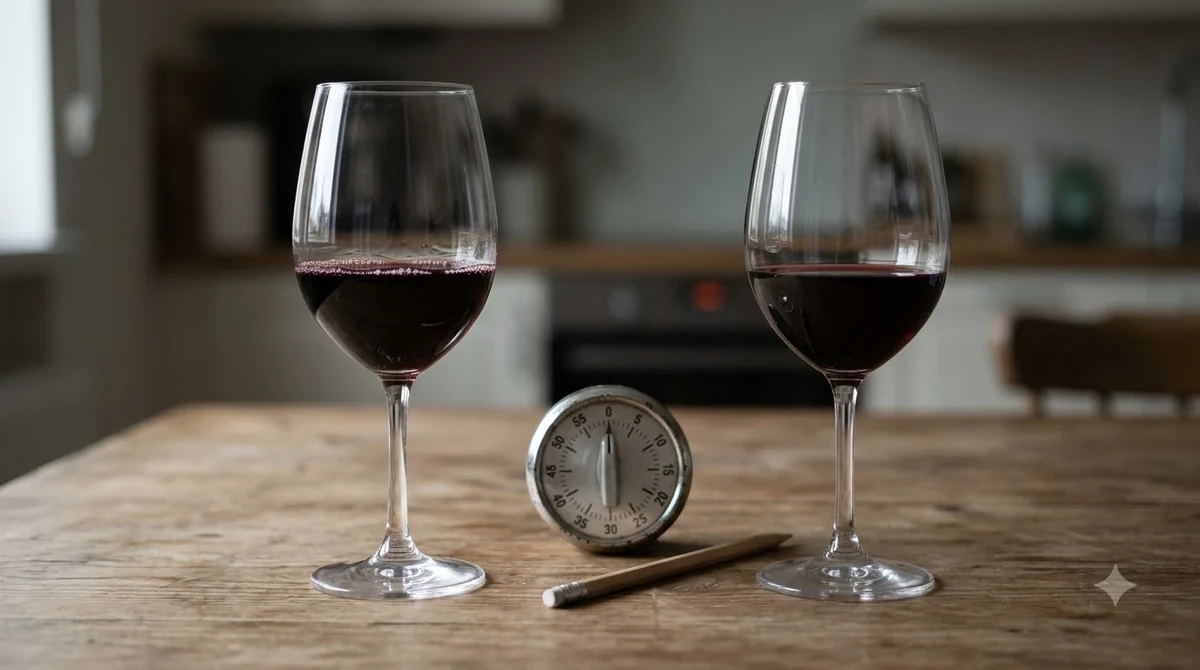
Open bold, young reds about thirty minutes before drinking, or decant them to let the aromas open up. Decanting helps most with firm, tannic wines such as young cabernet and syrah. A tulip-shaped glass with a generous bowl gives the aromas room to gather. Keep the bottle away from direct sunlight, and recork any leftover wine tightly.
Best Food Pairings for Dry Reds
Dry reds pair well with fatty and savory food, because tannin and acidity cut through richness and make both the wine and the dish feel more balanced. A simple rule is to match weight with weight: lighter reds with lighter dishes, and fuller reds with grilled or braised meat.
| Red style | Good with | Why it works |
|---|---|---|
| Light pinot noir | Salmon, roast chicken, mushrooms | Lower tannin and bright acidity suit delicate dishes |
| Chianti (sangiovese) | Tomato pasta, pizza, roast pork | Acidity matches tomato and cuts through fat |
| Cabernet sauvignon | Grilled steak, lamb, aged cheddar | Firm tannin softens against protein and fat |
| Syrah or malbec | Barbecue, sausages, hearty stews | Fruit and spice hold up to smoke and seasoning |
Tip: With spicy dishes, choose a red with lower tannin and moderate alcohol. Heat and high alcohol can make both the wine and the food taste harsher.
How to Choose a Dry Red Wine
Start with the grape or region, since those two details tell you the most about the style. If you like the bold, tannic feel of a classic cabernet, look at Bordeaux or Napa Valley bottlings. If you prefer lighter reds, pinot noir and gamay are good places to start. Price is a weak guide to how dry or structured a wine will taste, so compare producer notes about body and oak instead.
It also helps to decide how the wine will be used before you buy. A soft, fruity red works well for a weeknight dinner with simple food, and it is easy to finish with friends. A firmer bottle with visible tannin and a few years of age suits a roast or a dinner where the wine can be the centerpiece. Buying one of each lets you test how the same grape can feel different depending on the producer, the vintage, and whether the wine saw oak. Keep a short note on what you liked, because that record becomes the best shopping list you will ever write.
If you want a crisp alternative for lighter meals, a dry white wine is the usual choice, and a dry sparkling wine suits celebrations. Both are useful to know when a red feels too heavy for the table.
Frequently Asked Questions
Is dry red wine the same as red wine that is not sweet?
In practice, yes. Dry means the wine has almost no residual sugar, so its flavor comes from fruit, tannin, acidity and alcohol rather than sweetness. Nearly all table reds are dry.
Which dry red wine is easiest for a beginner?
Pinot noir and gamay are often easier to enjoy at first because they have softer tannin and bright fruit. Merlot is another gentle option. Young cabernet sauvignon can taste firm to someone new to red wine.
Should dry red wine be served chilled?
Only slightly cool. Most reds taste best a little below room temperature, around 62 to 68 degrees Fahrenheit. Light reds such as pinot noir and gamay can be served a few degrees cooler than fuller reds.
Is sherry a dry wine?
Many sherries are dry, including fino and manzanilla, though sweet styles also exist. If you want to compare, the guide to dry sherry explains the main types and how they differ.
Dry red wine is the default across most of the wine world, which is why the word matters less than the grape and region. Learn the main styles, serve the wine a little cool and match it with food that has enough fat or salt to balance the tannin. For more background, browse our Wine Buying Guides.
More in Wine Buying Guides
 Riesling Gift: Choose a Bottle They’ll LoveUpdated Nov 21, 2026
 Sweet Red Wine Gift: Choose a Bottle They’ll LoveUpdated Nov 21, 2026
 Malbec Gift: How to Choose a Memorable Bottle for Any OccasionUpdated Nov 21, 2026
 Sherry Gift Ideas That Match Every Wine LoverUpdated Nov 21, 2026
 Moscato Gift: How to Choose a Sweet Wine They’ll LoveUpdated Nov 21, 2026
 Merlot Gift: How to Choose a Bottle They’ll AppreciateUpdated Nov 21, 2026