

We may earn a commission when you buy through links on this page, at no extra cost to you. Learn more.
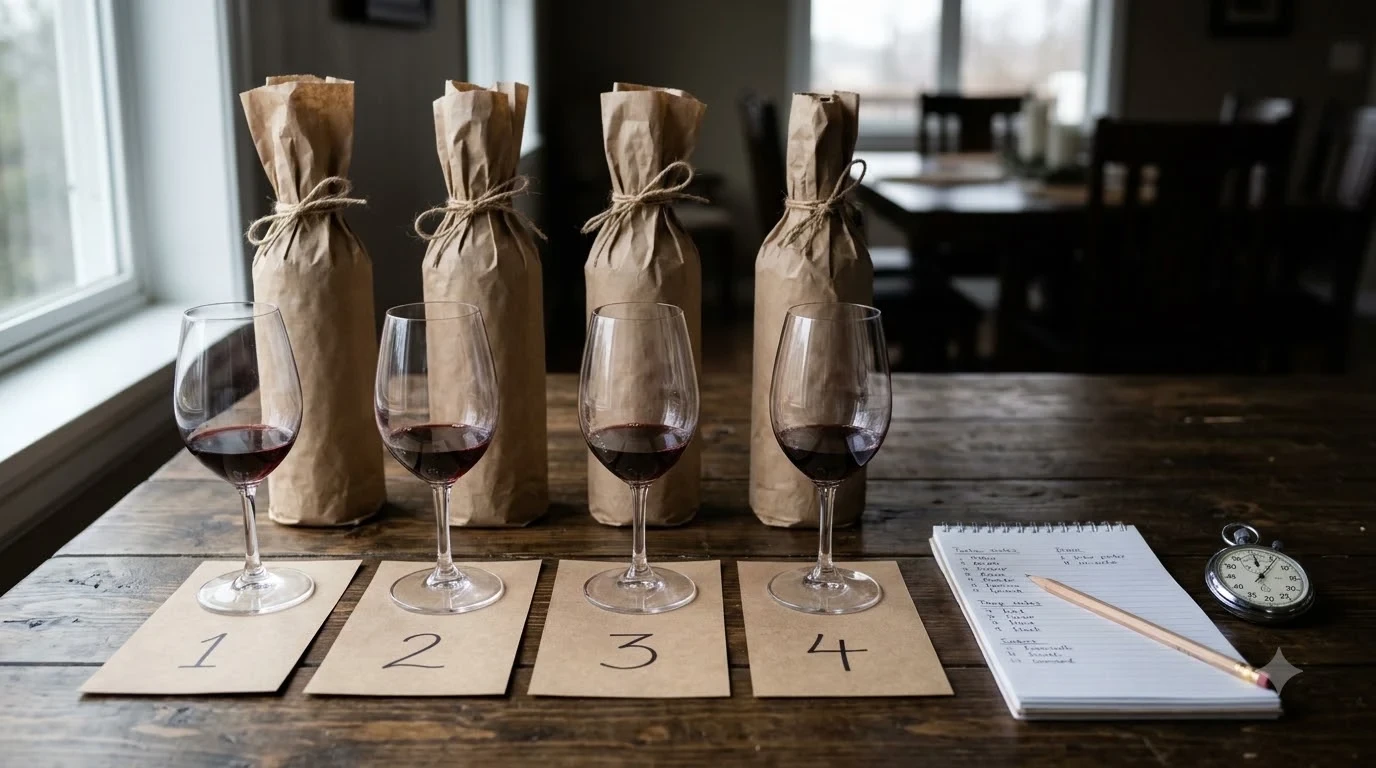
Merlot wine is a soft, fruity red made mainly from the Merlot grape. It is one of the primary grapes in Bordeaux, where it is the most widely planted variety, and it is also grown heavily in California, Washington State, Italy, and Chile. Most Merlot is plum-forward, with softer tannins than Cabernet Sauvignon, which makes it approachable for everyday dinners. Styles range from light, red-berry examples in cooler climates to richer, chocolate-tinged wines from warmer areas.
This guide explains how Merlot wine tastes, how its style changes from one region to another, and how to choose a bottle that matches your meal. It also covers the history that made Merlot one of the best-known red grapes in the world.
What Merlot Wine Is
Merlot is a dark-blue wine grape used both for blending and as a varietal wine. The name is thought to come from merle, the French word for blackbird, which may refer to the grape’s deep color. One of the earliest written references is from 1784, when a Bordeaux official rated wine made from the grape in the Libournais area among the best in the region.
Merlot became especially popular in the United States in the 1990s, partly after a television report on the French Paradox drew attention to red wine and heart health. That popularity was later tested by a single film. After the 2004 movie Sideways, in which the lead character disparages Merlot, U.S. Merlot sales declined, according to a study reported in Wines and Vines.
Flavor and Common Styles
Merlot is generally soft and fruity, and its flavors usually center on plum. Common descriptors include cassis, cherry, and blackberry. The climate has a strong effect on the wine. Cooler regions tend to produce red-berry and strawberry notes with brighter acidity, while hotter areas produce wines with fruitcake and chocolate flavors and a fuller body.
The table below compares the main styles you are likely to see on a label.
| Style | Where it comes from | Typical character |
|---|---|---|
| Pomerol | Bordeaux, France | Often about 80% Merlot, firm tannins from iron-rich clay soils |
| Saint-Émilion | Bordeaux, France | Often about 60% Merlot, usually with Cabernet Franc, perfumed notes |
| Friuli blends | Northeast Italy | Soft and fruity, often used in IGT wines |
| Chilean and Californian | Central Valley, Chile; California and Washington State | Plummy and ripe, from warm sites; cooler sites show red berry |
Where Merlot Grows
Merlot is the most widely planted grape in the Bordeaux wine regions, and it adds body and softness to many traditional blends. It is also the most commonly grown grape in France overall. The grape found a second home in Italy, especially in Friuli, and in the United States, where it was the fourth most planted wine grape as of 2015. California and Washington State grow the most.
In Chile, what is labeled as Merlot has a complicated history. Much of the wine once sold under that name was actually Carménère, so the label may not always match the grape in the glass. Today, true Merlot is the third most planted grape in Chile and is centered in the Central Valley. If you are buying a Chilean bottle, look for a producer that is clear about its varietal.
How to Serve Merlot and What to Pair With It
Merlot’s soft tannins make it a flexible red for food. Roast chicken, pork tenderloin, and burgers are easy matches. Tomato-based pasta dishes, mushroom risotto, and mild cheeses also suit the style, and the wine’s plum fruit works well with herbs and roasted vegetables.
Serve Merlot a little cooler than you would a heavy Cabernet, so the fruit stays fresh and the alcohol does not dominate. A medium-sized red wine glass is a good choice. Most Merlot is ready to drink soon after purchase, and it rarely needs decanting unless the bottle is an older or more structured Pomerol.
The Wine Folly Merlot guide suggests serving the wine slightly below room temperature, around 60 to 68 degrees Fahrenheit, which is about 15 to 20 degrees Celsius, and in a large glass. For fuller bottles it recommends about 30 minutes of decanting. Its pairing advice follows the style of the wine. Simple, easy-drinking Merlot suits pizza, barbecue chicken and pasta, while Bordeaux-style blends with a strong Merlot share go well with roast turkey, beef short rib or rustic ratatouille. Full, warm-climate bottles such as the velvety Napa Valley style are better matched with rack of lamb or filet mignon with a peppercorn sauce. Matching the dish to the body of the wine usually works better than matching by color alone.
How to Choose a Good Merlot
Start with the region, since it sets the style. A Bordeaux or Pomerol Merlot will usually be firmer and more structured, while a Merlot from California or Washington State is often ripe and plummy. A Merlot from a cooler site will tend to be lighter and more floral, so read the back label or the producer’s description for hints about the climate.
Look for the vintage and the blend. Many Merlots are blended with Cabernet Sauvignon, Cabernet Franc, or other Bordeaux varieties, and a blend can change the body and tannin noticeably. If you want a clearer sense of the grape itself, pick a varietal bottle, which will show the fruit more directly.
Tip: If you enjoy Merlot’s softness but want a little more structure, look for a Bordeaux blend from a good year. The Cabernet Sauvignon wine guide explains the firmer style that often sits beside Merlot in those blends.
Merlot also suits people who are still building their taste for red wine. Its tannins are softer than those of many Cabernet Sauvignon bottles, so the wine feels less grippy on the tongue. That makes it a common first choice when guests ask for a red that is easy to drink without a long wait. The fruit is forward enough that most people notice it right away, which is part of why the grape became so widely planted.
How long a bottle will keep depends on the site. Merlot grown in the cold, iron-rich clay of Pomerol can hold firm structure for years, while lighter everyday bottles are best opened within a few years of the vintage. The vine itself is sensitive. Merlot buds early, which exposes it to spring frost, and it can overripen within a few days once it reaches initial ripeness. Growers manage that timing closely, and the result shows in the glass.
Frequently Asked Questions
Is Merlot wine sweet?
Most Merlot is dry. Its fruit can taste rich and ripe, especially from warm regions, but the wine is not sweet unless the label says otherwise. Look for a dessert or late-harvest wine if you want something sweet.
What is the difference between Merlot and Cabernet Sauvignon?
Merlot is usually softer and fruitier, with plum and cherry flavors and lower tannins. Cabernet Sauvignon tends to be firmer, with more tannin and a blackcurrant character. Merlot ripens earlier and is often easier to drink young.
Why did Merlot sales drop after Sideways?
A study reported in Wines and Vines found that U.S. Merlot sales declined after the 2004 film, in which the lead character disparages the wine. Interest in Pinot Noir rose at the same time, according to the same reporting.
Can Merlot be aged?
Many everyday Merlots are made to drink within a few years. Top Bordeaux and Pomerol bottles from good vintages can age for much longer, and their tannins and fruit deepen with time. Check the producer’s guidance before you plan to keep a bottle.
Merlot wine is a dependable red for everyday dinners and for guests who prefer a soft, fruit-forward style. Learn the difference between the Bordeaux, Italian, and New World versions, and use the region on the label to guess how the bottle will taste. For a closer look at the grape’s habits and characteristics, the merlot color guide covers the grape’s appearance and the Wine by Type section covers other varieties.
Background on the grape’s origin, history, and plantings is available on Wikipedia’s Merlot entry.
If you want to try a lighter, sweeter wine after a red, the moscato wine guide is a useful next step.
More in Wine Types & Grapes
 Zinfandel Sugar Content: Dry Red vs. White Zinfandel GramsUpdated Nov 21, 2026
 Best Zinfandel Substitute Options for Sipping and CookingUpdated Nov 21, 2026
 Zweigelt Food Pairing: Best Dishes, Cheeses, and Serving TipsUpdated Nov 21, 2026
 Zinfandel Tannins Explained: How Structure Shapes Every BottleUpdated Nov 21, 2026
 Zinfandel Sweetness Level: Dry Red vs. Sweet White Zin ExplainedUpdated Nov 21, 2026
 Xinomavro Food Pairing: Best Dishes, Styles, and Serving TipsUpdated Nov 21, 2026