

We may earn a commission when you buy through links on this page, at no extra cost to you. Learn more.
Chateau Lafite wine comes from Château Lafite Rothschild, a First Growth estate in Pauillac on the Left Bank of Bordeaux, and it is a Cabernet Sauvignon-led red blend made under the Rothschild family since 1868. The estate was named a Premier Cru in the 1855 classification of Bordeaux, and its flagship wine is typically built from mostly Cabernet Sauvignon with Merlot and smaller amounts of Cabernet Franc and Petit Verdot. Its second wine, Carruades de Lafite, offers a more approachable way into the house style.
This guide explains where Chateau Lafite wine comes from, how the blend is built, what the second wine means for buyers, and how these bottles are served and paired. It also covers how to think about aging and storage, and who is likely to enjoy this style of Bordeaux, and who may prefer a different approach.
Where Chateau Lafite wine comes from
Château Lafite Rothschild sits in Pauillac, in the Médoc region northwest of the city of Bordeaux. Pauillac is one of the most celebrated communes on the Left Bank, where gravel soils and the Gironde estuary shape the grapes that go into the top red wines. The estate is one of the best-known addresses in the region, and its wine is often the reference point for the Pauillac style.
The estate’s history is closely tied to the Rothschild family, which has owned it since 1868, when Baron James Mayer Rothschild bought it. Éric de Rothschild led the estate from 1974 to 2018, and his daughter Saskia de Rothschild succeeded him. The family’s long ownership has given the estate a consistent identity across many decades, although each vintage still depends on the weather and the winemaking choices made in that year.
The vineyard is one of the largest in the Médoc, at about 107 hectares. The Rothschild group also runs a second vineyard in Shandong, China, which produced its first vintage in 2019, so buyers looking for the classic Bordeaux wine should be sure they are reading a label from the Pauillac estate.
How the Chateau Lafite blend is built
The Bordeaux blend is the defining feature of the wine. The vineyard is planted to roughly 70 percent Cabernet Sauvignon, 25 percent Merlot, 3 percent Cabernet Franc, and 2 percent Petit Verdot. The final wine is typically between 80 and 95 percent Cabernet Sauvignon, with 5 to 20 percent Merlot and small amounts of the other varieties. The estate has made some vintages from Cabernet Sauvignon alone, including 1961, which is a famous example of how a single variety can express the site.
Cabernet Sauvignon gives the wine its structure, with firm tannin, dark fruit, cedar, and graphite notes. Merlot adds softness and body in the middle of the palate, which helps balance the Cabernet. The smaller additions of Cabernet Franc and Petit Verdot contribute lift, spice, and extra color. Together these grapes create a wine that is built to develop over many years, rather than one designed for early drinking.
Blending decisions change from year to year. A cool, wet vintage may call for a higher Merlot share, while a warm, dry year may favor the structure of Cabernet. For a buyer, the vintage on the label is therefore as important as the estate name, and it is worth reading professional tasting notes for the year you are considering.
Carruades de Lafite and the second wine
The second wine is an important part of the Chateau Lafite story. About a third of the estate’s production is released as Carruades de Lafite, a wine that comes from the younger vines and the blocks that do not go into the grand vin. It is a way for the estate to offer the Pauillac character at a more accessible level, and many drinkers see it as a good introduction to the house style.
Second wines are not simply lesser versions of the first. They reflect the same vineyard and the same winemaking team, but they are built to be enjoyed sooner and in more everyday situations. If you are trying to understand the estate before spending on the top bottling, comparing the second wine with the grand vin is a useful exercise.
Because the range can change from one vintage to the next, check the current release details before you plan a purchase or a tasting.
How to age and store Chateau Lafite wine
Top Bordeaux from the Left Bank is built to age, and the best examples can develop complex flavors over decades. Young bottles can taste tight and tannic, with dark fruit and oak that have not yet integrated. Patience is usually rewarded, but the right timing depends on the vintage, the bottle, and the storage conditions.
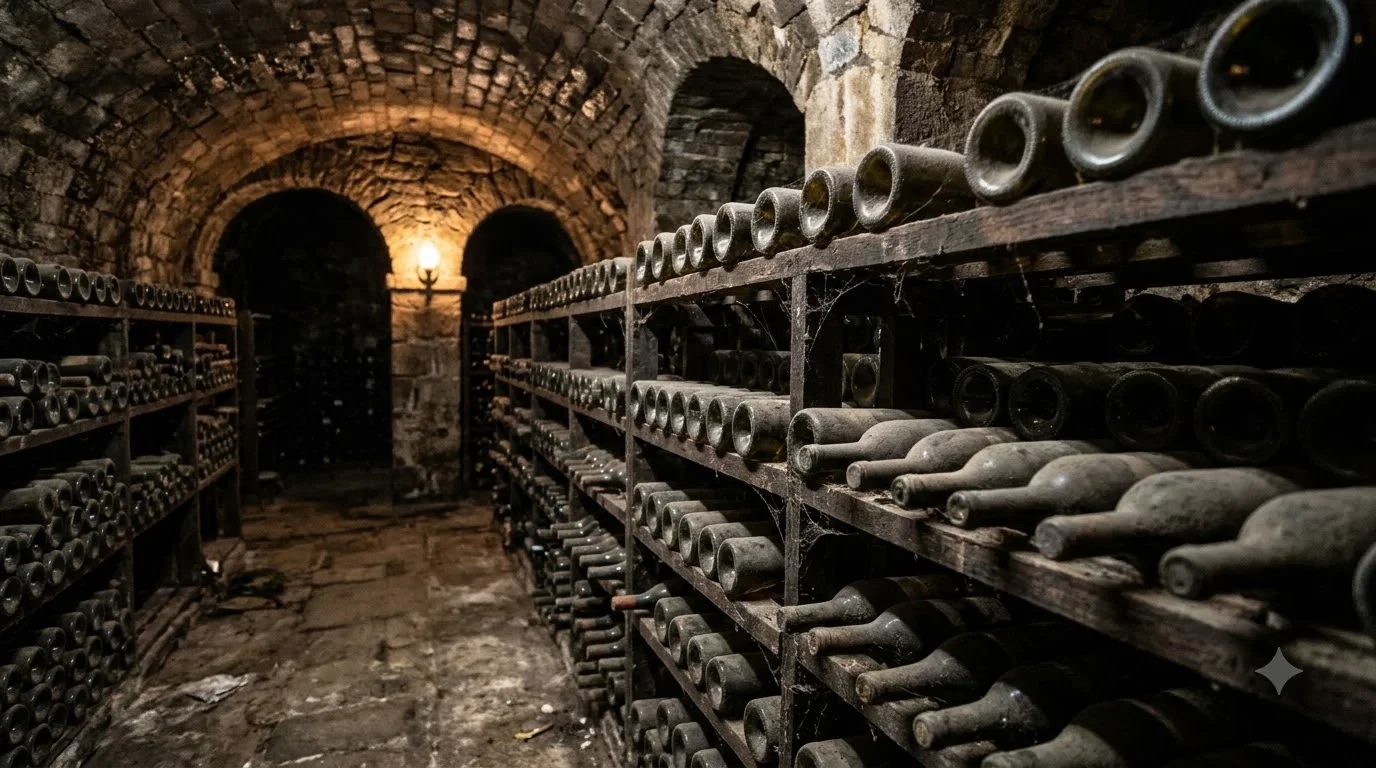
Store bottles on their side in a cool, dark, and steady place, away from heat, light, and vibration. A temperature around 55 degrees Fahrenheit is a common guide for long-term cellaring. Keep the humidity moderate so corks stay sealed without drying out, and avoid moving the bottles often, since disturbance can cloud the wine.
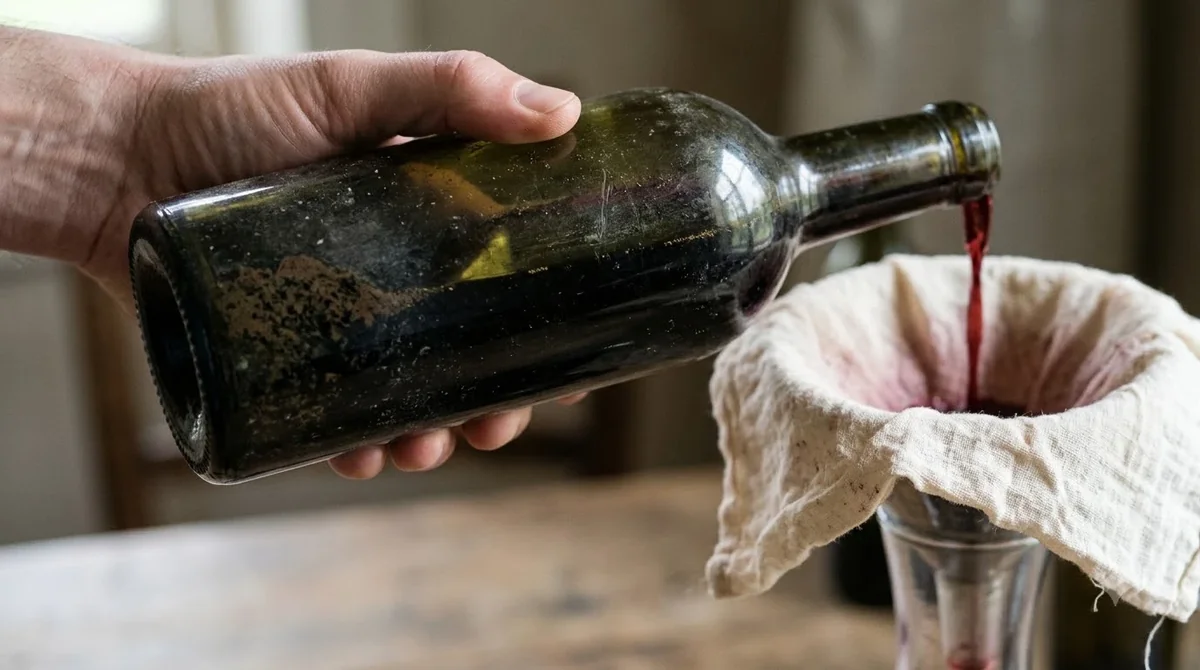
When you open an older bottle, stand it upright for a day before serving so the sediment settles. Decant it gently, pouring slowly to keep the sediment in the bottle. A short time in the decanter lets the wine open, but very old bottles can fade quickly once air reaches them, so taste the wine soon after pouring.
How to serve Chateau Lafite wine
Serve red Bordeaux slightly below room temperature, usually around 60 to 65 degrees Fahrenheit. A glass that is too warm makes the alcohol and oak feel heavy, while a glass that is too cold tightens the tannin and hides the fruit. Allow a bottle to rest in the glass for a few minutes so the aromas can develop.
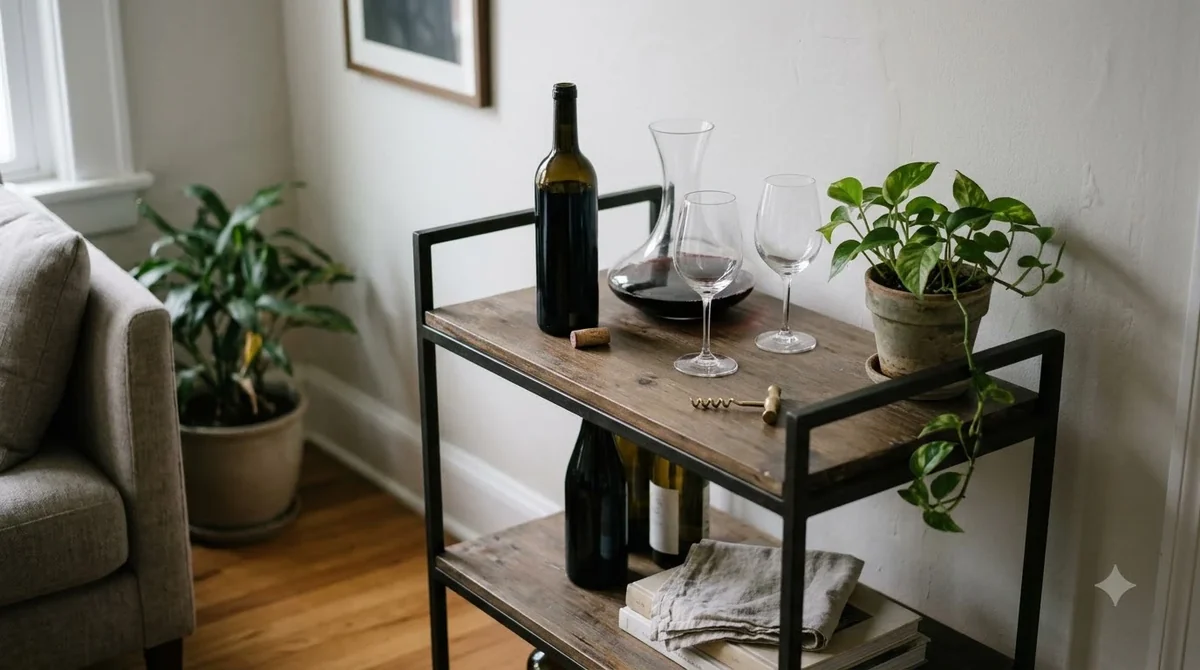
A large Bordeaux glass with a wide bowl gives the wine room to open. Pour a moderate amount, around a third to half of the glass, so the wine can move and release its aromas. If you are serving the wine with a meal, open it about an hour before dinner for a young vintage, or decant it if you expect it to have sediment.
Bottles of this class are usually served at a special table, so it helps to plan the menu around the wine rather than the other way round. Choose food that can keep up with the wine’s structure, and pour it alongside the dishes that will show it best.
Food pairing with Chateau Lafite wine
Classic Pauillac pairs well with roasted or grilled beef, rack of lamb, and duck. The tannin and acidity cut through rich fat, while the dark fruit and oak complement savory, caramelized flavors. A beef Wellington, a well-seasoned rib roast, or lamb with herbs and garlic are typical choices for a dinner built around a Bordeaux of this class.
Hard, aged cheeses such as aged Comté or Parmigiano-Reggiano also suit the wine, because their salt and texture echo the tannin. Mushroom dishes, especially earthy preparations with thyme, pair well too. Avoid very spicy food, which can make the wine taste harsher, and be careful with very sweet desserts, which can overpower the palate.
For a lighter option at the same table, consider serving a second wine such as Carruades de Lafite with a simpler dish. It is a practical way to enjoy the house style without building the whole meal around the top bottling.
Who enjoys Chateau Lafite and who might choose something else
Chateau Lafite suits collectors, serious Bordeaux drinkers, and people who want to understand the classic Left Bank style at its most focused. It is also a strong choice for a celebration, a gift for a wine lover, or a bottle to age in the cellar, because the estate’s reputation and track record are well established.
It may be less appealing if you want a soft, fruit-driven red to drink immediately, or if you are building a casual collection on a modest budget. Many everyday drinkers find Bordeaux from more affordable châteaux, or Cabernet from other regions, a better match for weeknight dinners. The style also rewards patience, so buyers who want a wine to open tonight should look for a younger, more approachable bottling.
For a wider view of the brands and estates in the market, the wine brands guide places classic producers alongside newer names. If you want to compare a different First Growth-level style, the Chateau d’Yquem wine page covers a very different sweet wine from the same region.
Frequently Asked Questions
What is Chateau Lafite Rothschild known for?
The estate is known for its Pauillac red wine, its Cabernet Sauvignon-led blend, and its status as a First Growth in the 1855 classification of Bordeaux. Its long ownership by the Rothschild family is also a central part of its identity.
Where is Chateau Lafite located?
The estate is in Pauillac, in the Médoc on the Left Bank of Bordeaux in France. The commune is known for gravel soils and for producing some of the region’s most celebrated red wines.
What is Carruades de Lafite?
It is the estate’s second wine, made from younger vines and blocks that do not go into the grand vin. It is designed to be enjoyed sooner and offers a more accessible way to taste the house style.
Should I age a bottle of Chateau Lafite before drinking it?
Top Left Bank wines are built to age, and many bottles are at their best after years of storage. Check the vintage and the producer’s guidance, store the bottle on its side in a cool, dark place, and taste a sample from the case if you are unsure about timing.
Chateau Lafite wine is a benchmark for classic Bordeaux, and understanding its blend, its second wine, and its storage needs helps you enjoy it at the right moment. Choose the vintage with care, serve the wine at the right temperature, and pair it with food that can match its structure. For more context on how the estate fits into the wider market, browse the wine brands guide, and see the estate’s official page at Château Lafite Rothschild’s official site.
More in Wine Brands
 Underwood Wine Price: Compare Bottles, Cans, and Pack SizesUpdated Nov 21, 2026
 Zenato Wine Price: Compare Styles and Choose the Right BottleUpdated Nov 21, 2026
 Zuccardi Wine Price: Compare Bottles and Find the Right RangeUpdated Nov 21, 2026
 Yellow Tail Moscato Review: Taste, Sweetness and Serving TipsUpdated Nov 21, 2026
 Wolf Blass Yellow Label Review: Choose Your Best StyleUpdated Nov 21, 2026
 Wolffer Estate Rose Review: Choose the Right Bottle for Your TableUpdated Nov 21, 2026