

We may earn a commission when you buy through links on this page, at no extra cost to you. Learn more.
Chloe wine is the portfolio of Chloe Wines, LLC, a Seattle company that imports wines from a group of European estates. The company’s website says it has worked since 1997 to bring wines of character to American buyers, and it lists 14 producers, including estates such as Domaine Poisot, Cascina del Pozzo and Marie Copinet Champagne. The page does not describe a single house style, so the name stands for a selection of producers rather than one wine.
People search for this name because they see it on a shelf, a wine list or a restaurant menu and want to know what it represents. This guide explains who is behind the brand, what the importer says about its portfolio, and how to choose a bottle when the label points to a producer you do not know yet.
Who Is Behind Chloe Wine
The company behind the brand is Chloe Wines, LLC, which the importer’s website lists with an office in Seattle, Washington. The company says it has been working since 1997 to provide wines of character and exceptional quality. Its site also describes the producers it represents as carrying more than three thousand years of winemaking history, a theme that runs through its presentation of the portfolio.
It helps to understand the difference between a brand and a producer. A winery makes the wine in its own cellar, while an importer brings wines made by other estates into a new market and handles the paperwork, shipping and distribution. The importer’s page does not claim to make the wines itself, so the bottles you see carry the names of the producers, with the Chloe company acting as the link to the American market.
The Producers in the Portfolio
The Wines section of the importer’s website lists 14 estates. Among the names shown are Capitain-Gagnerot, Cascina del Pozzo, Domaine de Couron, Domaine Poisot, Giorgio Pira, Marie Copinet Champagne, Poggio Mori and Tenuta Barac. The range is broad, and it spans small family estates in France and Italy as well as a Champagne house, which makes the portfolio more of a curated selection than a single regional style.
Because the importer does not describe each estate in detail on its main page, the best way to learn about a specific bottle is to read the producer’s own name first and then look up its region. A Champagne from Marie Copinet will taste very different from an Italian white or a Burgundy-style red, even when both come through the same importer.
How to Read the Label
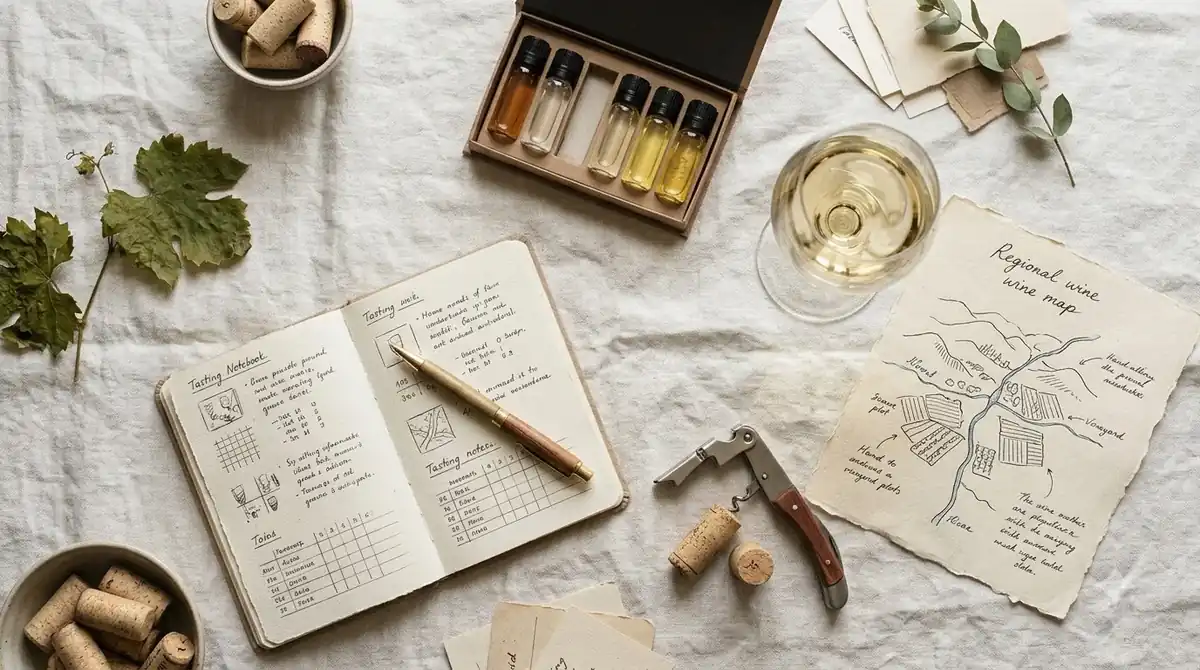
When a bottle is labeled with an importer name, the producer name, appellation and vintage tell you the most about what is in the glass. The importer name confirms who brought the wine to the United States, while the producer and appellation describe the vineyard and winemaking. Learning to read those three lines will help you compare bottles from different estates on the same list.
Vintage matters as well. Weather in a given year changes acidity, ripeness and the balance of fruit, so two bottles from the same estate can taste noticeably different. If a label lists a year, you can compare it with the producer’s notes or a trusted critic’s review before you buy.
| Label element | What it tells you | Why it matters |
|---|---|---|
| Importer name | Company that brought the wine to the US | Shows the distribution route, not the style |
| Producer name | Estate that made the wine | Sets the house style and the quality level |
| Region or appellation | Where the grapes were grown | Hints at climate, grape choices and typical body |
| Vintage year | Growing season | Affects ripeness, acidity and how long to keep the bottle |
Tip: If you cannot find a producer you know, search the estate name with its region. That gives you a quick sense of the grapes and style before you commit to a full bottle.
Serving and Pairing a Chloe Import
Serving temperature depends on the style, so check the type of wine before you open it. Sparkling wines and light whites are best chilled, while many reds taste better slightly below room temperature. A short time in the refrigerator before service is usually enough to bring a bottle into a good range, and that small step makes a bigger difference than the glass you choose.
For pairing, match the weight of the wine to the food. Lighter whites suit salads, seafood and fresh cheese, while structured reds go well with roasted meats, aged cheese and tomato-based sauces. Sparkling wines work across a meal, from appetizers to dessert, if you choose a dry style. When you are unsure, a simple rule helps: a light wine with a light dish, a richer wine with a richer dish.
Give the bottle a few minutes in the glass before judging it. Many wines open up as they warm, and the aromas that seem closed at first often become clearer after a few sips.
Buying Tips for an Unfamiliar Name
Shopping for a bottle from an unfamiliar importer is easier when you start with a clear goal. Decide whether you want a sparkling wine for a celebration, a white for a weeknight meal, or a red to share at dinner. Then look for the region and grape on the label, because those two details tell you more about the taste than the brand name alone.
Ask the shop staff or the server what they recommend from the same producer. Restaurant and wine-shop staff often know which estates they have tasted and how those wines suit particular dishes. If the bottle does not suit you, note the producer and region so you can try a different wine from the same place next time.
Finally, keep your expectations realistic. A portfolio that covers many estates will include wines at different styles and price points, and no single brand name can promise one taste profile. Judging each bottle on its own label, vintage and producer gives you a more reliable guide than the importer’s name alone.
Frequently Asked Questions
Is Chloe a winery or an importer?
The importer’s website describes Chloe Wines, LLC as a company that brings in wines from a group of producers. It lists its office in Seattle, Washington, and does not say that it makes the wines itself, so the producer names on each bottle are the best guide to who made it.
How many producers does Chloe Wines represent?
The Wines section of the company’s website lists 14 estates. The list includes Italian, French and Champagne producers, so the portfolio covers more than one country and more than one style.
What kind of wine is Chloe?
There is no single style. The brand is a selection of wines from different estates, so the taste depends on the producer, region and vintage printed on the label. Check the producer name before you buy if you want a specific style.
How do I choose a Chloe bottle for dinner?
Start with the dish. Lighter whites and sparkling wines suit seafood and salads, while structured reds go with roasted meats and aged cheese. Ask the shop or restaurant staff about the producer if you need a recommendation.
Chloe wine is best approached as a set of producers rather than one bottle. Read the estate name, check the region and vintage, and match the style to your meal. For more background on well-known brands and the producers behind them, see our wine brands guide. If you are comparing sweeter, mass-market options, our look at Barefoot wine shows a very different approach to the same shelf.
To read the company’s own description of its portfolio, visit the Chloe Wines website. Pair that with the producer’s own pages when you find a bottle you want to learn more about.
More in Wine Brands
 Underwood Wine Price: Compare Bottles, Cans, and Pack SizesUpdated Nov 21, 2026
 Zenato Wine Price: Compare Styles and Choose the Right BottleUpdated Nov 21, 2026
 Zuccardi Wine Price: Compare Bottles and Find the Right RangeUpdated Nov 21, 2026
 Yellow Tail Moscato Review: Taste, Sweetness and Serving TipsUpdated Nov 21, 2026
 Wolf Blass Yellow Label Review: Choose Your Best StyleUpdated Nov 21, 2026
 Wolffer Estate Rose Review: Choose the Right Bottle for Your TableUpdated Nov 21, 2026