

We may earn a commission when you buy through links on this page, at no extra cost to you. Learn more.
Inglenook wine comes from a historic Napa Valley estate founded in 1879 in Rutherford, best known for Cabernet Sauvignon and its flagship Rubicon. The lineup covers full-bodied reds, a few whites and a Syrah, so the brand gives you a clear picture of what Napa Valley wine looks like at its most classic.
If you have seen the Inglenook name on a shelf or a wine list and wondered what sets it apart, this guide walks through the estate’s history, the main wines, how to serve them and which bottle makes sense for different occasions.
Who Makes Inglenook Wine
The winery traces its origins to 1879, when Gustave Niebaum, a Finnish sea captain, founded the estate in Rutherford. The brand’s own website places the estate on the Rutherford Bench, a stretch of land it describes as having exceptional terroir, and says the Coppola family continues to steward the property.
The estate’s path was not smooth. Niebaum died in 1908, and the winery closed during Prohibition. After repeal, his widow Suzanne reopened it, and it changed hands several times over the following decades, including a 1964 sale to Allied Grape Growers. Francis Ford Coppola bought a large part of the property in 1975, and in 2011 the family acquired the Inglenook trademark and returned the estate to its original name. That history explains why the brand is tied so closely to Coppola today.
For a wider view of how producers like this one fit into the market, the wine brands guide is a useful companion read.

The Inglenook Lineup
The current range is focused on a small set of wines rather than a long list of labels. Each one reflects the estate’s Napa Valley roots, and the table below sums up what the brand lists on its site.
| Wine | Grape or style | Where it fits |
|---|---|---|
| Rubicon | Red blend, the estate’s best-known wine | Special occasions and cellar-worthy bottles |
| Cabernet Sauvignon | Napa Valley red | Steak dinners and classic Cabernet lovers |
| Cabernet Franc | Red with lighter structure | Dinners with herbs, tomato dishes and roasted vegetables |
| RC Reserve Syrah | Reserve red | Bold dishes and grilled meats |
| Sauvignon Blanc | White with bright acidity | Seafood, salads and warm-weather meals |
| Blancaneaux | White wine from the estate | Lighter meals and aperitif moments |
The brand’s site does not describe every wine in detail, so treat these pairings as a starting point and check the producer’s notes on the label for specifics.
What Inglenook Wine Tastes Like
The reds share the structure that Napa Valley is known for. Cabernet Sauvignon from the region is generally dry and full-bodied, with medium-high tannins and medium-high acidity. According to Wine Folly, its typical flavors include black cherry, black currant, cedar, baking spices and graphite, and it usually lands between 13.5% and 15% alcohol by volume.
Expect the same general profile from the estate’s Cabernet Sauvignon, with the Rubicon and reserve bottlings tending toward more concentration and age-worthy structure. The whites take the opposite route. They are built around freshness and a clean finish, which makes them easier to drink on their own before dinner.
Tannin is the feature to watch for. It gives reds their grip and drying finish, and it softens with food and time in the glass. If a young Cabernet tastes tight, that is normal and not a sign of a fault.
Oak also plays a part in the style. Many Napa reds spend time in barrel before bottling, and the wood adds notes of vanilla, toast and spice that blend with the dark fruit. How much oak shows depends on the bottling, which is why reading the producer’s description on the label or website helps when you compare one wine with another.
Age changes the picture as well. Young Cabernet tends to show fresh, primary fruit and firm structure, while bottles held for several years often develop softer textures and earthier notes such as leather, dried herbs and tobacco. Not every bottle benefits from waiting, so check the vintage and the producer’s guidance before you put a bottle away for a long time.
How to Serve Inglenook Wine
Serving temperature matters more than most people expect. For Cabernet Sauvignon, Wine Folly recommends 60 to 68 degrees Fahrenheit (15 to 20 degrees Celsius), which is cooler than the room temperature many people use. A short chill of 15 to 20 minutes in the refrigerator can bring a warm bottle into range.
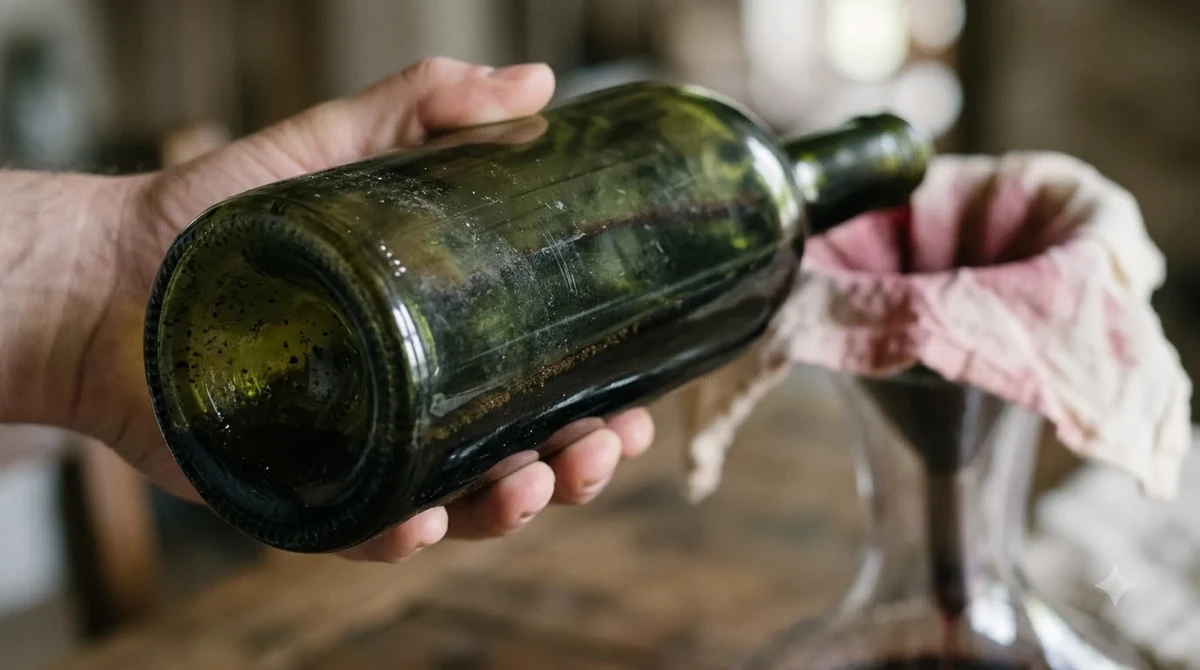
The same source suggests decanting a young Cabernet for about an hour and using a large glass so the aromas have room to develop. Bigger reds from Napa benefit from that opening time. A lighter Cabernet Franc or a basic Cabernet needs less, and you can pour it straight from the bottle.
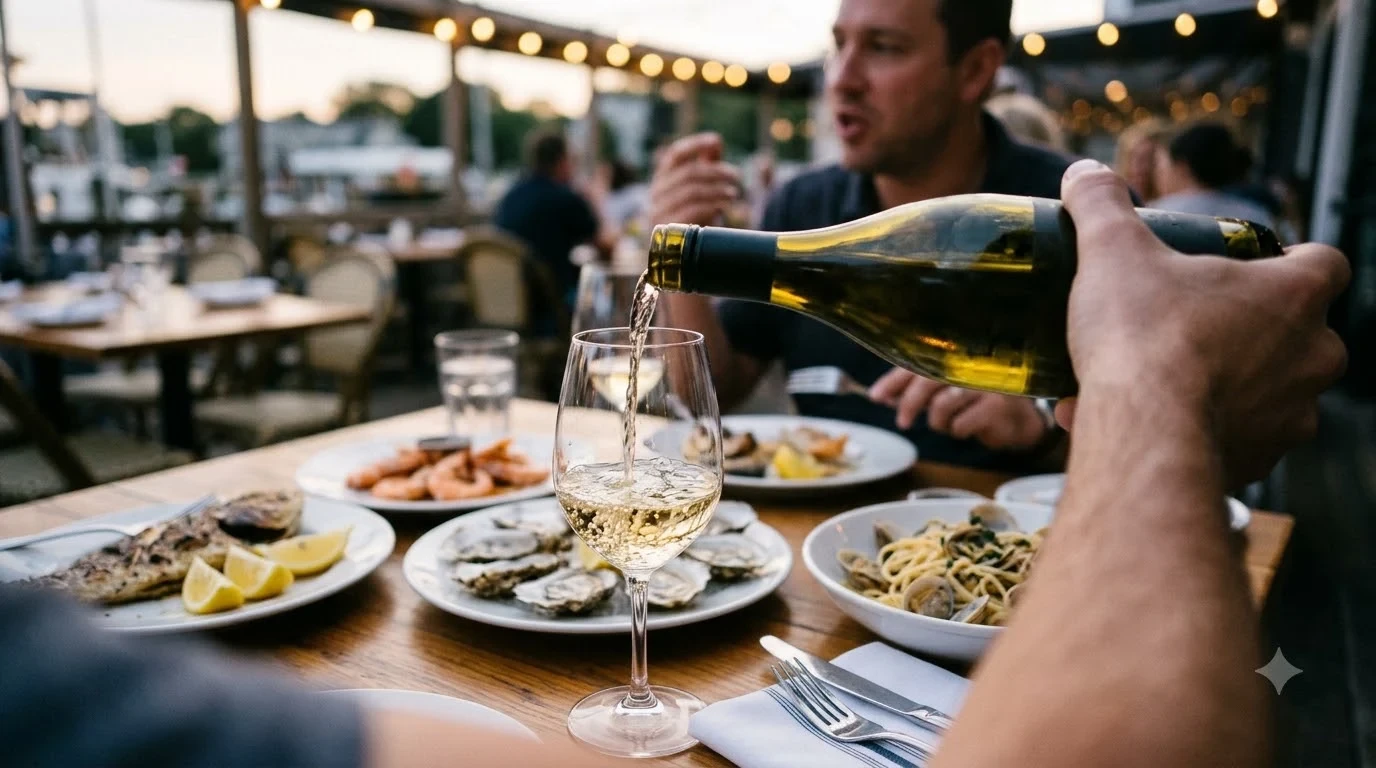
For the whites, a cool temperature keeps the citrus and herbal notes bright. Pour them after a brief rest in the refrigerator rather than ice-cold, so the flavors do not get muted.
Food Pairings That Work
Napa Cabernet pairs well with food that has enough fat and protein to match its tannin. Grilled steak, roast lamb, braised short ribs and aged cheddar are reliable choices. The wine’s acidity and structure cut through rich dishes and keep the palate fresh.
The Sauvignon Blanc suits lighter fare. Grilled fish, shellfish, goat cheese salads and fresh herbs in pasta all show its brightness to good effect. A Cabernet Franc works with dishes that sit between red and white in weight, such as roast chicken with herbs or a tomato-based pasta.
If you are unsure, match weight first. Lighter bottles go with lighter food, and the more structured reds need dishes that can stand up to them.
How to Choose an Inglenook Bottle
Start with the occasion. For a dinner where the wine is the centerpiece, a Cabernet Sauvignon or the Rubicon offers the most complete Napa experience. For a casual evening, the Cabernet Franc or the Sauvignon Blanc is easier to share and easier to pair.
Next, think about how long you plan to keep the bottle. Structured reds can develop with time, while whites are best enjoyed within a year or two of release. Check the vintage on the label and the producer’s notes for drinking windows.
Finally, consider how the wine fits alongside other brands you already know. If you enjoy a fruit-forward red from a large producer, a Napa Cabernet will show a more structured and savory side of the same grape. Our guides to Barefoot wine and Stella Rosa wine cover much lighter and sweeter styles, which can help you decide where Inglenook fits your taste.
Frequently Asked Questions
Is Inglenook wine made in Napa Valley?
Yes. The estate is in Rutherford, in the Napa Valley of California, and the brand says its wines reflect the soils of the Rutherford Bench. The producer’s own website, inglenook.com, is the best place to confirm current bottlings and vintages.
What is Inglenook’s most famous wine?
Rubicon is the best-known wine from the estate and is listed first on the brand’s site. The producer describes it as a standout wine from the property, and it is the bottle most people associate with the Inglenook name.
Should I decant Inglenook Cabernet?
For a young Cabernet Sauvignon, decanting for about an hour is a common recommendation, according to Wine Folly. It softens tannin and lets the aromas open up. Lighter bottles and older wines can be poured directly.
What temperature should I serve Inglenook red wine at?
Wine Folly suggests 60 to 68 degrees Fahrenheit for Cabernet Sauvignon. Slightly cool red wine shows more structure and balance than a bottle served at warm room temperature.
Inglenook has a long history and a clear identity in the Napa Valley. Start with a Cabernet Sauvignon to understand the house style, then move to the Rubicon or the reserve bottlings when you want to explore the estate at its most ambitious. For more on how this brand compares with others on the shelf, visit the wine brands guide.
More in Wine Brands
 Underwood Wine Price: Compare Bottles, Cans, and Pack SizesUpdated Nov 21, 2026
 Zenato Wine Price: Compare Styles and Choose the Right BottleUpdated Nov 21, 2026
 Zuccardi Wine Price: Compare Bottles and Find the Right RangeUpdated Nov 21, 2026
 Yellow Tail Moscato Review: Taste, Sweetness and Serving TipsUpdated Nov 21, 2026
 Wolf Blass Yellow Label Review: Choose Your Best StyleUpdated Nov 21, 2026
 Wolffer Estate Rose Review: Choose the Right Bottle for Your TableUpdated Nov 21, 2026