

We may earn a commission when you buy through links on this page, at no extra cost to you. Learn more.
Freakshow Cabernet is a Cabernet Sauvignon from the Freakshow brand, which is listed under Michael David Winery in Lodi, California. Cabernet Sauvignon is a dry, full-bodied red with black fruit, firm tannins, and a long life in the cellar, and the Freakshow bottle is best understood as a California take on that classic style. The exact blend, vineyard sources, and oak treatment vary, so the label and the winery’s product information are the best places to confirm the details of a given vintage.
This guide explains where the brand comes from, what Cabernet Sauvignon usually tastes like, how to tell whether a Freakshow bottle fits your taste, and how to serve and pair it. It is written for shoppers who see the name on a shelf and want to know what kind of red they are buying.
Where Freakshow Cabernet Comes From
Michael David Winery is located in Lodi, a Central Valley wine region in California. The winery’s homepage places it there and invites visitors to plan a trip, and it describes the business as rooted in family farming, with a title that refers to more than 150 years of farming in the making. The site also lists Freakshow as one of several brands it sells, alongside other labels such as Petite Petit and Seven Deadly.
The homepage does not describe the Freakshow Cabernet itself, so this guide does not attribute a specific vineyard, blend, or oak regime to the bottle. Lodi is known as a warm, inland growing area, and the region’s history goes back to vines planted by earlier generations of growers that are still producing today, according to the regional site. For the details of a specific release, check the back label and the producer’s official winery website.
What Cabernet Sauvignon Usually Tastes Like
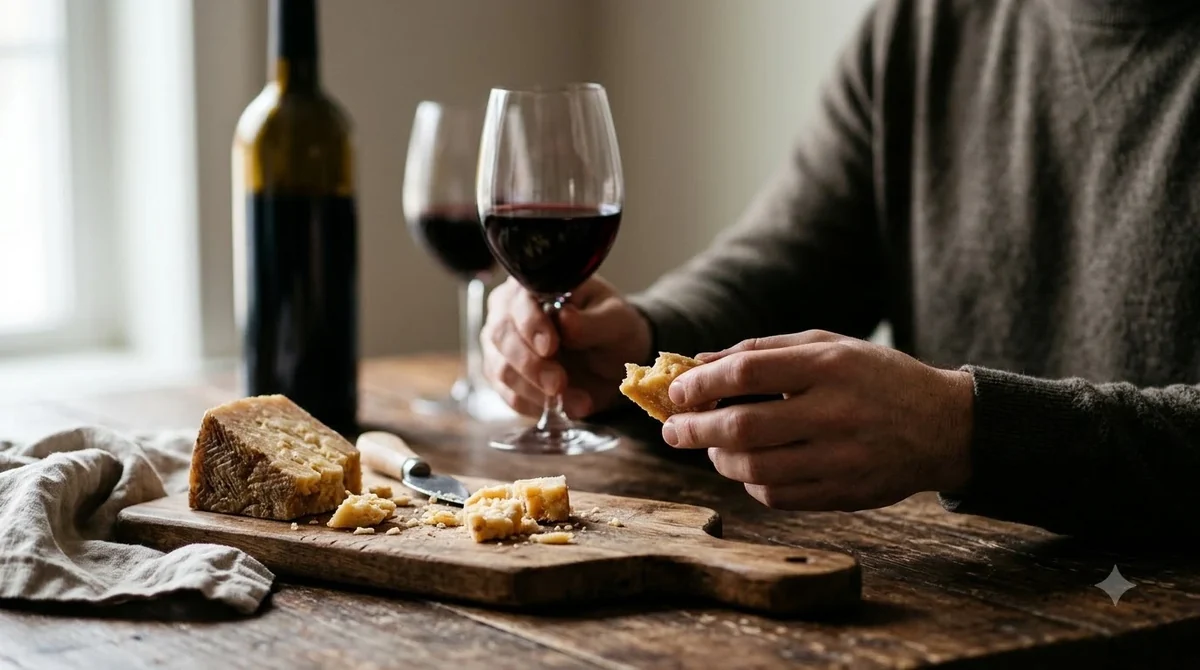
Cabernet Sauvignon is one of the world’s most widely planted red grapes, and its basic profile is consistent enough that you can predict much of what a bottle will taste like. Wine Folly’s Cabernet Sauvignon guide lists black cherry, black currant, cedar, baking spices, and graphite as the primary flavors. The wine is dry and full-bodied, with medium-high tannins and medium-high acidity, and the grape is valued for its concentration and its ability to age.
Where the grape grows shapes the glass. Bordeaux examples often show black currant, tobacco leaf, and pencil lead, while cooler or warmer regions bring out different notes. Warm-climate examples from California and Australia tend to show riper fruit and bolder structure, which is the general direction a shopper can expect from a California Cabernet like this one.
Tannin is the feature that defines the style. Cabernet’s tannins are firm, which makes the wine a strong match for grilled meat and rich sauces, and it also helps the wine age. Younger bottles can taste tight and grippy, and they often soften with time in the cellar.
Flavor Profile and Style Differences
Within the Cabernet family, the biggest differences come from ripeness, oak, and age. A riper, sunnier vintage tends to show more black fruit and a plush texture, while a cooler year can bring out more savory and herbal notes. Oak adds vanilla, spice, and toast, and the amount depends on the barrel type and how long the wine rests in wood. Most California Cabernets are aged in oak, so the wood character is usually part of the profile.
The table below summarizes the patterns you are likely to meet, so you can decide what style suits your table. Use it as a general guide, because each bottle’s blend and winemaking choices set its final profile.
| Style | Typical flavors | Best match |
|---|---|---|
| Young, fruit-forward California Cabernet | Black cherry, black currant, and plum with vanilla from oak | Burgers, grilled sausages, and barbecue |
| Savory, structured Cabernet | Cedar, graphite, baking spice, and firm tannins | Roast beef, lamb, and aged cheese |
| Aged Cabernet | Dried fruit, leather, tobacco, and a softer finish | Braised meats, mushroom dishes, and dinner parties |
If you are unsure where a Freakshow bottle falls in this range, read the tasting notes on the producer’s site or the back label, and compare the vintage year with the style above. A younger wine will usually taste brighter and more fruit-driven, while an older bottle leans toward the savory notes.
Tip: Cabernet often tastes harsher when it is too warm and too young. If a bottle seems tight or bitter, give it time in the glass or decant it for 30 minutes before dinner so the tannins can soften. A decanter is not essential, but it helps with bigger reds.
How to Serve Freakshow Cabernet
Serving temperature matters for Cabernet. Serve it slightly below room temperature rather than warm, because heat pushes the alcohol forward and makes the tannins feel heavier. A short time in a cool room or a brief stop in the refrigerator before pouring is usually enough. Use a large glass with a wide bowl so the aromas can open up as you swirl.
Because the wine has medium-high tannins, it benefits from being opened a little ahead of time. Pour a glass, leave the bottle standing for a while, and taste again. The wine often gains roundness and aroma after some air. Keep leftover wine with a stopper in a cool place, since oxygen will slowly flatten the fruit.
Food Pairings for Cabernet Sauvignon
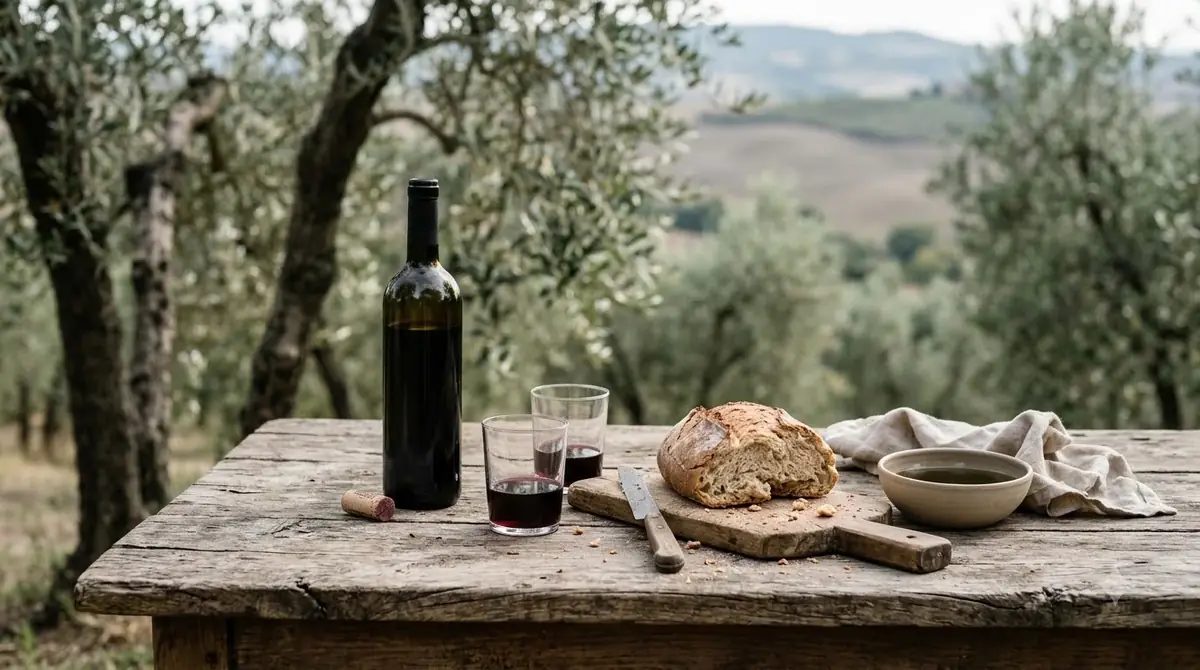
Cabernet is a food wine, and its tannins are its best partner. Grilled steak, lamb chops, and roasted pork shoulder all have enough fat and protein to soften the tannins and let the fruit show. Dishes with peppery or smoky sauces, such as a chimichurri or a black pepper crust, complement the wine’s spice and cedar notes.
Cabernet also works with richer vegetarian dishes. Mushroom risotto, lentils with caramelized onions, and grilled portobellos can match the wine’s savory side, especially in an older bottle. Hard cheeses such as aged cheddar or Parmigiano-Reggiano are classic partners, because their salt and texture balance the tannins.
For a casual dinner, a Cabernet pairs well with burgers and barbecue. The wine’s fruit and acidity cut through smoky grilled flavors, and the tannins handle the fat. If you are unsure, pick a simple grilled dish and a moderate portion of wine to keep the match easy.
Sauces matter as much as the protein. A tomato-based sauce with olives and herbs suits a fruit-forward Cabernet, because the acidity in the sauce lines up with the wine’s structure. Mushroom gravy and red wine reductions link naturally to the savory side of the grape. Sweet barbecue sauces can overpower a young Cabernet, so choose a drier, smokier glaze when you plan to serve this wine.
Cheese boards are another easy option for guests. Pair a firm aged cheese, a nutty Gruyère, and a few dark chocolate squares with the Cabernet, and let people taste the wine on its own before adding the food. Chocolate and red wine work well together when the chocolate is dark and not too sweet, because the bitterness in both balances the tannins.
Frequently Asked Questions
Is Freakshow Cabernet made in Napa Valley?
The producer’s homepage places Michael David Winery in Lodi, California, which is a different region from Napa Valley. The label or the producer’s product information will list the exact appellation for a specific bottle.
Does Cabernet Sauvignon need to age?
Many Cabernets are enjoyable young, but the grape is known for its ability to age. Wine Folly suggests cellaring for ten years or more for some styles, though a bottle labeled for drinking now can be opened at once.
What does Cabernet Sauvignon taste like?
It usually shows black cherry, black currant, cedar, and baking spice, with firm tannins and a full body. Oak and ripeness shape how strong those flavors feel in a particular bottle.
Is Cabernet a good wine for a first red?
It can be, especially if you enjoy bold, fruit-forward wines. Beginners who find tannins drying can start with a younger, fruitier Cabernet and serve it with food, which makes the tannins feel softer.
Freakshow Cabernet fits the classic California red style: dark fruit, structure, and food-friendly tannins. To keep learning, read our Wine Brands guide, and compare this style with other popular California Cabernets such as Caymus Cabernet and Daou Cabernet.
More in Wine Brands
 Underwood Wine Price: Compare Bottles, Cans, and Pack SizesUpdated Nov 21, 2026
 Zenato Wine Price: Compare Styles and Choose the Right BottleUpdated Nov 21, 2026
 Zuccardi Wine Price: Compare Bottles and Find the Right RangeUpdated Nov 21, 2026
 Yellow Tail Moscato Review: Taste, Sweetness and Serving TipsUpdated Nov 21, 2026
 Wolf Blass Yellow Label Review: Choose Your Best StyleUpdated Nov 21, 2026
 Wolffer Estate Rose Review: Choose the Right Bottle for Your TableUpdated Nov 21, 2026