

We may earn a commission when you buy through links on this page, at no extra cost to you. Learn more.
Frank Family Chardonnay is a California Chardonnay from Frank Family Vineyards, a Napa Valley producer whose tasting room is in Calistoga. Like most California Chardonnay, it is built around ripe orchard and stone fruit, with the texture and oak character that come from fermentation and barrel choices. The exact blend and oak regime change by vintage, so the back label is the place to confirm the details for a specific bottle.
This guide explains what the brand’s Chardonnay is likely to taste like, how Chardonnay styles differ by climate and winemaking, and how to serve and pair the wine. It is written for shoppers who see the name on a wine shop shelf or a restaurant list and want to understand the style before they buy.
Where Frank Family Chardonnay Comes From
Frank Family Vineyards presents itself as a Napa Valley winery, and its homepage lists a street address at 1091 Larkmead Lane in Calistoga, California. That location places the brand in the northern end of Napa Valley, a warmer area than the cooler southern appellations. The producer’s homepage describes the winery around its daily work in the vineyards and cellar, and it promotes the tasting room as the place to visit.
The homepage does not name the founders or give a detailed Chardonnay description, so this guide does not attribute specific vineyard sources or production numbers to the bottle. For the exact appellation and vineyard blend, check the label or the winery’s product sheet, and use the brand’s official site for current release information.
How Chardonnay Style Depends on Climate
Chardonnay is a grape that takes on very different personalities depending on where it grows. Wine Folly’s Chardonnay guide notes that cooler regions produce leaner, crisper wines with high acidity, where green apple, pear, and citrus lead the flavor. Warmer sites give fuller, riper wines, with richer stone fruit and a softer, more generous texture. That contrast explains why two bottles labeled simply “Chardonnay” can taste very different.
California Chardonnay usually sits toward the warmer, richer end of that range, especially in the warmer valleys of Napa and Sonoma. Shoppers who want a fresher, more mineral style often look for cooler coastal sites, while those who like a rounder, creamier glass tend to choose warmer-region bottles.
A good way to read a label is to look for the region first. A broad “California” bottle will usually be more fruit-forward than a Chardonnay from a cool coastal appellation, even when both come from the same grape.
What Oak and Malolactic Fermentation Add
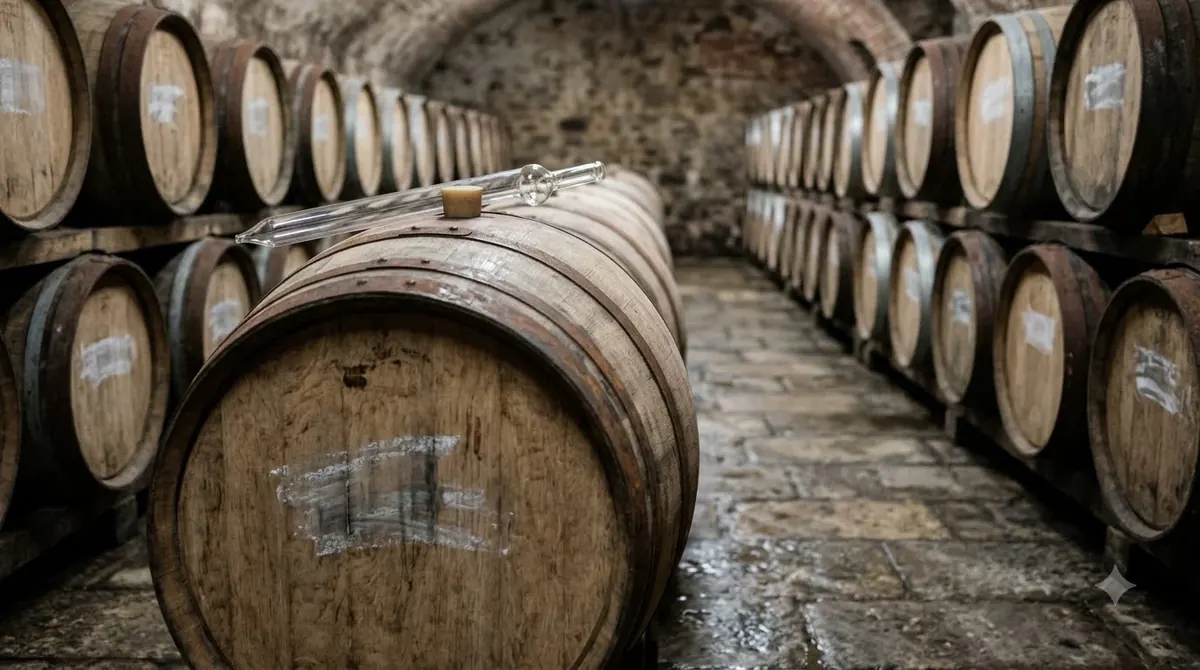
Winemaking decisions shape Chardonnay as much as climate does. Barrel fermentation and oak aging add vanilla, spice, and toasty notes, and the effect depends on barrel size, the type of oak, the toast level, and the length of aging. American oak tends to read as coconut and sweet spice, while French oak is usually described as more subtle. Smaller barrels expose the wine to more oak, which strengthens the impression of toast and vanilla.
Malolactic fermentation, often called MLF, converts the sharp malic acid in the wine into softer lactic acid. The result is a creamier, less tart, fuller-bodied wine, and it also produces diacetyl, the compound linked to buttery aromas. Winemakers choose whether to run MLF, and it is one of the main reasons some Chardonnays taste buttery while others taste bright and lean. With bottle age, the same wines often develop hazelnut, toasted nut, and honey notes.
Tip: If you want to know whether a bottle is buttery or crisp before opening it, look at the producer’s description of barrel aging and malolactic fermentation. Many winemakers state those details, and they tell you more about the glass than the grape name alone.
Flavor Profile Shoppers Can Expect
Most California Chardonnay falls into a few recognizable patterns. Unoaked styles lean toward green apple, pear, and citrus, with a mineral edge. Oaked styles add peach, mango, and lemon, along with butter, vanilla, and baking spice. When the wine has aged in bottle, notes of honey and toasted nuts can appear. The table below sums up the common patterns so you can match a bottle to your taste.
| Style | Typical flavors | What to look for on the label |
|---|---|---|
| Crisp, lightly oaked | Green apple, pear, citrus, and a mineral note | Cooler region or light oak wording |
| Rich, oaked, full-bodied | Peach, mango, butter, vanilla, and toast | Barrel fermentation and malolactic fermentation |
| Aged, complex | Hazelnut, toasted nuts, honey, and baked fruit | Vintage and bottle age notes |
The style of a specific bottle depends on the blend, the vineyard, and the winery’s choices, so use the table as a guide rather than a promise. Wine Folly’s Chardonnay overview is a useful reference for the general patterns, and you can read it at Wine Folly’s Chardonnay guide.
How to Serve Chardonnay
Chardonnay is more forgiving than many whites, but serving temperature still matters. Serve a richer, oaked Chardonnay cool rather than cold, because very low temperatures mute the butter and fruit. A lighter, unoaked style can be served a little cooler to keep it crisp. A medium-sized wine glass with a wide bowl gives the aromas room to show.
Open the bottle a short time before pouring if it feels closed when it first comes out of the fridge. Most Chardonnay does not need decanting, but a few minutes of air often helps an oaked wine open up. Leftover wine keeps better with a stopper in the fridge, and an oaked bottle usually holds its character for a couple of days.
Food Pairings for Chardonnay
Richer Chardonnay pairs well with dishes that echo its texture. Roast chicken, creamy pasta, lobster, crab cakes, and grilled pork all work because the wine’s body matches the weight of the food. The buttery notes in an oaked style also complement toasted or caramelized flavors, such as roasted vegetables and nuts.
Lighter, unoaked Chardonnay is a better fit for salads, fresh fish, and soft cheeses. Its acidity cuts through rich foods and keeps the palate fresh. If you are not sure which style you have, start with a simple roast chicken: it works with almost any Chardonnay.
Seafood is another reliable match, especially for the crisper styles. Grilled shrimp with lemon, baked white fish, and shellfish pasta all pick up the wine’s citrus and mineral notes. For richer bottles, try a dish with browned butter or a cream sauce, which lines up with the buttery character that oak and malolactic fermentation can bring. Matching the sauce to the wine is often more useful than matching the protein alone.
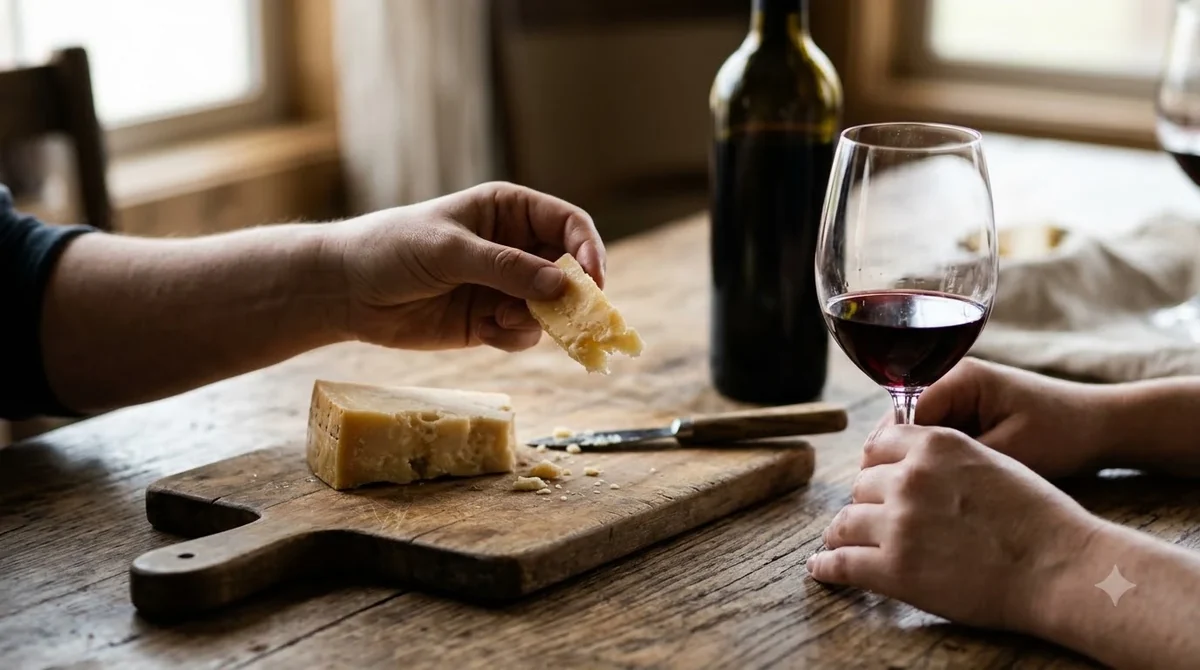
Cheese works in both directions. Soft, bloomy cheeses and fresh goat cheese suit the lighter styles, while aged, nutty cheeses such as Gruyère or aged Comté sit well beside a richer, oaked Chardonnay. If you are building a simple board, pair one cheese with each style and let guests compare the difference. That side-by-side tasting is one of the easiest ways to learn how the grape changes with winemaking.
Vegetarian menus also suit Chardonnay. Roasted squash, mushroom risotto, and charred cauliflower bring out the wine’s savory side, and the bottle’s texture helps carry the richness without overwhelming the plate.
Frequently Asked Questions
Is Frank Family Chardonnay a Napa Valley wine?
The brand is based in Calistoga, at the northern end of Napa Valley, according to its homepage. The exact vineyard sources for a specific Chardonnay are listed on the label or in the winery’s product information.
Is Chardonnay always buttery?
No. Buttery flavors come mainly from malolactic fermentation and oak aging. Unoaked or lightly oaked Chardonnay tends to be crisp, with green apple and citrus instead of butter.
How long can I keep an opened bottle of Chardonnay?
Recork the bottle and store it in the refrigerator. An oaked Chardonnay usually holds its character for a couple of days, while lighter styles can keep a little longer.
Is Chardonnay a good wine for beginners?
It can be. Chardonnay is widely available in both lighter and richer styles, so beginners can choose the level of oak and body that suits their taste.
Frank Family Chardonnay is a good example of the California style: ripe fruit, a rounder texture, and the oak and malolactic choices that shape the glass. For more background, read our Wine Brands guide, and compare the style with another well-known California Chardonnay in our Rombauer Chardonnay overview.
More in Wine Brands
 Underwood Wine Price: Compare Bottles, Cans, and Pack SizesUpdated Nov 21, 2026
 Zenato Wine Price: Compare Styles and Choose the Right BottleUpdated Nov 21, 2026
 Zuccardi Wine Price: Compare Bottles and Find the Right RangeUpdated Nov 21, 2026
 Yellow Tail Moscato Review: Taste, Sweetness and Serving TipsUpdated Nov 21, 2026
 Wolf Blass Yellow Label Review: Choose Your Best StyleUpdated Nov 21, 2026
 Wolffer Estate Rose Review: Choose the Right Bottle for Your TableUpdated Nov 21, 2026