

We may earn a commission when you buy through links on this page, at no extra cost to you. Learn more.
Seyval blanc wine is a crisp, high-acid white wine made from a cold-hardy French-American hybrid grape bred in France in 1919. It delivers bright notes of lemon, white grapefruit, green apple, white peach, and wet stone, typically clocking in around 11 to 12 percent ABV. Winemakers craft it into everything from zippy unoaked table wines to barrel-aged, Chardonnay-style whites, traditional-method sparkling wines, and sweet late-harvest bottlings.
While European wine laws pushed hybrid grapes out of classic French appellations decades ago, this resilient variety found a thriving second home across cool and humid wine regions in North America and Great Britain. For drinkers exploring Wine by Type, Seyval Blanc offers the refreshing snap of a cool-climate European white at an approachable, everyday alcohol level.
What Is Seyval Blanc Wine?
Seyval Blanc is a white French-American hybrid grape variety created by crossing European Vitis vinifera with native North American vine species to combine fine wine flavors with natural cold tolerance and disease resistance. Originally cataloged as Seyve-Villard 5276, it was bred in 1919 at Saint-Vallier in the Drôme department of southern France by Bertille Seyve and his father-in-law, Victor Villard, from a cross of Seibel 5656 and Rayon d’Or (Seibel 4986).
According to Wine Enthusiast, the grape’s genetic makeup is roughly 50 percent Vitis vinifera, 37 percent Vitis rupestris, and 13 percent Vitis lincecumii. That balanced pedigree explains why Seyval Blanc avoids the assertive, grapey aromatics associated with older native American varieties while retaining the winter hardiness and fungal resistance that make it reliable in challenging climates.
Because the vine produces large, compact grape clusters and can easily overcrop, attentive vineyard management is essential for quality. Growers routinely prune carefully and thin excess fruit clusters after flowering so the remaining berries concentrate their sugars, bright natural acids, and delicate orchard-fruit aromatics.
Flavor Profile and Winemaking Styles
In its purest, unoaked form, Seyval Blanc is a light- to medium-bodied dry white wine defined by lively citrus acidity, clean mineral tension, and restrained aromatics. Tasting notes from Wine Enthusiast highlight lemon, white grapefruit, green apple, white peach, and wet stone, while other tasters frequently note subtle hints of melon, pear, and white blossoms.
Because the grape acts as a clean, relatively neutral canvas during fermentation, cellarmasters can steer it in four distinct directions depending on regional tradition and winery goals:
| Winemaking Style | Cellar Approach | Aromas and Texture | Closest Familiar Comparison |
|---|---|---|---|
| Crisp & Unoaked | Cool stainless-steel fermentation, blocked malolactic conversion | Lemon zest, green apple, wet stone, brisk linear finish | Unoaked Chablis or dry Sauvignon Blanc |
| Oaked & Barrel-Fermented | Oak fermentation or aging, partial or full malolactic conversion | Ripe pear, toasted vanilla, creamier mid-palate weight | Light, cool-climate Chardonnay or Pinot Blanc |
| Traditional-Method Sparkling | Secondary bottle fermentation with extended lees aging | Preserved lemon, apple blossom, brioche, fine mousse | Brut Champagne or English sparkling wine |
| Off-Dry & Late-Harvest | Halted fermentation or late-picked botrytized fruit | White peach, honeyed melon, pineapple, balanced by high acid | Off-dry German Riesling or Vouvray |
Winemakers praise Seyval Blanc as a steady, reliable fermenter that consistently preserves fruit clarity across different yeast strains. When fermented in oak barrels or put through malolactic conversion—which softens sharp malic acid into creamier lactic acid—the wine gains noticeable mid-palate roundness and takes on the character of a lean, cool-climate Chardonnay.
Equally notable is its performance in sparkling wine production. Because young Seyval Blanc stays naturally crisp and unassuming in base-wine form, extended aging on spent yeast cells (lees) allows complex, biscuity, and brioche-like notes to take center stage without clashing with overly loud primary fruit.
Where Seyval Blanc Grows Best
Today, the United States and Great Britain account for the vast majority of global Seyval Blanc plantings, alongside smaller pockets in Canada, Poland, Switzerland, and France. Although it originated in the Rhône Valley, European Union regulations barring hybrid varieties from top-tier appellation wines caused French plantings to shrink dramatically after the mid-twentieth century.
In North America, the grape is a mainstay across regions with harsh winters and humid summers where delicate European vines struggle. New York’s Finger Lakes and Hudson River regions produce benchmark dry and off-dry bottlings, while wineries across the American Midwest—including Wisconsin, Missouri, and Indiana—and Mid-Atlantic states such as Virginia and Pennsylvania rely on it for consistent, fruit-driven white wines. North of the border, growers in Ontario, Nova Scotia, and Quebec also cultivate Seyval Blanc for both still whites and sparkling blends.
Across the Atlantic, Seyval Blanc has been grown in England since 1945 and remains the fifth most planted grape variety in Great Britain, according to 2024 WineGB planting figures. While UK Protected Designation of Origin (PDO) rules restrict sparkling wines to classic Vitis vinifera grapes, English and Welsh producers craft acclaimed Protected Geographical Indication (PGI) sparkling wines and crisp coastal still whites from the variety. Seyval Blanc has also served as an important parent vine in university breeding programs, giving rise to well-known cold-climate grapes like Chardonel, Cayuga White, and La Crosse.
How to Serve Seyval Blanc
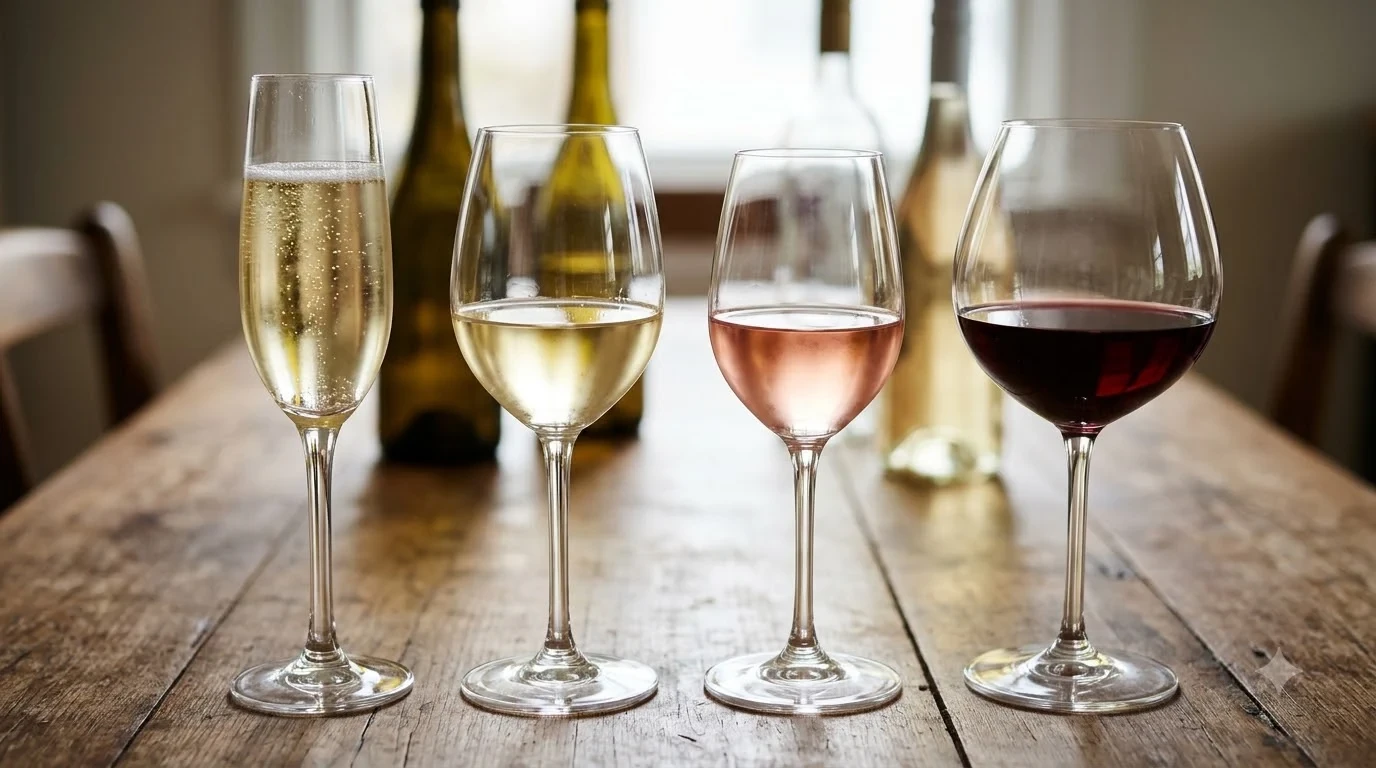
Serve still Seyval Blanc well chilled at 45 to 50 degrees Fahrenheit (7 to 10 degrees Celsius) in a standard white wine glass. This temperature range preserves its snappy citrus acidity and wet-stone freshness without muting its subtle green apple and white floral aromatics.
If you are pouring a barrel-fermented or oak-aged bottling, letting the glass warm slightly toward 50 to 52 degrees Fahrenheit allows the rounder orchard-fruit and subtle vanilla notes to open up. Traditional-method sparkling Seyval Blanc shines best slightly colder, around 42 to 45 degrees Fahrenheit, served in a tulip-shaped sparkling glass that concentrates both fine bubbles and yeasty lees aromas.
Most dry and off-dry Seyval Blanc wines are meant to be enjoyed young—typically within one to three years of the vintage date—and require no decanting. Once opened, recork the bottle tightly and store it in the refrigerator, where it will stay fresh and vibrant for three to five days.
Tip: Pull your bottle of unoaked Seyval Blanc from the refrigerator about 10 to 15 minutes before pouring so it sits right in the 45–50°F sweet spot rather than tasting overly sharp straight from a 38°F fridge.
Food Pairings for Seyval Blanc
High natural acidity and moderate alcohol—usually 11 to 12 percent ABV—make Seyval Blanc an effortless partner for delicate seafood, fresh cheeses, and herb-driven dishes. Its citrus-and-mineral profile acts much like a squeeze of fresh lemon over rich or briny ingredients.
Raw oysters on the half shell, steamed mussels in white wine broth, seared sea scallops, and pan-seared trout all match the wine’s clean, brisk finish without being overwhelmed. For poultry and vegetable dishes, try roast chicken with fresh garden herbs, chicken piccata with capers, or grilled asparagus topped with shaved Parmesan.
Cheese boards are another natural fit. Tangy fresh goat cheese (chèvre) mirrors the wine’s bright acidity, while soft-ripened Brie paired with crisp green apple slices plays off the grape’s orchard-fruit character. If you pick up an off-dry bottling, its touch of residual sweetness cools down mild heat in vegetable spring rolls, Thai basil dishes, or lightly spiced Asian fare.
How to Choose a Bottle of Seyval Blanc
Checking a few key clues on the front and back labels will tell you immediately which style of Seyval Blanc is inside the bottle. Because winemakers treat the grape in several ways, label terminology is your most reliable guide:
- Look at the ABV: Bottlings labeled at 11 to 12 percent ABV are typically light-bodied, crisp, and unoaked, whereas bottles pushing 12.5 percent ABV or higher often reflect riper fruit or barrel fermentation.
- Scan for oak and lees cues: Phrases like “barrel-fermented,” “reserve,” or “aged on the lees” signal a fuller, creamier texture closer to Chardonnay or traditional-method sparkling wine.
- Check sweetness indicators: Many North American producers include a sweetness scale on the back label; look for “dry” if you want snappy minerality, or “off-dry” and “semi-dry” for softer peach and melon notes.
- Prioritize recent vintages for still wines: For unoaked still bottles, choose the most recent harvest available on the shelf so the citrus and green apple aromatics are at their brightest.
Do not overlook white blends that list Seyval Blanc alongside grapes like Vidal Blanc, Cayuga White, Traminette, or Chardonnay. Winemakers frequently use Seyval Blanc as the crisp acid backbone in regional blends to keep aromatic grapes balanced and refreshing.
Frequently Asked Questions
Is Seyval Blanc wine sweet or dry?
Most Seyval Blanc wine is made in a crisp, dry style with bright citrus and green apple flavors, though some wineries produce off-dry or sweet late-harvest versions. Checking the back label for a sweetness scale or looking at the alcohol level—dry versions usually sit around 12 percent ABV—will help you confirm the style before buying.
What popular wine does Seyval Blanc taste like?
Unoaked Seyval Blanc tastes closest to an unoaked Chablis, dry Pinot Blanc, or a restrained, mineral-driven Sauvignon Blanc without aggressive herbaceousness. When fermented or aged in oak barrels, it takes on rounder pear and toasted notes that resemble a light, cool-climate Chardonnay.
Is Seyval Blanc a hybrid grape?
Yes, Seyval Blanc is a French-American hybrid bred in France in 1919 by crossing Seibel 5656 and Rayon d’Or. Its genetics combine 50 percent European Vitis vinifera with 50 percent native American grape species, giving it strong cold hardiness and disease resistance alongside clean, classic white wine flavors.
Does Seyval Blanc age well in the cellar?
Still, unoaked Seyval Blanc is crafted for immediate freshness and tastes best within one to three years of the vintage date. However, traditional-method sparkling Seyval Blanc aged on its lees and select barrel-fermented examples can develop appealing brioche, nutty, and honeyed complexity over five or more years.
Whether poured ice-cold alongside fresh shellfish or popped as a celebratory sparkling bottle, Seyval Blanc proves that cool-climate hybrid grapes can deliver serious refreshment and versatility. Next time you browse a regional wine shop or visit a tasting room outside the West Coast, keep an eye out for this bright, food-friendly white.
More in Wine Types & Grapes
 Zinfandel Sugar Content: Dry Red vs. White Zinfandel GramsUpdated Nov 21, 2026
 Best Zinfandel Substitute Options for Sipping and CookingUpdated Nov 21, 2026
 Zweigelt Food Pairing: Best Dishes, Cheeses, and Serving TipsUpdated Nov 21, 2026
 Zinfandel Tannins Explained: How Structure Shapes Every BottleUpdated Nov 21, 2026
 Zinfandel Sweetness Level: Dry Red vs. Sweet White Zin ExplainedUpdated Nov 21, 2026
 Xinomavro Food Pairing: Best Dishes, Styles, and Serving TipsUpdated Nov 21, 2026