
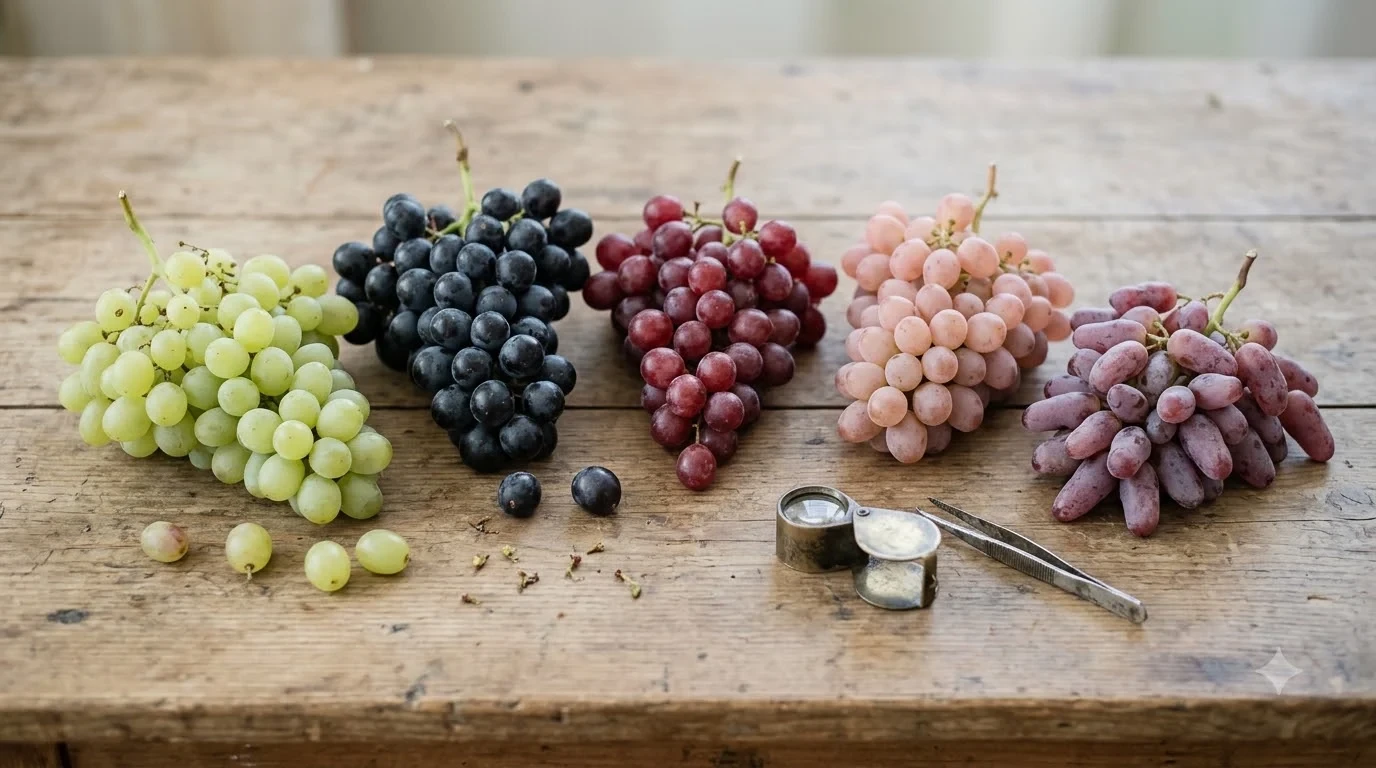

We may earn a commission when you buy through links on this page, at no extra cost to you. Learn more.
Recioto wine is a traditional sweet Italian dessert wine from the Veneto region, crafted from grapes partially dried on racks for months before a halted fermentation preserves rich natural sugars. Depending on the appellation, it is bottled either as a velvety, cocoa-and-cherry-scented red (Recioto della Valpolicella) or as a golden, honeyed white (Recioto di Soave or Recioto di Gambellara). It is the historic ancestor of Amarone, sharing the same raisining technique while keeping a lush, sweet finish.
Pronounced reh-CHOH-toh, this classic passito style sits near the top of northeastern Italy’s winemaking hierarchy, yet it remains far less familiar to American wine drinkers than dry Amarone or crisp Soave. Its name comes from recie, the local Veronese dialect word for “ears,” referring to the upper outer shoulders of a grape cluster that hang in the brightest sunlight and ripen earliest.
What Is Recioto Wine?
Recioto is an unfortified sweet wine produced through the ancient appassimento method, in which whole bunches of ripe grapes are dried indoors after harvest to concentrate sugars, acids, and aromatics. Rather than allowing yeast to convert every gram of sugar into alcohol, winemakers halt fermentation early—or let rising alcohol levels naturally slow the yeast—so significant residual sugar remains in the finished bottle.
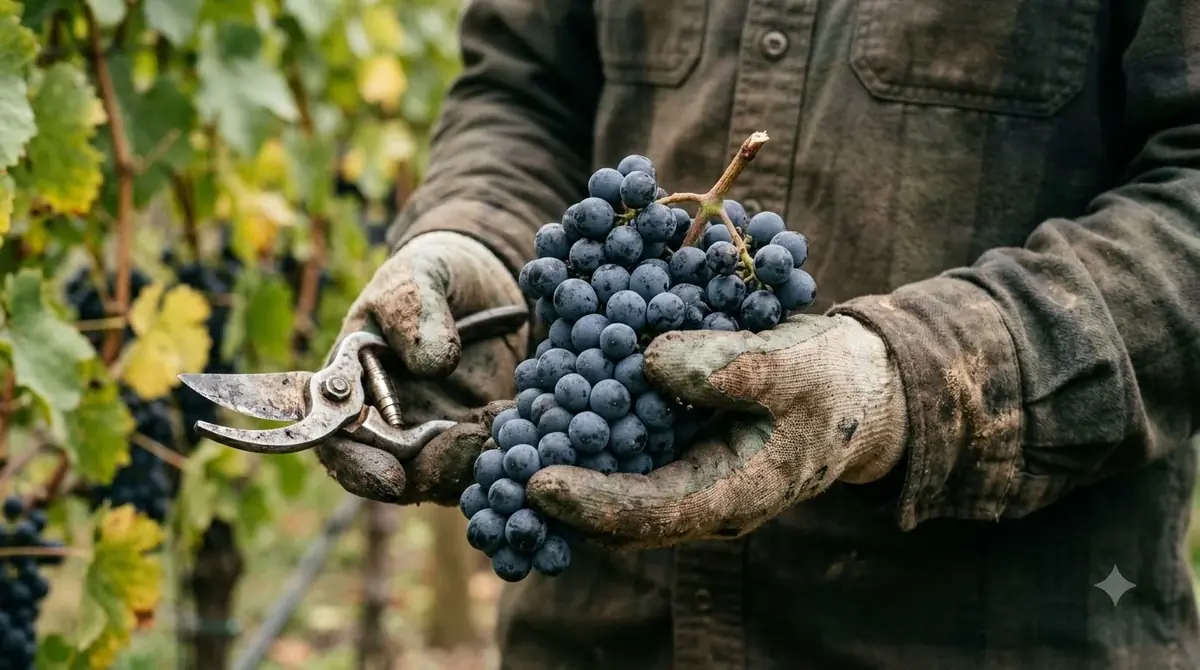
Historically, growers around Verona harvested only those sun-drenched upper “ears” of each bunch to press into a celebratory sweet wine. Today, winemakers select entire prime hillside clusters at harvest and lay them on bamboo racks, straw mats, or perforated crates inside ventilated drying lofts known as fruttai. Over roughly three to four months, water evaporates from the berries until the fruit loses around 40 to 50 percent of its original weight.
That slow dehydration transforms both chemistry and texture. As water leaves the grape, natural acidity, phenolic compounds, and glycerol rise in concentration, creating a wine with syrupy weight yet brisk freshness. In the red version, production rules require the wine to retain unfermented sugar equal to at least 2.8 percent potential alcohol—roughly 50 grams per liter—with many producers bottling closer to 120 or 130 grams per liter.
Understanding how Recioto relates to Amarone clears up one of Italian wine’s most common misconceptions. According to Wine Folly’s guide to the Valpolicella wine pyramid, Recioto is the original benchmark style of the valley. Legend holds that Amarone emerged in the mid-twentieth century when a barrel of Recioto accidentally fermented all the way to dryness, yielding a bitter-edged dry powerhouse (“amaro” means bitter) that producers later began crafting intentionally.
Flavor Profile and Main Styles
Because the term “Recioto” describes a traditional drying and fermentation technique rather than a single grape variety, it spans both red and white DOCG denominations in the Veneto. Both color families share concentrated dried-fruit richness and lively natural acidity, yet they deliver completely distinct flavor profiles on the palate.
Recioto della Valpolicella is the best-known red expression, built around native Corvina alongside Corvinone, Rondinella, and occasionally Molinara. Reviewers at Decanter and Wine Enthusiast consistently note aromas of black cherry preserves, dried figs, raisins, dark chocolate, and sweet baking spices. Unlike fortified Port, which typically sits near 20 percent alcohol, red Recioto generally finishes between 12 and 14 percent ABV, giving it a plush, velvety grip without fiery alcoholic heat. A rare sparkling red variant, Recioto della Valpolicella Spumante, is also permitted under appellation rules.
Recioto di Soave and Recioto di Gambellara represent the golden white side of the family, crafted primarily from the native white grape Garganega. Dried until winter, Garganega develops intense notes of dried apricot, candied tangerine, wildflower honey, toasted almond, and white pepper. Even at full sweetness, hillside Garganega retains a crisp, stony mineral streak and a characteristic bitter-almond finish that keeps the wine refreshing rather than cloying.
| Appellation | Color & Primary Grapes | Typical ABV | Key Tasting Notes |
|---|---|---|---|
| Recioto della Valpolicella DOCG | Red (Corvina, Corvinone, Rondinella) | 12%–14% | Dried cherry, fig, blackberry jam, dark cocoa, sweet spice |
| Recioto di Soave DOCG | White (Garganega, optional Trebbiano di Soave) | 12.5%–14% | Dried apricot, chestnut honey, candied citrus, marzipan |
| Recioto di Gambellara DOCG | White (100% Garganega) | 12.5%–14% | Honeycomb, baked pear, dried apricot, roasted almond |
If you are exploring how sweet passito reds compare with dry table wines across different styles of wine, Recioto occupies a fascinating middle ground: it carries the dark fruit concentration of a full-bodied red alongside the residual sweetness of a classic late-harvest dessert bottle.
Where Recioto Grows
All three official Recioto DOCG zones cluster across the pre-Alpine foothills east and north of Verona in northeastern Italy’s Veneto region. Cool mountain breezes descending from the Lessini Mountains create wide day-to-night temperature swings, helping grapes accumulate sugar slowly while locking in crisp acidity before autumn rains arrive.
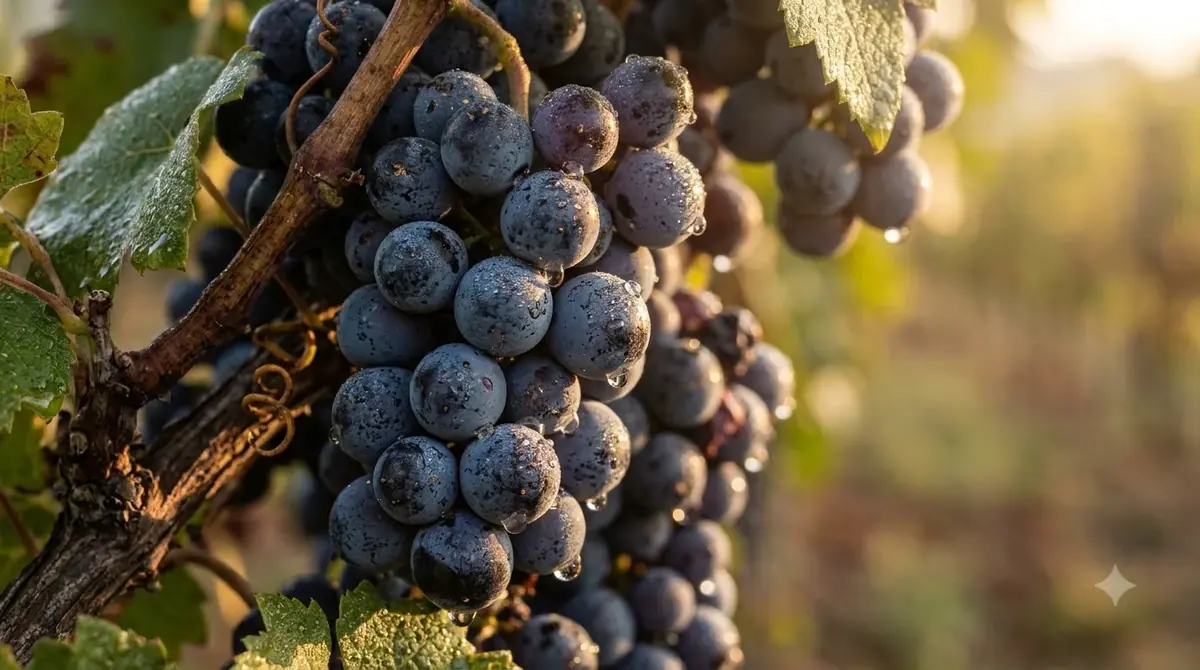
Valpolicella lies just northwest of Verona, stretching across valleys and limestone slopes between Lake Garda and the Lessini range. Bottles labeled Classico come from the historic central communes—such as Negrar, Fumane, Marano, San Pietro in Cariano, and Sant’Ambrogio—where terraced hillside vineyards on marly limestone produce the most concentrated fruit.
Soave and neighboring Gambellara sit east of Verona, where ancient volcanic activity left behind dark basalt, lava rock, and tuff soils interspersed with limestone. Here, Garganega vines trained on traditional high pergola veronese trellises enjoy dappled shade during warm summer afternoons and steady airflow through the canopy. Because drying shrinks grape volume by nearly half and regional yield caps are strict, total annual production across all Recioto appellations remains tiny compared with everyday Valpolicella or Soave.
How to Serve and Store Recioto
Serving temperature makes a dramatic difference in how balanced Recioto tastes in the glass. Served too warm, its high residual sugar can feel heavy; served properly chilled, its natural acidity and aromatic lift come into sharp focus.
For Recioto della Valpolicella, aim for a cellar-cool temperature of 57°F to 61°F (14°C to 16°C)—roughly 20 to 30 minutes in the refrigerator before pouring. For white Recioto di Soave or Recioto di Gambellara, chill the bottle further to 46°F to 52°F (8°C to 11°C) so its apricot and citrus brightness shines. Use standard tulip-shaped dessert wine glasses or smaller white wine stems, and pour modest 2- to 3-ounce servings so the aromatics concentrate at the rim.
Most Recioto is bottled in 500-milliliter half-sized bottles rather than standard 750-milliliter formats, which suits its rich style well. An unopened bottle stored horizontally in a cool, dark place will easily evolve for 10 to 20 years, gradually trading primary jammy fruit for complex notes of leather, dried mushroom, roasted nuts, and tobacco.
Tip: Once opened, recork your Recioto and store it upright in the refrigerator. Thanks to its high sugar and natural acidity, an opened bottle stays fresh and expressive for up to two weeks.
Best Food Pairings for Recioto
When pairing sweet wines with food, the golden rule is to match sweetness levels so the dish never makes the wine taste thin or tart. Beyond classic desserts, however, savory salty foods create one of the most memorable contrasts at the table.
Red Recioto della Valpolicella is one of the rare wines capable of standing up to dark chocolate. Pair it with flourless chocolate torte, bittersweet chocolate truffles, cherry galettes, or Venetian almond cookies like sbrisolona. On the savory side, Italian sommeliers love pouring red Recioto alongside pungent blue-veined cheeses such as Gorgonzola Piccante, Stilton, or aged Asiago, where the salt and tangy mold slice right through the wine’s velvety sweetness.
White Recioto di Soave excels with stone-fruit desserts, spiced holiday breads like panettone, hazelnut biscotti, and crème brûlée. It also shines beside rich, savory starters—including foie gras, duck liver pâté, or aged Parmigiano-Reggiano drizzled with aged balsamic vinegar. While lighter dry reds are often adapted into warm-weather punches like a fruit-forward red sangria, Recioto needs no added fruit or sweetener to shine as an after-dinner centerpiece.
How to Choose a Bottle of Recioto
Reading the front label carefully ensures you bring home the exact style you want, since the word “Recioto” always appears alongside the specific zone name. Look first for DOCG status on the neck strip, which guarantees the wine met Italy’s highest production, drying, and tasting standards.
Next, check the geographic designation. Recioto della Valpolicella signals a sweet red wine, whereas Recioto di Soave or Recioto di Gambellara signals a sweet white wine. Seeing Classico on either label tells you the grapes came from the original hillside heartland rather than flatter outer plains, which often translates to firmer acidity and deeper mineral structure.
Finally, consider bottle age based on the mood you want at the table. Young releases (two to five years past vintage) deliver exuberant black cherry, honey, and fresh apricot aromas. Bottles with eight to fifteen years of cellar age offer more savory nuance—think dried fig, cacao nib, roasted hazelnut, and sweet tobacco—making them compelling conversation pieces for special occasions.
Frequently Asked Questions
Is Recioto wine fortified like Port?
No, Recioto is completely unfortified. Unlike Port, which achieves sweetness when winemakers add neutral grape spirit to stop fermentation, Recioto gets all of its alcohol (typically 12 to 14 percent ABV) and natural sweetness purely from fermenting air-dried grapes until the yeast is halted by cooling or filtering.
What is the difference between Recioto and Amarone?
Both wines are made in Valpolicella from the same Corvina-based grape blends dried via the appassimento method. The difference happens in the fermentation tank: Recioto fermentation is stopped early so the wine stays sweet, while Amarone is fermented all the way to dryness for a powerful, full-bodied table wine.
How many carbs and calories are in a glass of Recioto?
Because Recioto retains 50 to 130 grams of residual sugar per liter, a standard 3-ounce dessert pour contains roughly 5 to 12 grams of carbohydrates and around 120 to 150 calories. That is significantly higher than dry reds—as outlined in our breakdowns of carbs in Pinot Noir and carbs in Sauvignon Blanc—which makes small pours ideal.
Can you age Recioto wine at home?
Yes, high-quality Recioto ages remarkably well thanks to its high natural sugar, concentrated acidity, and phenolic structure. Stored horizontally in a cool, dark spot around 55°F (13°C), top bottles from Valpolicella or Soave can evolve gracefully for 15 to 20 years.
Whether you pour a ruby glass of Recioto della Valpolicella beside dark chocolate or chill a golden bottle of Recioto di Soave for blue cheese and roasted nuts, this centuries-old Veneto tradition rewards slow sipping. Starting with a 500-milliliter bottle from a hillside Classico producer is the easiest way to experience Italy’s original dried-grape dessert wine.
More in Wine Types & Grapes
 Zinfandel Sugar Content: Dry Red vs. White Zinfandel GramsUpdated Nov 21, 2026
 Best Zinfandel Substitute Options for Sipping and CookingUpdated Nov 21, 2026
 Zweigelt Food Pairing: Best Dishes, Cheeses, and Serving TipsUpdated Nov 21, 2026
 Zinfandel Tannins Explained: How Structure Shapes Every BottleUpdated Nov 21, 2026
 Zinfandel Sweetness Level: Dry Red vs. Sweet White Zin ExplainedUpdated Nov 21, 2026
 Xinomavro Food Pairing: Best Dishes, Styles, and Serving TipsUpdated Nov 21, 2026