

We may earn a commission when you buy through links on this page, at no extra cost to you. Learn more.
Sterling Vineyards wine is made by a Calistoga, Napa Valley winery that is best known for Bordeaux-style reds, especially Cabernet Sauvignon, and for a hilltop tasting experience reached by gondola. The brand also produces Merlot, Chardonnay, and Sauvignon Blanc, so buyers can find both everyday bottles and single-vineyard reserves under the same name. If you are trying to decide whether a Sterling bottle fits your table, the style and tier you pick matter more than the label alone.
This guide explains where the Sterling Vineyards wine name comes from, which bottlings are on the shelf, how the wines usually taste, and how to serve and pair them. It also covers what a visit to the estate is like, and who tends to enjoy these wines and who might look elsewhere.
Who makes Sterling Vineyards wine and where it comes from
Sterling Vineyards is a Napa Valley winery sitting on a hill above the town of Calistoga, at the northern end of the valley. The winery was founded in the 1960s by an English-born founder, Peter Newton, and it has become one of the best-known estates in the region, as the winery’s own website presents it. Its buildings were designed to look like a Greek island village, and the hilltop setting gives the property views over the valley floor that visitors often mention first.
Over the decades the brand changed hands several times. It was owned by large beverage companies before it became part of Treasury Wine Estates, which is the parent company today. Ownership changes do not always change the wine in the glass, but they do affect how the winery markets its tiers and tasting programs, so it helps to look at the bottle’s label and the winery’s own site when you want the current lineup.
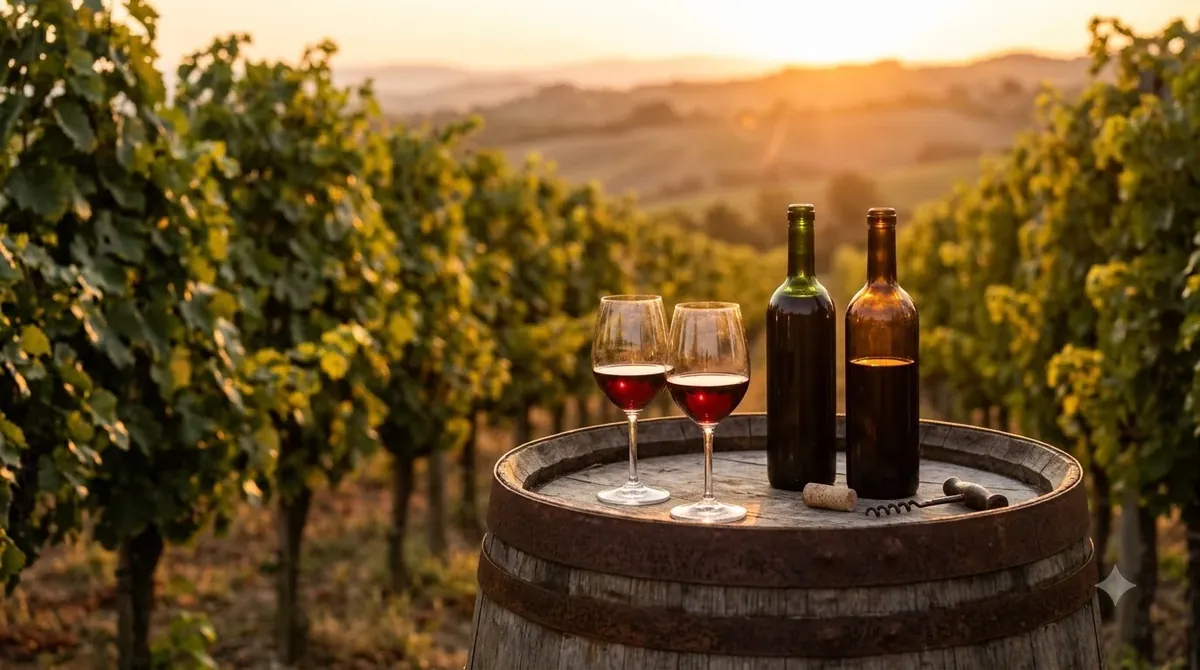
The winery farms vineyards across Napa Valley and sources fruit from several named sub-appellations and single sites. The official website lists single-vineyard Cabernet Sauvignon from places such as Calistoga, Yountville, Diamond Mountain, and Mount Veeder, which shows how much the brand leans on the valley’s different soils and elevations.
The Sterling Vineyards lineup and what each tier means
The lineup is organized in tiers, and the tier name on the label tells you more about the wine’s intent than the vintage alone. The core Napa Valley bottling is the most widely available. Reserve and Platinum bottlings sit higher in the range and are built from selected lots. Single-vineyard wines are the most specific, because they show one site rather than a blend from across the valley. The table below gives a simple way to read the labels.
| Tier or bottling | What it usually means | Best way to think about it |
|---|---|---|
| Napa Valley bottling | Blend drawn from several Napa Valley vineyards | The house style, and the easiest to find |
| Reserve | Selected lots that the winemaking team considers more concentrated | A step up for a special dinner or a gift |
| Platinum | The top red bottling in the range, from carefully chosen blocks | For aging and for guests who know Cabernet well |
| Single vineyard | Fruit from one named site such as Diamond Mountain or Mount Veeder | Good for comparing how place changes the wine |
| Chardonnay and Sauvignon Blanc | White wines from the winery’s cooler sites and blends | Useful when the table needs something other than red |
Tip: Look for the vintage, appellation, and tier together on the label. A Napa Valley bottling and a single-vineyard bottling from the same year can taste quite different, so compare like with like when you shop.
How Sterling Vineyards wines usually taste
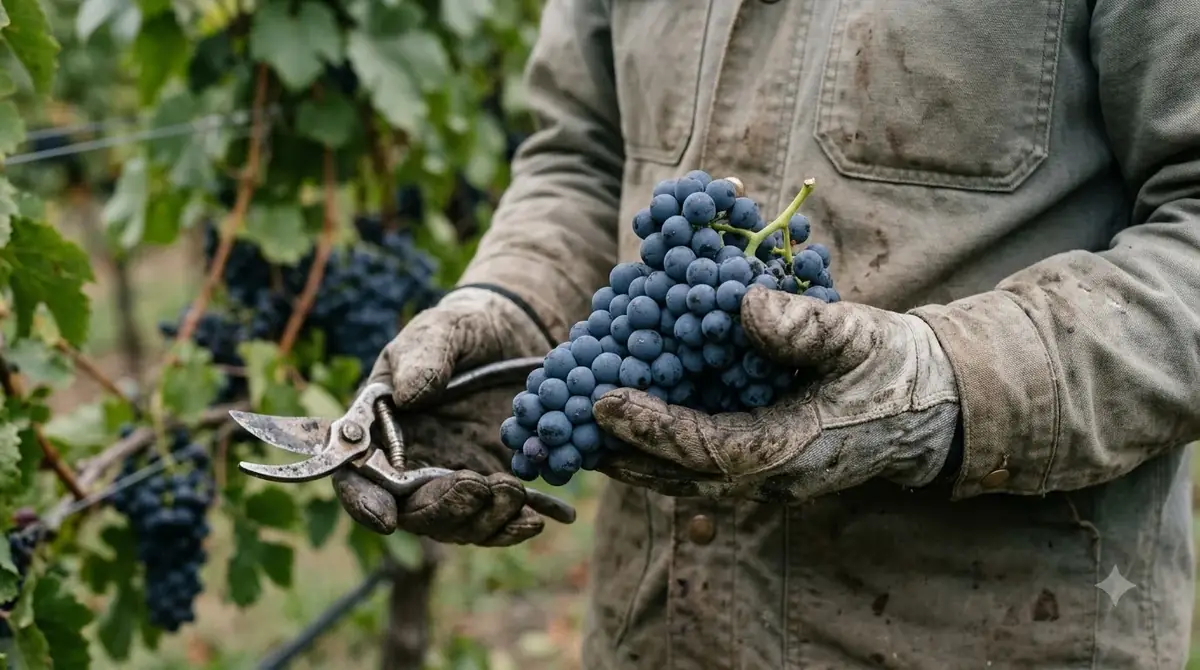
Most Sterling reds lean toward the Bordeaux model of structure, with firm tannins, dark fruit, and oak that adds spice and vanilla notes. Cabernet Sauvignon is the anchor of the range, and it tends to show blackcurrant, plum, and cedar, with a finish that stays dry rather than sweet. The Cabernet Franc and Merlot bottlings sit on a softer, redder fruit profile, which many drinkers find easier to approach on a weeknight.
The white wines take a different route. Chardonnay from the brand is generally more about freshness and texture than a heavy, buttery style, and the Sauvignon Blanc aims for citrus and herb notes. Neither is meant to compete with the reds, which is why the whites often serve better as a pre-dinner glass than as a companion for a long meal.
How a wine tastes also depends on its age and how it was stored. A young Cabernet can taste tight and tannic for several years, and a reserve bottle may need time before it opens up. If you are opening a bottle that is only a few years old, a short decant or an extra hour in the glass can soften the grip and let the fruit come forward.
How to serve and pair Sterling Vineyards wine
Serving temperature makes a bigger difference than most people expect. Red Cabernet is usually best a little below room temperature, around 60 to 65 degrees Fahrenheit, so the alcohol does not dominate and the fruit stays clean. Chardonnay and Sauvignon Blanc should be chilled but not ice cold, because very cold white wine hides aroma. A standard wine glass with a wide bowl gives the reds room to open up.
For food, Cabernet pairs well with grilled or roasted beef, lamb chops, mushroom dishes, and aged hard cheeses, since the tannins cut through fat and salt. Merlot suits roast chicken, pork, and tomato-based pasta dishes. The white wines work with seafood, roast chicken with herbs, and goat cheese salads. These are general guidelines, so trust your own palate if a combination seems off.
You do not need a special occasion to open these bottles, but they do reward a little planning. A reserve Cabernet is a natural choice for a dinner party or a gift, while a regular Napa Valley bottling works for a casual dinner. If you enjoy comparing styles, a short side-by-side tasting of two tiers of Cabernet is one of the clearest ways to learn what the brand is doing.
Visiting the Sterling Vineyards estate
The estate is one of the more distinctive stops in Napa Valley. Visitors reach the hilltop by a gondola ride from the parking area, which is part of the experience and a reason many people choose this winery over others on the same road. The tasting programs run on reservation, and the winery describes several experiences that include views, food and wine pairings, and a tour of the property.
When you plan a visit, book ahead, especially on weekends and during the harvest season. The official site lists the current tasting options, the wine club, and the events calendar, and these change from year to year. Check the website before you go, rather than relying on older guides, since the experiences on offer can change.
A visit also helps you understand the brand. Walking the grounds and seeing the vineyards that feed the single-vineyard bottlings gives context that a shelf label cannot. If you are only choosing a bottle for dinner, you can skip the trip and still enjoy the wine at home.
Who Sterling Vineyards wine suits and who might skip it
Sterling is a good fit for drinkers who like a structured, classic Napa Cabernet and who want a label that is widely available across the United States. It also suits people who want to explore one brand across several tiers, from an everyday Napa bottling up to reserve wines, because the range makes it easy to compare.
It may be less appealing if you prefer lighter, fruit-forward wines with low tannin, or if you are looking for a small, handcrafted producer with a very limited release. Some drinkers find big Napa Cabernet heavy with dinner on a warm evening, and in that case a lighter Pinot Noir or a crisp white from a cooler region may be a better choice. Neither style is a mistake, just a different preference.
For a wider view of the brand landscape, the wine brands guide places Sterling next to other large and small producers. If you want a lighter, mass-market contrast to a Napa Cabernet, the barefoot wine range shows how a very different style and price approach can serve a different occasion.
Frequently Asked Questions
Is Sterling Vineyards wine a good choice for a first Napa Cabernet?
Yes, many people start with the Napa Valley bottling because it gives a clear sense of the house style without the cost and intensity of the top reserves. Try it with a steak or a hearty pasta to see whether you like the structure and oak.
Where is Sterling Vineyards located?
The winery is in Calistoga, at the northern end of Napa Valley in California. Visitors reach the estate by a gondola ride from the parking area up to the hilltop buildings and tasting rooms.
What is the difference between Reserve and Platinum on a Sterling label?
Both sit above the core Napa Valley bottling and are made from selected lots. Platinum is generally the top red in the range and is intended for longer aging, while Reserve offers a step up in concentration for special meals. Check the current winery description for the exact specifications of each release.
How should I serve Sterling Vineyards Cabernet Sauvignon?
Serve the red slightly below room temperature in a wide glass, and open a young bottle about thirty minutes before pouring or decant it briefly. The wine works well with grilled beef, lamb, and aged cheese.
Sterling Vineyards wine is a reliable place to start if you want a classic Napa Valley style with a clear tier structure and an easy-to-find label. Pick a bottling that matches the meal, serve it at the right temperature, and if you are ever near Calistoga, the estate is worth a visit. For more context, browse the wine brands guide and compare it with other producers.
More in Wine Brands
 Underwood Wine Price: Compare Bottles, Cans, and Pack SizesUpdated Nov 21, 2026
 Zenato Wine Price: Compare Styles and Choose the Right BottleUpdated Nov 21, 2026
 Zuccardi Wine Price: Compare Bottles and Find the Right RangeUpdated Nov 21, 2026
 Yellow Tail Moscato Review: Taste, Sweetness and Serving TipsUpdated Nov 21, 2026
 Wolf Blass Yellow Label Review: Choose Your Best StyleUpdated Nov 21, 2026
 Wolffer Estate Rose Review: Choose the Right Bottle for Your TableUpdated Nov 21, 2026