

We may earn a commission when you buy through links on this page, at no extra cost to you. Learn more.
The answer to how many glasses of wine get drunk depends on the pour, the wine and the person, but federal researchers say four drinks for women or five for men within about two hours typically raises blood alcohol concentration to 0.08 percent. A US standard drink is about 5 ounces of table wine at typical strength. Because pours in restaurants and at home are often larger, the number of glasses that affects you can be lower than many people expect.
This guide explains what counts as one glass, how standard drink guidelines work, and why body weight, pour size and wine strength all change the picture. It also covers the warning signs of drinking too much so you can pace yourself with confidence.
What Counts as One Glass of Wine
A single glass of wine is not always a single standard drink. In the United States, a standard drink is defined as any beverage containing about 14 grams, or 0.6 fluid ounces, of pure alcohol. The NIAAA core resource on defining too much alcohol describes 5 ounces of table wine at about 12 percent alcohol by volume as one of the common examples of that amount.
That 5-ounce benchmark is smaller than many glasses poured in restaurants. The NIAAA notes that larger wine glasses can encourage larger pours, so a generous serving may contain two standard drinks or more. Measuring 5 ounces at home is a practical way to learn what a standard pour looks like before you estimate what you are being served.
Wine strength also changes the count. Table wine ranges from about 5 percent to 16 percent alcohol, according to the same federal guidance, so two glasses with the same volume can contain very different amounts of alcohol. Check the label for the alcohol by volume figure whenever it is listed.
How Many Glasses Lead to Intoxication
The short answer for most adults is that intoxication builds faster than people expect. The NIAAA states that binge drinking, which brings blood alcohol concentration to 0.08 percent or more, typically happens when a woman has 4 or more drinks, or a man has 5 or more drinks, within about two hours. For a standard 5-ounce pour, that means roughly four or five glasses in a short window.
A full bottle makes the math clearer. According to NIAAA guidance, a 750 ml bottle of table wine holds about five standard drinks, and a bottle at 14 percent alcohol holds nearly six. A single bottle shared between two people can therefore put each person close to the binge range if it is consumed quickly.
Intoxication is not a fixed number for everyone. The same glass count can affect a lean person and a larger person differently, and it can affect someone who has eaten and someone who has not. Treat the binge threshold as a baseline, not a target, and remember that less is safer for everyone.
Factors That Change How Fast Wine Affects You
Several factors change how quickly wine affects you. The most important ones are how much you drink, how fast you drink it and how often. The NIAAA says these three factors together shape both the immediate risk of impairment and the longer-term health risks.
- Body weight: Heavier bodies generally spread alcohol through more water, so the same drinks tend to produce a lower concentration than in a lighter person.
- Sex: The NIAAA explains that women have proportionally less body water than men, so a woman and a man of the same weight who drink the same amount will often have a higher concentration in the woman.
- Pace: Drinking several glasses in an hour raises blood alcohol concentration much faster than spacing the same drinks across an evening.
- Food: A meal slows absorption, but it does not cancel out the alcohol you have already consumed.
- Medications and health conditions: Some medicines and conditions make alcohol more dangerous, so check with a doctor or pharmacist if you are unsure.
Tolerance can also be misleading. People who seem to handle alcohol well may still be impaired, and the NIAAA cautions that a high tolerance is a reason for caution, not a sign of safety. Feeling fine does not mean you are below the level where driving or other tasks become risky.
Blood Alcohol Content Explained
Blood alcohol content, often shortened to BAC, measures the share of alcohol in your bloodstream. It is the number used by law enforcement and in many driving laws. The 0.08 percent level mentioned by federal researchers is the legal driving limit in the United States, which is why it appears so often in alcohol guidance.
BAC rises when you drink faster than your body can process alcohol. It falls slowly over time, and the rate is not something you can speed up with coffee, a cold shower or food after the fact. Once alcohol is in your system, time is the only reliable way it leaves your body.
You cannot see or feel your BAC accurately at home. Impairment can start before you feel drunk, which is why the safest approach is to plan ahead. If you plan to drive, arrange a ride or another way home before the first glass rather than after the third.
Wine Strength and Pour Size Matter
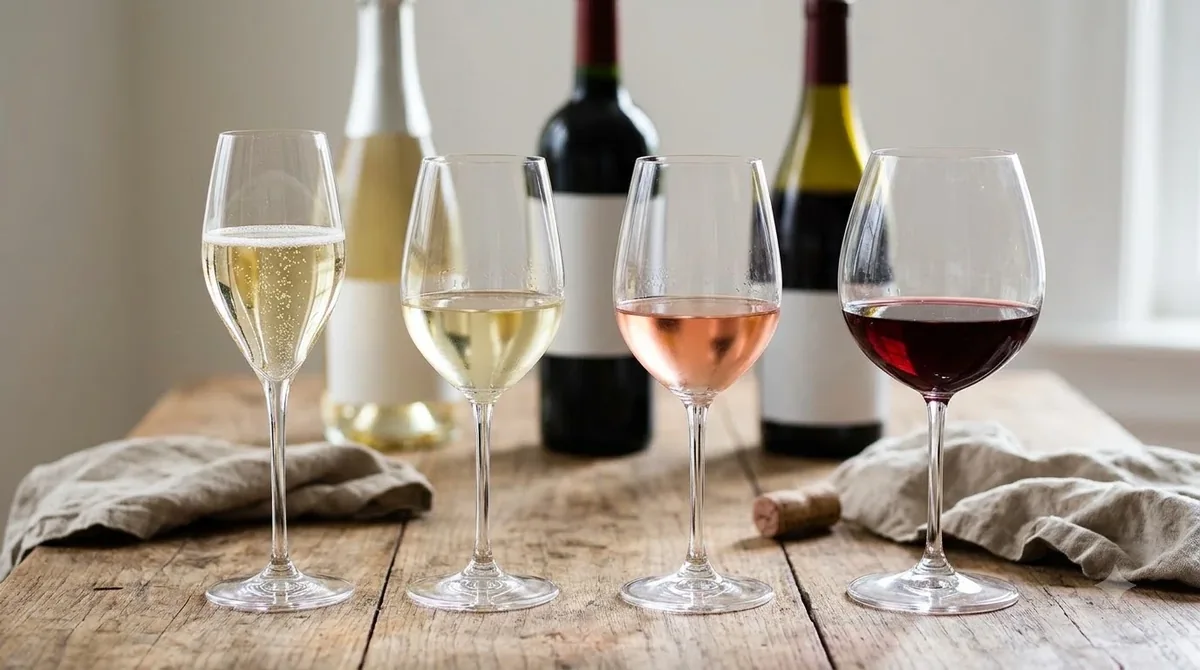
Two glasses of wine are not always equal. Wine strength and pour size interact, so a stronger wine poured generously can deliver far more alcohol than a lighter wine served in a measured glass. The table below compares common pours using the standard drink benchmarks shared by the NIAAA.
| Serving | Approximate standard drinks | What changes the count |
|---|---|---|
| 5 oz pour of table wine at about 12% ABV | 1 | This is the standard benchmark |
| 750 ml bottle of table wine at about 12% ABV | About 5 | A regular bottle split across several people |
| 750 ml bottle at about 14% ABV | Nearly 6 | Higher strength adds alcohol per ounce |
| Large restaurant pour | Often more than 1 | Bigger glasses encourage bigger pours |
The table shows why the glass count is only part of the answer. A bold red that runs toward the top of the typical strength range can carry more alcohol than a light, crisp white in the same glass. Pour size is just as important, because an extra two ounces in every glass adds up quickly over an evening.
To estimate your intake, measure your pour once at home and compare it to the bottle label. Pay attention to the alcohol by volume figure, and count each glass against the standard drink benchmark rather than the number of times you refilled. This simple habit makes the count far more accurate than guessing by eye.
Signs You Have Had Too Much and How to Pace Yourself
Impairment usually shows up in judgment, balance and coordination before it becomes obvious to others. Common early signs include slurred speech, slower reactions, and trouble with memory or tasks that need focus. The NIAAA lists falls, burns, car crashes and memory blackouts among the acute risks of binge drinking.
If someone is confused, vomiting repeatedly, hard to wake, or breathing slowly, treat it as an emergency and call 911 right away. Do not leave the person alone, and do not assume they will sleep it off. Calm, quick action matters more than waiting to see how they feel.
Pacing helps you stay in control. Alternate wine with water, eat before and during drinking, and set a limit before you pour. Many people find it easier to stop when they decide the number ahead of time instead of deciding while already impaired.
Frequently Asked Questions
How many glasses of wine get a person drunk?
There is no single number for everyone. Federal guidance says four drinks for women or five for men within about two hours typically raises blood alcohol concentration to 0.08 percent. A standard drink is about 5 ounces of table wine, so pour size changes the answer a lot.
Is a large restaurant glass of wine one standard drink?
Often it is not. Larger glasses encourage larger pours, and a generous serving can contain more than one standard drink. Measuring 5 ounces at home helps you estimate what you are being served when you eat out.
Does wine strength change how many glasses affect me?
Yes. Table wine can range from about 5 percent to 16 percent alcohol, so a stronger bottle contains more alcohol per glass. Check the label for the alcohol by volume figure and count your drinks with that number in mind.
Can I sober up quickly after drinking wine?
No. Blood alcohol falls slowly over time, and coffee, cold showers or food do not speed up that process. The only reliable approach is to stop drinking, drink water, and avoid driving until enough time has passed.
Knowing how many glasses of wine get you drunk starts with knowing your standard drink size and your own limits. For more background on wine basics, visit the Wine Q&A section, and if you are counting calories too, read how many carbs in a glass of wine.
More in Wine Basics
 Which Rose Is Best for Your Taste, Budget, and Food PairingsUpdated Nov 21, 2026
 Is Cheap Wine Bad? How to Find Bottles Worth DrinkingUpdated Nov 21, 2026
 What To Write On A Wine Gift Tag: Thoughtful Messages For Every OccasionUpdated Nov 21, 2026
 Which Wine Is Best For Weight Loss? Compare Lower-Calorie ChoicesUpdated Nov 21, 2026
 What Is The Best Wine For Mimosas? Choose Bubbly That Balances Orange JuiceUpdated Nov 20, 2026
 Which Prosecco Is Best for Your Taste and OccasionUpdated Nov 20, 2026