

We may earn a commission when you buy through links on this page, at no extra cost to you. Learn more.
Cabernet Franc food pairing works best when you match the wine’s herbal, peppery, and red-fruit character with dishes that share its acidity, such as tomato sauces, roasted meats, and herb-forward vegetables. The grape’s medium body and high acidity make it flexible at the table. Lighter Loire-style bottles suit simpler, fresher meals, while fuller New World versions handle richer roasts and smoky barbecue.
This guide shows how to pair Cabernet Franc with everyday American meals. It explains which flavors to look for, which proteins and vegetables work well, and which combinations to skip. If you already drink other reds, the same logic applies, and you can compare it with our merlot food pairing notes.
What Makes Cabernet Franc Unique
Cabernet Franc is distinctive for its aroma and its range across climates. One bottle can taste herbaceous and bell-pepper-like, while another tastes rich and dried-fruit driven.
According to Wine Folly’s Cabernet Franc grape guide, the variety produces good-quality wine in many climates. Cooler sites tend to give tart red fruit and violet notes, while warmer sites bring dried fruit and cayenne-like spice. That range is why the grape adapts to so many dishes.
The herbaceous and pepper character comes from aroma compounds called methoxypyrazines. Wine Folly notes that a related compound also appears in Sauvignon Blanc, which helps explain the green, savory edge. For food, those herbal notes are the main reason to match it with dishes that include fresh or dried herbs.
Cabernet Franc is also a parent of Cabernet Sauvignon and Merlot, so its flavors show up in many blends. You can enjoy it as a single varietal or as a supporting player in a Bordeaux-style blend.
Key Flavor Profiles to Know Before Pairing
Before you choose a bottle, look at its acidity, tannin, body, and aroma. These four traits guide most good matches. Cabernet Franc usually has high acidity and moderate tannin.
Cooler-climate wines carry slightly lower tannin than warmer ones, according to Wine Folly. A Loire bottle feels brighter and lighter on the palate, while a warm-climate bottle feels fuller and more structured.
| Style | Typical flavors | Food direction |
|---|---|---|
| Loire Valley (cool climate) | Sour cherry, raspberry, dried oregano, sweet pepper | Lighter meats, goat cheese, tomato dishes |
| Bordeaux and Right Bank blends | Savory, tart, herbal, floral notes | Roasted meats, herb-based sauces |
| Tuscany (warm climate) | Black cherry, cocoa, plum, leather | Rich roasts, wild game, hearty stews |
| Sierra Foothills, California | Strawberry, mint, roasted jalapeño, baking spice | Barbecue, burgers, spiced dishes |
| Colchagua Valley, Chile | Black cherry, green peppercorn, milk chocolate | Grilled meats, bean and lentil dishes |
Serving temperature matters too. Wine Folly suggests serving Cabernet Franc just below room temperature, between 60 and 68°F (15 to 20°C). Cooler service keeps the aromas lifted, which helps the herbal notes stand up to food. Fuller bottles often benefit from decanting for about 30 minutes, according to Wine Folly’s Cabernet Franc wine guide, which says decanting softens the spice.
Best Meats and Proteins for Cabernet Franc
Medium-bodied Cabernet Franc pairs well with roasted and grilled proteins. The best matches echo its herbs and acidity without overwhelming the wine.
Lighter Loire-style bottles suit chicken, turkey, and leaner cuts of pork. Roast chicken with thyme or rosemary is a natural fit, and a holiday turkey with herb stuffing also works. Keep sauces simple so the wine’s red fruit stays visible.
Fuller bottles from Bordeaux and Italy handle roasted lamb and wild game, according to Wine Folly. Their tannin and warmer fruit stand up to richer, fattier meats. A herb-crusted roast or braised short ribs makes a satisfying dinner with a Tuscan-style bottle.
Smoky barbecue deserves a mention. Wine Folly points out that vinegar-based sauces, including smoky barbecue, pair well because of the wine’s high acidity. A Sierra Foothills bottle with roasted jalapeño notes can match pulled pork or spicy sausage.
Vegetarian and Cheese Pairings
Cabernet Franc works with many vegetable dishes, especially those built on tomatoes, herbs, and smoky char. Cheeses with tangy or herbal profiles are a strong match too.
Wine Folly highlights tomato-based dishes and rich vegetables such as black beluga lentils. Eggplant parmesan is a good example, because the tomato sauce and the wine share bright acidity. Herbed lentil stews also suit fuller versions of the wine.
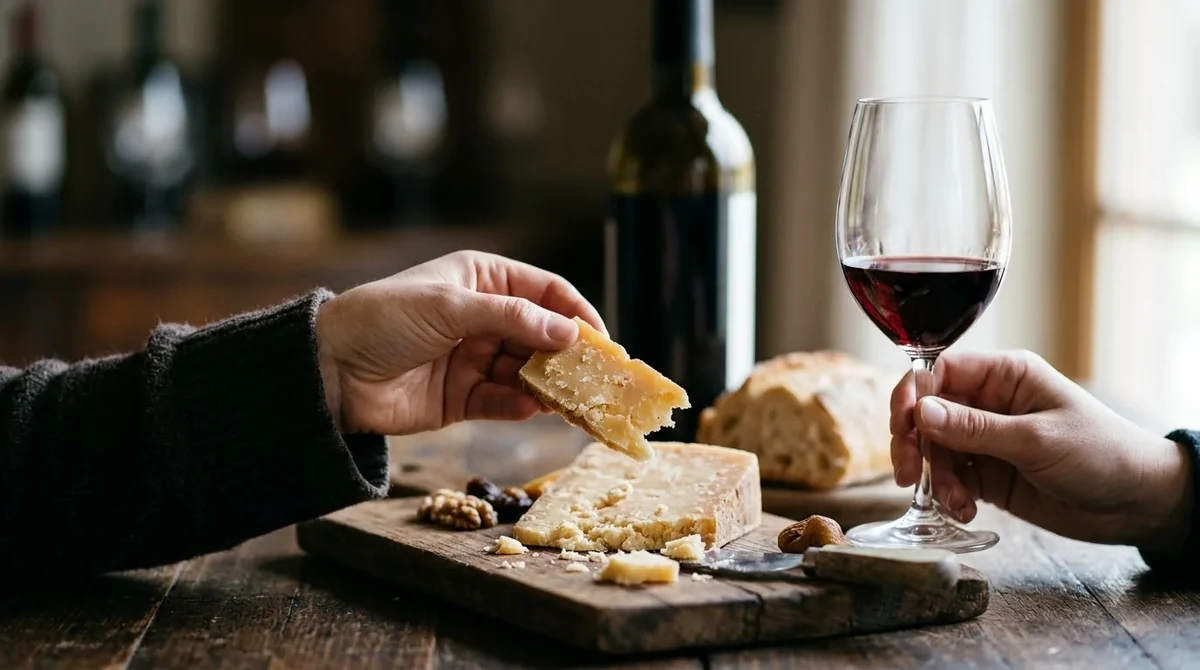
For cheese, Loire-style bottles pair with goat cheese, according to Wine Folly. A fresh goat cheese salad with herbs and sliced tomato keeps the match light. Aged hard cheeses with nutty notes suit a fuller, oak-aged bottle better.
Roasted vegetables with herbs fit the grape’s green, peppery side. Roasted peppers, grilled zucchini, and charred onions bring out the savory notes. Add fresh basil or oregano to the dish, since real herbs are the closest match to the wine’s aroma.
Pairing by Style: Loire Valley vs. New World
The biggest difference in food matching comes from climate and style. Loire bottles are lighter and brighter, while New World bottles are riper and more full-bodied.
Loire Valley Cabernet Franc, especially from Chinon, has high acidity and moderately low tannin. Wine Folly describes flavors of sour cherry, smoky tomato, and dried oregano. Those traits suit light dinners like roast chicken, tomato pasta, and goat cheese plates.
New World bottles from Tuscany, California, and Chile are fuller. According to Wine Folly, Tuscan examples bring mocha and plum with moderately high tannin, and they are often aged in French oak. A New York bottle from the North Fork is described by its producer as full-bodied with smooth tannins, suited to any substantial meat dish.
Where the bottle comes from matters less than its style. Check the label or the producer’s description to see whether the wine is light or bold, then choose food to match. The Wine Pairing hub on this site covers general matching principles.
Pairings to Avoid
A few combinations clash with Cabernet Franc’s acidity or herbal lift. Knowing them helps you avoid a harsh or flat glass.
Very delicate fish dishes and light salads with mild dressings can be overwhelmed by the wine’s tannin and pepper. Sweet desserts also tend to make a dry red taste thin. Spicy dishes with high heat can make the alcohol feel hotter, so off-dry whites often suit those meals better. Our gewurztraminer food pairing guide covers that style.
Be careful with very sugary barbecue glazes too. Wine Folly notes that vinegar-based sauces pair well, but thick, candy-sweet glazes can dull the fruit. Choose a tangy sauce over a syrupy one.
Tip: Taste a small bite of food with a sip of wine before you serve. If the wine tastes sharp or flat, adjust the dish or switch to a bottle of a different style.
Frequently Asked Questions
What food goes best with Cabernet Franc?
Roasted or grilled meats, tomato-based dishes, herb-forward vegetables, and goat cheese are strong matches. Lighter bottles suit chicken and fresh cheeses, while fuller bottles suit roasts and hearty stews.
Should I decant Cabernet Franc before dinner?
Fuller-bodied wines benefit from decanting, and Wine Folly suggests about 30 minutes can soften the spice. Lighter Loire styles usually need little or no decanting.
Is Cabernet Franc good with pizza?
Tomato-based pizza can work, since tomato dishes pair well with the wine’s acidity. Choose a lighter bottle and add fresh herbs to keep the match balanced.
What temperature should I serve Cabernet Franc at?
Wine Folly recommends serving it just below room temperature, between 60 and 68°F (15 to 20°C). Cooler service keeps the aromas lifted and the alcohol less prominent.
Cabernet Franc is one of the easier reds to match with food, because its acidity and herbal lift fit so many dishes. Start with a lighter Loire bottle and a simple roast or tomato dish, then try fuller styles as you learn your preferences. Drink responsibly and pace your glasses with the meal.
More in Food & Wine Pairing
 Risotto With White Wine Recipe: Make a Creamy Dinner at HomeUpdated Nov 20, 2026
 Wassail With Wine Recipe for a Festive Spiced Holiday DrinkUpdated Nov 20, 2026
 Spritz Veneziano Recipe: Make a Classic Venetian Aperitivo at HomeUpdated Nov 20, 2026
 Summer Wine Punch Recipe for Easy Homemade EntertainingUpdated Nov 20, 2026
 Bishop Recipe: How to Make a Bright, Citrus-Forward Red Wine CocktailUpdated Nov 20, 2026
 Wine Cupcakes Recipe: Bake Rich Chocolate Cupcakes at HomeUpdated Nov 20, 2026