

We may earn a commission when you buy through links on this page, at no extra cost to you. Learn more.
Stoneleigh wine is a New Zealand brand made in the Marlborough region, and it is best known for its crisp Sauvignon Blanc. The brand is produced by Delicato Family Wines and sits in the value-minded part of the New Zealand white wine market. Its citrus-driven style makes it a practical choice for everyday meals and casual gatherings.
This guide explains where Stoneleigh wine comes from, what gives its Sauvignon Blanc a recognizable character, and how to think about its range. It also covers food pairings, serving temperature, storage and a few alternatives to consider if you want to compare similar bottles.
What Is Stoneleigh Wine?
Stoneleigh is a wine brand that focuses on the Marlborough style of New Zealand white wine. Most people encounter it as a Sauvignon Blanc on a restaurant list or a grocery shelf. The name appears on bottles that are sold across the United States, and the brand is part of the portfolio of Delicato Family Wines.
Because the brand is built around one signature grape and one region, it is easy to understand what you are buying. You will generally find a clean, fresh profile rather than a heavy, oaky one. If you prefer a lighter white that still has plenty of aroma, this style is worth a look. Always check the front and back labels for the grape, vintage and region before you buy.
Marlborough Origins Behind the Brand
Stoneleigh’s identity is tied to Marlborough, the large wine region at the northeast tip of New Zealand’s South Island. According to the Marlborough wine region entry on Wikipedia, the region is New Zealand’s largest and produces a large share of the country’s wine. Its vineyards cluster around the town of Blenheim and the nearby Seddon area.
The local climate helps explain the style. Sources describe a sunny, warm summer and autumn, paired with cool nights from sea breezes. That temperature swing gives the grapes a longer ripening period, which can build more aromatic character. Free-draining gravel soils in the Wairau Valley add to the region’s reputation for crisp, expressive white wines.
Marlborough also holds a formal geographical indication, which sets rules for wines labeled with the region name. Those rules cover how grapes are grown and where the wine is bottled. Reading the label for the Marlborough name tells you the wine came from that specific production area.
Stoneleigh Sauvignon Blanc Style and Flavor
The Sauvignon Blanc is the core of the brand, and it shows the typical Marlborough profile. Expect bright acidity, citrus notes and a fresh, herbal edge. The finish is usually clean rather than heavy, which is why many drinkers reach for it on warm days.
A 2025 industry competition described the 2024 Stoneleigh Marlborough Sauvignon Blanc in its own words, noting zesty aromas of grapefruit, lychee and jasmine, and a crisp finish with lively acidity. The same judges highlighted its value for a wine of this style. You can read the full write-up on the Sommeliers Choice Awards news page.
| Trait | What to expect | Why it matters with food |
|---|---|---|
| Acidity | Lively and crisp | Cuts through rich or fried dishes |
| Fruit | Grapefruit, lime and tropical notes | Pairs with fresh salads and seafood |
| Aroma | Herbal, floral and sometimes grassy | Complements green vegetables and herbs |
| Body | Light to medium | Works well before or with a light meal |
| Finish | Clean with a slight fizz in some vintages | Refreshes the palate between bites |
Tip: Vintages change from year to year. Check the label for the year and compare tasting notes from current reviewers before you buy a specific bottle.
Stoneleigh Range, Pricing and Where to Buy
The range is organized around the Marlborough identity, so most buyers start with the Sauvignon Blanc. Stoneleigh is generally positioned as an accessible option for everyday drinking. Prices vary by store, state and season, so check the shelf price at your local retailer rather than relying on a fixed figure from any article.
When comparing bottles, look at the grape, region and vintage first. A wine from the same region but a different year can taste noticeably different. If you want to explore similar options from other brands, the 14 Hands Hot to Trot wine profile offers a different style to compare. You can also read about the Avaline white wine lineup for another approachable white.
For US shoppers, wine shops, large grocery chains and online retailers that ship to your state are the usual places to look. Availability depends on local distribution rules, so the shelf or the retailer’s website is the best guide. Some shoppers also compare against the Ariel wine range when they want a different value-focused white.
Best Food Pairings for Stoneleigh Wines
Sauvignon Blanc from Marlborough is a versatile food wine. Its acidity and citrus character suit dishes that are light, herbal or briny. The brand’s style works especially well when the meal has fresh flavors rather than heavy sauces.
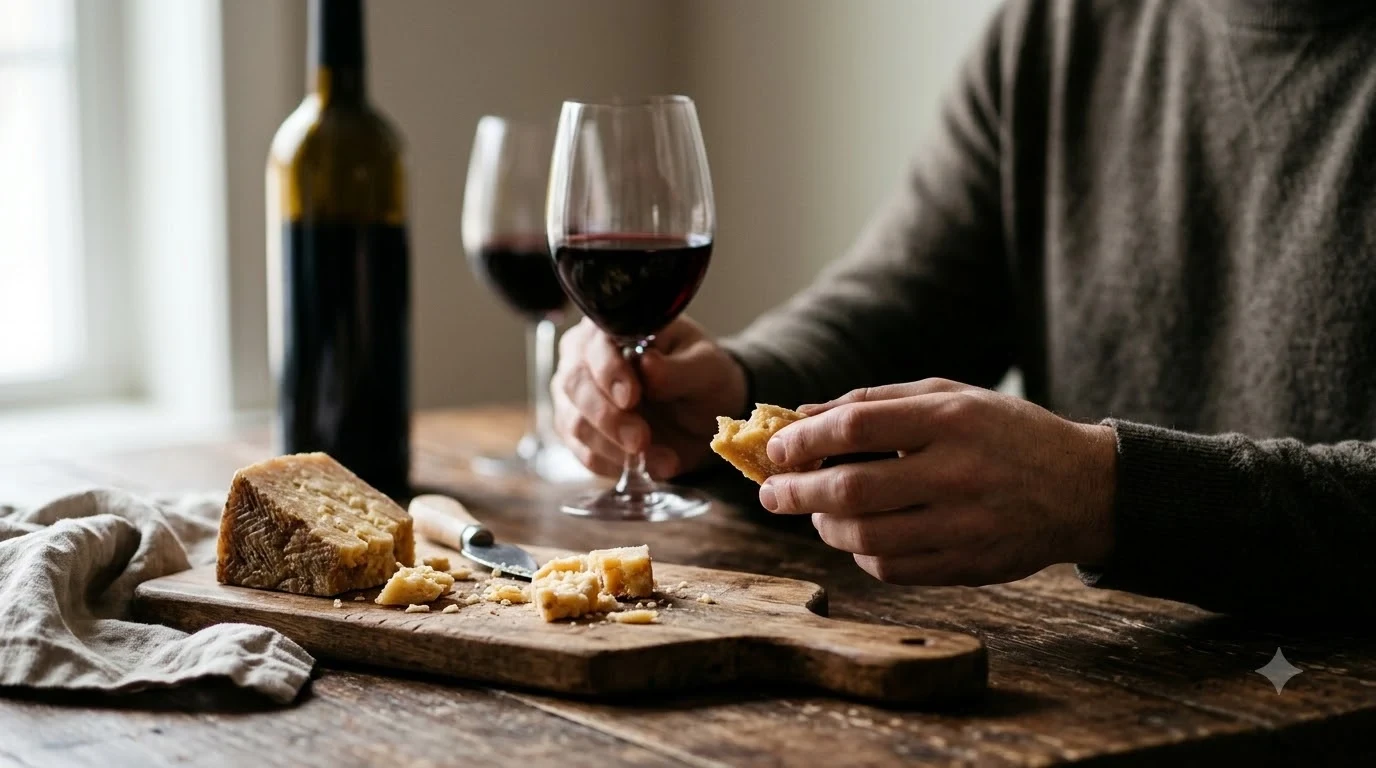
Good matches include goat cheese, fresh salads with vinaigrette, grilled chicken with lemon, and shellfish such as shrimp or oysters. Green vegetables like asparagus and green beans also pair well, since the herbal notes echo the flavors on the plate. Sushi and lightly seasoned Thai dishes are other natural partners.
Be cautious with very rich, buttery or heavily spiced foods. A bright, high-acid wine can taste thin beside a dish with strong fat or sweetness. For those cases, a fuller white or a sparkling option usually works better.

How to Serve and Store Stoneleigh Wine
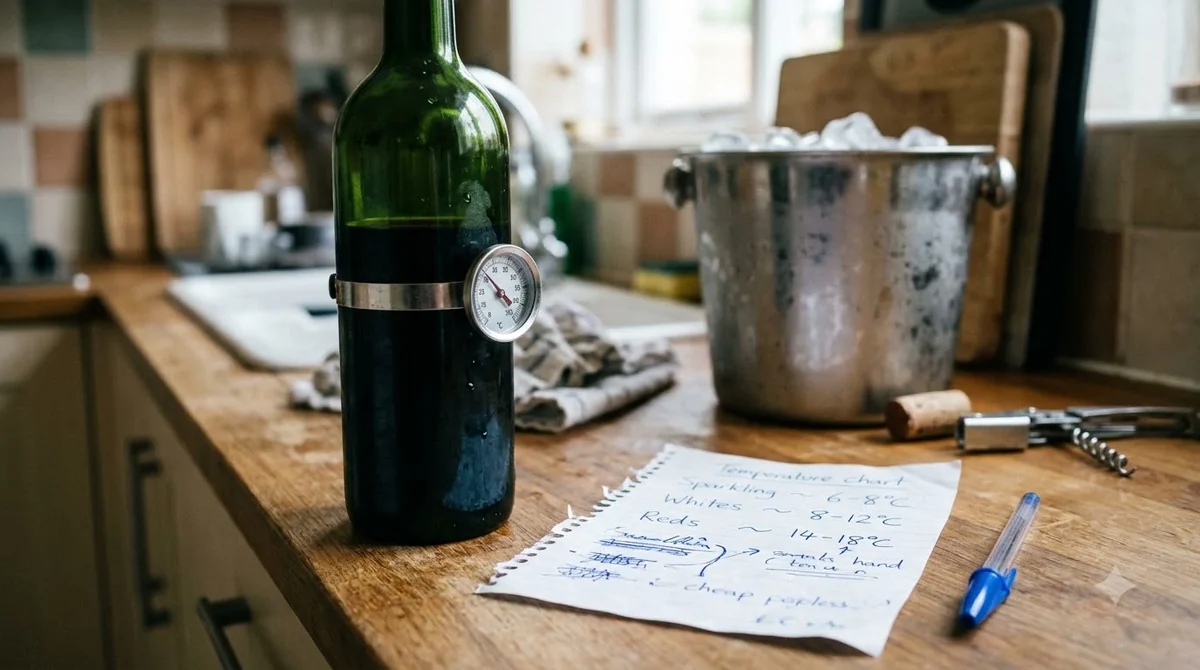
Serving temperature changes how a Sauvignon Blanc tastes. Most guides suggest chilling white wines well before pouring, but not to the point of numbness. Check the bottle or the winery’s technical notes for specific advice, since recommendations can differ by vintage.
- Refrigerate the bottle for a few hours before serving, or chill it in an ice bucket for a shorter time.
- Pour into a white wine glass with a moderate bowl so the aromas gather near the rim.
- Leave the glass out for a few minutes if it tastes too cold, since the fruit opens up as it warms slightly.
- Reseal the bottle with a stopper and return it to the fridge between pours.
For storage, keep unopened bottles in a cool, dark place away from heat and direct sunlight. Once opened, keep the wine refrigerated and drink it within a few days for the best freshness. Most young, fresh whites are meant to be enjoyed relatively soon after purchase rather than aged for years.
Always drink responsibly and plan transportation in advance. Wine is best enjoyed in moderation, especially at gatherings where others may be driving. If you are unsure about a specific serving or storage question, check the label or the producer’s website.
Frequently Asked Questions
Is Stoneleigh wine a Sauvignon Blanc?
Stoneleigh is best known for its Marlborough Sauvignon Blanc. The brand also appears on other wine styles, so check the label for the exact grape and vintage. The Sauvignon Blanc is the bottle most buyers look for first.
Where does Stoneleigh wine come from?
The brand is associated with the Marlborough region on New Zealand’s South Island. That region is known for cool nights and warm days, which help build aroma in white grapes. The label usually names Marlborough as the origin.
What foods go well with Stoneleigh Sauvignon Blanc?
Fresh salads, goat cheese, shellfish and lemony chicken are reliable choices. The wine’s acidity and herbal notes suit light, bright dishes. Avoid pairing it with very heavy, buttery sauces, which can overpower its crisp profile.
How should I serve Stoneleigh wine?
Chill the bottle well before serving and pour it into a white wine glass. Let it warm slightly in the glass if it tastes too cold. Reseal and refrigerate any leftovers, and check the bottle for the producer’s specific guidance.
Stoneleigh wine offers a clear, approachable introduction to Marlborough Sauvignon Blanc. Start with the Sauvignon Blanc, then compare notes as you explore other New Zealand whites. For more background on brands and their styles, visit the Wine Brands section.
More in Wine Brands
 Underwood Wine Price: Compare Bottles, Cans, and Pack SizesUpdated Nov 21, 2026
 Zenato Wine Price: Compare Styles and Choose the Right BottleUpdated Nov 21, 2026
 Zuccardi Wine Price: Compare Bottles and Find the Right RangeUpdated Nov 21, 2026
 Yellow Tail Moscato Review: Taste, Sweetness and Serving TipsUpdated Nov 21, 2026
 Wolf Blass Yellow Label Review: Choose Your Best StyleUpdated Nov 21, 2026
 Wolffer Estate Rose Review: Choose the Right Bottle for Your TableUpdated Nov 21, 2026