

We may earn a commission when you buy through links on this page, at no extra cost to you. Learn more.
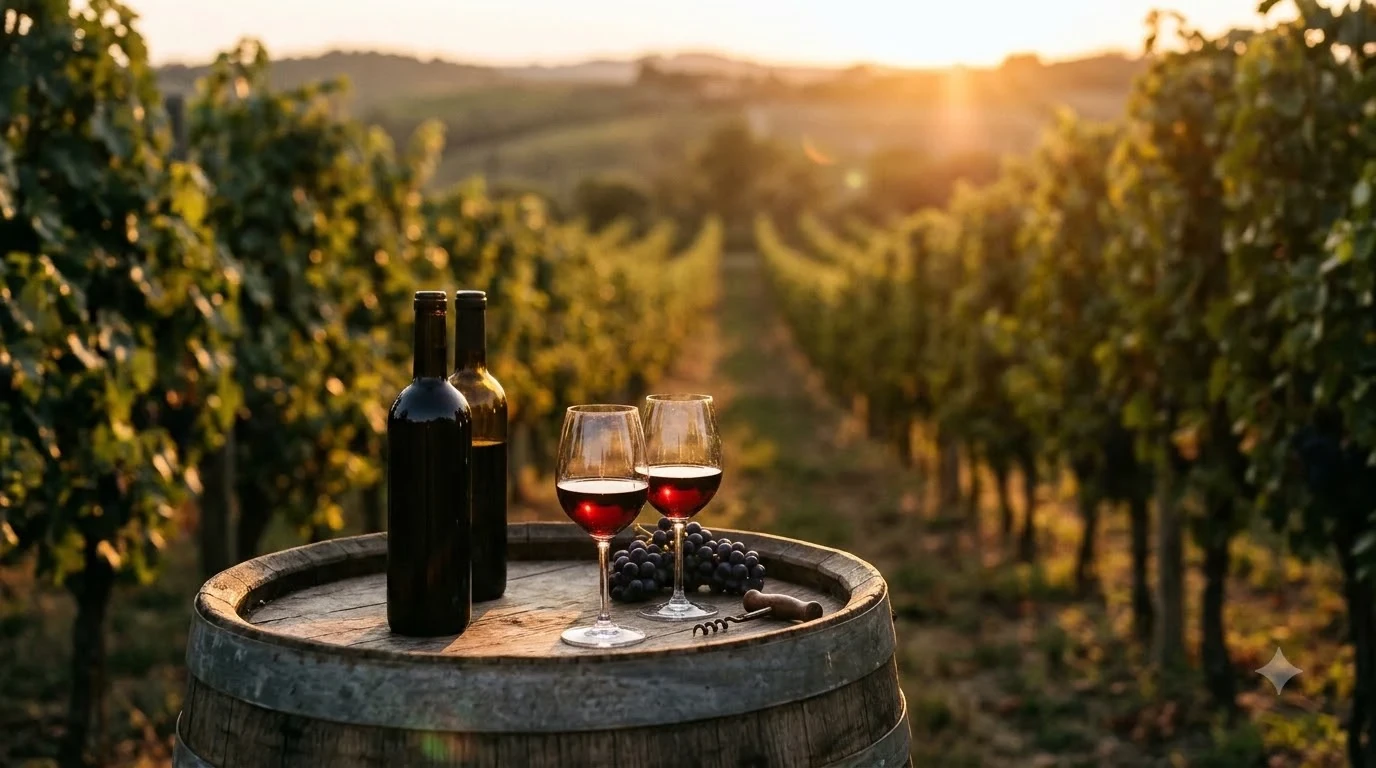
Simi Winery is a historic Sonoma County producer founded in 1876, best known for its Cabernet Sauvignon and Chardonnay. The estate draws on Alexander Valley and Russian River Valley vineyards, and it has operated from the same stone cellar in Healdsburg for well over a century. Its wines are widely distributed across the United States, which makes them easy to find at many retailers.
This guide explains where Simi Winery came from, which bottles are worth knowing, and how the reds and whites differ. It also covers food pairings, storage and serving habits, and where to look for the wines. If you are new to American wine brands, the advice below will help you choose a bottle with more confidence.
What Is Simi Winery?
Simi Winery is a California estate in Healdsburg, in the Sonoma County wine region. The winery is known for red Bordeaux-style grapes grown in the warmer Alexander Valley and for Chardonnay from the cooler Russian River Valley. Because of this split, the house style covers both bold reds and fresher whites.
According to the Wine Spectator profile of the estate, the winery is most closely associated with its Cabernets and Chardonnays, especially its reserve bottlings. The same profile notes that Simi also makes Merlot, Sauvignon Blanc, Shiraz and Zinfandel, so the lineup is broader than the two headline wines.
Simi also buys fruit from nearby districts to supplement its own vineyards. Sources describe grapes coming from Carneros, Dry Creek Valley and Knights Valley. For a buyer, this means the label can reflect several growing areas, so reading the appellation on the bottle tells you more about the wine than the brand name alone.
History of Simi Winery in Sonoma County
The estate dates to the 1870s, when two Italian brothers, Giuseppe and Pietro Simi, began making wine. Sources describe them as immigrants who arrived during the California Gold Rush. They started in San Francisco before moving operations to Healdsburg, where the family built the cellars that are still in use today.
Family leadership continued for generations. Giuseppe’s daughter, Isabelle Simi, ran the winery beginning in 1904. She kept making wine during Prohibition, which ran from 1920 to 1933, and she stored it in the stone cellars. Simi was one of the few California wineries to survive that period, though it had to sell most of its vineyards to do so.
The later decades brought ownership changes and a push toward national recognition. The winery changed hands several times, and in 1979 Zelma Long took over winemaking. Wikipedia credits her with modernizing the estate and raising its profile across the country. Today the brand is owned by Constellation Brands, as Wine Spectator and other references describe.
Signature Simi Wines to Try
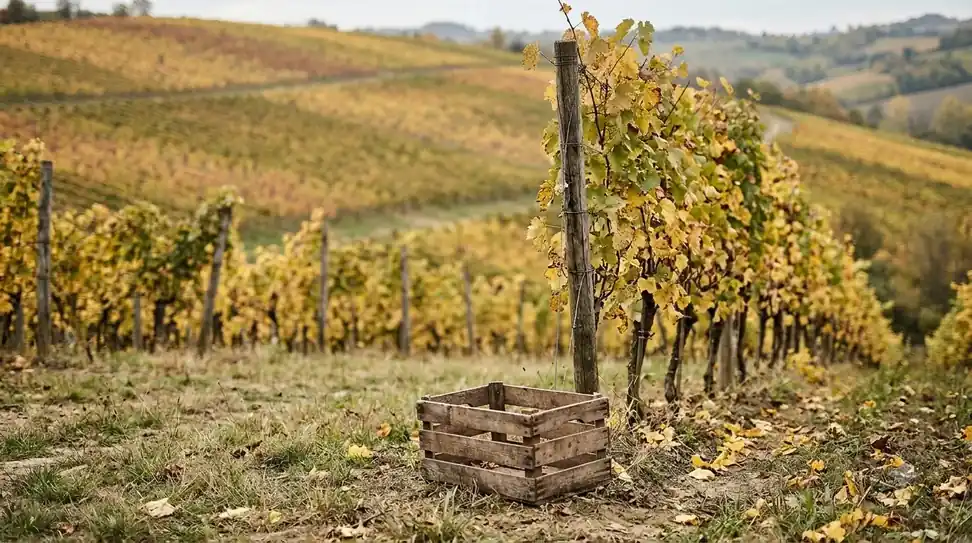
Simi’s reputation rests on a handful of core varieties. Cabernet Sauvignon is the flagship red, and the winery’s Alexander Valley fruit gives many of its reds a structured, firm character. Chardonnay is the leading white, and the Russian River Valley fruit supports a cooler, fresher profile.
Owners and critics often point to Simi Cabernet Sauvignon as the entry point for the brand. Its reserve and single-vineyard bottlings sit higher in the lineup. Check the label for the vintage, the appellation and whether the bottle is a reserve, because those details change the style more than the brand name does.
| Simi wine type | Where the fruit typically comes from | General style to expect |
|---|---|---|
| Cabernet Sauvignon | Alexander Valley | Full-bodied red with firm tannins |
| Chardonnay | Russian River Valley | Medium to full white with a cooler, fresher finish |
| Merlot | Alexander Valley and purchased fruit | Softer red with plum and dark fruit notes |
| Sauvignon Blanc | Purchased fruit from nearby districts | Crisp, lively white with citrus character |
| Zinfandel and Shiraz | Mixed sources | Ripe, spicy reds that vary by vintage |
Tip: Read the appellation and vintage on each label. Two bottles with the same name can taste quite different from one year to the next.
Simi Cabernet Sauvignon and Chardonnay Compared
Cabernet Sauvignon and Chardonnay are the two wines most shoppers compare first. They differ in color, body and how they are made. The red is built for structure and aging, while the white is usually more approachable soon after release.
The Cabernet is typically the richer, heavier wine. Expect darker fruit, a firm grip from the tannins and a longer finish. It suits roasted meats and hearty dishes. The Chardonnay tends to show more texture and a rounder mouthfeel, with orchard fruit and a touch of oak depending on the bottling.
For a quick choice, the table below sums up the main differences. Reviews and winery materials describe these traits in general terms, so use them as a starting point rather than a guarantee for every vintage.
| Question | Simi Cabernet Sauvignon | Simi Chardonnay |
|---|---|---|
| Color | Deep red | Pale to golden |
| Body | Full and structured | Medium to full |
| Best for | Hearty meals and cellaring | Lighter dinners and everyday sipping |
| Serving style | Decant if the bottle is young | Chill well before pouring |
If you are unsure, buy one bottle of each and compare them with the same meal. Many buyers find that the red and white show the range of the brand more clearly than either bottle does on its own.
Food Pairings and Serving for Simi Wines
Pairing works best when you match the weight of the wine to the weight of the food. Simi Cabernet Sauvignon pairs with grilled steak, lamb, mushroom dishes and aged cheeses. Its tannins soften when they meet protein and fat, which is why it often feels smoother at the table.
Simi Chardonnay suits roast chicken, pork, creamy pasta and seafood with butter or cream sauces. A lighter Sauvignon Blanc from the same producer works with salads, goat cheese and steamed vegetables. For Merlot, consider roast poultry and tomato-based dishes.
- Set the bottle upright for an hour or so before opening if it has been stored warm.
- Chill whites in the refrigerator, and check the label or the winery site for guidance on red serving temperature.
- Decant young reds for a short time to let them open up at the table.
- Pour moderate amounts and keep the bottle corked if you do not finish it.
Please drink responsibly. Pace your glasses, pour water between them and avoid driving after drinking.
Where to Find Simi Wine and How to Store It
Simi wines are distributed nationally, so most US shoppers can find them at larger wine shops, grocery chains and online retailers that ship to their state. Availability changes by region and by vintage, and some reserve bottlings sell out quickly. As of Nov 2026, check a retailer’s current stock rather than relying on older listings.
Store bottles in a cool, dark place with steady temperatures. Keep corks moist by storing bottles on their sides if you plan to age them. Avoid kitchens, garages and sunny windows, since heat and light can change the wine over time. The owner’s guidance on the winery website and the label itself are the best sources for aging notes.
Readers who want to compare other American brands can look at options like 14 hands hot to trot wine or avaline white wine to see how different producers approach style and price. For a broader overview of the category, the Wine Brands section lists more producers, and you can also read about ariel wine for a different take on the market.
Frequently Asked Questions
When was Simi Winery founded?
Simi Winery was founded in 1876 by the Simi brothers, Giuseppe and Pietro. Sources note that the family began in San Francisco and later moved to Healdsburg, where the stone cellars were completed in 1890 and are still used.
What is Simi Winery best known for?
The winery is best known for its Cabernet Sauvignon and Chardonnay. Wine Spectator describes the reserve wines as especially notable. The lineup also includes Merlot, Sauvignon Blanc, Shiraz and Zinfandel.
Is Simi Cabernet Sauvignon a full-bodied wine?
Simi Cabernet Sauvignon is generally described as a structured red with firm tannins. Its style can vary by vintage and bottling, so check the label and any tasting notes from the winery before you buy.
How should I store an open or unopened Simi bottle?
Store unopened bottles in a cool, dark place away from heat and light. Once opened, reseal the bottle and refrigerate it if it is a white or a light red. Drink opened wine within a few days for the best flavor.
Simi Winery offers a useful window into Sonoma County history and into the differences between Alexander Valley reds and Russian River Valley whites. Start with one Cabernet Sauvignon and one Chardonnay, compare them at the table, and take notes on what you prefer. Your own comparison will tell you more than any summary.
More in Wine Brands
 Underwood Wine Price: Compare Bottles, Cans, and Pack SizesUpdated Nov 21, 2026
 Zenato Wine Price: Compare Styles and Choose the Right BottleUpdated Nov 21, 2026
 Zuccardi Wine Price: Compare Bottles and Find the Right RangeUpdated Nov 21, 2026
 Yellow Tail Moscato Review: Taste, Sweetness and Serving TipsUpdated Nov 21, 2026
 Wolf Blass Yellow Label Review: Choose Your Best StyleUpdated Nov 21, 2026
 Wolffer Estate Rose Review: Choose the Right Bottle for Your TableUpdated Nov 21, 2026