

We may earn a commission when you buy through links on this page, at no extra cost to you. Learn more.
Santa Rita wine comes from Viña Santa Rita, a Chilean winery founded in 1880 in the Maipo Valley that is known for approachable bottles across several price tiers. Its best-known everyday label is 120, while the range also includes premium reds such as Casa Real. The winery covers a wide mix of styles, so the right bottle depends on what you want to drink.
This guide explains where Santa Rita wine comes from, which product lines are worth knowing, and which grape varieties the winery uses. It also covers how to pick a bottle, how to pair it with food, and how to buy and store it at home.
What Is Santa Rita Wine?
Santa Rita wine is made by one of Chile’s best-known producers. The brand sits under the Santa Rita name, and its wines range from simple everyday bottles to structured, age-worthy reds. Many people first meet the brand through its 120 label, which is sold in large volumes in Chile and abroad.
The winery sources grapes from several Chilean regions rather than from one estate. That means a Santa Rita wine can reflect different soils and climates depending on the line. According to the winery’s own description, this approach highlights place and balance across its tiers.
For a quick mental model, think of the portfolio as three layers. Entry wines are built for easy drinking, reserve wines add more structure, and top-tier bottles aim for a strong sense of origin. Knowing which layer a bottle belongs to helps you set realistic expectations before you open it.
History of Santa Rita Winery in Chile
The winery traces its roots to the nineteenth century, when Domingo Fernández Concha set it up on his family estate in the Maipo Valley. Like many Chilean estate owners of that period, he looked to France for vine cuttings and winemaking ideas. That French influence still shows in the style of some of the brand’s red wines today.
The estate also has a historical story that the brand uses in its labeling. The 120 name honors soldiers who sheltered at the property during Chile’s independence struggle. Visitors who tour the grounds can see the historic house and chapel that date from that era.
The Claro family became part of the story in 1980, when Ricardo Claro acquired the winery. Under the group’s ownership, the brand expanded its portfolio and invested in newer winemaking methods. Over the following decades, the winery built a reputation for both large-volume wines and premium bottles, which is why it appears on shelves at many different price points.
Popular Santa Rita Wine Lines and Bottlings
The Santa Rita portfolio is large, so it helps to know the main names before you shop. Each line has a different purpose, from easy weeknight wines to collector-style reds. The table below summarizes the lines most often mentioned in winery and trade descriptions.
| Line or bottling | What it is known for |
|---|---|
| 120 | The brand’s entry-level range in a wide mix of white, rosé and red styles |
| Secret Reserve | Fruity, easy-drinking reds, with one white in the range |
| Medalla Real | Classic varieties from well-suited regions, launched in the early 1980s |
| Casa Real | An old-vine Cabernet Sauvignon from Maipo with careful oak use |
| Triple C | A Bordeaux-style blend led by Cabernet Franc, with extended time in new oak |
| Pewën de Apalta | A concentrated Carmenère from dry-farmed old vines in Colchagua |
| Floresta | Elegant, experimental wines from different terroirs and techniques |
| Bougainville | A full-bodied Petite Sirah with a little Syrah |
The 120 line is the best place to start if you want a dependable everyday bottle. The Medalla Real range sits one step up and is often chosen for dinners where you want a more classic style. Casa Real and Triple C are the richer, longer-aging choices for people who enjoy big reds.
Floresta is a different kind of bottle. Its wines are described as more experimental, with some white blends that are co-fermented with their skins and left unfiltered. If you like natural-style whites or want to explore something unusual, this line is worth a look.
Grape Varieties Used by Santa Rita
The winery works with a broad set of grapes, and that variety is part of its identity. Red varieties such as Cabernet Sauvignon, Merlot, Carmenère and Syrah appear across many regions. White wines usually feature Chardonnay and Sauvignon Blanc, while some lines also use Pinot Noir.
Cabernet Sauvignon is the backbone of the premium reds, especially in Maipo, where the warm days and cooler nights help the grapes ripen evenly. Carmenère, a variety long associated with Chile, appears in the Colchagua-based reds. Petite Sirah and Cabernet Franc add structure and dark fruit to the blends.
Cooler coastal and valley sites bring a different style. Sauvignon Blanc and Pinot Noir from cooler areas tend to show brighter acidity. If you want to understand what a grape tastes like before you buy, the South America Wine Guide profile lists the main varieties by valley, which makes it easier to match a bottle to your taste.
Where Santa Rita Wine Is Made and Sold
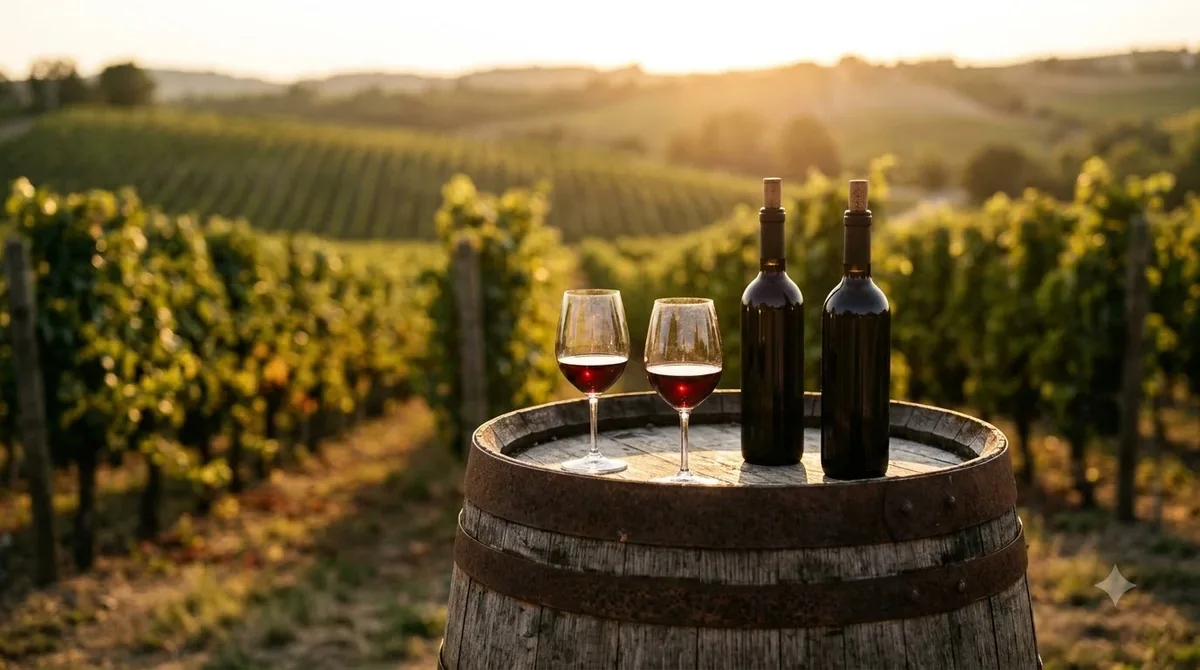
Santa Rita wine is grown in several Chilean valleys, including Limarí, Casablanca, Leyda, Maipo, Colchagua and Curicó. Each valley has its own soils and climate, so the same grape can taste different from one bottle to the next. The main estate in Alto Jahuel sits in the Maipo Valley, just outside Santiago.
The brand is sold far beyond Chile. The company’s own profile says its wines are available in more than 50 countries. Because distribution varies by market, check your local wine shop or retailer for what is stocked near you.
Visitors can also see the wines at the source. The estate offers tours and tastings, a restaurant, a museum and a hotel in a historic house. Tour details and opening days change, so check the winery’s website before you plan a visit.
How Santa Rita Compares to Other Chilean Wine Brands
Chile has many wine brands, and Santa Rita stands out for its size and range. It covers everyday wines, reserve tiers and top-end reds under one umbrella. Many smaller Chilean producers focus on a single valley or a single grape, which gives them a narrower but more specialized range.
Santa Rita is also known for consistency. Its entry-level and mid-tier wines are built to taste similar from year to year, which many shoppers value when they want a familiar bottle. Smaller producers may vary more between vintages, and that variation can be part of their appeal for experienced drinkers.
If you are weighing Chilean labels against wines from other countries, the same logic applies. Compare the tier, the grape and the region on the label. For a look at a different producer with a similar name, the guide to santa cristina wine explains that Italian house, which can help you see how the styles differ.
Food Pairings for Santa Rita Wines
Pairing starts with the style of the bottle. Lighter whites and rosés suit fish, salads and soft cheeses, while fuller reds go better with grilled meat and rich sauces. The right match depends on how much body and tannin the wine has.
For the 120 whites and Sauvignon Blanc, try grilled fish, goat cheese or a fresh tomato salad. Chardonnay from the cooler regions handles roast chicken or creamy pasta well. For the everyday reds, pair a Merlot or Cabernet blend with burgers, roast vegetables or a hearty pizza.
The bigger reserve and premium reds need richer food. Casa Real and Triple C pair well with beef, lamb or aged hard cheese, because their structure can stand up to fat and protein. Pewën de Apalta and Bougainville suit slow-cooked dishes and dark chocolate desserts. Serve these wines a bit below room temperature, and give them time to open in the glass.
How to Buy and Store Santa Rita Wine
Buying the right bottle starts with the line name and vintage on the label. Entry-level bottles are made for quick drinking, while reserve and premium bottles reward a few years of cellaring. Read the back label for the grape and region, since those details tell you more than the brand name alone.
- Decide whether you want an everyday wine or a special-occasion bottle.
- Choose the grape you enjoy most, such as Cabernet Sauvignon, Carmenère or Sauvignon Blanc.
- Check the region on the label to see whether the wine comes from a cooler coastal site or a warmer inland valley.
- Look at the vintage, and buy the newest release for drinking now.
- Store the bottle on its side in a cool, dark place, away from heat and strong vibrations.
Once opened, reseal the bottle and refrigerate it if it is a white or rosé. Most red wines can sit at a cool room temperature for a short time. For more background on brand families, browse the Wine Brands section before you decide.
Frequently Asked Questions
Is Santa Rita wine good for everyday drinking?
Yes, the 120 line and other entry-level bottles are designed for easy, everyday drinking. They are widely sold and tend to be approachable in style. For a more structured bottle, look at the reserve or Medalla Real tiers.
Which Santa Rita wine is the most well known?
The 120 label is the most widely recognized, because it is the brand’s entry-level line and sells in large volumes. Casa Real, an old-vine Cabernet Sauvignon from Maipo, is the best-known premium red. Both show different sides of the winery.
What grapes does Santa Rita use most?
The winery uses many varieties, with Cabernet Sauvignon, Merlot, Carmenère, Chardonnay and Sauvignon Blanc among the most common. Each grape is matched to a region that suits it. Check the label or the producer’s website for the exact blend in a specific bottle.
How should I store an opened bottle?
Reseal the bottle and keep it cool. Refrigerate opened white and rosé wines, since they hold their freshness better when cold. Reds are best kept cool and out of direct sunlight, and they are generally enjoyed within a few days.
Santa Rita wine offers a wide range, from simple everyday bottles to structured premium reds. Start with the line name, the grape and the region, then match the style to your meal. For more Chilean options, explore the producer guides linked above.
More in Wine Brands
 Underwood Wine Price: Compare Bottles, Cans, and Pack SizesUpdated Nov 21, 2026
 Zenato Wine Price: Compare Styles and Choose the Right BottleUpdated Nov 21, 2026
 Zuccardi Wine Price: Compare Bottles and Find the Right RangeUpdated Nov 21, 2026
 Yellow Tail Moscato Review: Taste, Sweetness and Serving TipsUpdated Nov 21, 2026
 Wolf Blass Yellow Label Review: Choose Your Best StyleUpdated Nov 21, 2026
 Wolffer Estate Rose Review: Choose the Right Bottle for Your TableUpdated Nov 21, 2026