

We may earn a commission when you buy through links on this page, at no extra cost to you. Learn more.
The best wine brands in the US depend on the style you enjoy, your budget, and the occasion, so the right choice starts with what you already like to drink. Sommeliers at Wine Spectator Restaurant Award winners often point newcomers toward producers that show a region and grape clearly. This page explains what makes a brand worth buying, names producers that appear in trade recommendations, and gives you a simple method for choosing at the store.
Many people search for wine brands because a shelf of unfamiliar labels feels overwhelming. A brand name alone rarely tells you what is in the bottle. Once you know which producers sommeliers recommend and why, the choice becomes much easier, and you can start building your own list of favorites.
What Makes a Wine Brand Worth Buying
A strong wine brand is consistent, clear about where its grapes come from, and honest about its style. Those qualities matter more than a famous name on the label. Sommeliers tend to recommend producers whose wines taste like their region rather than like a formula.
One theme that came up repeatedly in trade advice is the value of small, often family-owned producers. Several wine directors said these makers tend to let the vineyard and the region show through in the glass. That sense of place helps a drinker understand what a grape is supposed to taste like before trying more experimental bottles.
Consistency is another sign of a good producer. When you find a bottle you enjoy, look for the same producer in other vintages or in sister wines. A brand that stays recognizable from year to year makes it easier to learn your preferences and repeat a purchase with confidence.
Wine Brands to Explore by Style
The easiest way to narrow the field is to start with a style rather than a brand name. The table below lists producers that sommeliers named in Wine Spectator’s trade features, grouped by the kind of wine each one represents. Use it as a starting map, not a final ranking.
| Style you enjoy | Producer named by sommeliers | What to expect |
|---|---|---|
| Dry, aromatic white Riesling | Dönnhoff Estate Riesling Trocken | White pepper, apple and a mineral finish |
| Light to medium Pinot Noir | Domaine Pellé Les Cris, Menetou-Salon | Berry fruit with soft tannins and good acidity |
| Barolo from Italy | Giacomo Grimaldi | Very aromatic and tannic, with notes of rose and cherry |
| Burgundy Chardonnay style | Meursault from Domaine Buisson-Charles | Complex, layered white with a sense of village character |
| Oregon Chardonnay | Domaine Serene Clos de Lune, Dundee Hills | Crisp, chalky and understated with floral notes |
| Aromatic whites for beginners | Do Ferreiro Albariño, Cantina Tramin Gewürztraminer, Max Richter Monopol Riesling | Intense aromas and clear structure that are easy to recognize |
Notice that several picks come from classic European regions, while others come from Oregon. Sommeliers said a bottle from a well-known region is a useful reference point. Once you can recognize what a Barolo or a Riesling should taste like, you can judge newer and more experimental bottles more fairly.
Aromatic white wines are another practical starting point. Sommeliers noted that white wines are generally easier for newcomers to understand because they contain much less tannin than red wines. Strong aromas give beginners a clear anchor for describing what they taste.
If you prefer red wine, Pinot Noir and Barolo offer two very different entry points. Pinot Noir often feels softer and fruit-driven, while Barolo is firmer and more structured. Trying both side by side tells you a lot about whether you like delicate reds or bolder ones.
Premium Producers Worth Exploring Next
Premium producers are often the ones that show how a region works at its highest level. Sommeliers said they are worth exploring once you know the basics of a grape or style. Their bottles usually reward careful attention and a bit of patience.
Burgundy is a common recommendation for drinkers who want to understand site and place. Wine directors suggested moving from a village wine to wines from named vineyards, and then to higher-level sites. Those labels can be confusing at first, so check the wine’s label or the producer’s own website for details on the vineyard and village.
According to a Wine Spectator feature on sommelier gift picks for new wine drinkers, one wine director calls Barolo a good confidence-building wine. The same feature notes that its tannin is a defining trait. If you are not sure how a premium bottle will taste, start with a modest example from the same producer before committing to a larger purchase.
Gift and Entertaining Picks From Sommeliers
Wine brands are only part of a good gift or dinner party. Sommeliers also recommended small tools and glassware that make wine easier to enjoy. These picks work well when the recipient already has plenty of bottles.
Several wine directors named stemware as a thoughtful choice. One said a coupe glass works for everything from martinis to Champagne, which makes it useful for a host who serves different drinks. Riedel’s Veritas coupe was one example cited in the feature. A good glass changes the aroma and feel of a wine, so it is a practical gift for beginners.
Other picks were more playful. A spray stain remover designed for red and white wine was described as a helpful tool for busy hosts. A shower wine glass holder was offered as a lighthearted gag gift. For someone who likes to open rare bottles, one sommelier recommended a CO2 wine opener, which can be a lower-risk option for older wines.
Wine preservation tools can also appeal to enthusiasts. A wine director at a restaurant said he owns a device that lets pours come from a bottle without pulling the cork. Check the manufacturer’s instructions before using any preservation or opening device, since each one works differently.
How to Choose a Wine Brand at the Store
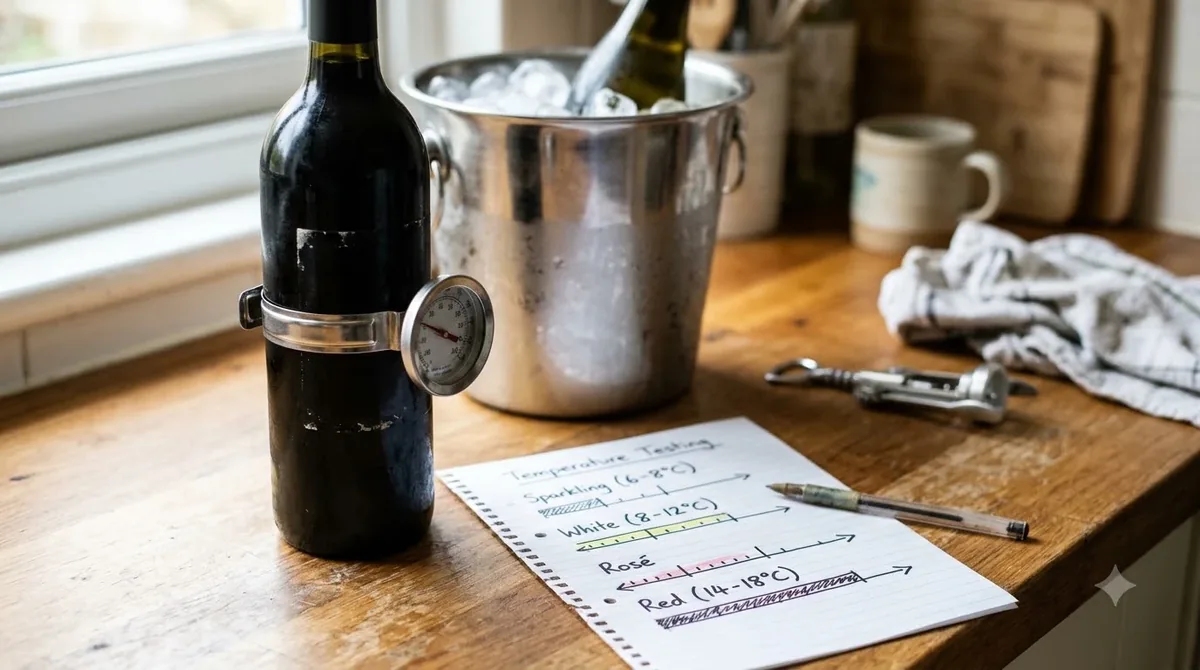
Shopping for a brand is easier when you follow a short routine. Focus on the style, the region and the producer, then check the back label for details. This approach works whether you shop in a large chain or a small wine shop.
- Decide which style you want first, such as crisp white, light red, sparkling or a fuller red.
- Look for a producer whose bottles match that style, using a trusted list or a knowledgeable shop employee as a guide.
- Read the back label. Sommeliers noted that it often lists the importer, the grapes and sometimes a website or QR code for more information.
- Take a photo of the front and back of the bottle so you can find it again if you enjoy it.
- Write down your impressions after tasting. Notes help you connect future bottles to what you already liked.
Tip: Buy one bottle from a producer you are curious about, then compare it with a second bottle from the same style. Two side-by-side tastings teach you more than reading ten labels.
For a broader overview of how to explore wine by category, visit the Wine Brands section of this site. If you already enjoy a crisp white, the guide to avaline white wine shows how a single style can differ from one bottle to another.
Frequently Asked Questions
Is there one best wine brand in the US?
No single brand suits every drinker. The best choice depends on the style you like, your budget and the occasion. Sommeliers often recommend starting with a style and then finding a producer that makes it well.
What wine should a beginner try first?
Many wine professionals suggest starting with a style you already enjoy, such as a dry Riesling, a light Pinot Noir or an aromatic white. Clear, expressive wines help you learn how to describe what you taste.
How do I read a wine label to choose a brand?
Look for the producer name, the region, the grape and the importer. Sommeliers said the back label often includes useful details. If you are unsure what a term means, check a reputable wine reference book or a trusted retailer.
Do expensive wine brands always taste better?
Not always. A higher price can reflect rarity, aging or demand rather than personal enjoyment. Many sommeliers recommend trying modest examples from respected producers before buying premium bottles. Your own taste is the best guide.
Choosing among wine brands in the US is easier once you focus on style and region rather than a famous name. Start with one or two styles you enjoy, try a few producers, and keep notes on what you like. Drink responsibly, and enjoy the process of discovering what suits your palate.
More in Wine Brands
 Underwood Wine Price: Compare Bottles, Cans, and Pack SizesUpdated Nov 21, 2026
 Zenato Wine Price: Compare Styles and Choose the Right BottleUpdated Nov 21, 2026
 Zuccardi Wine Price: Compare Bottles and Find the Right RangeUpdated Nov 21, 2026
 Yellow Tail Moscato Review: Taste, Sweetness and Serving TipsUpdated Nov 21, 2026
 Wolf Blass Yellow Label Review: Choose Your Best StyleUpdated Nov 21, 2026
 Wolffer Estate Rose Review: Choose the Right Bottle for Your TableUpdated Nov 21, 2026