

We may earn a commission when you buy through links on this page, at no extra cost to you. Learn more.
The Protocolo wine brand is a Spanish red from the Dominio de Eguren estate, made mainly from native Tempranillo grapes in Castilla-La Mancha. Retailer listings describe it as a 13 percent alcohol red with ripe cherry fruit, soft tannins and bright acidity. It is aimed at everyday drinking and casual dinners rather than cellar-worthy collecting.
This guide explains where the Protocolo wine brand comes from, how the wine tastes, which bottle sizes you may see, and what to eat with it. It also covers storage and a simple way to decide whether it fits your shopping list.
What Is the Protocolo Wine Brand?
Protocolo is the flagship red line from Dominio de Eguren, a Spanish producer. The name is attached to a Tempranillo-based red that producers position as an approachable, fruit-forward wine. It is a good example of a wine that sits between simple table reds and more expensive, oak-aged Spanish bottles.
The brand is best understood as a single style rather than a large family of wines. Most shoppers will encounter the Tinto version, which is the bottle that retailers list most often. Because the wine is labeled with a producer and region, it is easy to compare with other Spanish reds on the same shelf.
Origins and Winemaking Behind Protocolo
Dominio de Eguren is based in Spain’s Castilla-La Mancha region, and it was established in 2001 by the Eguren family. The family has a longer winemaking history rooted in Rioja, which helps explain the traditional Spanish approach to the wine. The estate is described as focused on expressing the character of its vineyard sites.
According to producer information quoted by a retailer, the estate grows old-vine Tempranillo and Garnacha at high altitudes. The stated philosophy centers on minimal intervention and sustainable viticulture. These are the manufacturer’s own claims, so treat them as the producer’s goals rather than independent verification.
The same producer also makes Códice and Clio wines, which reviewers in the Spanish category have praised for value and varietal character. If you enjoy the Protocolo style, those sister labels are worth a look. For background on how winemaking decisions shape the final bottle, the Wikipedia overview of wine explains fermentation, tannins and storage in plain terms.
Taste Profile and Grape Varieties
The Protocolo Tinto is built on Tempranillo, the signature red grape of Spain. Tempranillo wines generally show red fruit, earthy notes and a medium to full body. The Protocolo style leans toward ripe red cherry with a touch of wild herbs, which makes it feel lively rather than heavy.
Retailers describe the mouthfeel as supple, with soft tannins and lively acidity. That balance means the wine feels fresh on the palate and finishes without harsh grip. According to the Protocolo Tinto 750ml product listing, the wine is 13 percent alcohol by volume, a moderate strength for a red that is easy to enjoy over a meal.
| Feature | What listings report | What it means for you |
|---|---|---|
| Main grape | Tempranillo, with Garnacha in the estate range | Expect red fruit and earthy notes |
| Region | Castilla-La Mancha, Spain | A warmer, inland Spanish source |
| Alcohol | 13 percent by volume | Moderate strength for a red |
| Fruit | Ripe red cherry | Approachable, friendly profile |
| Tannins and acidity | Supple tannins, lively acidity | Smooth finish with some freshness |
Tempranillo is known for adapting well to oak. Some Spanish wines are aged in American or French oak, which can add vanilla and spice notes. Listings for Protocolo focus more on fruit and herbs, so do not expect the heavy oak character of a reserve-style Rioja.
Popular Protocolo Wines and Where to Buy Them
The bottle most often listed by retailers is the 750 ml Protocolo Tinto. A 1.5 liter format is also offered by at least one U.S. retailer, which is useful if you host larger groups. Sizes and availability change, so check the bottle in front of you before you buy.
Prices vary by store, state and season, so check current shelf or online pricing as of Nov 2026 rather than relying on older listings. Some retailers ship only to certain states, and alcohol shipping rules differ across the country. Confirm delivery options before you place an order.
If you prefer to browse Spanish reds, our Wine Brands section covers other producers. Shoppers who like a fruit-forward Spanish red often also compare it with other easy-drinking bottles, such as the 14 hands hot to trot wine style of bold, juicy red.
Food Pairings and How to Store Protocolo
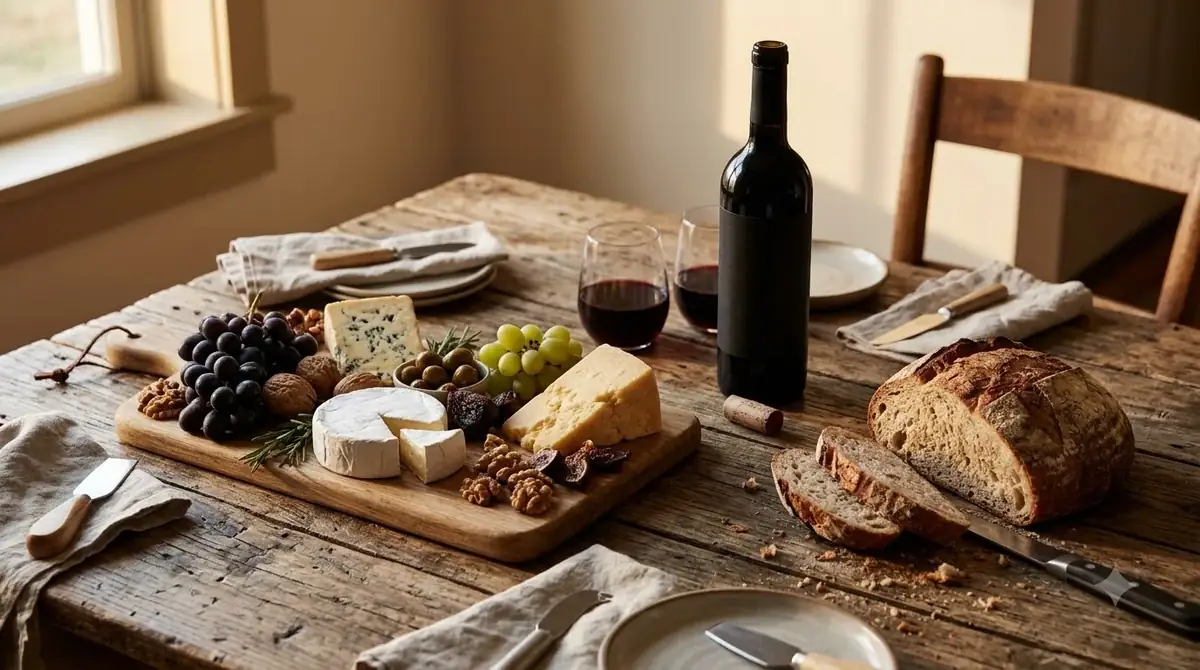
Retailer notes suggest pairing the Tinto with grilled lamb and nutty Manchego cheese. Those choices fit the wine well, because the fruit and herbs complement roasted meat and the acidity helps cut through richer cheeses. Tempranillo also works with paella, chorizo, aged cheeses and mushroom dishes.
For a simple home dinner, try grilled sausages, roasted vegetables with olive oil, or a platter of aged Spanish cheeses. Lighter dishes can work too, since the moderate alcohol and fresh acidity keep the wine from feeling heavy. A cool, not chilled, serving temperature helps the fruit show.
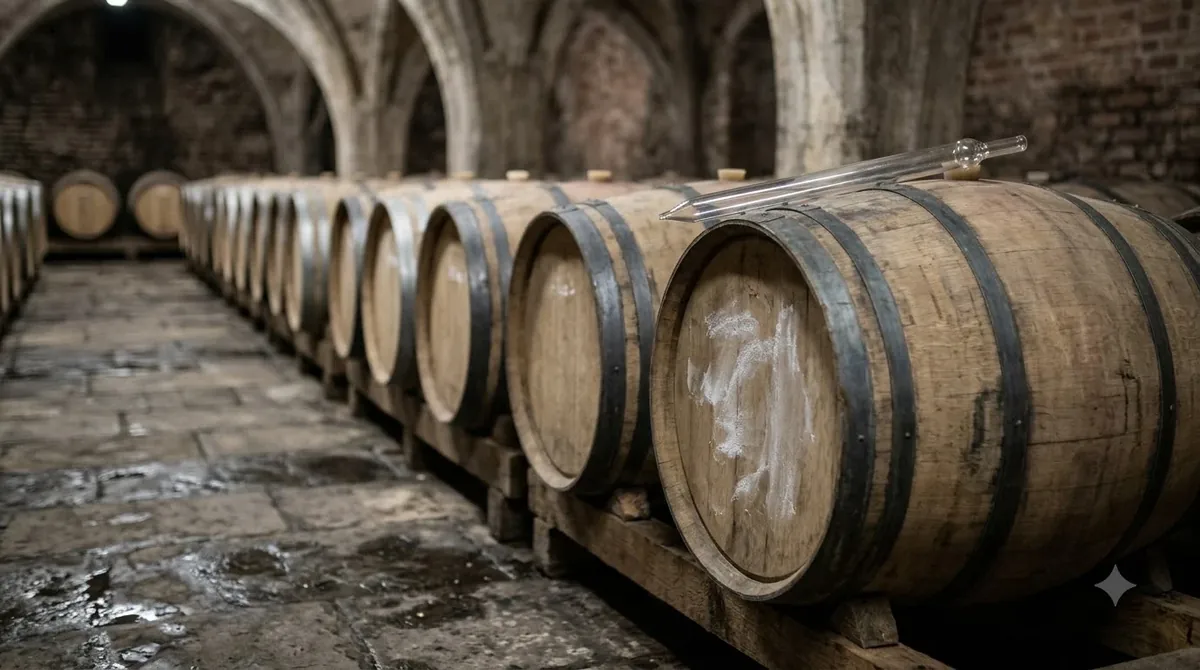
Storage matters for any wine you plan to keep. Wikipedia’s wine article notes that an ideal storage temperature is around 12 to 13 °C with humidity near 65 to 70 percent. Keep bottles away from strong light and heat, since those conditions can reduce quality over time.
Protocolo is made for drinking within a fairly short window rather than long aging. Store it somewhere cool and dark until you open it, and avoid leaving an opened bottle on a warm counter. Recork it and refrigerate it for a day or two if you do not finish it.
Is the Protocolo Wine Brand Worth Buying?
The Protocolo wine brand is worth considering if you want a fruity, food-friendly Spanish red with a moderate alcohol level. It suits weeknight dinners, casual gatherings and anyone who is exploring Tempranillo for the first time. Its straightforward profile makes it easy to share.
It may not be the right choice if you want a complex, heavily oaked reserve or a collectible bottle. Shoppers looking for a particular oak style should compare the tasting notes and choose a wine that matches that goal. Read the label and check the vintage, since producer information can change over time.
Drink responsibly and pace yourself with food and water. Enjoying a glass of wine with a meal is a pleasant way to taste a new bottle, and the best choice is the one that fits your budget and taste. Explore more of our Spanish and wine brand guides when you are ready to compare options.
Frequently Asked Questions
What grape is used in the Protocolo wine?
The Protocolo Tinto is made from native Tempranillo grapes, according to retailer product information. The estate range also references Garnacha grown at high altitudes. Tempranillo is the signature grape of Spain and gives the wine its red fruit and earthy character.
Where is the Protocolo wine made?
Protocolo is produced by Dominio de Eguren in Spain’s Castilla-La Mancha region. The estate was established in 2001 by the Eguren family, who have a winemaking heritage rooted in Rioja. Listings describe the wine as a central Spanish red.
How strong is Protocolo Tinto?
Retailer listings give the Protocolo Tinto an alcohol content of 13 percent by volume. That is a moderate level for a red wine. Always check the label on the bottle you buy, since details can vary by vintage.
What foods go well with Protocolo?
Retailer notes suggest grilled lamb and Manchego cheese. Tempranillo also pairs with paella, chorizo, aged cheeses and mushroom dishes. Its fresh acidity and soft tannins make it flexible for many everyday meals.
The Protocolo wine brand offers an easy-drinking Spanish red built on Tempranillo. Compare the bottle sizes, check current pricing in your state, and try it with a simple meal. If it suits your taste, explore the other Spanish labels in our wine brand guides.
More in Wine Brands
 Underwood Wine Price: Compare Bottles, Cans, and Pack SizesUpdated Nov 21, 2026
 Zenato Wine Price: Compare Styles and Choose the Right BottleUpdated Nov 21, 2026
 Zuccardi Wine Price: Compare Bottles and Find the Right RangeUpdated Nov 21, 2026
 Yellow Tail Moscato Review: Taste, Sweetness and Serving TipsUpdated Nov 21, 2026
 Wolf Blass Yellow Label Review: Choose Your Best StyleUpdated Nov 21, 2026
 Wolffer Estate Rose Review: Choose the Right Bottle for Your TableUpdated Nov 21, 2026