

We may earn a commission when you buy through links on this page, at no extra cost to you. Learn more.
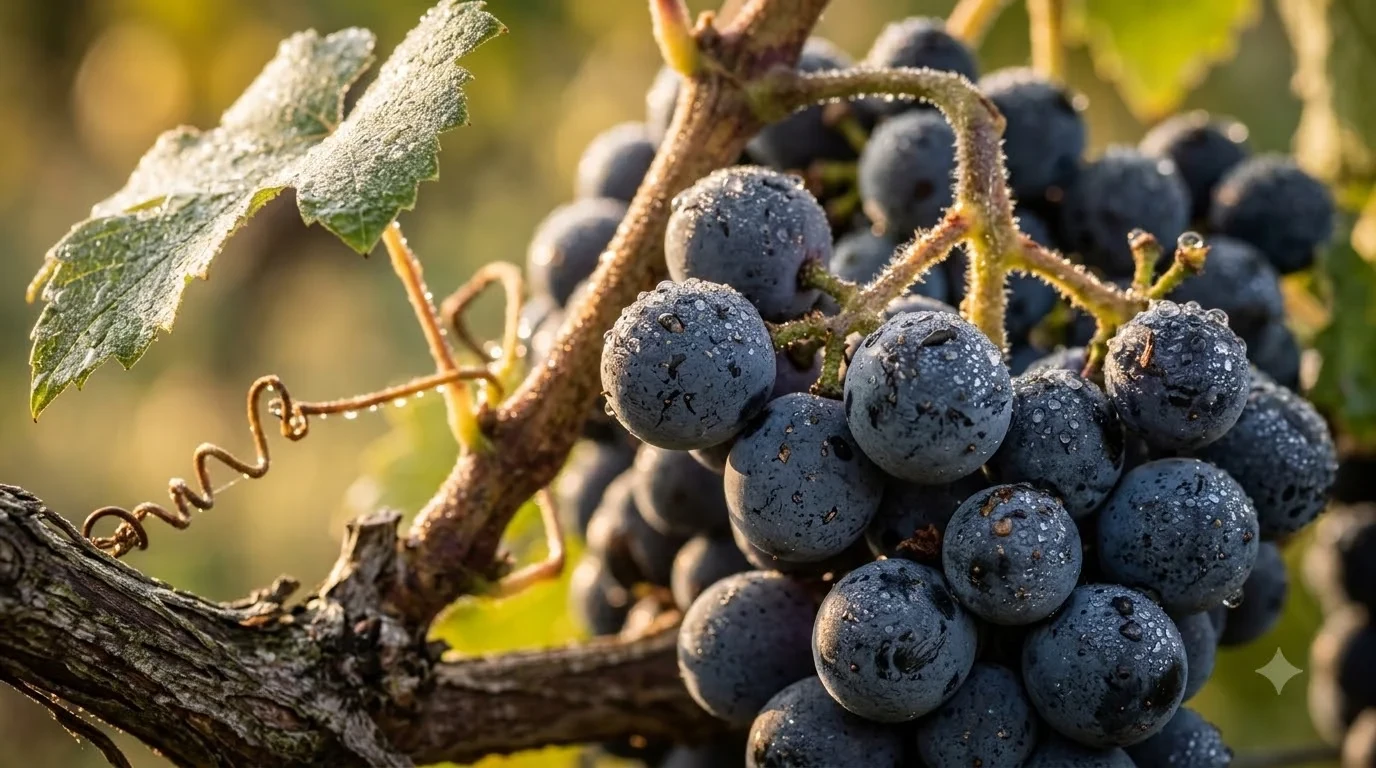
Planeta wine comes from Planeta, a Sicilian family winery with vineyards and estates across five parts of the island. The family business is known for Chardonnay, Nero d’Avola and a range of native and international grapes. Its wines are made from grapes grown in places like Menfi, Vittoria, Noto, Etna and Capo Milazzo.
This guide explains where Planeta came from, which estates produce which wines, and the grapes behind the bottles. It also covers how to pair these wines with food and where you are most likely to find them in the United States.
What Is Planeta Wine?
Planeta is a family-run producer based in Sicily, the largest island in the Mediterranean. The winery works with many grape varieties, from Nero d’Avola and Frappato to Chardonnay, Fiano and Carricante. Its style is modern but rooted in the island, which is why many drinkers see it as a bridge between Sicilian tradition and international wine.
The winery is also known outside wine. According to the Cellar Tours winery guide to Planeta, the family is almost as famous for its olive oils as for its wines. For most American shoppers, though, the question is simply which bottles are worth trying and how to choose among them.
The Planeta Family Estate and Its History
The company traces its roots to the Ulmo estate near Sambuca di Sicilia. Planeta is relatively new as a commercial winery, but the family has owned land on the island for generations. The Cellar Tours guide describes the Ulmo property as a place with vineyards, ancient olive groves and the ruins of an Arab castle.
Planeta was founded in the 1990s by cousins Alessio and Santi Planeta, along with their uncle Diego Planeta. Diego was already well known in Sicily for his work with the Settesoli wine cooperative. His daughter, Francesca, later joined the company. Alessio Planeta is listed as the winemaker today.
The company built its reputation on experimentation. According to the Wine Anorak visit report, Diego Planeta trialed dozens of grape varieties over the years. The family then matched grapes to soils in different parts of the island, which helped the brand stand out in a region once known mostly for bulk wine.
Sicilian Estates Behind Planeta Wine
Planeta now works across five Sicilian territories, and each one has a distinct role. The estates are spread across the island, so a single bottle often reflects one specific place. Knowing the estate helps you understand the style in your glass.
The winery’s hospitality team describes each estate as its own experience. Its page on Planeta’s Sicily winery experiences lists the properties and the services at each one. The table below summarizes the main estates and what they are known for, based on the sources.
| Estate | Territory | What it is known for |
|---|---|---|
| Ulmo | Menfi, near Sambuca di Sicilia | Family origin, first winemaking base and Chardonnay vineyards |
| Dispensa | Menfi | Central base for the company and its olive oil production |
| Monte Cirami | Menfi | Organic production of the four red wines in the high-quality range |
| Dorilli | Vittoria | Cerasuolo di Vittoria, the Nero d’Avola and Frappato blend |
| Buonivini | Noto | Nero d’Avola, the grape behind Santa Cecilia |
| Sciaranuova | Etna | Volcanic wines, including Carricante and Nerello Mascalese |
| La Baronia | Capo Milazzo | Mamertino DOC and Nocera |
Menfi is often described as the heart of the operation. Vittoria is the only place where the island’s DOCG red, Cerasuolo di Vittoria, is made. Etna adds high-altitude white and red wines from volcanic soils. Each zone gives the winery a different palette of grapes and climates.
Signature Planeta Wines and Grape Varieties
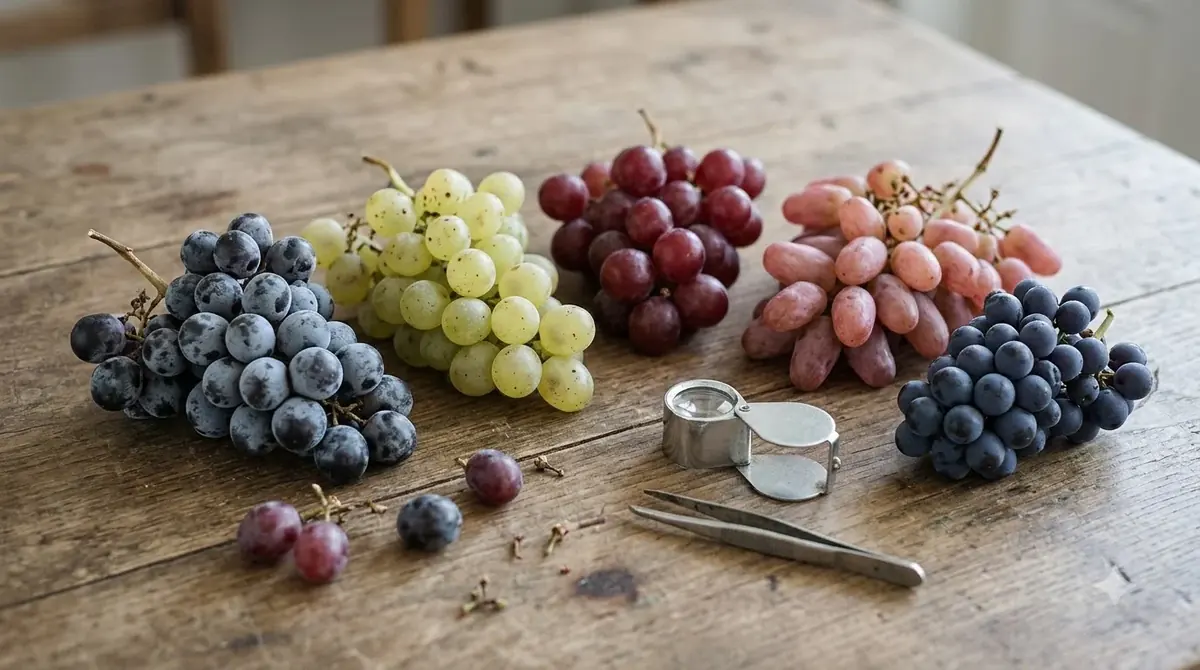
Planeta’s best-known bottles are built around a handful of grapes. Chardonnay became the first flagship wine that drew wide attention, according to the Cellar Tours guide. Nero d’Avola is the red grape that appears across several estates, from Noto to Vittoria.
The table below lists common Planeta bottles and the grapes they feature. Availability changes by market and vintage, so check the current label and retailer listing before you buy.
| Wine or grape | Color | Style in brief |
|---|---|---|
| Chardonnay (Menfi) | White | Rich and nutty when young, with more elegance in recent years |
| Alastro | White | Chardonnay blended with Grecanico, a Garganega relative |
| Cometa (Fiano) | White | Varietal Fiano with citrus, herb and nutty notes |
| Santa Cecilia | Red | Nero d’Avola from Noto, with dark fruit and spice |
| Cerasuolo di Vittoria | Rosé-style red | Nero d’Avola blended with Frappato, bright and aromatic |
| Eruzione 1614 Carricante | White | Etna Carricante with citrus and saline character |
| Etna Rosso | Red | Nerello Cappuccio from the volcanic slopes |
Carricante is Etna’s defining white grape, according to the grape notes on the Cellar Tours site. It keeps high acidity at altitude and can develop complexity in bottle. Fiano, which Diego Planeta brought to Sicily from southern mainland Italy, gives the winery a textured white with herbal and citrus character.
The Wine Anorak visit describes Planeta’s Chardonnay as the company’s most successful wine. Reviewers there noted that the style moved from rich and fat toward a more elegant, fresh profile. If you want to see how the house style has changed, the Chardonnay bottles are a good place to start.
Popular Planeta Bottles and How to Find Them
Most American drinkers meet Planeta through a few widely distributed labels. The best approach is to start with one white and one red, then compare. Pricing shifts with vintage, retailer and state rules, so no fixed cost is given here. As of Nov 2026, check a current shelf or online listing for your local price.
Start with Chardonnay for a rich white, or Cometa for a Fiano with more herbal lift. For a red, Santa Cecilia shows Nero d’Avola from Noto, and Cerasuolo di Vittoria gives a lighter, fresher option. Each of these reflects a different estate and grape, which makes them useful side-by-side comparisons.
Availability varies by state and by year. Search the producer name along with the wine name, and confirm the vintage on the label. If a bottle is hard to find, a broader overview of brands can help you pick a close alternative. Our Wine Brands hub covers other producers you may compare with Planeta, and our Avaline white wine page shows how a different white compares in style.
How to Pair and Serve Planeta Wines with Food
Planeta’s whites and reds suit Sicilian food because the wines were made for the same climate and ingredients. Crisp, fresh whites work well with seafood and salads, while the fuller whites handle richer dishes. The reds pair with grilled meats, tomato-based sauces and aged cheeses.
Serve whites cool but not ice cold, so the aromas stay open. Reds from warm climates often show better when they are lightly chilled, especially the Cerasuolo di Vittoria style. Pour a small amount first and let the wine open in the glass for a few minutes before you judge it.
- Pick a white with fresh acidity, such as Carricante or a lighter Fiano, for seafood and fried dishes.
- Choose a fuller Chardonnay for roast chicken, pasta with cream or soft cheeses.
- Match Nero d’Avola with grilled lamb, sausage or tomato sauces.
- Try Cerasuolo di Vittoria with salads, antipasti and lighter meat dishes.
Tip: Serve Planeta reds with food rather than on their own. Pair one glass per course and drink water between glasses to keep your pace relaxed.
Where to Buy and How to Store Planeta Wine
Planeta wines are usually sold through wine shops, online retailers and restaurant lists. Ask staff which vintage is on hand, since the same wine can differ from year to year. Check the label for the estate name and the appellation, which tell you where the grapes were grown.
Store bottles on their side in a cool, dark spot away from heat. Keep whites chilled in the refrigerator before serving, and drink reds at a cool room temperature. Corks dry out in warm rooms, so avoid storing wines near heaters or sunny windows.
If you plan to visit the estates, book ahead. The winery says its visits and tastings are by reservation only, and that its wineries are typically open from March 1 to October 31, Monday through Saturday morning. Check the current schedule before you travel, because hours can change.
Frequently Asked Questions
Who makes Planeta wine?
Planeta is a Sicilian family winery founded in the 1990s by cousins Alessio and Santi Planeta and their uncle Diego Planeta. Alessio Planeta is listed as the winemaker. The company has since grown to estates across five Sicilian territories.
What is Planeta’s most famous wine?
Planeta’s Chardonnay is often described as its flagship wine, and it drew early attention from critics. Many drinkers also know the Santa Cecilia Nero d’Avola and the Cerasuolo di Vittoria. Each reflects a different estate and grape.
Is Planeta wine made from native Sicilian grapes?
Planeta uses both native and international grapes. Nero d’Avola, Carricante and Grecanico are rooted in Sicily, while Chardonnay, Merlot and Syrah are imported varieties. The mix is part of the winery’s experimental approach.
Do I need to book to visit a Planeta winery?
According to the winery’s visitor information, visits and tastings are by reservation only. Guests are asked to arrive a few minutes early. Check the current season and opening days before you plan a trip.
Planeta is a good starting point for anyone curious about Sicilian wine. Start with one white and one red, then compare the estates behind them. For more context on other producers, browse our Wine Brands guides and enjoy responsibly.
More in Wine Brands
 Underwood Wine Price: Compare Bottles, Cans, and Pack SizesUpdated Nov 21, 2026
 Zenato Wine Price: Compare Styles and Choose the Right BottleUpdated Nov 21, 2026
 Zuccardi Wine Price: Compare Bottles and Find the Right RangeUpdated Nov 21, 2026
 Yellow Tail Moscato Review: Taste, Sweetness and Serving TipsUpdated Nov 21, 2026
 Wolf Blass Yellow Label Review: Choose Your Best StyleUpdated Nov 21, 2026
 Wolffer Estate Rose Review: Choose the Right Bottle for Your TableUpdated Nov 21, 2026