

We may earn a commission when you buy through links on this page, at no extra cost to you. Learn more.
Oyster Bay white wine is best known for its Marlborough Sauvignon Blanc, a crisp New Zealand white with tropical fruit, citrus and a zesty finish. The brand also makes other white styles, including Chardonnay and Pinot Gris, which are listed on its New Zealand and United States sites. Most people start with the Sauvignon Blanc because it shows the house style most clearly.
This guide explains where Oyster Bay white wines come from, what the Sauvignon Blanc tastes like, and which other whites you might try. It also covers food matches, serving and storage, and how to choose a bottle at a store that suits your taste.
What Is Oyster Bay White Wine and Where Does It Come From?
Oyster Bay white wine is a range of New Zealand whites made by the Oyster Bay winery. The brand describes its first wine as the one that started it all, and its Marlborough Sauvignon Blanc is the wine most often discussed in reviews. The winery is based on New Zealand’s South Island, in the Marlborough wine region.
According to the brand’s own website, Marlborough’s warm days and cool nights create a long growing season. That pattern lets grapes build intense varietal character while keeping a balanced, crisp natural acidity. The brand links that climate to the style of its whites, which it calls elegant and refreshing rather than heavy.
Oyster Bay also says on its Oyster Bay Marlborough Sauvignon Blanc page that it is a founding member of Sustainable Winegrowing New Zealand. For background on how the region earned its name for white wine, the Cloudy Bay Vineyards entry on Wikipedia describes how New Zealand Sauvignon Blanc gained international attention in the 1980s. That story concerns a different winery, but it shows why the Marlborough style became well known.
Oyster Bay Sauvignon Blanc Flavor Profile
The Sauvignon Blanc is the flagship white and the easiest place to start. Expect a pale straw green wine with bright clarity and an aroma that leans toward passionfruit and tropical fruit. Citrus runs through the palate, and the finish is zesty rather than soft.
Reviewers describe the wine in similar terms. James Suckling’s note mentions grapefruit pith, green apple and passionfruit, with a grassy note and a stony edge. Wine Spectator’s note lists white grapefruit, lemon zest and a touch of white pepper. These descriptions point to a wine that is crisp and lively rather than round or creamy.
If you prefer sweeter fruit, the tropical notes may feel like the main attraction. If you prefer drier, sharper wines, the grapefruit and lemon edge will likely stand out more. The Sauvignon Blanc is generally considered a light-bodied white, so it works well on warm days and with lighter meals.
| Flavor cue | What you may notice | Where reviewers see it |
|---|---|---|
| Tropical fruit | Passionfruit and ripe tropical notes on the nose and palate | Brand description and tasting notes |
| Citrus | Grapefruit, lemon zest and a zesty finish | James Suckling and Wine Spectator notes |
| Herbal or green edge | A grassy and stony character | James Suckling tasting note |
| Acidity | Crisp and clean, with balanced natural acid | Brand description of Marlborough fruit |
Other Oyster Bay White Wines to Try
Beyond the Sauvignon Blanc, the brand lists other white wines on its regional pages. These include a Marlborough Chardonnay and a Hawke’s Bay Pinot Gris, which appears as Pinot Grigio on the United States site. The name changes by market, so check the label for the exact spelling and region before you buy.

A Marlborough Chardonnay gives you a different style from the Sauvignon Blanc. Chardonnay is usually a fuller white, and you should expect more body and less of the grassy, zesty snap. Pinot Gris tends to be lighter and softer than a bold Chardonnay, with a more rounded feel. Both are worth trying if you like the brand but want a change of pace.
The brand also lists sparkling and rosé wines in the same family. If you want a lighter option for a gathering, check the sparkling and rosé pages on the official site. For a related red from the same winery, see the Oyster Bay pinot noir guide, which covers the red side of the range.
Food Pairings for Oyster Bay White Wines
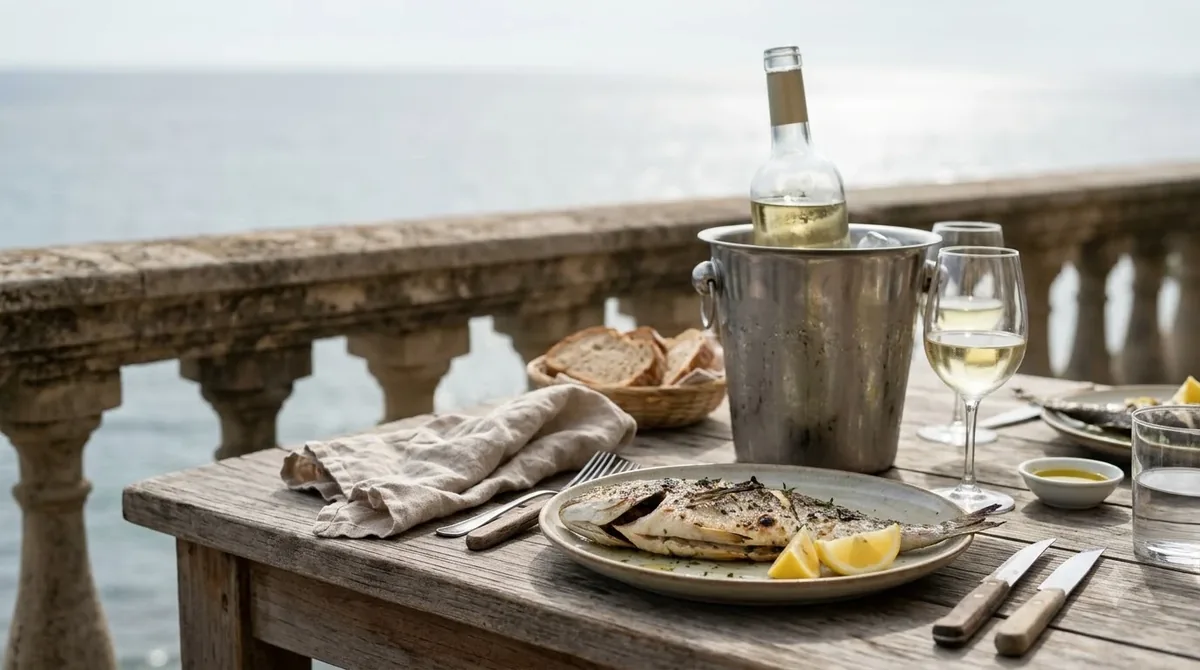
Food pairing works best when you match the wine’s acidity and fruit with the dish. The crisp, citrus-driven Sauvignon Blanc pairs well with lighter foods. Think grilled fish, shellfish, goat cheese, fresh salads and dishes with herbs such as basil, parsley or dill.
One reviewer noted that the wine suits chicken, fish or any lighter dish, which fits the crisp and citrus profile. Green vegetables, asparagus and light pasta with lemon sauce also work well. The acidity helps cut through oily textures, so the wine feels clean rather than heavy.
The Chardonnay and Pinot Gris can handle richer foods. Roast chicken, creamy pasta and mild cheeses suit a fuller white. Match the weight of the dish to the weight of the wine, and you will usually get a balanced result.
Serving Temperature and Storage Tips
Serving temperature changes how the fruit and acidity come across. A wine that is too warm can taste flat and loose, while one that is too cold can hide its aromas. Chill the bottle in the refrigerator before serving, then let it sit for a few minutes so the aromas open up.
- Check the label or the brand’s technical sheet for any recommended serving guidance.
- Keep unopened bottles in a cool, dark place away from heat and direct sun.
- Re-cork opened bottles and refrigerate them, then drink the wine within a few days for the best freshness.
- Pour into a standard white wine glass to keep the aromas concentrated.
The brand says its Sauvignon Blanc is made with a long, slow, temperature-controlled fermentation and bottled soon after winemaking. That approach aims to keep the fruit and aroma. You can protect those qualities at home by keeping the wine cool and drinking it while it is still fresh.
Tip: Chill the wine lightly rather than icing it. Cold wine mutes aromas, so a short time in the refrigerator is usually enough.
Where to Buy and How to Choose the Right Bottle
Oyster Bay white wines are widely sold through wine retailers and grocery stores. Availability depends on your state and local laws, and stock can change from one store to the next. Check the label for the vintage, region and alcohol content before you buy.
The brand’s United States page lists the Sauvignon Blanc at 13 percent alcohol by volume and includes a note to enjoy the wine responsibly. The page also says the drink is for adults of legal drinking age. Use the label on the bottle you pick, since details can vary by vintage.
Vintage and awards are useful signals, but they are not the whole story. The brand’s pages cite recent scores from several competitions, including a 90-point rating from James Suckling and a Best Buy designation from Wine Enthusiast. Read these as one input, and then pick a style that matches your taste. For a broader look at the brand, the Wine Brands section covers other producers and how they compare.
Frequently Asked Questions
What is the most popular Oyster Bay white wine?
The Marlborough Sauvignon Blanc is the brand’s signature white and the wine most often reviewed. The brand describes it as the wine that started the range. Check current availability at your local store, since the lineup can change over time.
Is Oyster Bay Pinot Gris the same as Pinot Grigio?
The wine is the same style, but the name appears differently on the brand’s regional websites. The New Zealand page uses Pinot Gris, while the United States page uses Pinot Grigio. Read the label on your bottle to confirm the region and vintage.
What does Oyster Bay Sauvignon Blanc taste like?
Most notes describe tropical fruit, passionfruit, citrus and a zesty finish. Reviewers also mention grapefruit and a grassy or stony edge. The wine is crisp and clean rather than rich or creamy.
How should I serve Oyster Bay white wine?
Chill the bottle in the refrigerator before serving, but avoid icing it. Pour into a standard white wine glass and drink it while it is fresh. Always check the label for any specific serving guidance.
Oyster Bay white wine gives you a clear entry point into Marlborough style, especially through the Sauvignon Blanc. Try the Sauvignon Blanc first, then compare the Chardonnay or Pinot Gris to see which style you enjoy most. Drink responsibly, and enjoy the wine with food you like.
More in Wine Brands
 Underwood Wine Price: Compare Bottles, Cans, and Pack SizesUpdated Nov 21, 2026
 Zenato Wine Price: Compare Styles and Choose the Right BottleUpdated Nov 21, 2026
 Zuccardi Wine Price: Compare Bottles and Find the Right RangeUpdated Nov 21, 2026
 Yellow Tail Moscato Review: Taste, Sweetness and Serving TipsUpdated Nov 21, 2026
 Wolf Blass Yellow Label Review: Choose Your Best StyleUpdated Nov 21, 2026
 Wolffer Estate Rose Review: Choose the Right Bottle for Your TableUpdated Nov 21, 2026