

We may earn a commission when you buy through links on this page, at no extra cost to you. Learn more.
La Marca Prosecco alcohol content is printed on the bottle label, and that figure is the most reliable number for any specific bottle. US wine labels state alcohol by volume, and federal rules allow a small tolerance around the printed number. Prosecco is a sparkling wine, so the same labeling framework that covers other wines applies to it.
This page explains where to find the La Marca Prosecco alcohol content, how the federal labeling rules affect the number you see, and how the strength of a bottle shapes serving and food pairing at home. It also shows you how to compare a La Marca bottle with other sparkling wines on a shelf.
What Is La Marca Prosecco?
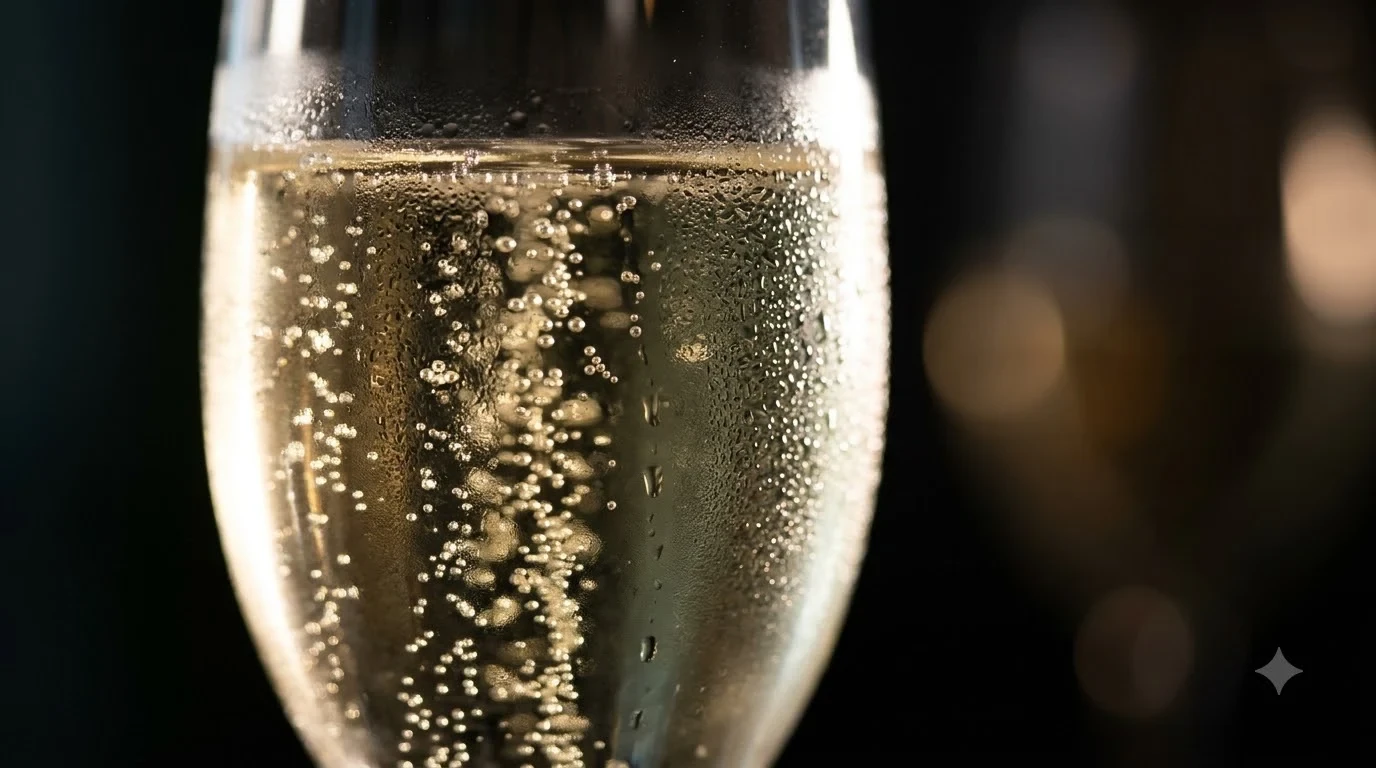
La Marca Prosecco is a sparkling wine made from the Glera grape in the Prosecco style. Like most sparkling wines, it is sold in a bottle with a wire cage and a cork, and it is meant to be served cold. Its character is usually described as light, fresh and fruity, which is why it appears so often at brunch, celebrations and casual dinners.
The brand also makes other sparkling and still wines, so the name on the front label does not tell you which product is inside. Always read the specific product name and the alcohol statement on the bottle you are holding. If you want to explore related bottles from the same producer, the La Marca rosé page covers a different style that also comes in a sparkling form.
How to Find the Alcohol Content on the Bottle
The alcohol content is usually printed on the back label, often near the net contents and the government warning. Look for a phrase such as alcohol followed by a percentage and by volume. The numerical figure is the number that matters for serving, pacing and comparing bottles.
Federal rules govern how that statement is written. According to the Alcohol and Tobacco Tax and Trade Bureau guidance on wine labeling, the statement must be expressed as a percentage of alcohol by volume, and the abbreviation ABV is not allowed. You may see alc. and vol. written with or without periods, which is a good sign that you are reading a compliant label.
If you cannot find the figure, check the label again on the side or neck, or look up the product details on the producer’s website. Do not rely on a memory of what a previous bottle said, since different products from the same brand can differ.
How Labeling Tolerances Affect the Number You See
A printed alcohol figure is not always the exact measurement inside the bottle. The federal rules allow a tolerance, which means the actual content may sit slightly above or below the stated number. The size of that tolerance depends on how strong the wine is.
| Situation | What the federal wine rule says | What it means for you |
|---|---|---|
| Wine at or below 14% alcohol by volume | A specific figure may vary by plus or minus 1.5 percentage points | A label that reads a specific number is still a close estimate, not a lab-exact measurement |
| Wine over 14% alcohol by volume | A specific figure may vary by plus or minus 1 percentage point | Stronger wines have a tighter tolerance band in percentage terms |
| Range statement on a wine at or below 14% | The range may span up to 3 percentage points | A range on the label gives a wider band to read |
| Wine at or below 14% with table wine or light wine on the label | A numerical statement is optional | Some bottles may not show a number at all, so check other sources |
The practical lesson is simple. A bottle labeled with a specific figure should be close to that number, but it is not guaranteed to match it to the decimal. For everyday serving decisions, that margin rarely changes how the wine feels in the glass.
How La Marca Compares to Other Prosecco and Sparkling Wines
Comparing sparkling wines is easiest when you look at the printed alcohol statements side by side. Prosecco, Champagne, cava and Crémant are all sparkling wines, but they come from different regions and often different production methods. The number on the label is one of the few standard points you can compare directly.
When you shop, read the alcohol statement on each bottle rather than assuming all sparkling wines share the same strength. A bottle that reads higher on the label will usually feel a little warmer on the palate, and it may suit a slower pace. A bottle that reads lower may be easier to share over a long afternoon.
Reviewers and trade guides often describe Prosecco as lighter than many still red wines, but that is a general pattern, not a promise about one bottle. For a broader look at how brands in this category are organized, the Wine Brands section groups related products by style and producer.
Why Prosecco ABV Varies by Style
Alcohol content in a sparkling wine depends on how the grapes ripen, how the wine is finished, and what style the producer is aiming for. A wine labeled dry, brut or extra dry can still differ in strength from another bottle with a similar style name. The style name tells you about sweetness, while the alcohol statement tells you about strength, and the two are related but not identical.
Sweetness can also affect how strong a wine tastes. A sweeter bottle can taste rounder even when its alcohol figure is similar to a drier bottle. This is why serving the wine cold and pairing it with food can change your impression of the drink.
Because styles vary, avoid treating Prosecco as one fixed strength. Read the label for each product, and compare the printed figure with the sweetness and style words on the front or back. That habit gives you a more accurate picture than any general rule of thumb.
Serving Tips to Manage Alcohol Strength
You can manage how quickly the alcohol builds up by adjusting serving size and pace. Pour smaller glasses, keep water nearby, and space out your glasses over the evening. Sparkling wine is often served in tall flutes, and a smaller pour in a flute still gives a full sensory experience.
- Check the alcohol statement on the back label before you open the bottle.
- Chill the bottle well before serving, since cold wine tastes crisper and is easier to pace.
- Pour modest glasses and let people refill on their own schedule.
- Serve water or a non-alcoholic option alongside the wine.
- Keep an eye on the total number of glasses across the whole event, not just the first hour.
Serving with food also slows the pace. A cheese or snack board gives guests something to eat while they sip, which makes a long evening feel more relaxed. Use these habits every time, not only when you are hosting a large group.
Tip: Write the alcohol statement from the label on a sticky note and attach it to the bottle. That way everyone at the table sees the strength before pouring.
Food Pairings for La Marca Prosecco
Prosecco pairs well with a wide range of light foods because its acidity and bubbles cut through richness. The lower alcohol strength of many sparkling wines also makes them easy to enjoy alongside a meal rather than as a stand-alone drink. Start with simple pairings and adjust to your taste.
Good matches include fried seafood, fresh cheeses, salty snacks, prosciutto, and fruit-based desserts. Light salads with vinaigrette also work well, since the wine’s brightness balances acidic dressings. Avoid very heavy, smoky dishes, which can overwhelm a delicate sparkling wine.
Serving temperature matters for pairing. Cold wine keeps the flavors fresh and lively, while a wine that has warmed too much can taste flat. Keep the bottle in an ice bucket during dinner, and refill from the bucket rather than leaving the bottle on the table.
Frequently Asked Questions
Where do I find the La Marca Prosecco alcohol content?
The alcohol content is usually printed on the back label, often close to the net contents and the government warning. Look for a percentage followed by alcohol by volume or alc. by vol. If you cannot find it, check the producer’s product page for that exact bottle.
Can the printed alcohol figure be slightly off?
Yes. Federal wine rules allow a tolerance around a specific alcohol figure. For wines at or below 14 percent, the actual content may vary by about 1.5 percentage points either way. The printed number is a close estimate of the bottle’s strength.
Is a sparkling wine always weaker than a still wine?
Not always. Many sparkling wines are lighter than big still reds, but strength depends on the individual bottle. Compare the printed alcohol statement on each product rather than assuming one style is always stronger.
What should I check before serving La Marca Prosecco to guests?
Check the alcohol statement, the product name, and the serving temperature. Chill the bottle well and plan for water and food alongside the wine. Pour modest glasses so guests can pace themselves through the evening.
Reading the La Marca Prosecco alcohol content on the bottle is the simplest way to plan a relaxed evening. Keep the federal tolerance in mind, compare labels across sparkling wines, and pace your pours with food and water. For more background on how brands are organized, browse the Barefoot Riesling alcohol content guide to see how another popular brand presents its strength.
More in Wine Brands
 Underwood Wine Price: Compare Bottles, Cans, and Pack SizesUpdated Nov 21, 2026
 Zenato Wine Price: Compare Styles and Choose the Right BottleUpdated Nov 21, 2026
 Zuccardi Wine Price: Compare Bottles and Find the Right RangeUpdated Nov 21, 2026
 Yellow Tail Moscato Review: Taste, Sweetness and Serving TipsUpdated Nov 21, 2026
 Wolf Blass Yellow Label Review: Choose Your Best StyleUpdated Nov 21, 2026
 Wolffer Estate Rose Review: Choose the Right Bottle for Your TableUpdated Nov 21, 2026