

We may earn a commission when you buy through links on this page, at no extra cost to you. Learn more.
Gnarly Head old vine Zinfandel is a fruit-forward California red from the Delicato Family Wines brand, sourced from Lodi and known for ripe berry flavors and smooth, easy drinking. According to the brand’s producer and retail guides, the wine draws on head-trained vines that can be 50 to 80 years old. It is generally dry and sits in the affordable part of the Zinfandel market.
This guide explains what the wine tastes like, what the term old vine means, which foods suit it, and how it stacks up against other value-priced California Zinfandels. It also covers serving and storage basics, so you can decide whether it fits your everyday glass. Read the sections in order if you are new to Zinfandel, or jump to the comparison and pairing sections if you already know the grape.
What Is Gnarly Head Old Vine Zinfandel?
The wine is the flagship of Gnarly Head, a California brand founded in 2004. The name refers to the thick, twisted trunks of head-trained vines that give the brand its identity. Its label emphasizes Lodi as the source region, which is known for some of the oldest Zinfandel vines in California.
The brand was built around a simple idea: heritage vineyards deserve wines that taste like the fruit they came from. The winemaking team aimed for a house style centered on ripe fruit, spice and balance. That approach was meant to make the wines easy to share at a casual dinner rather than reserved for special occasions.
Beyond the Zinfandel, the brand’s lineup includes Cabernet Sauvignon, Merlot, Pinot Noir, Chardonnay and red blends. Each follows the same fruit-forward approach, though the styles differ by grape. If you want to compare a sibling wine, the gnarly head cabernet page covers that style in more detail.
What Does Old Vine Zinfandel Mean?
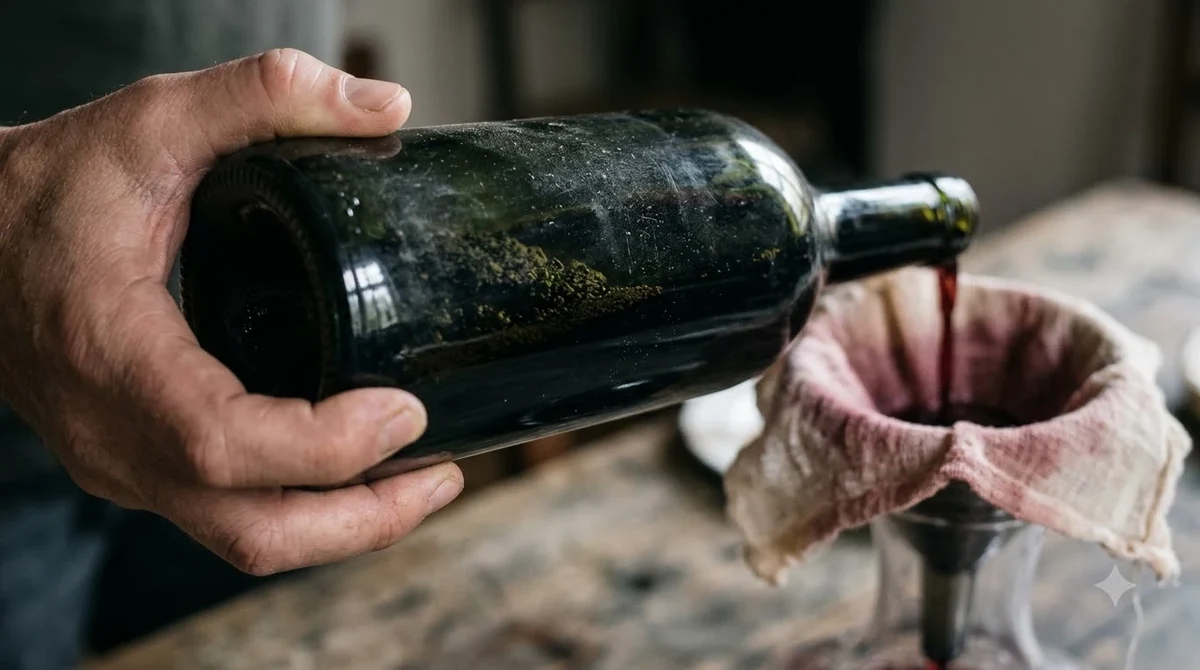
Old vine is an informal term for vineyards planted decades ago. Vines of this age usually produce less fruit per plant, and many winemakers believe the grapes that remain give more concentrated flavor. The phrase has no single legal definition in the United States, so the age of the vines should be confirmed on the producer’s material rather than assumed.
Zinfandel is especially associated with old vines in California. The Zinfandel entry on Wikipedia notes that old vines are now treasured for premium red wine, even though many were ripped up during Prohibition. That history explains why surviving plantings carry so much weight for producers today.
Vine age is only one part of the final taste. The same entry explains that Zinfandel’s flavor depends heavily on ripeness, climate and winemaking choices such as fermentation length and oak aging. A wine from old vines in a warm region can taste very different from one made from younger vines in a cool area, so read the label for region and vintage together.
Tasting Notes and Flavor Profile
The wine is typically described as bold and fruit-forward, with blackberry and raspberry aromas. The texture is meant to be smooth rather than harsh, and the house style balances ripe fruit with spice. Expect a red that feels round and generous rather than austere or dry in a tannic way.
Zinfandel flavors shift with climate. Cooler areas tend to produce red berry notes like raspberry, while warmer areas often show blackberry, anise and pepper, according to the Zinfandel entry on Wikipedia. Lodi sits in a warm region, which helps explain the dark fruit and gentle spice many drinkers notice. Because wines vary by vintage, check the label and producer notes for the current release.
Many drinkers describe the finish as lingering and fruity rather than bitter. Some notice a peppery edge on the back palate, which pairs well with grilled food. If you usually prefer lighter reds like Pinot Noir, you may find this wine fuller in body, so pour a smaller glass at first and see how it sits with your meal.
| Trait | What to expect |
|---|---|
| Fruit | Blackberry and raspberry, ripe and forward |
| Spice | Gentle pepper and warm spice notes |
| Sweetness | Generally dry, not sweet |
| Body | Medium to full, with a smooth finish |
Food Pairing Ideas
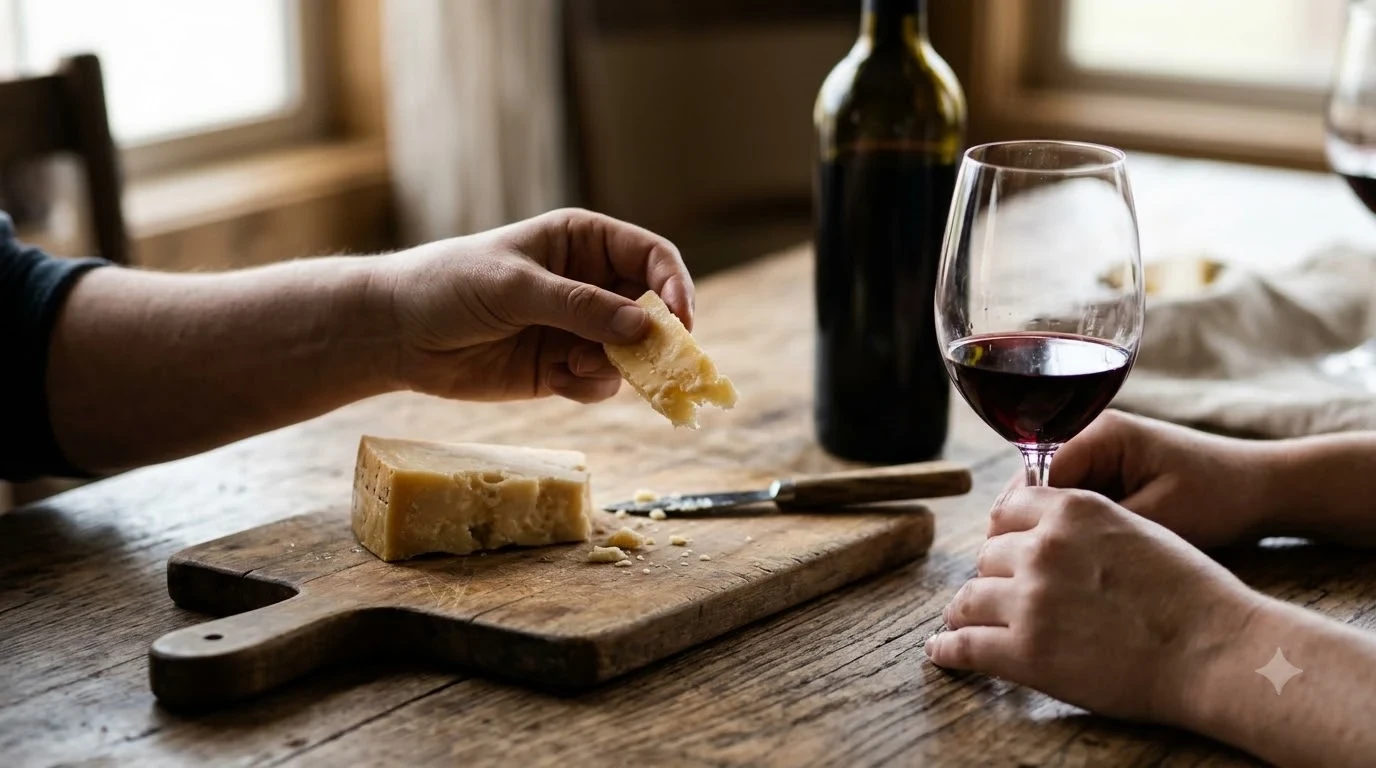
Bold, fruit-forward reds pair well with grilled and smoked foods. The brand’s own guidance points to barbecue, grilled meats and hearty stews. Those dishes have enough fat and char to match the wine’s body and ripe fruit.
Pizza with sausage, burgers and roasted vegetables with garlic also suit this style. Tomato-based dishes work because the wine’s fruit and acidity meet the sauce without overwhelming it. Because the wine is dry, it works best with savory food rather than sugary desserts, which can make the fruit taste flat.
Serve the wine slightly cooler than room temperature so the fruit stays lively and the alcohol feels less prominent. Match the richness of the dish to the richness of the glass. A lean chicken breast may get lost beside a full red, while a charred steak or a rich stew will stand up to it well.
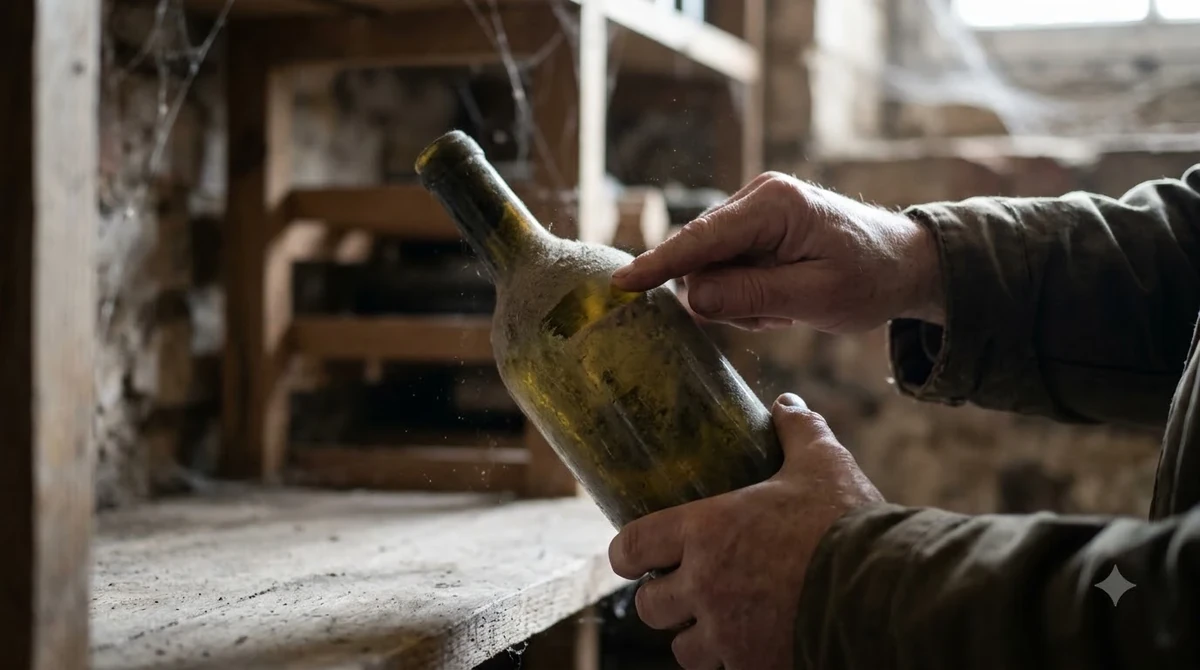
Tip: If the wine tastes tight when first opened, let it breathe in the glass or in a decanter before a big meal. Pour moderately and drink responsibly.
How Gnarly Head Compares to Other Brands
Gnarly Head sits in the value tier of California Zinfandel, where many brands are blends or jug wines. Regional character often matters more than the brand name. Sonoma’s Dry Creek Valley is known for juicy, balanced Zinfandel, while Amador produces big, jammy styles, according to the Wikipedia Zinfandel entry.
When comparing bottles, look at the region on the label and whether the wine is labeled as a single varietal. Some value Zinfandels are blended with Petite Sirah, which can add color and structure. A blend and a single-varietal Zinfandel can taste quite different at the same price, so check the back label before you assume they are interchangeable.
If you want a broader view of styles, the fresh vine wine guide and the beringer main and vine review offer useful comparisons with other mass-market reds. The Firstleaf brand profile for Gnarly Head describes the flagship as a bold, fruit-forward wine from Lodi, which is a useful reference when you line up options side by side.
Price and Where to Buy
Prices for this wine change with retailer, state and season, so check current shelf prices directly. A brand listing has described the Old Vine Zinfandel as typically in the affordable range, but that figure is not a guarantee. As of Nov 2026, confirm pricing with your local shop or the retailer’s website before you buy.
Compare the vintage date and the bottle size as well as the price. Larger formats often give better value per ounce, though they take longer to finish after opening. Buying from a shop that rotates stock keeps the wine fresher, especially for a red meant for drinking within a few years of release.
If you are unsure about a bottle, ask a shop employee which Zinfandel they would pour for a casual dinner. Staff can often point you to a region or style that matches what you like. The broader Wine Brands section of this site also explains how brands differ in style and price.
Serving and Storage Tips
Serve the wine at a cool room temperature, not hot. Red wines that sit near a stove or in a sunny window can taste flat and overly alcoholic. A short time in the refrigerator before pouring helps if your room is warm, and the wine opens up as it warms in the glass.
Store unopened bottles on their side in a cool, dark place, away from heat and light. Once opened, recork the bottle and refrigerate it if you do not finish it the same day. Drink the leftovers within a few days for the best fruit, since oxygen gradually dulls the flavor. Check the producer’s back label for specific storage notes.
A simple glass with a generous bowl helps the aromas reach your nose. Pour a moderate amount so you can swirl the wine without spilling. Keep the bottle out of direct sun on the table, and reseal it between pours if the meal runs long.
Frequently Asked Questions
Is Gnarly Head old vine Zinfandel dry or sweet?
Gnarly Head old vine Zinfandel is generally dry rather than sweet. Its flavors lean toward blackberry, raspberry and spice. Do not confuse it with White Zinfandel, which is a sweeter rosé made from red Zinfandel grapes.
Where do the grapes come from?
The flagship Old Vine Zinfandel is sourced from Lodi, a California region with some of the state’s oldest Zinfandel vines. Check the current label for the exact appellation on your bottle.
Who makes Gnarly Head wine?
Gnarly Head is produced by Delicato Family Wines, a family-operated winery in California. The brand launched in 2004 and is known for its head-trained old vine imagery.
What foods go well with it?
Barbecue, grilled meats, sausage pizza and hearty stews are good matches. The wine’s ripe fruit and spice complement savory, smoky flavors. Serve it slightly cool for the best balance.
Gnarly Head old vine Zinfandel suits anyone who wants a bold, approachable California red for everyday meals. Start with a bottle alongside a simple grilled dinner, then compare other regional Zinfandels to find the style you like best. Enjoy it in moderation.
More in Wine Brands
 Underwood Wine Price: Compare Bottles, Cans, and Pack SizesUpdated Nov 21, 2026
 Zenato Wine Price: Compare Styles and Choose the Right BottleUpdated Nov 21, 2026
 Zuccardi Wine Price: Compare Bottles and Find the Right RangeUpdated Nov 21, 2026
 Yellow Tail Moscato Review: Taste, Sweetness and Serving TipsUpdated Nov 21, 2026
 Wolf Blass Yellow Label Review: Choose Your Best StyleUpdated Nov 21, 2026
 Wolffer Estate Rose Review: Choose the Right Bottle for Your TableUpdated Nov 21, 2026