


We may earn a commission when you buy through links on this page, at no extra cost to you. Learn more.
To clean wine glasses well, wash each one by hand in warm water with a little washing liquid, rinse thoroughly with clear water, and dry it with lint-free microfiber cloths. This method keeps the bowl clear, prevents soap films, and helps the glass keep its aroma-free surface. Knowing how to clean wine glasses properly also protects stemware from the cloudiness and odors that build up over time.
This guide explains how to clean wine glasses step by step, from the supplies you need to the drying method that prevents streaks. It also covers lipstick marks, cloudy film, dishwasher loading and storage, so you can avoid the mistakes that ruin good stemware over time.
What You Need to Clean Wine Glasses
Gather a few basic supplies before you start. A clean basin or sink, warm water, a mild washing liquid, a soft sponge or brush, and two dry microfiber cloths cover most jobs. The right tools reduce the risk of scratches and leftover residue.
Avoid tea towels and paper towels for the final polish, since they can leave lint or damage the surface. Keep your polishing cloths separate from other kitchen towels so they do not pick up grease or odors. Many manufacturers recommend microfiber specifically for this reason.
| Item | Why it helps | What to avoid |
|---|---|---|
| Mild washing liquid | Lifts wine and lipstick residue without heavy scent | Strongly perfumed or greasy dish soaps |
| Soft sponge or brush | Cleans the bowl and stem without scratching | Abrasive scrubbers and steel wool |
| Microfiber polishing cloths | Dry and polish without lint | Tea towels that can leave fibers or damage glass |
| White vinegar or citric acid | Helps dissolve light mineral deposits | Using it on decorated or gilded glass without checking first |
Check the care instructions that came with your glasses, if you still have them. Riedel, for example, says some of its glasses are labeled hand wash only, which means the dishwasher is not the right choice for those pieces. When in doubt, hand-wash.

Hand-Washing Wine Glasses Step by Step
Hand-washing is the most reliable way to keep stemware clear. The process takes only a few minutes per glass, and it lets you check each bowl for residue before it goes back in the cabinet. Work with one glass at a time.
- Rinse each glass with warm water right after use if you can. Wine residue dries quickly and is harder to remove later.
- Fill the sink or a basin with warm water and add a small amount of mild washing liquid.
- Hold the glass by the bowl or the stem, never by the base alone. Gently wash the inside and outside of the bowl with a soft sponge.
- Clean the stem and base separately. Pay attention to the area where the stem meets the foot, since wine and fingerprints collect there.
- Rinse thoroughly with clear water. Detergent left behind is a common cause of cloudy spots and off smells.
- Dry immediately with a clean microfiber cloth while the glass is still warm from the rinse.
Use warm water rather than very hot or boiling water. Riedel advises against excessively hot water for rinsing, since sudden temperature changes can stress thin glass. Gentle handling protects the rim and stem over the long term, and it keeps your glasses looking new.
How to Remove Lipstick, Wine Stains and Other Marks
Most marks come off during a normal wash, but stubborn lipstick or dried red wine on the rim may need extra attention. Soak the glass in warm water with washing liquid for a few minutes before you scrub. This loosens the residue so it does not need hard pressure.
For superficial stains, Riedel recommends soaking the glasses in white vinegar. After soaking, rinse the glass well so no vinegar smell remains, then wash it again with washing liquid and dry it. Vinegar is mild enough for most stemware, but avoid long soaks on glasses with painted or gilded decoration.
Red wine is the hardest stain to handle, because its acidity can attack glass if residue sits too long. Rinse glasses right after use, even if you plan to wash them later. Fast rinsing prevents most stains from setting in the first place.
Getting Rid of Cloudy Film and Water Spots
Cloudiness on wine glasses usually comes from one of two sources. The first is a buildup of limescale or detergent residue, which shows up as a haze or spots. The second is glass corrosion, which looks like a white coating and cannot be reversed.
For mineral film, mild acids work well. Citric acid or white vinegar can dissolve deposits from limescale, and a careful rinse afterward removes the acid. If your home has hard water, soft water rinsing helps prevent the film from returning, since Riedel notes that soft water with low mineral content avoids stains and cloudiness.
Corrosion is different. Once the glass structure has changed, no cleaner will restore it. To limit the risk, avoid extremely hot cycles, skip harsh detergents, and dry glasses before they sit wet on a rack. If a glass has a permanent white haze after trying gentle methods, it is time to retire it from daily use.
Can You Put Wine Glasses in the Dishwasher?
Many wine glasses are dishwasher safe, but not all of them. Riedel says most of its glasses are dishwasher safe, while pieces labeled hand wash only or not dishwasher safe need hand-washing. Check the packaging or the manufacturer’s website before you load a new set.
When you do use the dishwasher, load carefully. Space glasses so they do not touch each other or other items, and use a stemware holder if your machine has one. Riedel recommends the top shelf when possible, and a low temperature or special glass program when available. Use the correct amount of detergent and rinse aid, and keep the dishwasher salt filled if your model uses it.
Open the door after the cycle ends so steam can escape. Trapped steam can contribute to glass corrosion over time. For more detail on the manufacturer’s dishwasher advice, read the Riedel Glass Care and Use guide, which lists the dishwasher and hand-washing rules side by side.
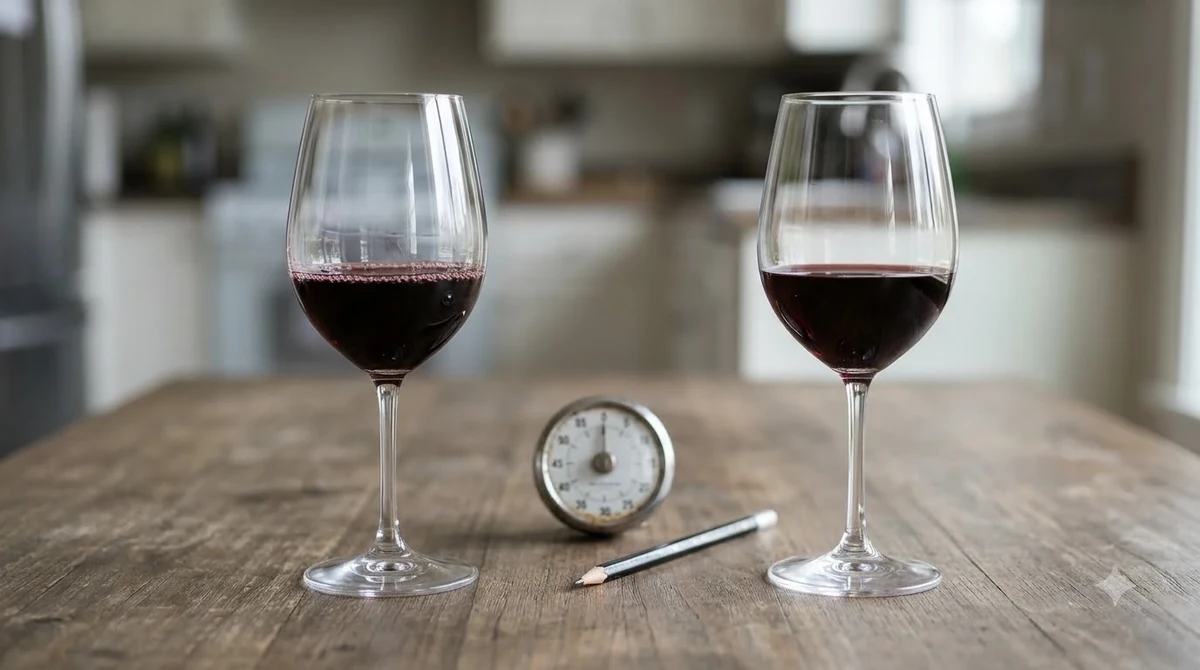
Drying and Storing Wine Glasses Properly
Drying is where streaks and lint problems happen. Use two large microfiber cloths. Hold the base or the stem in one hand, and polish the bowl with the other. Never hold the base and bowl together while twisting, because that stress can break the stem.
Avoid drying glasses upside down on a metal rack, since that can damage the rim. Let them air dry only briefly, then finish with a polishing cloth so no water spots form. Riedel also advises washing the microfiber cloths at a high temperature with odorless soap and skipping fabric softener, which can leave a greasy film on the glass.
Store glasses upright in a cabinet away from strong-smelling foods. Glass can absorb odors, which can affect the aroma of the wine you pour later. If you are moving and need to protect your collection, the guide on how to pack wine glasses for moving covers padding and layering.
Common Mistakes That Ruin Wine Glasses
Most damage comes from habits rather than bad luck. Knowing the common errors helps you prevent cloudiness, scratches and odors before they start. Small changes to your routine often make the biggest difference.
- Leaving wine residue in the glass overnight, especially red wine.
- Using too much dish soap and skipping a thorough rinse.
- Drying with a tea towel or paper towel, which can leave lint.
- Letting glasses touch each other in the dishwasher or cabinet.
- Washing glasses next to aluminum items, which Riedel warns can cause corrosion.
- Storing glasses beside spices, onions or other strong smells.
Decanters need a separate routine. If you also own one, the guide on how to clean a decanter explains why soap is discouraged in narrow decanter necks and how cleaning beads are used. For a broader view of serving tools, the Opening & Serving section covers glassware and pouring habits.
Frequently Asked Questions
Is it better to hand-wash or use the dishwasher for wine glasses?
Hand-washing is the safest choice for delicate or hand-wash-only glasses. Many modern wine glasses are dishwasher safe, but the manufacturer’s label or website should confirm it. If you use a dishwasher, follow loading and temperature advice.
Why do my wine glasses look cloudy even after washing?
Cloudiness is often caused by limescale or detergent residue. Rinsing with clear water and using mild acids like white vinegar or citric acid can remove these deposits. If the haze is a white coating that persists, it may be glass corrosion, which cannot be reversed.
Can I use vinegar to clean wine glasses?
Yes, white vinegar is a common choice for removing superficial stains and mineral film. Soak the glass briefly, then rinse it well so no smell remains. Check decorated or gilded pieces first, because prolonged soaking may not suit every finish.
What is the best way to dry wine glasses without streaks?
Use two clean microfiber polishing cloths rather than a tea towel. Hold the base and bowl separately to avoid twisting the stem, and polish both inside and outside. Avoid fabric softener when washing the cloths, since it can leave a film.
Clean glasses are simple to maintain when you rinse after use, wash gently and dry with microfiber. Store them upright and away from strong odors, and check the care label for any piece you are unsure about. Your wine will taste the way the winemaker intended when the glass stays clear and neutral.
More in Wine Basics
 Which Rose Is Best for Your Taste, Budget, and Food PairingsUpdated Nov 21, 2026
 Is Cheap Wine Bad? How to Find Bottles Worth DrinkingUpdated Nov 21, 2026
 What To Write On A Wine Gift Tag: Thoughtful Messages For Every OccasionUpdated Nov 21, 2026
 Which Wine Is Best For Weight Loss? Compare Lower-Calorie ChoicesUpdated Nov 21, 2026
 What Is The Best Wine For Mimosas? Choose Bubbly That Balances Orange JuiceUpdated Nov 20, 2026
 Which Prosecco Is Best for Your Taste and OccasionUpdated Nov 20, 2026