

We may earn a commission when you buy through links on this page, at no extra cost to you. Learn more.
Mirassou wine comes from a California family winery founded in 1854, and the brand is best known for its Pinot Noir, which the company describes as the work of the original California Pinot Noir winemakers. The Mirassou name was later bought by Gallo in 2003, and the wines are now made in the Modesto area. This guide explains where the brand started, how its range is organized, and how to serve and pair its bottles at home.
Mirassou appears on many grocery shelves and restaurant lists, yet the story behind the label is less familiar than the bottle itself. Is it a small estate or a large commercial brand? Why does Pinot Noir come up so often? The sections below answer those questions using the company’s own description and historical sources, so you can judge the wines for yourself.
Who Made Mirassou Wine First
The winery was founded in 1854 by Louis Pellier and his brother Pierre Pellier, according to the Wikipedia entry on the Mirassou winery. The operation began in what is now Silicon Valley and became a well-known part of the agricultural heritage of the Santa Clara Valley. The Mirassou family name entered the story through marriage: in 1881 Pierre Mirassou married Pierre Pellier’s daughter Henriette, and the family name became the one people associate with the winery.
That early history explains why the brand is often described as a family business with deep roots in California. The company itself says it has been growing grapes and making wine in California for more than 160 years, as stated on its About page, which places its story well before the modern wine boom of the late twentieth century.
Founding stories like this one matter when you compare brands. A winery with a long record of growing and selling wine tends to have a consistent house style, even when ownership changes. When a brand is sold to a larger company, the wine may still reflect the original approach, or it may shift toward a broader audience. The best way to judge is to taste the current bottle, read the label for the grape and region, and compare it with older impressions only after tasting.
From Santa Clara Valley to Modesto
The brand has changed hands and locations over time. The Wikipedia entry notes that the Mirassou brand was bought by Gallo in 2003, and that the wines are now made in the Modesto area. The original San Jose winery was not part of that sale: the land was sold, the winery was torn down, and the former vineyards gave way to housing developments. A family member, Steven Mirassou, continues to make wine under his own brands in the Livermore Valley.
For a shopper, the change matters because the label now represents a larger production model rather than the small Santa Clara estate of the nineteenth century. The grapes are still described as coming from California’s best growing regions, and the wine style reflects that wider sourcing. Reading the back label for a region or vintage is the best way to see which bottle fits your taste.
The Pinot Noir Reputation Behind the Name
Pinot Noir is the grape the company points to most often when it describes its place in California wine history. The official Mirassou site calls the company “the original California Pinot Noir winemakers” and says the brand was built on determination, optimism, and a love of craftsmanship.
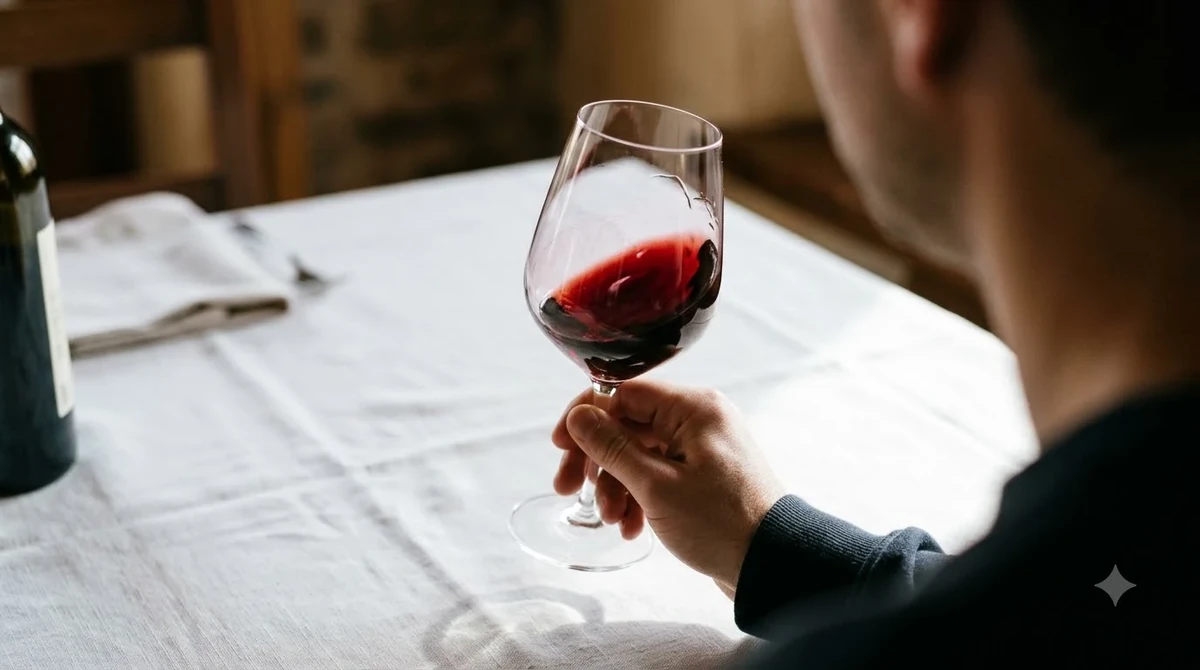
Pinot Noir is a thin-skinned red grape that tends to produce lighter-bodied wines with red fruit, silky texture, and fairly bright acidity. Compared with bold reds such as Cabernet Sauvignon, it is more delicate and less tannic, which is why many people find it an easy entry point into red wine. The company’s own framing places its Pinot Noir inside a wider range that includes crisp whites and fruit-forward reds, so the grape is a useful starting point rather than the whole story.
How the Mirassou Range Is Organized
The company groups its wines by occasion as well as by color, a choice that makes the lineup easier to scan in a store. The table below summarizes the categories described on the official site, with notes on what to expect from each group.
| Group | How the company describes it | What to expect |
|---|---|---|
| Crisp whites | Light, refreshing wines for warm days | Higher acidity, fresh fruit, easy to pair with salads and light seafood |
| Fruit-forward reds | Red wines with ripe, approachable fruit | Softer tannins, red and dark berry notes, good with roast chicken and pasta |
| Celebration wines | Bottles for special occasions | Often chosen for dinners and gatherings where a crowd-pleasing style matters |
| Me-time wines | Bottles for a quiet evening at home | Easy-sipping styles that work without food |
| Everything-in-between wines | Everyday bottles for ordinary meals | Balanced styles that adapt to a wide range of dishes |
Price is a separate question from style, and the label alone does not show how a bottle will taste. Two wines from the same grape can differ widely depending on the region, the harvest, and the choices made in the cellar. Reading the grape, region, and vintage together gives a more reliable picture than the brand name by itself.
The official description of these groups is intentionally broad, so the table should be read as a guide to intent rather than a promise about any single bottle. If you want a specific style, check the label for the grape and vintage, then compare it with a similar bottle from another brand. A broader look at how American wine brands compare is available in the wine brands guide.
Some shoppers also compare the brand with other easy-drinking names, such as Barefoot wine, to see which style matches their palate. Tasting two or three bottles from the same category side by side often shows the differences faster than reading tasting notes.
How to Serve and Pair Mirassou Wine
Serving temperature changes how a wine tastes, and that matters for a brand that spans whites and reds. Lighter, crisp whites are best cool rather than cold, which lets the fruit show without dulling the acidity. Fruit-forward reds, including Pinot Noir, show their best when slightly cooler than room temperature, so a brief stop in the refrigerator before pouring usually helps.
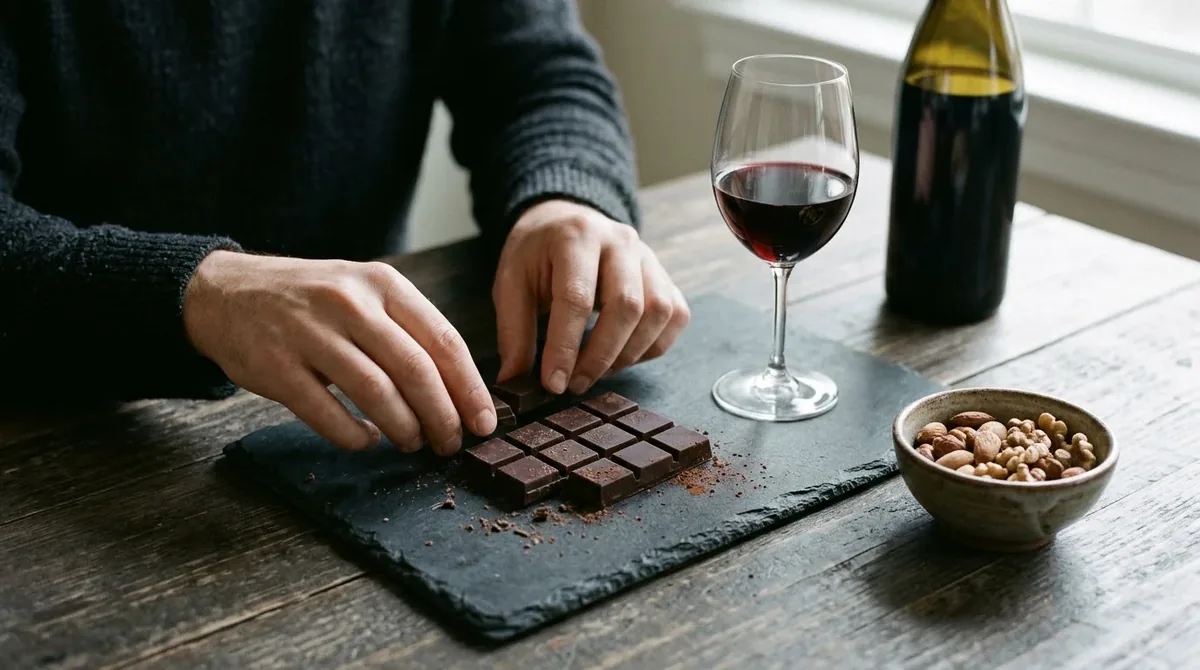
Pairing follows the same logic as the style. Crisp white wines suit salads, light fish, grilled vegetables, and soft cheeses. Fruit-forward reds work with roast chicken, pork, pasta with tomato sauce, and mushroom dishes. The easiest rule is to match the weight of the food with the weight of the wine: a delicate dish calls for a lighter bottle, and a richer dish can handle more body and fruit.
Pairing also depends on the occasion. A crisp white can carry a light starter or a picnic spread, while a fruit-forward red can anchor a family dinner. For a relaxed evening with no food, a lighter style with clean fruit is often the more comfortable choice, because it does not compete with appetizers or dessert. Bottles labeled for celebrations can be a good fit for gatherings, where guests may want a range of styles on the table at once.
Frequently Asked Questions
When was Mirassou wine founded?
According to the Wikipedia entry on the winery, it was founded in 1854 by Louis Pellier and his brother Pierre Pellier in what is now Silicon Valley. The company’s own site describes more than 160 years of growing grapes and making wine in California.
Who owns Mirassou now?
The Mirassou brand was bought by Gallo in 2003, and its wines are now made in the Modesto area. The original San Jose winery was not part of that sale.
Is Mirassou known for Pinot Noir?
Yes. The company describes itself as the original California Pinot Noir winemakers, so the grape is central to how the brand presents its history. The range also includes crisp whites and fruit-forward reds.
How should I serve Mirassou wine?
Serve whites cool rather than cold and serve fruit-forward reds slightly cooler than room temperature. Matching the body of the wine to the weight of the food makes the pairing work better.
Mirassou wine is easiest to appreciate when you know its history and the style behind each bottle. Start with the grape and vintage on the label, compare a Pinot Noir with a crisp white or a fruit-forward red, and let the food on the table guide the final choice.
More in Wine Brands
 Underwood Wine Price: Compare Bottles, Cans, and Pack SizesUpdated Nov 21, 2026
 Zenato Wine Price: Compare Styles and Choose the Right BottleUpdated Nov 21, 2026
 Zuccardi Wine Price: Compare Bottles and Find the Right RangeUpdated Nov 21, 2026
 Yellow Tail Moscato Review: Taste, Sweetness and Serving TipsUpdated Nov 21, 2026
 Wolf Blass Yellow Label Review: Choose Your Best StyleUpdated Nov 21, 2026
 Wolffer Estate Rose Review: Choose the Right Bottle for Your TableUpdated Nov 21, 2026