

We may earn a commission when you buy through links on this page, at no extra cost to you. Learn more.
Paso Robles wine tasting means visiting one of the more than 200 wineries on California’s Central Coast, mostly for Rhône-style reds and Cabernet-based blends. The region sits about halfway between Los Angeles and San Francisco, and its tasting rooms range from casual patios to small caves and estate tours. Planning a few stops in one area, booking ahead where needed, and choosing a designated driver will make the day far more enjoyable.
This guide explains what to expect on a Paso Robles tasting day, how the region’s wines differ from those of Napa Valley, which wineries are worth a visit, and how to plan a route that does not feel rushed.
What Makes Paso Robles Different
Paso Robles is a large wine country in San Luis Obispo County, on the eastern side of the Santa Lucia Mountains. According to the Wine Folly guide to Paso Robles, low hills block the cooling marine influence that reaches many coastal vineyards, and tight valleys sit between them. The result is warmer days, cool nights, and wines with fuller fruit and higher alcohol than many visitors expect.
The region’s identity is closely tied to Rhône varieties such as Syrah, Grenache, and Mourvèdre. Many wineries also make Cabernet Sauvignon and Cabernet-based red blends, which were a major part of the area’s value-wine boom in the 1980s. The mix of styles is one reason a tasting day here can feel more varied than a single-grape tour. If you are also comparing a tasting trip to Napa Valley, our Napa Valley wine tasting guide offers a useful contrast in pace and style.
How Big Is the Tasting Scene?
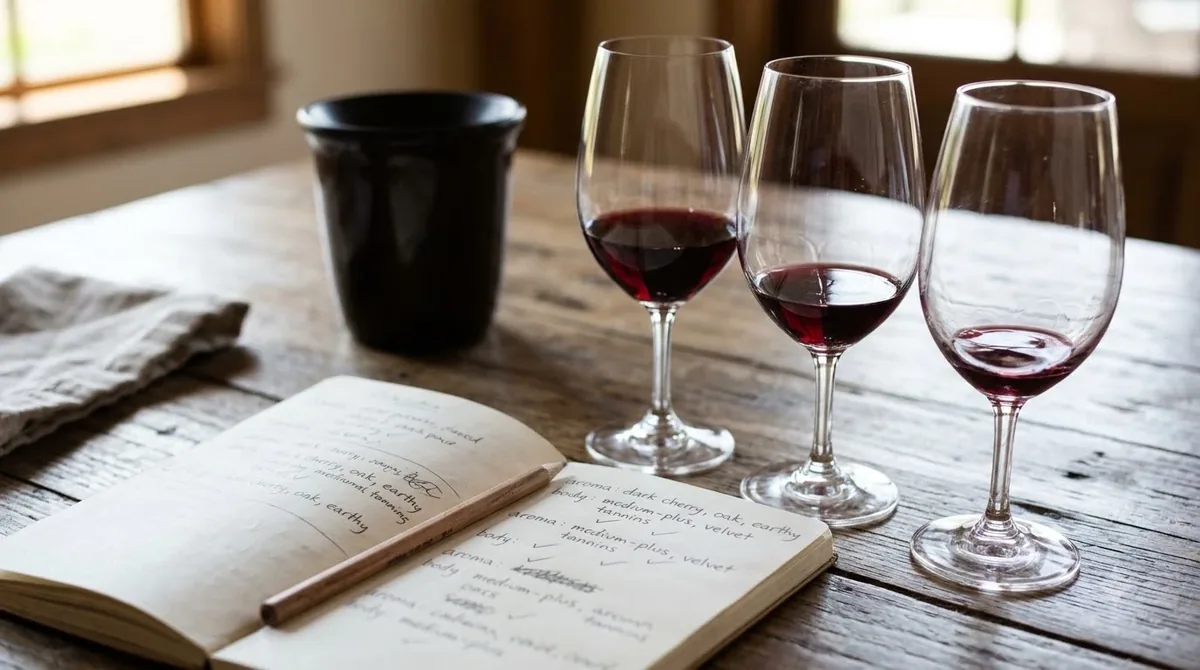
The regional tourism site for Paso Robles wine country describes more than 200 wineries in the Paso Robles wine country, spread along winding backroads and around a quaint downtown park. That number is a key planning fact: you can spend a week visiting and still not see everything. The wineries cluster in several areas, so a good plan focuses on one or two areas per day rather than trying to cross the whole region.
Some visitors come for a single estate experience, while others prefer a larger tasting room in town. Both options are part of the appeal. A short list of favorites makes the day easier, and many guests find that two or three well-chosen stops are more satisfying than six rushed ones.
| Experience | What it feels like | Good for |
|---|---|---|
| Estate tasting with a vineyard walk | Relaxed, often outdoors, with a guided view of the vines | Wine lovers who want to see where grapes grow |
| Downtown tasting room | Easy to reach on foot, flexible for mixed groups | Visitors who want variety in one place |
| Cave or barrel tasting | Cool, quiet, and focused on the winery’s cellar | Guests interested in winemaking |
Wineries Worth Considering
Wine Folly’s guide recommends a group of wineries for Rhône-style wines, including Kukkula, Justin, Linne Calodo, Adelaida, Opolo, and Cypher. The article also highlights Tablas Creek, which is located in Las Tablas, roughly 10 miles west of town, and which planted a wide range of Rhône varieties including Grenache, Mourvèdre, Syrah, Roussanne, and Viognier. Those are good names to start with if you want to taste how the region handles Rhône grapes.
Some wineries are better for buying bottles than for a casual visit, and a few require a phone call before a purchase. Check each winery’s website for hours and reservation rules, because policies can change from season to season. Many tasting rooms also hold seasonal events, so a quick look at the calendar before you go can help you pick a day with live music or a special release.
Planning Your Route and Timing
Driving is the only practical way to visit most of the region, and distances can be longer than they look on a map. The same Wine Folly guide notes that the drive from Los Angeles on Highway 101 takes about four hours. If you are coming from the Bay Area, plan for a longer trip, and build in time for traffic on weekends.
Think about who is in your group before you choose stops. Some wineries are quieter and better suited to couples or serious collectors, while others have music, food, and space for larger parties. Matching the venue to the group keeps everyone happy and stops one person from feeling bored while another is enjoying a deep conversation about a bottle.
Book your first tasting and any cave or estate tour in advance, especially on weekends and during harvest season. A realistic plan is two or three wineries before lunch and one or two in the afternoon, with a break between stops. Eating a substantial meal helps you pace yourself, and it keeps the day comfortable.
Tasting Tips for First-Time Visitors
If you want to take bottles home, plan for how you will carry them. Most visitors buy a few bottles over the day, so bring a sturdy bag or ask whether the winery can ship to your state. Shipping rules differ, so confirm before you buy.
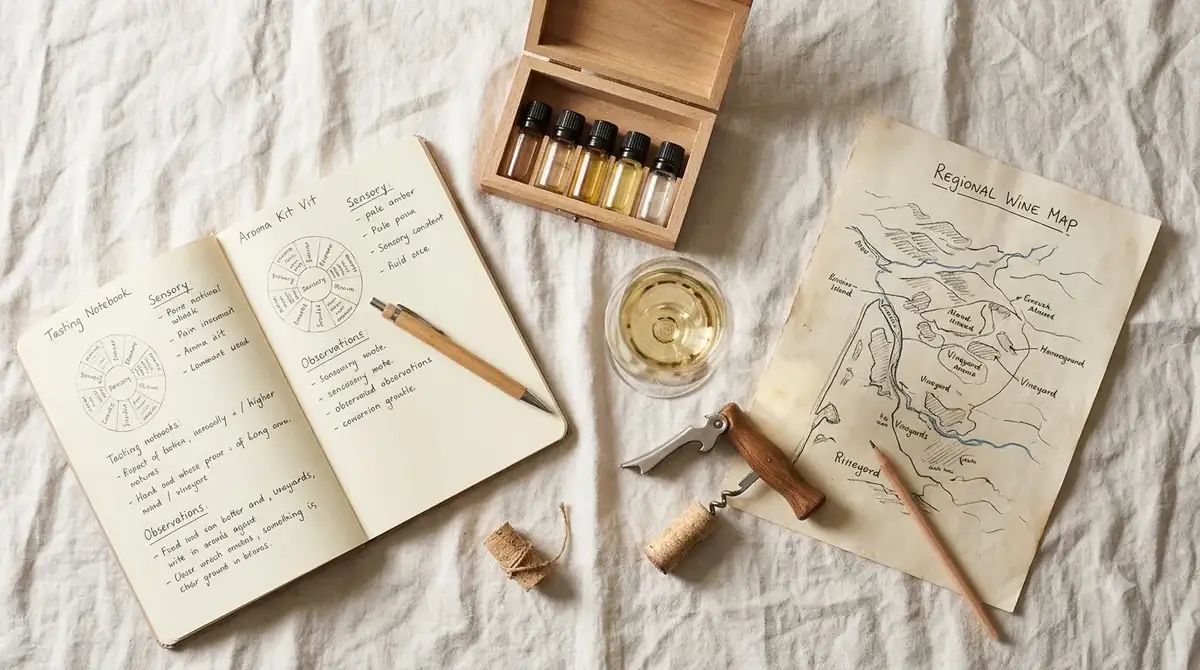
Ask the staff what they recommend before you taste, and tell them which styles you already enjoy. Good tasting-room hosts can explain the winery’s approach and guide you to bottles that fit your palate. Many places also let you take notes, so you can remember the wines you liked after the day is over.
Pay attention to how each wine changes as it warms in the glass. Rhône-style reds from warm sites often show more fruit and spice after a few minutes, while lighter whites may feel crisper when they are cold. Writing down two or three words for each wine, such as “dark cherry” or “firm tannins,” helps you compare them later.
Take small pours and use the spit bucket if you are driving or want to taste widely. Water between pours clears the palate. If you find a wine you love, ask about the club or the case price rather than buying a bottle you may not enjoy later. A winery’s own shop is also a good place to learn about wines you have not seen before.
Tip: Wear comfortable shoes. Some estates include a walk through the vineyard, and dusty or uneven paths are common. The Wine Folly guide makes the same suggestion for its Tablas Creek visit.
Frequently Asked Questions
How many wineries are in Paso Robles?
The regional tourism site describes more than 200 wineries across the Paso Robles wine country. Because the number is large, most visitors pick a handful of stops rather than trying to visit them all.
Do I need reservations for a tasting?
Reservations are recommended for weekends, holidays, and cave or estate tours. Some wineries accept walk-ins, but policies vary, so check each winery’s website before you go.
What wine is Paso Robles known for?
The region is known for Rhône-style reds such as Syrah, Grenache, and Mourvèdre, as well as Cabernet Sauvignon and Cabernet-based blends. The variety of styles is a big part of the appeal.
Is Paso Robles a good choice for a day trip?
It can be, but the drive is significant from major cities. Many visitors stay overnight so they can taste without rushing and avoid a long drive home after several pours.
A Paso Robles tasting day rewards a little planning and a relaxed pace. Choose a few wineries that match your interests, book ahead, and let the region’s Rhône and Cabernet styles show you what the Central Coast can do. For more background on the area, see our Paso Robles wine guide, or read the wine regions overview before you go.
More in Wine Regions
 Willcox Wine Trail: Discover Arizona’s High-Elevation Wine CountryUpdated Nov 20, 2026
 Yakima Valley Wine Region: Find the Best Styles to TryUpdated Nov 20, 2026
 Vosne Romanee Wine Tasting: Identify Aromas and Choose Better PairingsUpdated Nov 20, 2026
 Yakima Valley Wine Festival: Find the Best Seasonal Wine EventsUpdated Nov 20, 2026
 Wales Vineyards: Discover Cool-Climate Wines and Where to VisitUpdated Nov 20, 2026
 Yountville Wine Festival: Discover Napa Wines and Local FoodUpdated Nov 20, 2026