

We may earn a commission when you buy through links on this page, at no extra cost to you. Learn more.
Kosta Browne wine is a line of Pinot Noir and Chardonnay from Kosta Browne, a California winery whose story began in 1997 and whose name comes from its two founders, Dan Kosta and Michael Browne. The winery is known for Pinot Noir made from several cool-climate regions, with the Sonoma Coast as a central source. Its wines are built to age and change in the glass over time, so they reward a slow, attentive approach.
If you have seen a Kosta Browne bottle in a serious wine shop or on a restaurant list and wondered why it sits in a different category from most Pinot Noir, this guide explains the winery’s history, its main regions and styles, how to serve the wines, and what to look for on the label. It is written for drinkers who want to understand the bottle before they buy.
Where Kosta Browne Came From
The winery’s own account says the journey began in 1997 with a focus on making wines that could compete with the best in the world. Its founders, Dan Kosta and Michael Browne, met while working at John Ash & Co. in Santa Rosa. They pooled their knowledge to buy their first grapes, and the division of work they describe is simple: Michael built relationships with growers, while Dan handled marketing and sales with a third partner, Chris Costello.
The winery reached a wider audience early. The company says its 2009 Sonoma Coast Pinot Noir was named Wine Spectator’s number one Wine of the Year in 2011. That recognition helped establish the house as a Pinot Noir specialist, and the winery has kept its focus on the grape ever since.
The Regions Behind the Wines
Kosta Browne does not rely on one vineyard. The winery’s regional menu lists Russian River Valley, Sonoma Coast, Anderson Valley, Santa Lucia Highlands, Sta. Rita Hills, Willamette Valley in Oregon, and a Burgundy Series. Each region gives a different expression of Pinot Noir, which is why the winery’s lineup reads more like a set of places than a single house style.
Cool-climate regions are the common thread. Pinot Noir tends to show its best character where growing seasons are long and cool, since that keeps acidity alive and lets the fruit develop slowly. The winery’s coastal and cool-valley sources fit that pattern, which helps explain why its Pinot Noir feels lively even when it is rich.
| Region on the menu | Why it matters for a buyer |
|---|---|
| Russian River Valley | A cool, fog-influenced valley known for expressive Pinot Noir |
| Sonoma Coast | A cool coastal zone that shows bright fruit and fine tannin |
| Anderson Valley | A cool Mendocino valley with a distinct, aromatic style |
| Santa Lucia Highlands and Sta. Rita Hills | Central Coast sources with a range of cool-climate character |
| Willamette Valley | The Oregon source, added as the portfolio grew |
| Burgundy Series | Wines that draw on Burgundy villages, a link to the grape’s historic home |
Tip: If the label names a single vineyard, expect a more focused wine. If it names a region, expect a blend that shows the character of the area rather than one site.
How the Winemaking Works
The winery describes its method as careful blending of vineyard blocks and rows. In practice that means the winemakers combine material from different parts of a vineyard to build a wine that is balanced across the whole site. The result is a blend that can show more complexity than a single block, while still reflecting the place it came from.
The winery has been led by several winemakers over its history. The company’s account says Julien Howsepian became winemaker in 2019, at age 34, as the third winemaker in the company’s history. He describes the aim as refining the craft and making wines that are designed to age gracefully and evolve over time. That goal explains why the wines are presented as bottles to open at different points in their life rather than only on release.
Chardonnay and Sparkling Wine
Pinot Noir is the headline, but the winery also makes Chardonnay and sparkling wine. The company says it has elevated its Chardonnays and later started a sparkling program. The homepage highlights a Blanc de Blancs from the Russian River Valley as a featured bottle, which shows that the white and sparkling side of the range is a real part of the portfolio.
Chardonnay from a cool site tends to be crisp and mineral, with lively acidity. A sparkling Blanc de Blancs, made only from Chardonnay, is usually light and fresh with bright citrus and a fine bubble. If you want a white or a celebration bottle from the winery, these are good places to start, even if you came for the Pinot Noir.
How to Serve Kosta Browne Pinot Noir
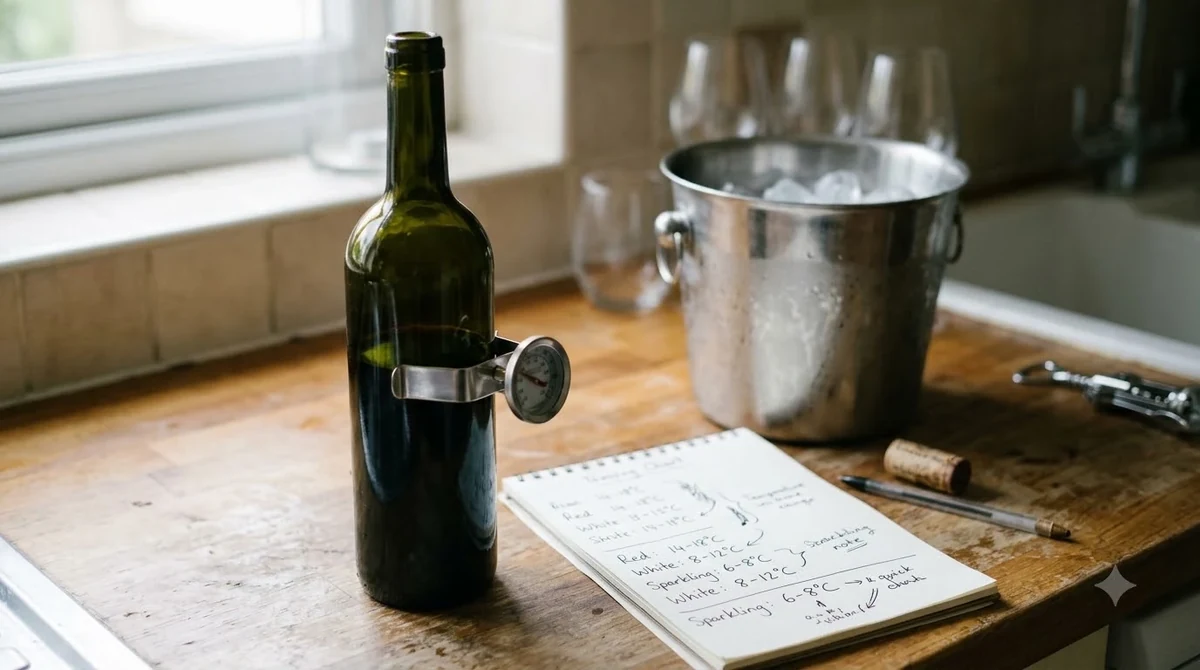
Serve Pinot Noir slightly cool, not warm. A short rest in the refrigerator before serving helps the fruit and acidity show, and a red that is too warm can taste heavy and flat. Once poured, give the wine a few minutes in the glass so the aromas open. Pinot Noir is delicate, so a standard large red glass is enough to concentrate the scent without overwhelming the palate.
Because these wines are built to develop, they often taste different across an evening. A bottle that seems tight at first may open up after twenty minutes, and a richer bottling may show more layers as it sits. Pour a small amount, then come back to the glass after the meal starts to see how the wine has changed.
Foods That Pair With Kosta Browne Wines
Pinot Noir is one of the most food-friendly reds, and Kosta Browne’s cool-climate style fits many dishes. Roast duck, salmon, mushroom risotto, roast chicken with herbs, and aged cheeses are all reliable matches. The bright acidity handles rich sauces well, and the fine tannin does not overwhelm lighter proteins.
The Chardonnay and sparkling bottlings suit shellfish, roast poultry, and creamy dishes. A Blanc de Blancs also works as an aperitif, since its freshness wakes up the palate before a meal. Keep very spicy food for another style, because heat can make a delicate Pinot Noir taste thin.
How to Choose a Kosta Browne Bottle
Start with the region if you want a particular style. A Sonoma Coast or Russian River Valley bottle is a good first choice for a bright, expressive Pinot Noir. A Burgundy Series bottle suits a drinker who wants to compare the grape with its historic home. The Willamette Valley bottle is worth trying for a Pinot Noir with a different character, and the Anderson Valley and Central Coast sources offer more contrast.
The winery’s own materials describe its wines as designed to age gracefully, so a bottle can be kept for a while if the producer’s guidance supports it. Store bottles on their side in a cool, dark place with steady temperature, and open them when the mood and the food are right rather than on a fixed schedule.
The winery also offers curated tasting experiences by reservation and a membership program with limited allocations and special releases. Gift boxes of one to three bottles are another option for a host or a gift. These services are described on the winery’s site, and the details change, so check the current offer before you plan a visit or an order.
Frequently Asked Questions
What is Kosta Browne wine?
Kosta Browne wine is a line of Pinot Noir and Chardonnay from a California winery founded in 1997 by Dan Kosta and Michael Browne. The Pinot Noir draws on several cool-climate regions, with the Sonoma Coast as a central source.
Is Kosta Browne only Pinot Noir?
Pinot Noir is the winery’s main focus, but the portfolio also includes Chardonnay and sparkling wine, including a Blanc de Blancs from the Russian River Valley.
Where do Kosta Browne grapes come from?
The winery’s regional menu lists Russian River Valley, Sonoma Coast, Anderson Valley, Santa Lucia Highlands, Sta. Rita Hills, Willamette Valley, and a Burgundy Series.
How should I serve Kosta Browne Pinot Noir?
Serve it slightly cool rather than warm, then give it a few minutes in the glass. Pinot Noir often changes over an evening, so taste it at different points in the meal.
Kosta Browne is a useful reference for drinkers who want to learn how cool-climate Pinot Noir changes from one region to the next. Start with a bottle from a region you like, then compare a second from a different source. For the winery’s own account of its wines and offers, visit the Kosta Browne website. To see how other producers are presented, the wine brands guide is a good next step, and a much lower-cost comparison can be found in our notes on barefoot wine.
More in Wine Brands
 Underwood Wine Price: Compare Bottles, Cans, and Pack SizesUpdated Nov 21, 2026
 Zenato Wine Price: Compare Styles and Choose the Right BottleUpdated Nov 21, 2026
 Zuccardi Wine Price: Compare Bottles and Find the Right RangeUpdated Nov 21, 2026
 Yellow Tail Moscato Review: Taste, Sweetness and Serving TipsUpdated Nov 21, 2026
 Wolf Blass Yellow Label Review: Choose Your Best StyleUpdated Nov 21, 2026
 Wolffer Estate Rose Review: Choose the Right Bottle for Your TableUpdated Nov 21, 2026