

We may earn a commission when you buy through links on this page, at no extra cost to you. Learn more.
Loire Valley wineries are mostly family-run estates, cooperatives, and merchant houses spread along the river from Nantes to Auvergne. Visiting them is different from a day in Napa or Oregon, because the estates are small, the sub-regions are far apart, and many producers make several appellations at once. Plan by sub-region, call ahead for tastings, and expect dry whites, sparkling wine, and light reds to be the main attraction.
If you are planning a trip or simply want to know who makes the wines you already buy, this guide explains how Loire Valley wineries are organized, which areas are worth a visit, and how to get the most from a tasting. It focuses on the producers and the places they sit in, so you can match a winery to the style you enjoy most.
How Loire Valley wineries are organized
Most Loire wineries fall into a few types. Family estates, often called domaines or châteaux, grow their own grapes and make their own wine. Négociants buy grapes or wine from many growers and blend them under their own name. Cooperatives pool the harvest of many members. Each type has a different feel when you visit. A family estate may let you walk the vineyard and meet the owner, while a larger house will usually run a more formal tasting room.
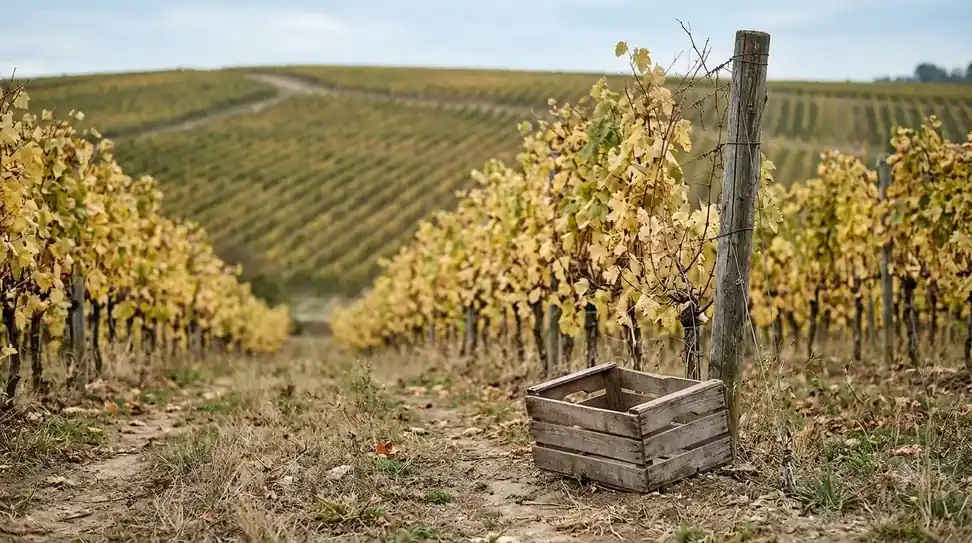
The region’s wineries also follow the valley’s geography. The Lower Loire, around Nantes, makes mostly dry whites from Melon de Bourgogne. The Middle Loire, centered on Angers, Saumur, and Tours, is the heart of Chenin Blanc, Cabernet Franc, and sparkling wine, as Wine Folly’s Loire Valley guide explains. The Centre-Loire, near Sancerre and Pouilly-Fumé, is known for Sauvignon Blanc. The Upper Loire, in Auvergne, is smaller and more inland. The style of a winery usually follows the sub-region where it sits.
Where to find the best producers by area
If you want to taste a wide range of styles in one trip, the Middle Loire is the most rewarding base. It has the greatest variety of grapes and the most estates that make more than one wine type. Many visitors split a visit between a dry Chenin producer in Anjou or Touraine and a sparkling house in Saumur.
| Area | What it is known for | What to taste | Visiting style |
|---|---|---|---|
| Nantes and the Lower Loire | Muscadet and its lees-aged whites | Dry, saline whites from Melon de Bourgogne | Relaxed tastings, often with local seafood |
| Anjou and Saumur | Chenin Blanc, sparkling Crémant de Loire, and rosé | Dry and sweet Chenin, sparkling wine, dry rosé | Cellar visits and tastings at family estates |
| Touraine | Chenin Blanc and Cabernet Franc | Vouvray whites, Chinon and Bourgueil reds | Tasting rooms in small villages |
| Sancerre and Pouilly-Fumé | Sauvignon Blanc and flinty whites | Sancerre, Pouilly-Fumé, and nearby Menetou-Salon | Hilltop estates with views of the vineyards |
| Auvergne (Upper Loire) | Gamay and Pinot Noir in light styles | Saint-Pourçain and Côtes d’Auvergne | Quiet, smaller estates away from the main route |
The table is a starting point. A single winery can make wines in several sub-regions, so check the label and the producer’s website before you build a route. The best trips usually follow the grapes you like rather than the names you already know.
Sparkling and sweet wineries worth planning around
Saumur is central to Crémant de Loire, the valley’s traditional-method sparkling wine, and several houses there give tours of their underground cellars. These visits are a good way to learn how the bubbles are made, and they tend to be more relaxed than a formal Champagne tour. Sparkling wine tasting is an easy addition to a day in the Middle Loire.
Sweet wine producers in the Layon area are a different kind of visit. Their wines come from Chenin Blanc grapes affected by noble rot, which concentrates the sugar and acidity. Tastings here are slower, and it helps to bring a notebook, since the wines show a lot of character in a small glass. Most of these estates are small, so reserve ahead.
How to plan a winery visit
Good planning makes the biggest difference. Choose one or two sub-regions for the trip rather than trying to cover the whole valley. Distances between towns can be longer than they look on a map, and the roads are often narrow. A day with three or four estates is a comfortable pace, and a longer tasting at one producer usually teaches more than a rushed circuit of many.
Book ahead when you can, especially for family estates and cellar visits. Many smaller producers welcome walk-in guests, but they are more likely to host you properly if they know you are coming. Ask in advance whether a tasting is free or paid, and whether it includes the wines you want to buy.
What to expect at the tasting table
A typical Loire tasting starts with the driest and lightest wines and moves toward richer or sweeter bottles. Expect to try a dry white, a sparkling wine, and a red, and ask the host to explain the grape and the appellation for each. Producers in the Centre-Loire will often compare Sancerre and Pouilly-Fumé directly, since the two are close neighbors and taste different.
Ask about the vineyard and the winemaking, not only about the price. Many hosts are happy to explain whether the wine is aged on its lees, whether the grapes are picked by hand, or how the producer approaches organic work. Those answers tell you more about the wine than a score does. Also remember that spitting is normal at many estates, especially on a long day.
Drink responsibly and plan your transport before you start. A designated driver, a tour company, or a taxi between estates is a sensible choice.
How to buy and ship Loire wine
Many visitors buy directly from the estate, which is often the best way to find small-production bottles that do not reach export markets. Ask whether the producer ships to your country and what the minimum order is. Smaller estates may sell only a few cases a year, so a bottle bought at the cellar door can be a memorable souvenir.
When you buy at home, look for the producer’s name and the appellation on the label. A winery that names its sub-region and grape clearly is usually easier to trust, and it gives you a reliable point of comparison if you visit later.
Frequently Asked Questions
Where are the best Loire Valley wineries for a first visit?
The Middle Loire, around Angers, Saumur, and Tours, is the most popular starting point. It offers dry Chenin Blanc, sparkling Crémant de Loire, and Cabernet Franc reds in one area, so you can taste several styles without long drives.
Do I need to book a Loire Valley winery tasting?
Booking is strongly recommended for family estates and cellar tours, since many are small and have limited hours. Some producers welcome walk-in guests, but calling or emailing ahead is the safer choice.
What is the difference between a domaine and a négociant?
A domaine is a family estate that grows its own grapes and makes its own wine. A négociant buys grapes or wine from many growers and blends the result under its own name. Visiting a domaine usually feels more personal than visiting a large négociant house.
Can I ship wine from a Loire Valley winery to the United States?
Many producers ship internationally, but rules for alcohol shipping vary by country and by state. Check with the winery about its shipping options and with your local authorities about import rules before you order.
Loire Valley wineries reward slow, focused visits. Pick one sub-region, book a few estates, and let the wines guide the rest of the trip. To learn more about the grapes and styles you will taste, read our guide to Loire Valley wine, and compare the valley with other places in the wine regions section.
More in Wine Regions
 Willcox Wine Trail: Discover Arizona’s High-Elevation Wine CountryUpdated Nov 20, 2026
 Yakima Valley Wine Region: Find the Best Styles to TryUpdated Nov 20, 2026
 Vosne Romanee Wine Tasting: Identify Aromas and Choose Better PairingsUpdated Nov 20, 2026
 Yakima Valley Wine Festival: Find the Best Seasonal Wine EventsUpdated Nov 20, 2026
 Wales Vineyards: Discover Cool-Climate Wines and Where to VisitUpdated Nov 20, 2026
 Yountville Wine Festival: Discover Napa Wines and Local FoodUpdated Nov 20, 2026