

We may earn a commission when you buy through links on this page, at no extra cost to you. Learn more.
Alexander Valley Vineyards is a winery in Alexander Valley, the largest fully cultivated wine region in Sonoma County, California. The valley runs northeast of Healdsburg from the Russian River toward the Mayacamas Mountains, and it became an official American Viticultural Area in 1984. Cabernet Sauvignon and Merlot are the signature grapes, and the valley is known for warm days, cool nights, and a long growing season.
If you are planning a trip to Sonoma County or simply want to understand the wines from this part of California, Alexander Valley is a good place to start. It is less famous than neighboring Napa Valley, but it has a strong reputation among growers and wine drinkers for its Cabernet and its range of cooler and warmer microclimates. This guide covers where the valley sits, what grows there, the wineries that define it, and how to plan a visit.
Where Alexander Valley Sits in Sonoma County
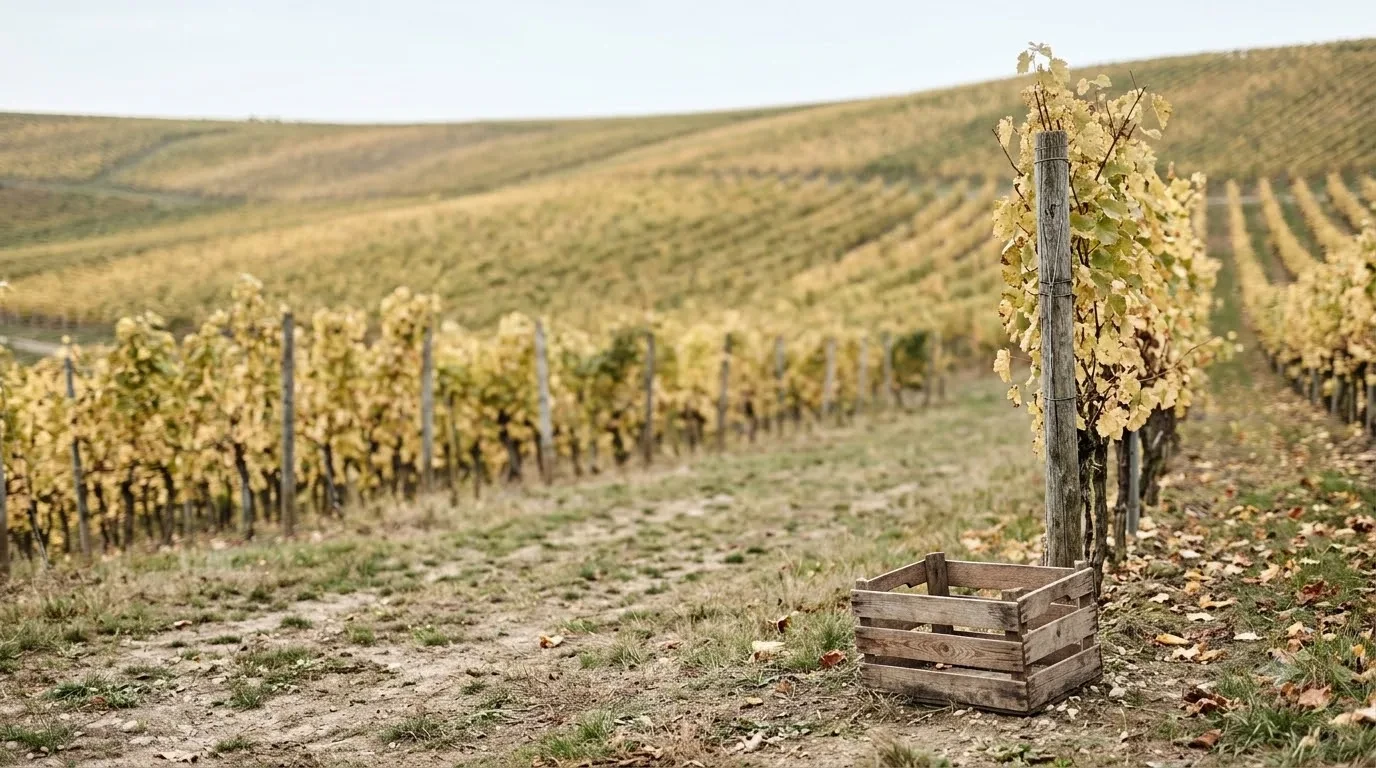
Alexander Valley lies in the northeastern part of Sonoma County, just north of the town of Healdsburg. The valley stretches from the Russian River on its western side east to the foothills of the Mayacamas Mountains, which form a natural boundary between Sonoma and Napa counties. The landscape is a broad, open valley with rolling hills and a mix of vineyards, orchards, and rural land.
The region was designated as an American Viticultural Area on October 24, 1984. It was the nation’s 70th AVA at the time, and the boundary was later amended several times, most recently in 2008. The official designation is what allows a wine to carry the Alexander Valley name on its label, which is why the region matters to buyers who look for a specific place on the bottle.
Climate and Growing Conditions
The climate is the key to the valley’s wines. Days can be among the warmest in Northern California, and that heat helps ripen red grapes fully. Nights, however, stay cool, and the gap between day and night temperatures is wide. That swing lets the grapes build flavor while holding on to acidity, which gives the wines structure and freshness rather than heavy, jammy fruit.
Morning fog rolling in from the Russian River is another defining feature. The fog settles over lower vineyards in the morning and burns off as the day warms up. The growing season runs roughly 240 to 270 frost-free days, a long stretch that suits varieties that need time to mature.
| Factor | What it means for the wines |
|---|---|
| Warm days | Full ripeness in red grapes, with deep color and fruit |
| Cool nights | Retained acidity, better balance and freshness |
| Morning fog | Gentle cooling early in the day, slower ripening on lower sites |
| Long growing season | Time for varieties to mature fully before harvest |
The Grapes That Define the Valley
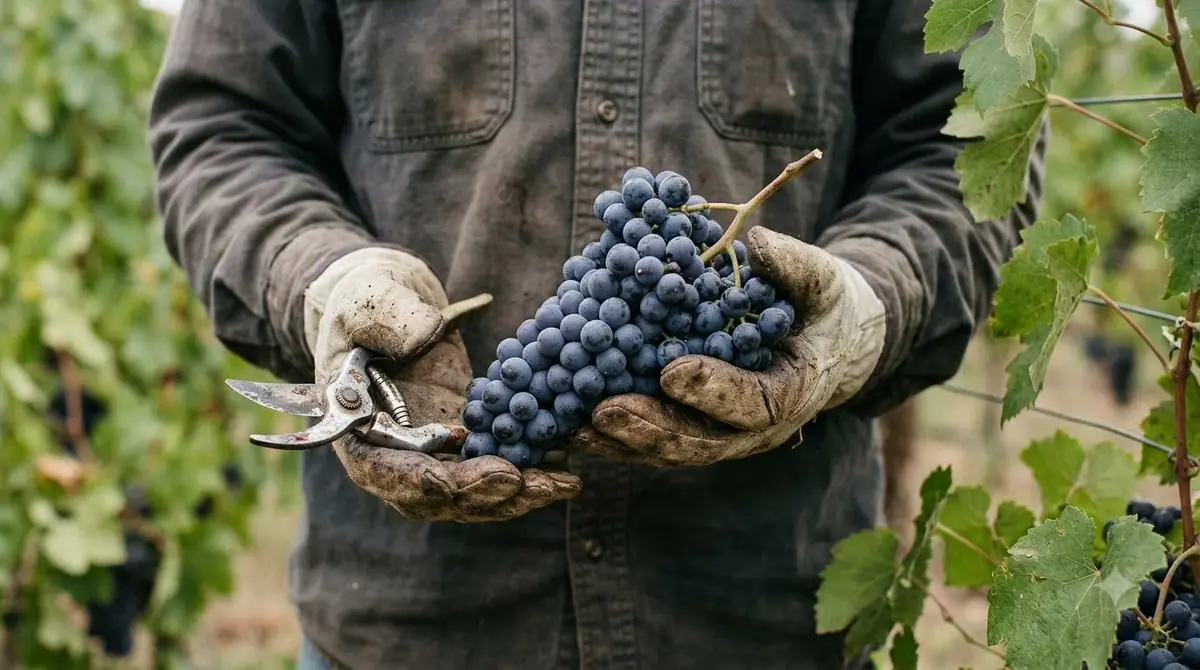
Cabernet Sauvignon is the star of Alexander Valley. The variety is the most planted and most recognized, and it makes wines that combine dark fruit, structure, and enough tannin to age. Merlot is the other major red, and it often gives a softer, rounder style that blends well with Cabernet. Together, these two varieties define the valley’s reputation for serious red wine.
The valley is also gaining recognition for other grapes. Chardonnay is grown in the valley too, and Nebbiolo and Sangiovese, two Italian varieties, are finding a place in the region’s vineyards. Some growers and writers have suggested that Zinfandel and Sauvignon Blanc may also suit the area well. These newer plantings are still developing, so the valley’s identity remains centered on its reds.
When you taste Cabernet from the valley, look for the balance the climate allows. A wine from a warm, well-exposed site often shows riper dark fruit, while a bottle from a cooler, foggier spot tends to be more structured and lively. Neither style is better, and tasting both side by side is one of the most useful ways to learn how a specific place shapes a grape. Ask the tasting room staff which vineyard sites feed each bottle, since many wineries source from several parts of the valley.
Notable Wineries in the Valley
Alexander Valley has a mix of large estates and smaller family wineries. Among the names most often associated with the region are Alexander Valley Vineyards, Murphy-Goode, Jordan, Chateau St. Jean, Simi Winery, Rodney Strong, and Chateau Souverain. Each has a different approach, from classic estate Cabernet to more casual tasting experiences, so a visit can be tailored to the kind of wine you enjoy.
Jordan Vineyard & Winery sits in Healdsburg within the valley and is one of the best-known names. The estate covers 1,200 acres, and more than three-quarters of it is protected open space. Its focus is on Chardonnay and Cabernet Sauvignon, and the winery says its wines are designed to pair with food. Its website describes the estate as having operated its core program “since the 1970s,” and it highlights an Alexander Valley Cabernet Sauvignon in its lineup.
Sub-Areas and Neighboring Regions
Alexander Valley shares its borders and its character with several smaller appellations. Chalk Hill AVA, Dry Creek Valley AVA, Russian River Valley AVA, Knights Valley AVA, Rockpile AVA, and Sonoma Coast AVA are all nearby. Knowing these names helps when you read a label, because a bottle may name a sub-appellation rather than the valley itself.
The Russian River Valley to the west is the most cooling influence, since the river and its morning fog reach the valley’s lower vineyards. Dry Creek Valley and Knights Valley sit close by as well, and each has its own microclimate. Because the region is so large, the sub-appellation on the label is a useful clue to the style you will taste.
Planning a Visit to Alexander Valley
Most visitors reach the valley from Healdsburg, which has restaurants, hotels, and tasting rooms within easy reach. Many wineries offer reserved tastings, and booking ahead is wise, especially on weekends and during busy seasons. Some estates pair their wines with food, and a few host seasonal events that draw bigger crowds.
If you are buying wine to take home, check whether the winery ships to your state before you go. Shipping rules for wine vary by state, and some producers sell only through their tasting rooms or mailing lists. Keep a note of the bottles you like, the vineyard designation on the label, and the vintage, so you can find them again later. Many visitors also find it useful to ask for a list of wines poured at each stop, which makes it easier to compare styles later.
Plan a route that suits your pace. Visiting three or four wineries in a day is manageable for most people, and a tasting flight with a snack is a better way to learn the valley than rushing through many rooms. Driving is the simplest option, but designate a driver or book a shuttle if you plan to taste more than a few wines.
Frequently Asked Questions
Where is Alexander Valley?
Alexander Valley is in northeastern Sonoma County, California, just north of Healdsburg. It runs from the Russian River east to the Mayacamas Mountains.
What grapes are grown in Alexander Valley?
Cabernet Sauvignon and Merlot are the main grapes. Chardonnay is also widely grown, and Nebbiolo and Sangiovese are gaining attention in the region.
When did Alexander Valley become an AVA?
The valley was designated an American Viticultural Area on October 24, 1984. Its boundaries were amended several times afterward, most recently in 2008.
Is Alexander Valley close to Napa Valley?
It is a separate region in Sonoma County. The Mayacamas Mountains separate Alexander Valley from Napa, so the two are neighbors but not the same place.
Alexander Valley rewards anyone who wants to understand the warm-day, cool-night style of Sonoma County. Start with a Cabernet, compare it to a Merlot or a Chardonnay from the same valley, and you will quickly see how the climate shapes each wine. For more background on other regions, visit our Wine Regions section, or read about napa valley wine to compare the two areas side by side.
More in Wine Regions
 Willcox Wine Trail: Discover Arizona’s High-Elevation Wine CountryUpdated Nov 20, 2026
 Yakima Valley Wine Region: Find the Best Styles to TryUpdated Nov 20, 2026
 Vosne Romanee Wine Tasting: Identify Aromas and Choose Better PairingsUpdated Nov 20, 2026
 Yakima Valley Wine Festival: Find the Best Seasonal Wine EventsUpdated Nov 20, 2026
 Wales Vineyards: Discover Cool-Climate Wines and Where to VisitUpdated Nov 20, 2026
 Yountville Wine Festival: Discover Napa Wines and Local FoodUpdated Nov 20, 2026