

We may earn a commission when you buy through links on this page, at no extra cost to you. Learn more.
Loire Valley wine comes from the long river valley in central France, and it is best known for dry, sweet, and sparkling whites made from Chenin Blanc, Sauvignon Blanc, and Melon de Bourgogne, along with fresh, light reds from Cabernet Franc and Gamay. The valley stretches from the Atlantic coast near Nantes to the hills of Auvergne, so the wines change a lot from one end to the other. Most of them share a clean, lively acidity that makes them easy to pair with food.
If you have ever seen a bottle labeled Sancerre, Muscadet, Vouvray, or Chinon and wondered what ties them together, you are asking the right question. This guide explains how the Loire Valley is organized, which grapes matter most, how the styles differ by sub-region, and how to serve and pair these wines at home. It also points you toward the best next steps if you want to explore further.
What Loire Valley wine is
The Loire is the longest river in France, and its valley is one of the country’s oldest and most varied wine areas. Unlike Bordeaux or Burgundy, where a few famous names dominate the conversation, the Loire is spread across many appellations that each use a different mix of grapes. That variety is the main reason the region is so interesting. A single trip along the river can take you from crisp oyster-friendly whites to sparkling wines made in the traditional method and to soft red wines that taste of raspberry and herbs.
The region is often split into four broad zones. Each one has its own climate and its own signature grapes, which is why a Sancerre and a Muscadet can taste so different even though both are white wines from the same river system.
The grapes that define Loire Valley wine
Five grape families do most of the work. Learning them will help you read a label faster and predict what is in the glass.
Chenin Blanc is the region’s most versatile grape. Winemakers use it to make dry, sweet, and sparkling wines, and its high acidity lets it pair with almost any food. Wine Folly’s Loire Valley guide links it with Savennières, Anjou, Saumur, Touraine, Vouvray, Montlouis, and Jasnières. Dry Chenin can taste of green apple, quince, and wet stone, while sweeter versions from the Layon area come from grapes affected by noble rot.
Cabernet Franc is the main red grape, and locally it is often called Breton. It produces light to medium-bodied reds with savory, red-fruit, and cedar notes. The best-known examples come from Chinon, Saumur-Champigny, and Bourgueil. These are not heavy wines, so they suit a slight chill and dishes that are roasted or herb-driven.
Sauvignon Blanc is the grape behind Sancerre and Pouilly-Fumé in the Centre-Loire. Expect green apple, herbs, and a flinty or smoky minerality. These wines are a favorite with people who want a dry white that is more restrained than many New Zealand Sauvignon Blancs.
Melon de Bourgogne is the grape of Muscadet. It makes lean, briny, citrus-driven whites that are often aged on their lees, the spent yeast left after fermentation. That contact adds a rounder texture while keeping the wine fresh.
Gamay appears most often in the cooler eastern and Upper Loire areas. It makes light, floral reds with low tannin, and it is an easy wine to drink slightly chilled. Smaller grapes such as Romorantin, Chasselas, Grolleau Noir, and Pineau d’Aunis fill out the picture, but you will meet the first five far more often.
Sub-regions from the coast to the mountains
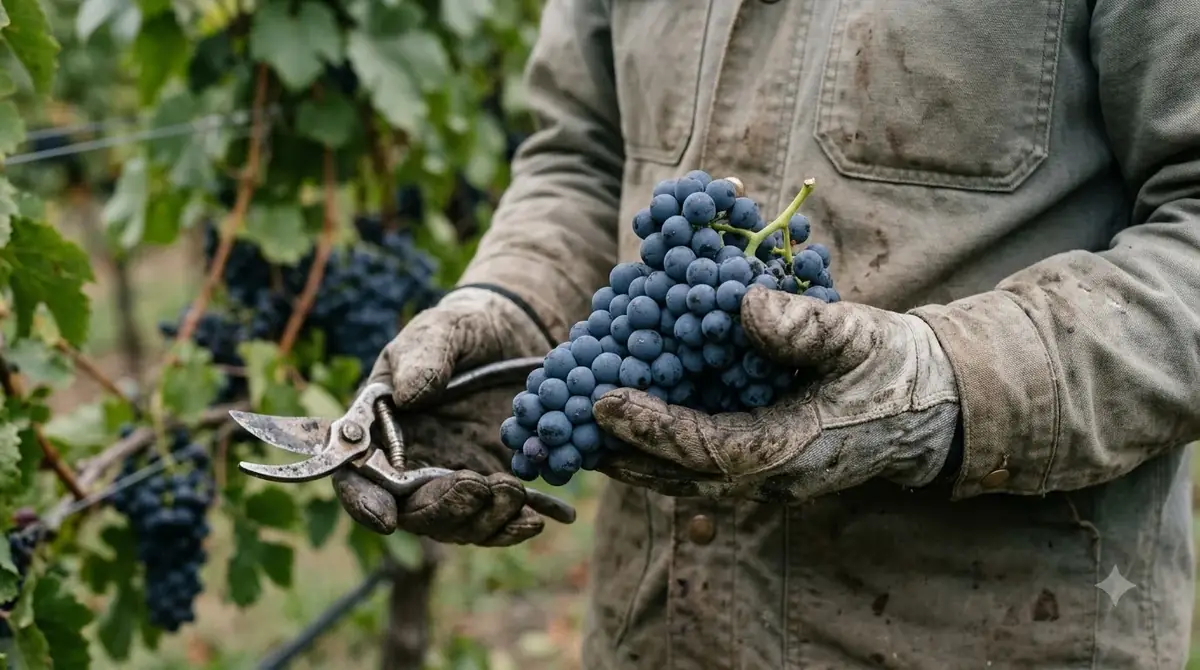
The table below gives a quick map of the valley. Start with the sub-region that matches the style you like best, then look for appellations in that area when you shop.
| Sub-region | Climate and setting | Typical wines | Notable appellations |
|---|---|---|---|
| Lower Loire (Pays Nantais) | Maritime, near the Atlantic | Mostly dry whites, often aged sur lie | Muscadet |
| Middle Loire (Anjou, Saumur, Touraine) | Mixed, the heart of the valley | Chenin Blanc in every style, Cabernet Franc reds, sparkling wine, sweet Layon wines | Savennières, Quarts de Chaume, Saumur-Champigny, Vouvray, Chinon |
| Centre-Loire | Continental, closer to Burgundy | Sauvignon Blanc whites, some reds and rosés | Sancerre, Pouilly-Fumé, Menetou-Salon, Quincy |
| Upper Loire (Auvergne) | Cooler and more inland | Gamay and Pinot Noir in light, fresh styles | Saint-Pourçain, Côtes d’Auvergne, Côte Roannaise |
The Middle Loire is where most people start. Anjou also makes a good deal of rosé, and Saumur is central to the production of Crémant de Loire, a sparkling wine made by the traditional method. The Lower Loire is smaller and more focused, with Muscadet as its flagship. The Centre-Loire is the home of Sancerre, which is why many American shoppers first meet the region through Sauvignon Blanc.
The Upper Loire is the least known of the four zones. Its wines are lighter and fresher than many people expect, and they make a good introduction to Gamay and Pinot Noir from France outside Burgundy.
Styles you will find in the glass
The Loire is one of the few French regions where you can find nearly every style of wine in one area. A helpful way to shop is to think in styles rather than in appellation names.
Dry whites are the largest group. They range from the saline, lean Muscadet to the richer, honeyed Chenin from Savennières. Sweet whites from botrytized Chenin in the Layon appellations, such as Quarts de Chaume, are concentrated and long-lasting, and they are a rewarding choice for dessert or for a cheese course. Sparkling wines from Saumur and the wider region offer a dependable alternative to Champagne at a lower price point, although prices vary a lot, so compare labels before you buy.
Rosé from Anjou is often dry or off-dry and goes well with picnics. Reds are light and fresh, with Cabernet Franc doing most of the heavy lifting and Gamay offering an even lighter option. If you usually drink big, oaky reds, expect these to feel more delicate on the palate.
How to serve Loire Valley wine
Serving temperature changes the experience more than most people expect. Crisp, dry whites such as Muscadet and Sancerre taste best well chilled, but not ice cold, because the aromas open up as the wine warms slightly. Light reds from Cabernet Franc and Gamay are best served a little cooler than room temperature, so a short time in the fridge before you pour usually helps.
Sweet Chenin from the Layon is best served chilled and in a small glass, since a little goes a long way. Sparkling Crémant is a natural choice for any occasion, and it works as an aperitif or with a meal. You do not need special glassware for most of these wines. A standard white wine glass suits the whites and a medium glass suits the reds.
If an older Loire red or Chenin tastes closed when you first open it, give it time in the glass or decant it for a short while. Young, fresh reds usually need no help at all.
Food pairings that work with Loire wine
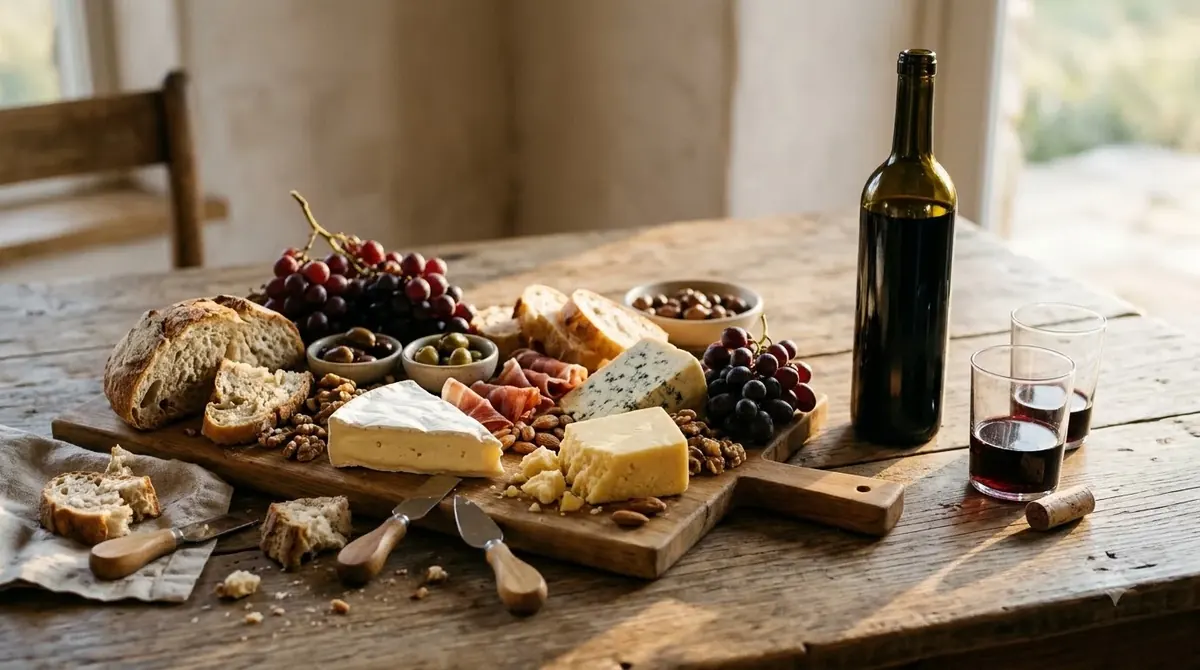
The classic pairing is Muscadet with fresh oysters, a match Wine Folly calls the region’s signature combination. The briny, citrus character of the wine echoes the flavor of the shellfish, and the bright acidity cuts through the richness of the meat. Shellfish and fish dishes in general pair well with the dry whites of the Lower Loire and Centre-Loire.
Chenin Blanc is the most food-friendly grape in the valley, since its acidity works with a wide range of dishes. Try dry Chenin with roast chicken, pork, or vegetarian dishes with herbs, and try sweeter Chenin with fruit tarts or blue cheese. Cabernet Franc suits roasted vegetables, grilled sausage, and dishes with fresh herbs, and it is more food-friendly than many people assume. Sancerre pairs naturally with goat cheese, which is a famous local combination.
How to choose a bottle
When you shop, start with the grape on the label and the sub-region. A Muscadet tells you to expect salty, citrus-driven white, while a Sancerre or Pouilly-Fumé means Sauvignon Blanc from the Centre-Loire. If the label names Chenin Blanc, check whether it says dry, demi-sec, or moelleux, since that tells you how sweet the wine will be.
For a first bottle, pick a dry Chenin Blanc from Anjou or Touraine, or a Cabernet Franc from Chinon or Bourgueil. Both offer a good balance of freshness and character, and both are easy to pair with everyday food. Once you know the styles, you can start to explore the smaller appellations, which often reward curious drinkers with real value.
Frequently Asked Questions
What is Loire Valley wine best known for?
The Loire is best known for crisp dry whites from Chenin Blanc, Sauvignon Blanc, and Melon de Bourgogne, along with light, fresh reds from Cabernet Franc and Gamay. It is also known for sweet Chenin from the Layon area and for traditional-method sparkling wine.
What is the difference between Sancerre and Muscadet?
Sancerre is made from Sauvignon Blanc in the Centre-Loire, so it tends to taste of green apple, herbs, and flint. Muscadet comes from Melon de Bourgogne near the Atlantic, and it is typically lean, briny, and citrus-driven. Both are dry whites, but they taste quite different.
Is Loire Valley wine sweet or dry?
Most Loire wines are dry, but the region makes sweet wines too. Sweet Chenin Blanc from the Layon appellations is one example, and the valley also produces off-dry rosés and sparkling wines in several styles.
What food goes best with Loire Valley wine?
Muscadet with fresh oysters is the classic match. Dry Chenin Blanc works with a wide range of dishes, from roast chicken to vegetarian meals, and Sancerre is a natural partner for goat cheese.
Loire Valley wine rewards curiosity. Start with one dry Chenin Blanc or one Cabernet Franc, then compare it with a Sancerre or a Muscadet. You will quickly see how much the valley’s sub-regions shape the wines. For a closer look at the producers and the places that make them, read our guide to Loire Valley wineries, and see how the region fits into the wider world of wine regions.
More in Wine Regions
 Willcox Wine Trail: Discover Arizona’s High-Elevation Wine CountryUpdated Nov 20, 2026
 Yakima Valley Wine Region: Find the Best Styles to TryUpdated Nov 20, 2026
 Vosne Romanee Wine Tasting: Identify Aromas and Choose Better PairingsUpdated Nov 20, 2026
 Yakima Valley Wine Festival: Find the Best Seasonal Wine EventsUpdated Nov 20, 2026
 Wales Vineyards: Discover Cool-Climate Wines and Where to VisitUpdated Nov 20, 2026
 Yountville Wine Festival: Discover Napa Wines and Local FoodUpdated Nov 20, 2026