

We may earn a commission when you buy through links on this page, at no extra cost to you. Learn more.
Chenin blanc wine ranges from bone-dry and mineral to honeyed and sweet, and the style depends mostly on where the grape is grown and how the winemaker handles it. The wines are built on high acidity, which lets them age for years and balance a surprising amount of sweetness. Once you know the main styles, it is easier to choose a bottle that fits the food and the mood.
Chenin blanc is one of the most versatile white wines in the world, yet many drinkers pass it by because the label rarely says much about what is inside. This guide explains the main styles, what they taste like, how to serve them, and how to pick a bottle that suits you. It focuses on the finished wine rather than the grape’s history, which is covered in the chenin blanc grape guide.
The Range of Chenin Blanc Styles
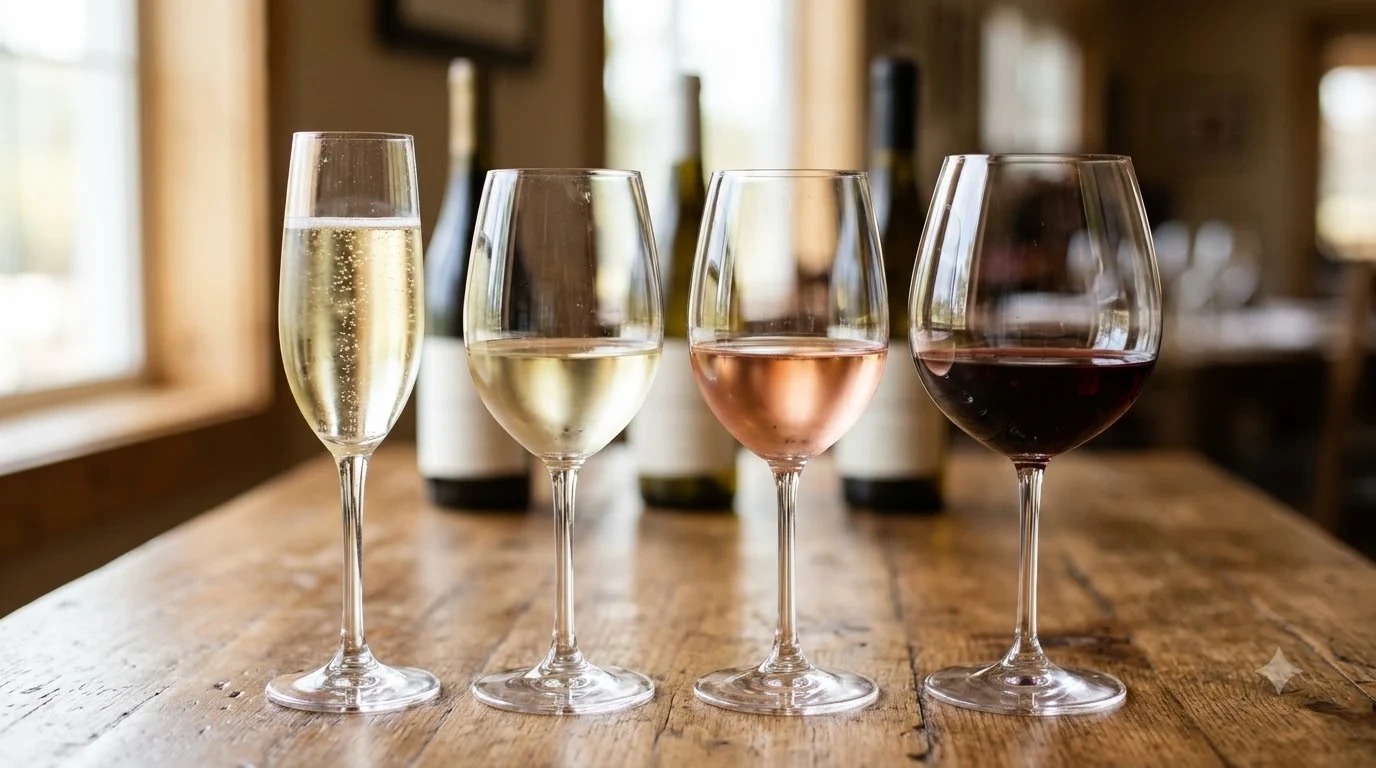
The grape’s biggest strength is its range. A single variety can produce wines that taste crisp and dry, rich and textured, or sweet enough to serve with dessert. According to the VinePair Chenin Blanc guide, producers in the Loire Valley make everything from sweet dessert wines to demi-sec Vouvrays and superdry Savennières. The same guide notes that sparkling versions, including Crémant de Loire and sparkling Vouvray, are also part of the family.
Because the style changes so much, the label term matters more than the grape name. A dry Savennières and a sweet Coteaux du Layon are both chenin blanc, but they will taste and pair very differently. Learning a few regional terms will do more for your choices than memorizing a list of producers.
What Chenin Blanc Tastes Like
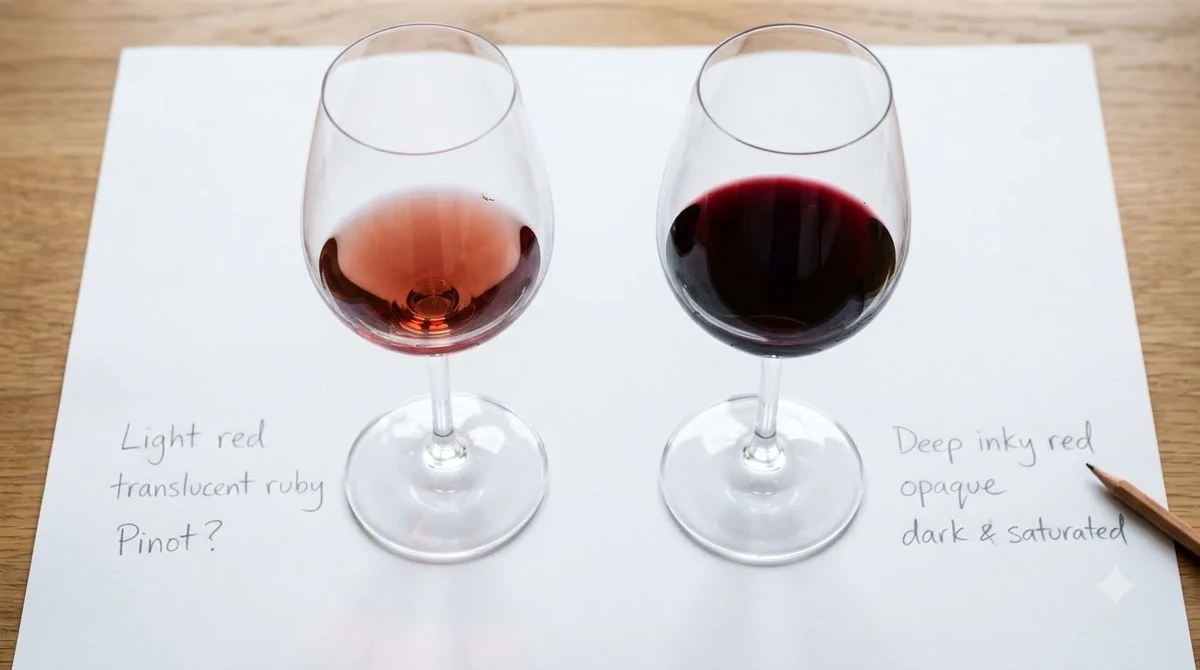
Chenin blanc is known for a bright, fruity character and a strong sense of acidity. VinePair describes common flavor notes such as greengage, angelica and barley sugar, along with apple and pear in some Anjou bottlings. Even when the wine is dry, the aromas often suggest a hint of sweetness, which is one reason the grape feels generous on the nose.
Amber color can appear in older or richer bottles, and the wine often seems to suit cooler months. The palate can change quite a bit from one bottle to the next. Some wines are lean and precise, while others have a silky, honeyed texture. Acidity keeps the sweeter styles from feeling heavy, and it gives the drier ones a fresh finish.
| Style | What it tastes like | Typical use |
|---|---|---|
| Superdry | Mineral, firm and savory, with bright acidity | Seafood, roast chicken, aperitif |
| Demi-sec | Honeyed and rounded, with a gentle sweetness | Pork with apples, Thanksgiving-style meals |
| Sweet dessert | Rich, concentrated and nectar-like | Roasted pears, cheese, desserts |
| Sparkling | Lively bubbles with orchard fruit | Celebrations, light appetizers |
How Long Chenin Blanc Can Age
Acidity and structure are the reasons chenin blanc ages so well. The VinePair guide notes that the wine’s backbone gives top-quality examples serious aging potential, and the author mentions a 2005 Savennières that was still doing well years later. Not every bottle needs time in the cellar, but the best wines from strong producers can develop nutty, honeyed and dried-fruit notes over many years.
Everyday bottles are usually meant to be enjoyed young, while premium dry and sweet styles reward patience. If you are buying a bottle to keep, check the producer’s notes or ask at the shop whether the wine is built for aging. Those notes will tell you more than the vintage alone.
How to Serve Chenin Blanc
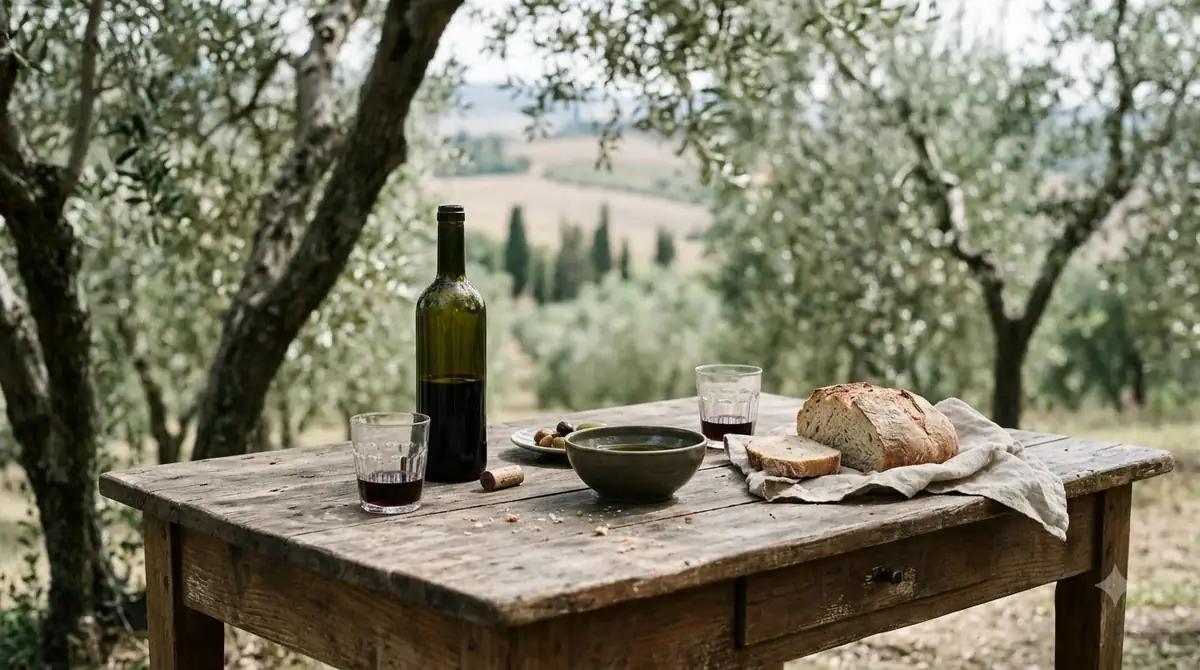
Serve drier chenin blanc chilled, but not ice cold, so the aromas and acidity stay in balance. Sweet styles can be served a little colder for a refreshing effect, though they will taste richer as they warm. A wide white wine glass helps the aromas open, while a smaller glass works well for sweet wines poured in modest amounts.
Open a bottle a little before you plan to drink it, especially for a dry style. Give it a few minutes in the glass and taste again, because the fruit and texture often become clearer as the wine warms slightly. Re-cork leftover wine and keep it cold, since the bright acidity fades more slowly than the fruit when stored well.
Tip: Sweet chenin blanc keeps well once opened when kept cold. Serve a small pour, as its richness means a little goes a long way.
Food Pairings That Work
Chenin blanc is one of the more food-friendly white wines because it has both acidity and texture. VinePair suggests pairing it with butternut squash soup, roasted parsnips, chestnuts and pork with apples. Its drier styles also suit fresh seafood, herbs and creamy dishes, while the sweeter ones match fruit desserts and sharp cheeses.
The same source pairs Mosse Anjou with Gruyère or Comté, roasted pears with Coteaux du Layon, and demi-sec Vouvray with a holiday dinner. A useful rule is to match sweetness to sweetness. If the wine tastes sweeter than the food, the dish can feel dry and flat, so choose a sweeter bottle or a less sugary dish.
How to Choose a Chenin Blanc Bottle
Begin with the style you want. If you like crisp whites with a mineral edge, look for a dry label from the Loire. If you enjoy honeyed flavors, a demi-sec bottle will feel rounder and more generous. Sweet dessert wines are best saved for the end of a meal or with cheese, since a small glass goes a long way.
Next, think about where the wine comes from and who makes it. Producer notes, regional labels and the sweetness term give you more guidance than a single rating. For a comparison with another white that many people know, the sauvignon blanc wine guide is a helpful reference, and the Wine by Type section shows how chenin blanc fits among other white varieties.
Chenin Blanc in Sparkling Form
Chenin blanc also makes sparkling wine, and this is one of the less familiar sides of the grape. The VinePair Loire guide mentions Crémant de Loire and sparkling Vouvray as part of the family. These wines bring the grape’s orchard fruit and acidity into a lively, bubbly style that suits celebrations and light appetizers.
Sparkling chenin often feels fresher than many still wines, and its acidity makes it easy to pair with salty snacks. Check the label for the sweetness term, since sparkling bottles range from dry to sweeter styles. A dry sparkling chenin can work as an aperitif, while a sweeter one fits a dessert course.
Mistakes to Avoid When Buying Chenin Blanc
The most common mistake is assuming all chenin blanc is sweet. Many shoppers reach for a bottle expecting honey and dessert, then find a dry, mineral wine instead. Reading the sweetness term or the producer’s description avoids that surprise. A second mistake is leaving an opened bottle at room temperature, since the wine loses its freshness faster than a cold bottle would.
Another point to remember is that the grape’s acidity is a feature rather than a flaw. A sharp, bright edge can seem unusual if you are used to softer whites, but it is what keeps the wine fresh, helps it age and makes it work with food. Give a bottle a few minutes with a meal before judging its balance.
Frequently Asked Questions
Is chenin blanc always sweet?
No. Chenin blanc can be bone-dry, off-dry or sweet, depending on the producer and the style. Read the sweetness term on the label or check the producer’s notes before you buy.
What does chenin blanc taste like?
It often shows orchard fruit such as apple and pear, along with notes of greengage and honey. Acidity keeps the wine fresh, even when it is sweet.
Can chenin blanc age?
Yes. Its acidity gives many bottles real aging potential, and the best wines can develop richer, honeyed and nutty flavors over years. Everyday bottles are usually best enjoyed young.
What food goes best with chenin blanc?
Pork with apples, roasted parsnips, butternut squash soup and creamy cheeses are good matches. Dry styles also suit seafood, while sweeter styles work with roasted fruit and desserts.
Chenin blanc rewards a little curiosity. Try a dry bottle with seafood, then compare a demi-sec with a roast or a holiday dinner. Once you see how one grape can move from crisp to honeyed, choosing a bottle gets much easier.
More in Wine Types & Grapes
 Zinfandel Sugar Content: Dry Red vs. White Zinfandel GramsUpdated Nov 21, 2026
 Best Zinfandel Substitute Options for Sipping and CookingUpdated Nov 21, 2026
 Zweigelt Food Pairing: Best Dishes, Cheeses, and Serving TipsUpdated Nov 21, 2026
 Zinfandel Tannins Explained: How Structure Shapes Every BottleUpdated Nov 21, 2026
 Zinfandel Sweetness Level: Dry Red vs. Sweet White Zin ExplainedUpdated Nov 21, 2026
 Xinomavro Food Pairing: Best Dishes, Styles, and Serving TipsUpdated Nov 21, 2026