

We may earn a commission when you buy through links on this page, at no extra cost to you. Learn more.
Jordan cabernet is the Cabernet Sauvignon from Jordan Winery, an estate in Healdsburg, California, in the Alexander Valley. The winery names three focuses on its own site: Chardonnay, Cabernet Sauvignon, and hospitality. Its Alexander Valley Cabernet is the bottle most drinkers will meet first, and it is built for food and for a longer evening at the table rather than for a quick glass.
If you have seen Jordan on a restaurant list or on the shelf of a wine shop and want to know what to expect, this guide covers the estate, the style of its Cabernet, how to serve it, and what foods suit it. It is written for everyday drinkers and gift buyers, not for collectors looking for cellar-only vintages.
What Jordan Winery Is
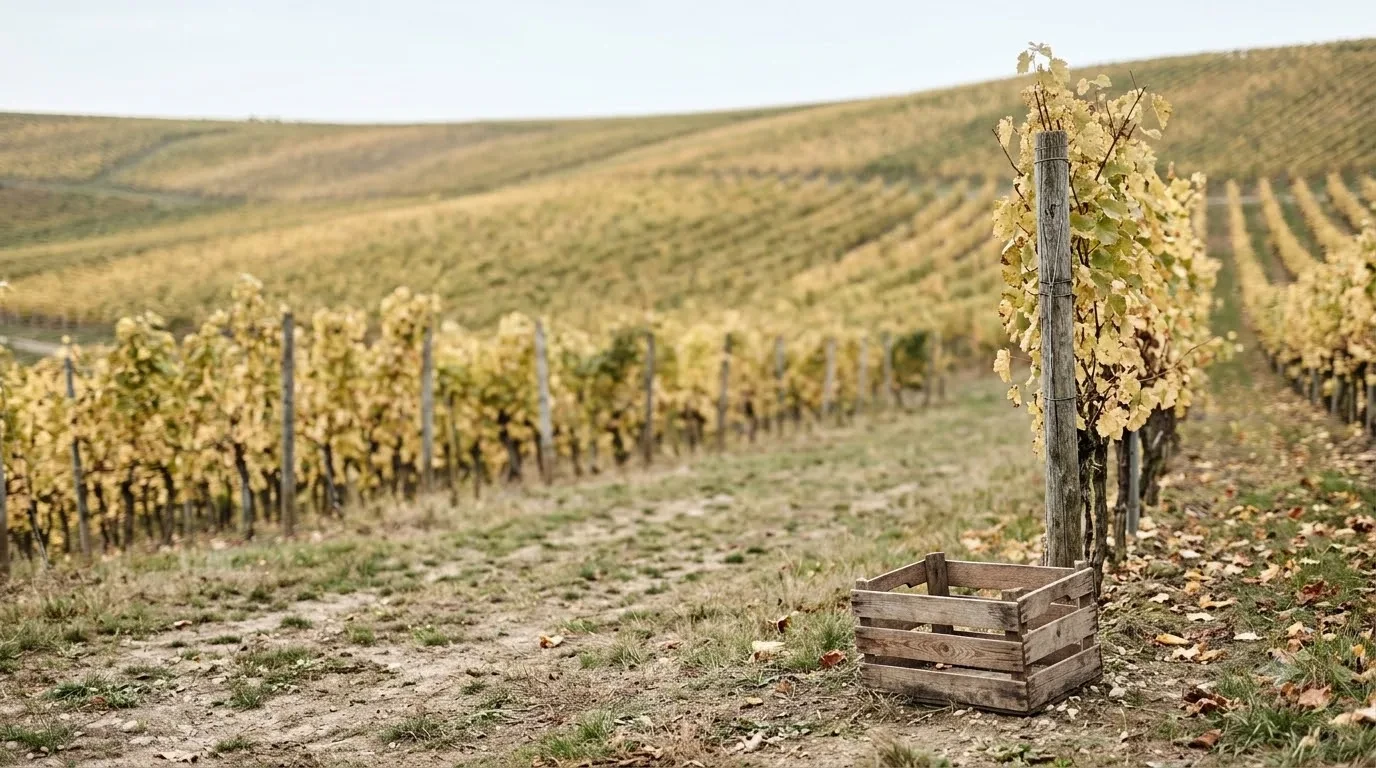
Jordan Winery sits on a Healdsburg estate in the Alexander Valley, a warm inland stretch of Sonoma County. The winery’s website describes the estate as covering about 1,200 acres, and it notes that most of that land is kept as open space rather than planted. For a buyer, that detail matters because it means the wines come from a managed estate with a clear identity, not from a collection of purchased grapes.
Because the estate is large and mostly open space, the winery is less a single producer than a working farm with a tasting room attached. That shows in the way the Cabernet is talked about: the focus is on the vineyard blocks, the growing season, and the balance of the finished wine, rather than on a single signature technique. For a reader, this makes the bottle easier to understand. The label tells you the valley and the estate, and the rest comes down to the vintage and the house style, which is consistent enough across releases that a drinker can learn what to expect.
The winery’s own description says it has concentrated on three things since the 1970s: Chardonnay, Cabernet Sauvignon, and hospitality. The combination is typical of established Sonoma estates, where the tasting room, the vineyard, and the wine are part of one visit. Readers who want to understand the wider brand can use the wine brands guide to compare Jordan with other family and estate producers.
Why Alexander Valley Shapes the Cabernet
Alexander Valley is a broad, warm valley, and its Cabernet tends to show ripe dark fruit with a fuller body than the cooler coastal regions produce. The region’s sites vary, though, and the difference between a valley-floor vineyard and a hillside block can be large. Estate-grown Cabernet like Jordan’s is shaped by that site, so the bottle reflects where the fruit was grown more than any single winemaking trick.
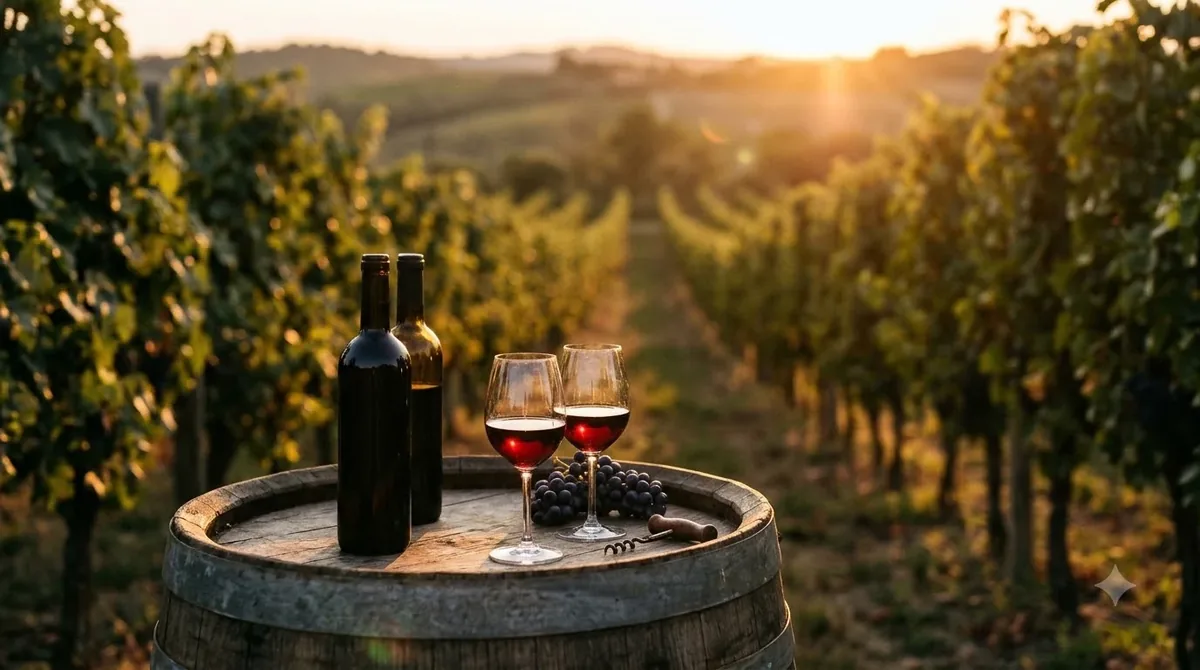
For drinkers, the practical takeaway is that Alexander Valley Cabernet usually feels rounder and more generous than a lean, mountain-grown red. It is a good match for the classic Cabernet meal of roasted meat and a rich sauce, and it rarely needs much help to taste balanced in the glass.
What the Jordan Cabernet Style Is Like
The winery’s Cabernet is built for food. Expect dark fruit, a firm frame, and enough tannin to make the wine feel structured on the palate. The style is not light, and it is not meant to be drunk as a quick aperitif. Like most estate Cabernets, it rewards a little time after opening.
The table below is a general guide to how the Jordan Cabernet fits next to other Napa and Sonoma reds you might compare it with. The descriptions reflect common regional patterns rather than a tasting score, so use them to set expectations and then check the current release.
| Feature | Jordan Alexander Valley Cabernet | What it means for you |
|---|---|---|
| Region | Alexander Valley, Sonoma County | A warm valley that favors ripe, structured reds |
| Estate | Healdsburg estate, about 1,200 acres with much kept as open space | One managed site with a clear house identity |
| Main focus | Cabernet Sauvignon alongside Chardonnay | The winery’s core red is the Cabernet |
| Body and tannin | Full, structured, dark fruit | Pairs best with rich food and time to open |
Tip: If you are unsure whether a Cabernet will be too big for the meal, serve it alongside the food rather than before it. The fruit will feel softer once the tannin meets protein.
How to Serve and Pair Jordan Cabernet
Cabernet is also a good test of how much a meal matters. Plain grilled chicken or a simple pasta with tomato will not hold up well against a firm red, because the wine will taste sharp next to a light dish. Shift the menu toward richer, savory food and the same bottle starts to make sense. Many people find that the best way to learn a Cabernet is to taste it with three or four different dishes and notice how each one changes the wine, rather than judging it on its own.
Serve Cabernet slightly below room temperature, not warm. If the bottle has been sitting in a warm room, a short rest in the refrigerator before pouring helps the aromas show clearly. Pour into a large glass so the wine has room to open, and give it ten to fifteen minutes in the glass before you judge it.
For food, the classic match is grilled or roasted beef, lamb, or a hearty mushroom dish. Hard aged cheeses also suit a firm red, as does a dish with a savory sauce. Cabernet and very spicy food can clash, because heat makes the wine’s tannin feel harsher, so save the strong chili dishes for a lighter red or a white.
How to Choose a Jordan Bottle
Pick the bottle for the occasion. A standard Alexander Valley Cabernet is a dependable choice for a dinner with friends, a holiday meal, or a steak night. If you want a bottle to hold for a while, check the vintage and look for the richer, more structured releases from the winery, which tend to reward time in the cellar.
Consider the buyer as well. Jordan suits drinkers who already like Cabernet and want a steady, food-friendly red from a long-established estate. It is less of a fit for someone looking for a light, fruity red to drink on its own, since the house style is built around structure and depth.
Think about how the bottle will be used, too. A Cabernet of this weight works well for a long dinner where the wine is poured across several courses, and it is less suited to a quick party where people drink a glass standing up. If you are hosting, open the bottle an hour before guests arrive, or decant it at the start of the meal. Either approach lets the wine settle and gives the tannin a chance to soften, so the second glass tastes as good as the first. Leftover wine keeps reasonably well for a day or two when it is re-corked and stored cool, although the fruit will fade over time.
When you shop, read the label for the vintage and the appellation. The vintage tells you how the season shaped the fruit, and the appellation tells you where the grapes were grown. Retailers often show only the producer name, so check the back label or ask staff which bottling they are pouring if the front is not clear.
Frequently Asked Questions
What is Jordan cabernet?
Jordan cabernet is the Cabernet Sauvignon from Jordan Winery, an estate in Healdsburg in the Alexander Valley. It is known for a structured, food-friendly red style.
Where is Jordan Winery located?
The winery is on a Healdsburg estate in the Alexander Valley of Sonoma County, California. The estate is large, and much of its land is kept as open space.
Does Jordan Cabernet need to be decanted?
It often benefits from a short rest or decanting, especially when it is young. Give the wine time to open before serving so the fruit and tannin settle into balance.
What food goes best with Jordan Cabernet?
Roasted or grilled beef, lamb, and mushroom dishes are classic matches. Avoid very spicy food, since heat can make the tannin feel harsher.
Jordan Cabernet is a dependable choice for drinkers who want a structured, food-friendly red from a long-established Sonoma estate. Start with a standard bottling for a shared meal, then look at the richer releases if you want to keep a bottle longer. To see how the winery presents itself, visit the Jordan Winery website. If you are comparing other Napa and Sonoma Cabernets, the notes on Caymus Cabernet cover a different estate style for the same grape.
More in Wine Brands
 Underwood Wine Price: Compare Bottles, Cans, and Pack SizesUpdated Nov 21, 2026
 Zenato Wine Price: Compare Styles and Choose the Right BottleUpdated Nov 21, 2026
 Zuccardi Wine Price: Compare Bottles and Find the Right RangeUpdated Nov 21, 2026
 Yellow Tail Moscato Review: Taste, Sweetness and Serving TipsUpdated Nov 21, 2026
 Wolf Blass Yellow Label Review: Choose Your Best StyleUpdated Nov 21, 2026
 Wolffer Estate Rose Review: Choose the Right Bottle for Your TableUpdated Nov 21, 2026