

We may earn a commission when you buy through links on this page, at no extra cost to you. Learn more.
Pinot grigio wine is a light, crisp white wine made from the pinot gris grape, and its style changes a lot with where it is grown. Italian versions are usually lean and citrusy, while those from Oregon or Alsace tend to be fuller and fruitier. Most bottles are meant to be drunk young, so a recent vintage is usually the better choice.
This guide covers what pinot grigio wine tastes like, how Italian, Oregon and other versions differ, how to serve it, and which foods it pairs with. It is written for shoppers who want to know what they are buying before they reach for a bottle at the store.
What pinot grigio wine is
Pinot grigio is the Italian name for the pinot gris grape. The grape is a white variety that originated in Burgundy, France, and it is closely related to pinot noir. According to the pinot gris overview, researchers have found that the two grapes have very similar DNA, and the difference in color comes from a mutation that occurred centuries ago. That is why the berries look pinkish gray instead of dark blue.
The name you see on the label depends on where the wine was made. In Italy the bottle says pinot grigio, while in France, Oregon and much of the New World it is labeled pinot gris. The grape is the same in both cases, but the wine style can differ noticeably.
How the style changes by region
Where the grapes are grown is the biggest factor in how the wine tastes. Italian pinot grigio, grown in areas such as Friuli-Venezia Giulia, Alto Adige and Oltrepò Pavese, is typically light bodied, lean and crisp, with higher acidity. Those grapes are often picked early, which keeps the flavor neutral and refreshing. This is the style most people picture when they hear the name.
Oregon pinot gris is generally medium bodied, with aromas of pear, apple and sometimes melon. Alsatian versions in France are a different story, usually medium to full bodied and spicier, with a floral nose, and they can age well for years. Italy is the largest producer of the style by volume, so most bottles on a typical shop shelf will be Italian, which is why the crisp, lean profile is the one many drinkers know best. California bottles often sit somewhere in between, light and refreshing, with a hint of pepper or herbal bite.
If you like a crisp, easy wine, start with an Italian bottle. If you want more fruit and body, look at Oregon or Alsace, and check the label for the region before you assume a style.
Color and winemaking
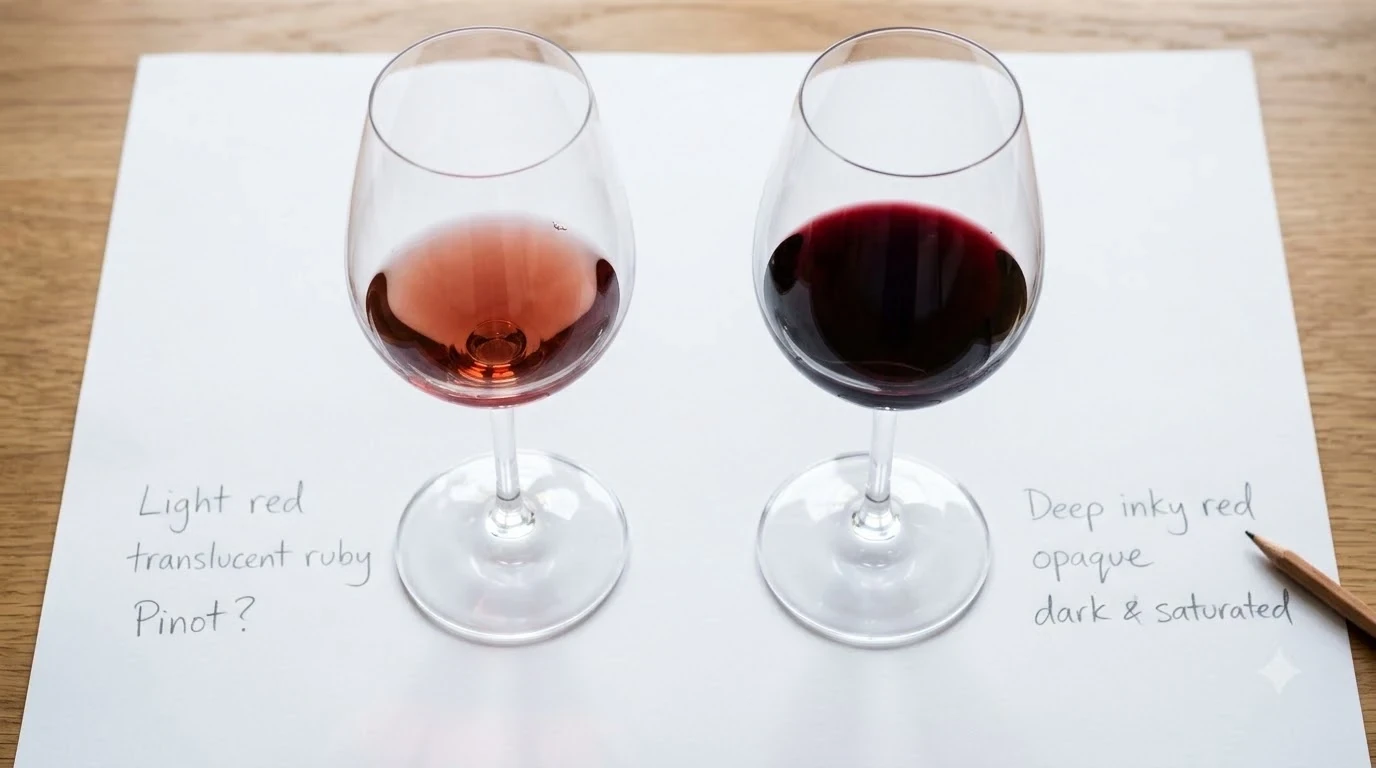
Despite the grape’s gray-pink skin, most pinot grigio wine is pale. Finished bottles range from pale straw to light golden yellow, and some producers make a deeper copper-colored version by letting the juice stay in contact with the skins for longer. These wines are often called orange or skin-contact wines, and they have more texture and tannin than a typical white.
The grape also suits early bottling. Many pinot grigio wines are made to be sold soon after fermentation, and the producer usually bottles them within a few weeks to a few months. That is why the wine tastes freshest when it is young. Some winemakers blend pinot grigio with a little pinot noir to lighten its flavor or add color, though this is less common than the single-varietal style.
| Style | Typical body | Common flavors |
|---|---|---|
| Italian (Friuli, Alto Adige) | Light, lean | Lemon, green apple, almond |
| Oregon | Medium | Pear, apple, melon |
| Alsace | Medium to full | Spice, florals, stone fruit |
| California | Light, refreshing | Citrus, white pepper, herbs |
How to serve pinot grigio
Serve pinot grigio well chilled, usually between about 45 and 50 degrees Fahrenheit, so the acidity stays bright and the aromas do not feel flat. The Wine Folly guide to pinot gris and pinot grigio gives a slightly wider range of 45 to 55 degrees Fahrenheit, and notes that fuller-bodied or skin-contact styles can be served a little warmer to bring out their complexity. A standard white wine glass with a moderately narrow bowl works well, because it keeps the fresh fruit notes in the glass. Decanting is not needed for this style.
Open the bottle close to when you plan to drink it. Pinot grigio does not improve much with extra time in the bottle, and oxygen can soften the crisp character that makes it appealing. Reseal leftover wine tightly and keep it refrigerated, and plan to finish it within a few days for the best flavor.
Tip: Chill the bottle for about two hours before serving. Pinot grigio served too warm tastes thin, while one that is too cold can hide its fruit.
Food pairings that work well
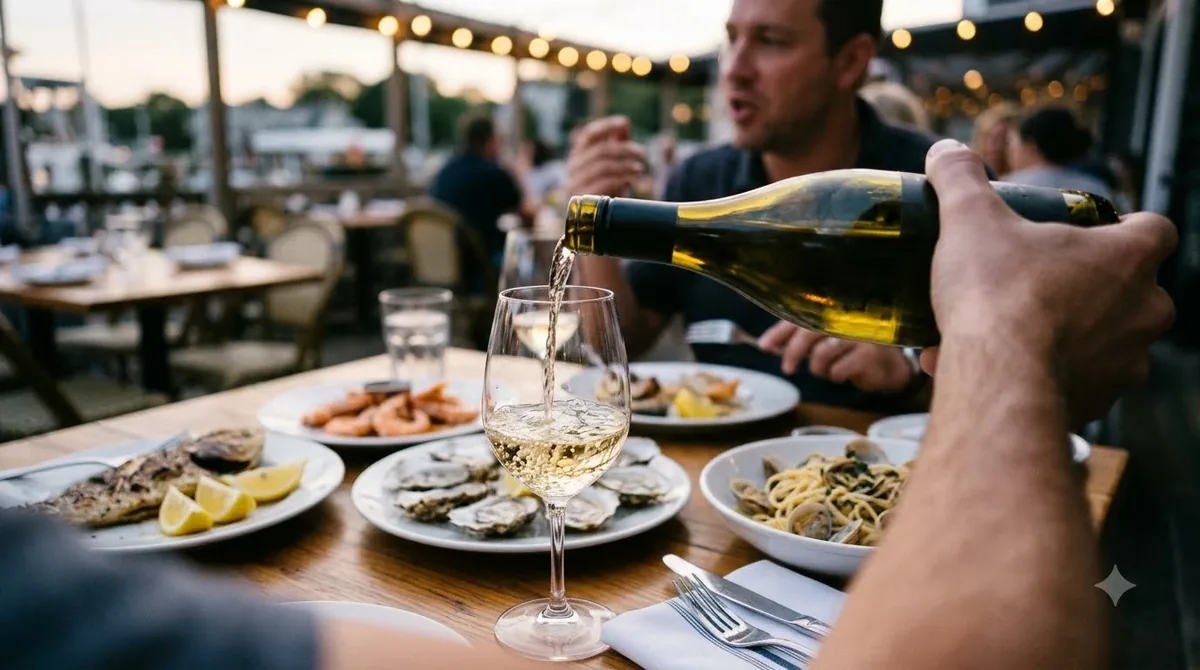
The wine’s acidity and light body make it a good match for seafood, especially shellfish, grilled fish and light pasta with lemon or herbs. It also works with fresh cheeses, salads and cured meats such as prosciutto. For a simple dinner, a bottle of Italian pinot grigio can sit alongside a plate of grilled shrimp or a green salad without overwhelming either.
Richer styles from Oregon or Alsace can handle heavier dishes, including roasted chicken, creamy sauces and dishes with some spice. Their fruit and texture stand up to more flavor. For ideas on cooking with the wine itself, see cooking with pinot grigio.
How to choose a bottle
When you shop, start with the region on the label. A bottle from northeastern Italy will usually taste crisp and simple, while an Oregon or Alsace bottle will show more fruit and weight. Next, look at the vintage. Because most pinot grigio is meant to be drunk young, a recent year is usually the safer pick unless the bottle clearly states that it can age.
It also helps to read the producer’s description of the wine. Look for words like crisp, citrus, pear or mineral to match the style to your taste. If you already enjoy a dry sauvignon blanc or a light chardonnay, an Italian pinot grigio is often a comfortable next step.
Frequently Asked Questions
Is pinot grigio sweet or dry?
Most pinot grigio is dry. Italian versions are especially crisp and lean, and the wine has little to no perceptible sweetness. Some producers may add a touch of residual sugar, so the back label or producer notes are the best guide if you prefer a softer style.
What is the difference between pinot grigio and pinot gris?
They are the same grape. Pinot grigio is the Italian name and pinot gris is the French name, and both appear on labels depending on the country. The wine’s style is shaped more by the region and winemaking than by the name.
Should I buy pinot grigio to drink now or to store?
Buy it to drink now. Most pinot grigio is made to be enjoyed young, with fresh fruit and bright acidity. A few richer Alsatian bottles can age, but they are the exception rather than the rule.
Does pinot grigio go well with red meat?
Light Italian styles usually do not pair well with red meat, since the wine’s delicate body gets lost against bold flavors. Richer Oregon or Alsatian versions can work with lighter meats such as pork or chicken, but a red wine is generally the better choice for beef.
Pinot grigio is an easy wine to enjoy once you know which style you are holding. Use the region as your guide, serve it cold, and explore the pinot grigio grape or the wider Wine by Type guide to compare it with other white wines.
More in Wine Types & Grapes
 Zinfandel Sugar Content: Dry Red vs. White Zinfandel GramsUpdated Nov 21, 2026
 Best Zinfandel Substitute Options for Sipping and CookingUpdated Nov 21, 2026
 Zweigelt Food Pairing: Best Dishes, Cheeses, and Serving TipsUpdated Nov 21, 2026
 Zinfandel Tannins Explained: How Structure Shapes Every BottleUpdated Nov 21, 2026
 Zinfandel Sweetness Level: Dry Red vs. Sweet White Zin ExplainedUpdated Nov 21, 2026
 Xinomavro Food Pairing: Best Dishes, Styles, and Serving TipsUpdated Nov 21, 2026