

We may earn a commission when you buy through links on this page, at no extra cost to you. Learn more.
White wine sangria is a chilled pitcher drink made with a dry white wine, fresh fruit and a splash of citrus liqueur or spirit. It is lighter and more floral than red sangria, and it leans on fruit such as citrus, peaches, melon and berries. A crisp, unoaked white such as Sauvignon Blanc or Pinot Grigio is the usual base, and a splash of sparkling water at the end adds lift.
White wine sangria has become a favorite for warm afternoons, patio gatherings and easy summer entertaining. It is simple to make in a large pitcher, and it is forgiving: you can change the fruit, the sweetness and the fizz to suit the crowd. This guide covers the wines to choose, the fruit that works best, how much sweetness to add and how to put a pitcher together.
What White Wine Sangria Is
Sangria is a wine punch built from wine, fruit and a little extra flavoring, served cold over ice. The white version swaps the red base for a dry white wine, which changes the character of the drink from deep and tannic to bright, aromatic and easy to drink. Because the wine is lighter, the fruit and citrus carry more of the flavor, and the finished pitcher often tastes fresher than its red counterpart.
The white style also gives you more freedom. Stone fruit, melon, cucumber and herbs all work well, and sparkling wine can turn the same recipe into a celebratory punch. For a broader look at the classic drink, the what is sangria guide covers the basics, while the red version is covered in red wine sangria.
Choosing the Right White Wine
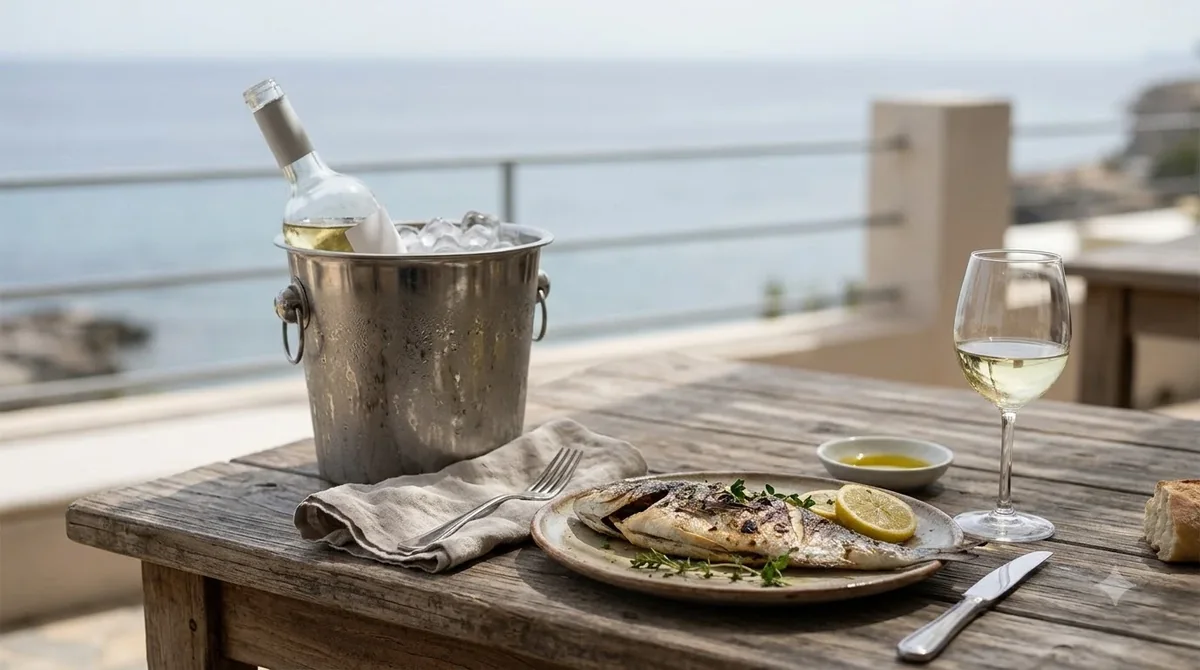
The best base for white sangria is a dry, crisp white with clear acidity. Sauvignon Blanc is a popular choice because its grassy, citrus notes lift the fruit, and Pinot Grigio offers a lighter, neutral backdrop that lets the fruit lead. Both are easy to find and affordable, which matters when you are making a full pitcher for a group. VinePair’s white sangria roundup shows how often Sauvignon Blanc and Pinot Grigio appear as the base for these pitchers.
Avoid heavily oaked or very rich whites, since the wood and weight can clash with the fruit and citrus. A sweeter white can work, but it will push the drink toward dessert, so it is usually better to add sweetness with fruit and a measured sugar than to start with a sweet wine. A bottle of moscato wine can be a lighter option if you want a fruitier, more playful pitcher.
Fruit That Works Well
Fruit is the heart of sangria, and white versions give you plenty of options. Citrus is the classic choice, and fresh orange and lemon juice add brightness that balances the wine. Cucumber and lemon make a crisp, refreshing pitcher, while melon and mint bring a cooling, garden-like character. Peaches, strawberries and kiwi are a natural fit for a sweeter, more colorful version.
Think about texture as well as flavor. Firm fruit like apple, pear and pineapple keeps its bite for longer, while soft fruit such as berries and ripe peaches breaks down and gives the wine more color and body. A mix of firm and soft fruit is a good balance, because the firm pieces stay pleasant to bite into and the soft pieces flavor the wine. Cut everything to a similar size so each glass gets a fair share of fruit.
| Fruit or herb | What it adds | Works best with |
|---|---|---|
| Orange and lemon | Bright citrus and classic sangria flavor | Dry white, triple sec |
| Cucumber and lemon | Crisp, cool, very refreshing | Sauvignon Blanc or Pinot Grigio |
| Peaches and strawberries | Soft sweetness and color | Sparkling wine or light white |
| Melon and mint | Garden-like freshness | Prosecco or a crisp white |
| Pomegranate and rosemary | Tart, herbal, festive | Dry white wine |
Tip: Cut the fruit into pieces that fit the pitcher neck, and add delicate fruit like strawberries near the end so it stays firm and attractive.
Sweeteners, Spirits and Sparkle
Most white sangrias need only a light touch of sweetness, because ripe fruit already supplies much of it. A spoonful of sugar, dissolved into the wine before the fruit goes in, is a common approach, and some recipes add honey instead for a softer note. Taste before serving, and add a small amount at a time rather than sweetening the whole pitcher at once.
Sweetness is also a question of audience. Guests who prefer dry drinks may enjoy a crisp pitcher with citrus and cucumber and no added sugar, while a group that likes fruit-forward drinks may prefer peach, melon or strawberry with a little honey. Making a smaller first batch lets you test the balance before you commit to a full pitcher, which saves wine and avoids an overly sweet result.
A splash of triple sec or brandy adds depth and a warm orange or fruity finish. Use it sparingly, because it can quickly dominate a light white. Many recipes finish with a splash of sparkling water, which adds lift and makes the drink feel fresher. A sparkling wine, such as dry Prosecco, can replace the still wine for a fizzy, celebratory version.
Sparkling and Rosé Variations
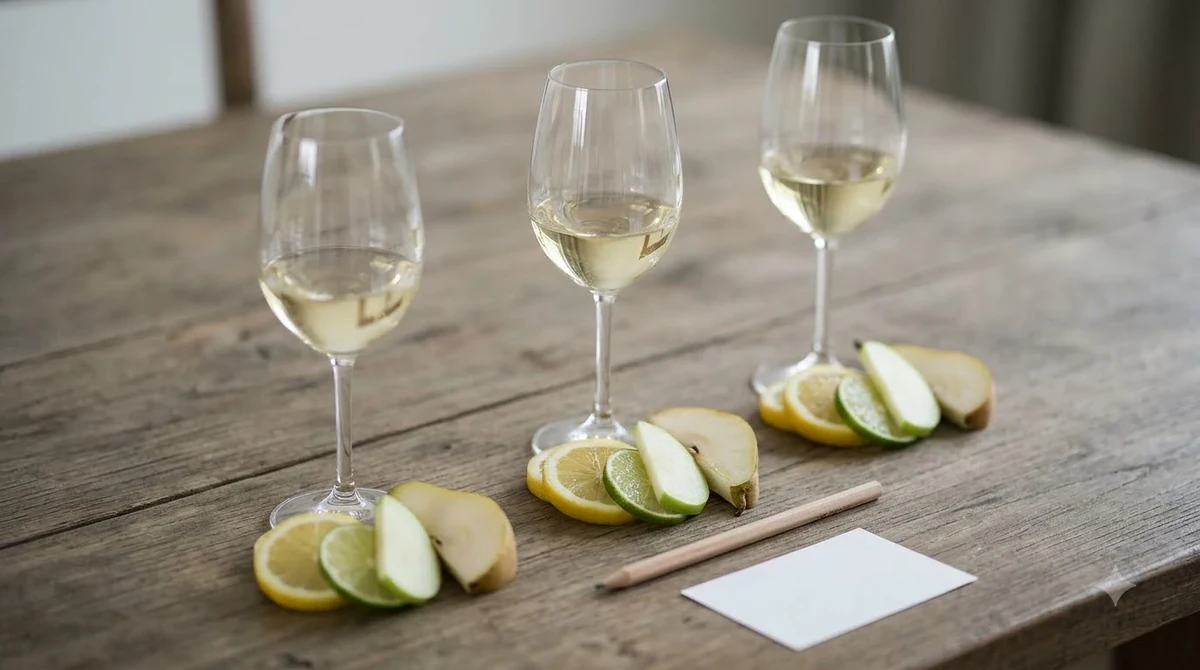
White sangria is easy to adapt, and sparkling versions are popular for parties. One approach mixes still and sparkling white wine, with sliced peaches, kiwi, strawberries and a handful of mint. Another uses dry Prosecco with white peaches and melon for a light, celebratory punch. Serve these versions as soon as the fruit is in, so the bubbles stay lively.
Rosé sangria is a close cousin that is often grouped with the white style. It uses a dry rosé with raspberries or strawberries, and brandy or an orange liqueur adds warmth. It is not technically a white sangria, but it is a useful option for guests who like a pink, fruit-forward pitcher.
How to Build a Pitcher
Assembling a white sangria takes about ten minutes, and the method is the same whether you use a simple bottle or a sparkling mix. Use a large glass or ceramic pitcher, and chill the wine beforehand so the drink stays cold without too much ice diluting it.
- Pour in one bottle of dry white wine, such as Sauvignon Blanc or Pinot Grigio.
- Add a small measure of triple sec or brandy, if you are using one, and stir.
- Stir in sugar or honey a little at a time, tasting as you go, until the balance feels right.
- Add the sliced fruit and herbs, such as orange, lemon, cucumber or peach, and give the pitcher a gentle stir.
- Chill the pitcher until serving, then add ice and a splash of sparkling water just before pouring.
Some recipes on the market go from bottle to glass in about five minutes, which makes white sangria one of the fastest drinks to prepare for a crowd. If you have time, let the fruit rest in the wine for a while so the flavors blend, but the drink is good even when served straight away.
Frequently Asked Questions
What is the best white wine for sangria?
A dry, crisp white is the best choice. Sauvignon Blanc and Pinot Grigio are popular because they are fresh and easy to find, and they let the fruit stand out.
Do I need brandy in white wine sangria?
No. Many white recipes use only fruit, a little sugar and sparkling water. A small splash of brandy or triple sec adds depth, but you can leave it out for a lighter drink.
Can I make white sangria ahead of time?
You can chill the wine and fruit ahead, but add the sparkling water and ice just before serving. Delicate fruit such as strawberries is best added close to serving time so it keeps its shape.
Is white sangria sweeter than red sangria?
It depends on the recipe. A dry white with citrus and a light sweetener can taste crisper than many red versions, while peach or melon recipes can taste sweeter. You control the sweetness with the fruit and sugar you add. For a crowd, a second, simpler pitcher can cover guests who want something lighter, since white sangria is quick to make and easy to refill.
White wine sangria rewards simple choices: a crisp wine, a few well-chosen fruits and a light hand with sweetness. For more on the family of recipes, see dry red wine sangria or the full overview in Wine by Type.
More in Wine Types & Grapes
 Zinfandel Sugar Content: Dry Red vs. White Zinfandel GramsUpdated Nov 21, 2026
 Best Zinfandel Substitute Options for Sipping and CookingUpdated Nov 21, 2026
 Zweigelt Food Pairing: Best Dishes, Cheeses, and Serving TipsUpdated Nov 21, 2026
 Zinfandel Tannins Explained: How Structure Shapes Every BottleUpdated Nov 21, 2026
 Zinfandel Sweetness Level: Dry Red vs. Sweet White Zin ExplainedUpdated Nov 21, 2026
 Xinomavro Food Pairing: Best Dishes, Styles, and Serving TipsUpdated Nov 21, 2026