

We may earn a commission when you buy through links on this page, at no extra cost to you. Learn more.
Is pinot grigio sweet? Usually not, because most pinot grigio is made dry. The typical bottle, especially an Italian one, is crisp and light with pear, apple, and citrus notes. Sweeter versions exist when the grapes are harvested late or affected by noble rot, but they are the exception and are usually labeled as such.
Pinot grigio is one of the most ordered white wines in American restaurants, and it is also one of the most misunderstood. Some drinkers expect it to be sweet because they confuse it with lighter, sugary wines, while others avoid it because they assume it tastes thin. Both ideas miss the point. This guide explains how sweetness works in pinot grigio, how to tell a dry bottle from a sweeter one, and how to serve it well.
Is Pinot Grigio Sweet? The Typical Answer
Pinot grigio is normally a dry white wine. According to Wine Folly, its taste profile is listed as dry, and Italian examples are usually described as totally dry. Wine Folly’s pinot grigio guide lists it as medium-light in body with medium-high acidity, which is the combination that makes most bottles taste crisp rather than sweet.
The same guide notes that sweetness can appear in special cases. Wines made from late-harvested grapes, or from grapes affected by noble rot, can taste sweet and rich. Those bottles are not typical, and they are usually clearly labeled as sweet, late harvest, or dessert wines.
What Makes Pinot Grigio Taste Sweet or Dry
Sweetness in wine comes from residual sugar, the grape sugar left after fermentation. Winemakers control it by when they pick the grapes and when they stop fermentation. Pinot grigio is normally fermented until nearly all of the sugar is converted to alcohol, which is why most bottles finish dry. A winemaker who wants a sweeter style can pick later or stop fermentation early, and the result tastes fuller and more honeyed.
Acidity also shapes how sweetness feels. Pinot grigio has medium-high acidity, which keeps the wine lively. Even a wine with a little residual sugar can taste dry if its acidity is high, so a crisp pinot grigio may seem drier than its sugar level would suggest.
Dry, Sweet, and Late-Harvest Pinot Grigio
The typical dry pinot grigio shows ripe pear, apple, and peach, with citrus and green apple in cooler climates. Its alcohol usually falls between 11.5 and 13.5 percent, which is moderate for a white wine. These bottles taste clean and fresh, and they suit a relaxed glass before dinner.
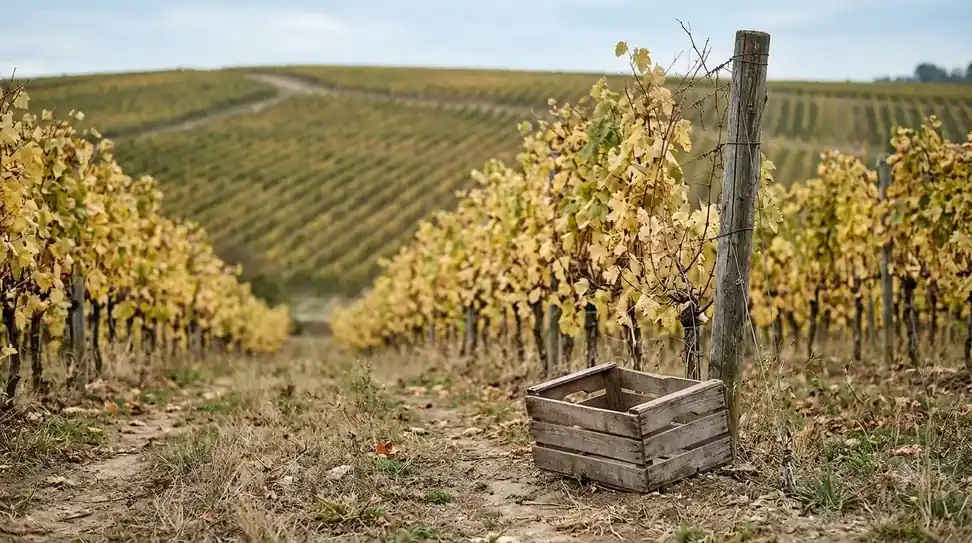
Late-harvest or sweet pinot grigio is different. The aromas move toward tropical fruit, honey, and spice, and the texture feels fuller. These wines are closer to dessert wines, so they are best served in smaller pours and with fruit or pastry. Skin-contact versions, sometimes called orange wines, can also show stronger flavors, but they are not usually sweet.
| Style | How it tastes | Good with |
|---|---|---|
| Dry (most bottles) | Crisp, light, pear and apple | Seafood, salads, mild cheese |
| Cooler-climate dry | Lemony, zesty, citrus and green apple | Shellfish, fried appetizers |
| Late-harvest or sweet | Honeyed, rich, tropical fruit | Fruity desserts, light pastry |
How to Serve Pinot Grigio
Serving temperature affects how dry or sweet pinot grigio tastes. Wine Folly suggests serving it at about 45 to 55 degrees Fahrenheit. Light, zesty styles are best well chilled, while fuller-bodied versions can be served slightly warmer to show more fruit. A wine served too cold can taste thinner and seem drier than it is, which is worth remembering when you judge sweetness.
A standard white wine glass is enough. Pinot grigio does not need decanting, and it is best enjoyed within a few days of opening if it is kept cold and resealed. Sweet late-harvest bottles often keep longer because their sugar and acidity protect the wine.
Tip: If you prefer a little sweetness, look for a bottle described as late harvest or from a warm, ripe vintage rather than assuming any pinot grigio will be sweet.
Food Pairing for Dry and Sweet Pinot Grigio
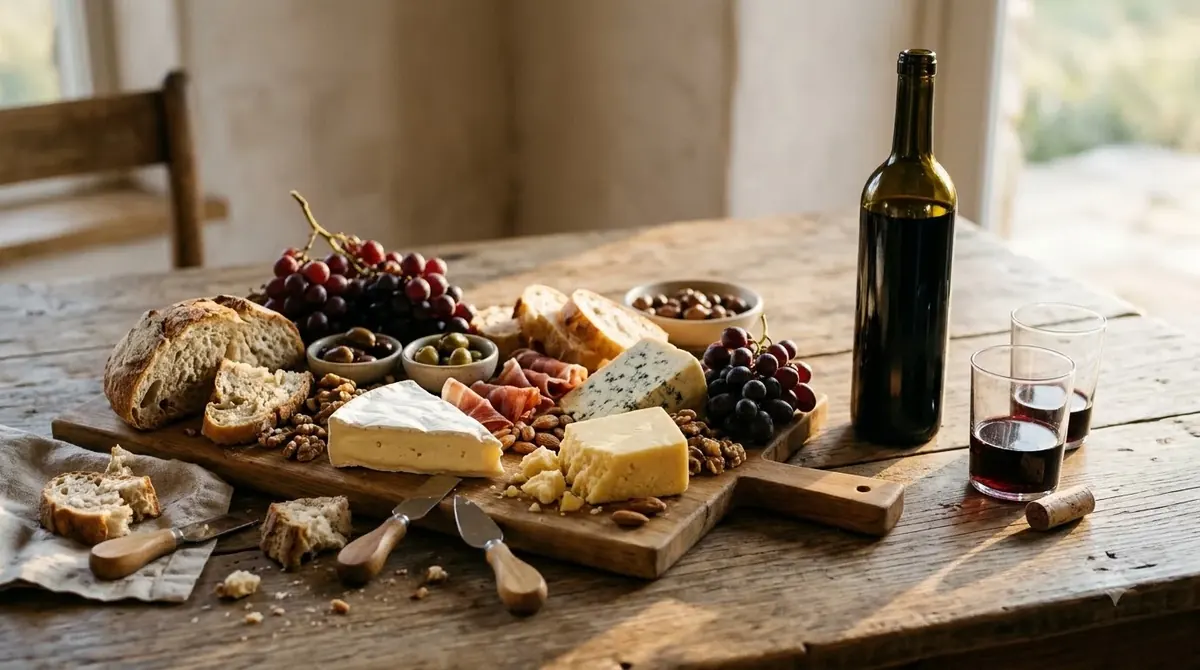
Dry pinot grigio suits light food. Seafood, grilled fish, salads, and mild cheeses all match its crisp acidity and gentle fruit. Lighter pasta dishes with lemon or herbs also work well, as do salty snacks and charcuterie, where the wine’s freshness balances the salt. Oily fish pairs well with both lighter and richer styles.
Full-bodied or orange pinot grigio is more flexible. It can handle roast chicken or pork, and its texture stands up to heartier dishes. Sweet late-harvest wines belong with fruit desserts, such as tarts or poached pears, where the sweetness matches the dish rather than fighting it.
Common Mistakes When Judging Sweetness
The first mistake is judging pinot grigio by a single bottle. Two bottles from different countries can taste very different, and a warm-climate version may seem fuller than a cool-climate one. The second is confusing fruit with sugar. A bottle with ripe pear can taste sweet without having much residual sugar, because the fruit creates the impression. The third is serving it too cold, which dulls the aromas and can make the wine seem thin.
If you want a clearer answer, compare a dry and a sweeter bottle side by side. The difference becomes obvious once you taste them together, and it will help you choose the style you like next time.
Reading the label helps more than most shoppers expect. Italian bottles often name the region, such as Delle Venezie or Friuli, and the tasting note usually mentions pear, apple, or citrus if the wine is dry. Terms such as “late harvest,” “vendange tardive,” or “dessert wine” signal a sweeter bottle. Back labels and producer websites also tend to describe the style in plain language, which is often more useful than the grape name alone.
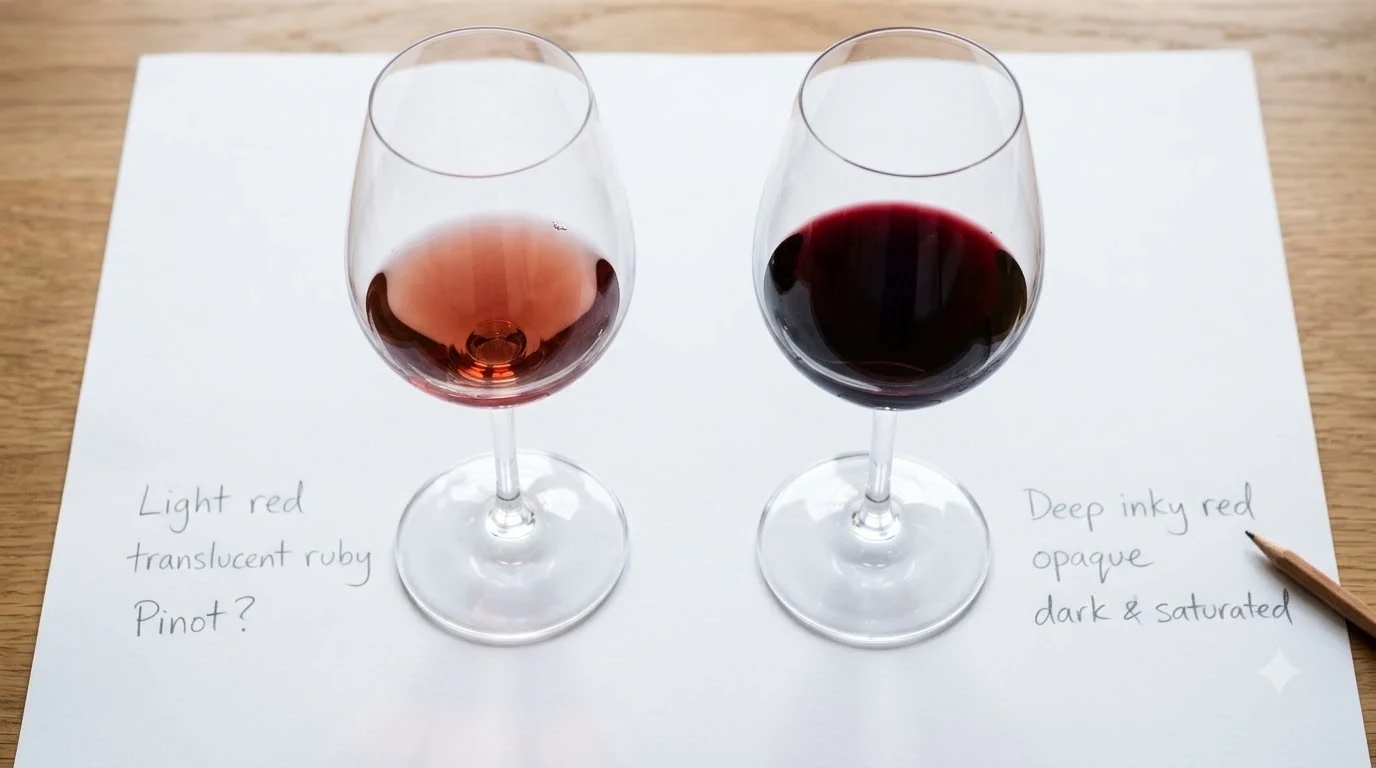
For a group, pouring one dry and one sweeter pinot grigio side by side shows the difference quickly. Guests can taste how the late-harvest style feels fuller and more honeyed, then return to the dry bottle and notice its lighter, crisper finish. This simple comparison makes the question of sweetness much easier to answer for the rest of the evening.
Many people also ask whether pinot grigio is a good choice for someone who usually drinks sweeter wines. The answer depends on the bottle. A dry pinot grigio with soft fruit can feel like a gentle step toward drier whites, while a late-harvest version offers the sweetness many people want and still has enough acidity to keep it fresh. Trying both styles is the quickest way to learn which one fits your taste.
Frequently Asked Questions
Is pinot grigio a sweet wine?
Usually it is dry. Most pinot grigio, especially Italian bottles, is crisp and fresh. Only late-harvest or noble-rot styles taste noticeably sweet.
Is pinot grigio sweeter than sauvignon blanc?
Generally, no. Both are usually dry. Sauvignon blanc often tastes more tart and herbal, while pinot grigio tends to show softer pear and apple fruit.
Why does some pinot grigio taste sweet?
Ripe fruit and warm-climate growing can make a wine taste sweeter, even without much residual sugar. Late-harvest or noble-rot wines contain more sugar and taste sweet on purpose.
Should I chill pinot grigio?
Yes. Serving it between about 45 and 55 degrees Fahrenheit keeps the aromas fresh and the acidity balanced, so the wine tastes clean rather than flat.
Most pinot grigio is dry and refreshing, which makes it a reliable choice for seafood, salads, and easy weeknight dinners. Check the label for late-harvest or dessert wording if you want sweetness. To explore further, read about pinot grigio wine or the pinot grigio grape, or compare styles in pinot grigio vs sauvignon blanc.
More in Storage & Fridge Care
 How Long Can You Store Wine in a Wine Fridge? Protect Bottle QualityUpdated Nov 20, 2026
 Can You Store Beer in a Wine Fridge? Keep Both Drinks FreshUpdated Nov 20, 2026
 Is It Worth Repairing a Wine Fridge? Spot the Cheap Fixes Before You ReplaceUpdated Nov 20, 2026
 Wine Fridge Condensation: Identify Causes and Fix Moisture ProblemsUpdated Nov 20, 2026
 Wine Fridge Too Cold: Protect Your Wine and Fix the TemperatureUpdated Nov 20, 2026
 How to Reset Wine Fridge: Restore Cooling and SettingsUpdated Nov 20, 2026