

We may earn a commission when you buy through links on this page, at no extra cost to you. Learn more.
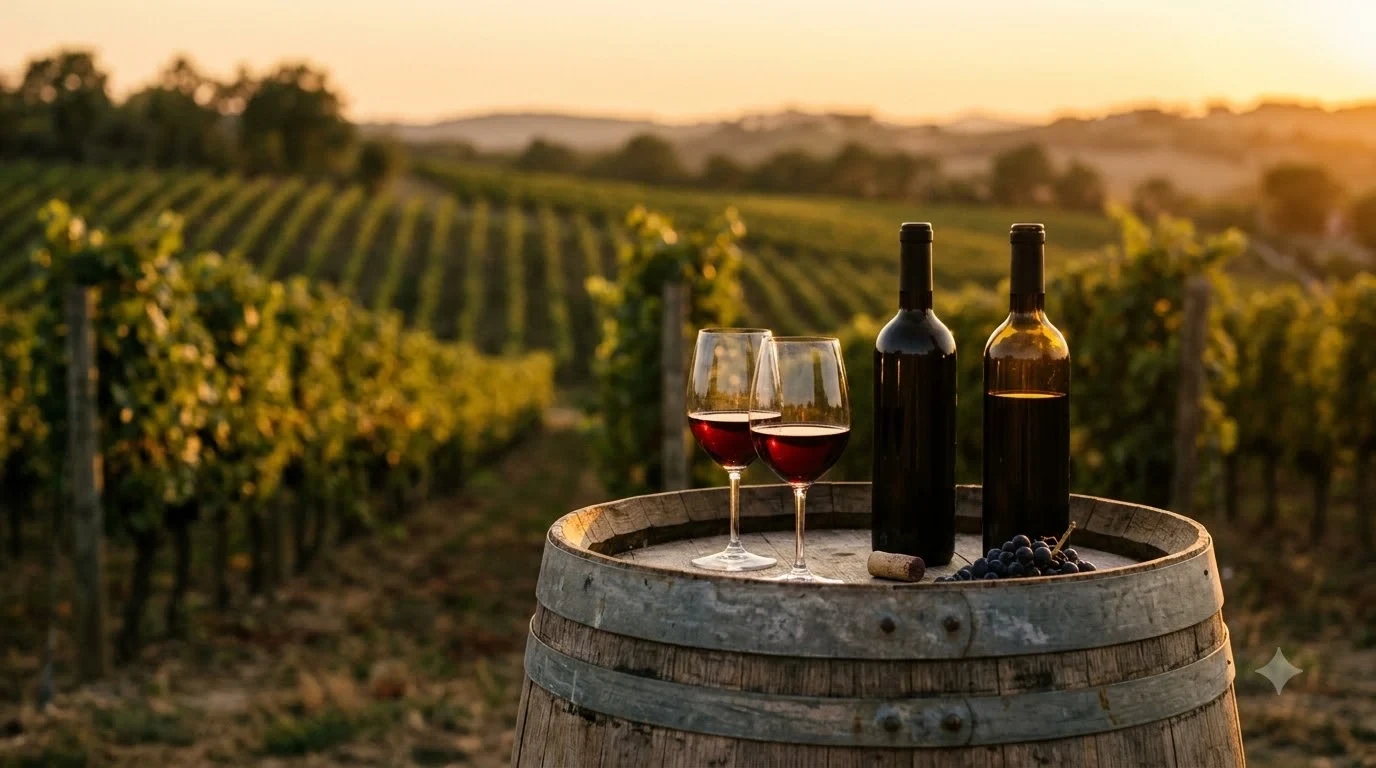
Heitz wine is Cabernet Sauvignon from Heitz Cellar, a family-owned Napa Valley winery that has been making wine since 1961. The winery is best known for its single-vineyard Cabernets, especially Martha’s Vineyard, which the winery credits as the first vineyard-designated Cabernet Sauvignon in Napa Valley. The estate grows its fruit across several Napa sub-appellations, so the lineup shows how site shapes the taste of the wine.
If you have seen a bottle of Heitz on a restaurant list or in a serious wine shop and wondered why it costs more than most Napa Cabernets, this guide explains the winery’s background, the main bottlings, how the wines are made, and how to serve and pair them. It is written for drinkers who want to understand the label before they buy.
What Heitz Cellar Is
Heitz Cellar describes itself as family owned since its founding in 1961, and it ties its identity to Joe Heitz, the vintner whose wines the winery says helped usher in the modern era of Napa Valley. The name on the label therefore points to one person’s approach to Cabernet, not to a large brand built for mass distribution. In April 2018 the winery passed to the Lawrence family, whose agricultural background the winery says matches its values. The company’s own materials stress continuity, so the wines are still presented as a continuation of the original approach.
For a buyer, the practical point is that Heitz is a single-estate house focused on a short list of Cabernets rather than a broad portfolio of varietals. That focus makes the wines easier to compare with one another, since the differences come mostly from the vineyard.
Where the Estate Vineyards Sit
The winery’s vineyards are spread across six Napa sub-appellations: Oakville, Rutherford, St. Helena, Howell Mountain, Oak Knoll District, and Calistoga. Each of these areas has its own soil, elevation, and climate, which is why the same grape can taste noticeably different from one bottling to the next. Howell Mountain sits higher and is known for firmer tannins, while the valley floor sites tend to give riper, rounder fruit.
Napa Valley is a long, narrow valley, and the sub-appellations run from the cooler southern end near Oak Knoll up to the warmer north around Calistoga. That spread gives a winery with several sites a wider range of styles than a single-vineyard house could offer. Readers who want a broader overview of how the valley is divided can start with the regional guide on our site before comparing individual estates.
The Main Bottlings and What to Expect
The current lineup, as the winery lists it, centers on four Cabernet Sauvignon bottlings. Each one comes from a named site, and the names help you predict the style before you open the bottle. Vintages vary, so check the current release when you shop.
| Bottling | What the name tells you | Typical style to expect |
|---|---|---|
| Martha’s Vineyard Cabernet Sauvignon | The flagship single-vineyard wine, named for the site the winery credits with starting the vineyard-designated tradition | Concentrated, structured, built to age |
| Trailside Vineyard Cabernet Sauvignon | A single vineyard bottling from a named Napa site | Ripe fruit with firm structure |
| Linda Falls Vineyard Cabernet Sauvignon | A named vineyard bottling from another estate block | Site-driven character that shows the vineyard’s signature |
| Lot C-91 Cabernet Sauvignon | A lot-designated bottling from the estate | A more approachable entry point into the house style |
The table is a guide to how the names work, not a tasting report. The winery’s own descriptions focus on site and structure, and that is the best way to read the range. A single-vineyard bottle tends to show more of its place, while a lot-designated wine tends to be a blend of material from across the estate.
Tip: If you are new to the brand, buy one of the lot-designated bottlings first, then move up to a single-vineyard wine to see how the site changes the taste.
How the Wines Are Made
Heitz says its fruit is 100 percent Napa Valley grown and that its vineyards are certified organic by CCOF, the California Certified Organic Farmers group. The winery states an unwavering commitment to quality as the basis for its approach. That phrase is the company’s own, so treat it as the house position rather than an independent measure of quality.
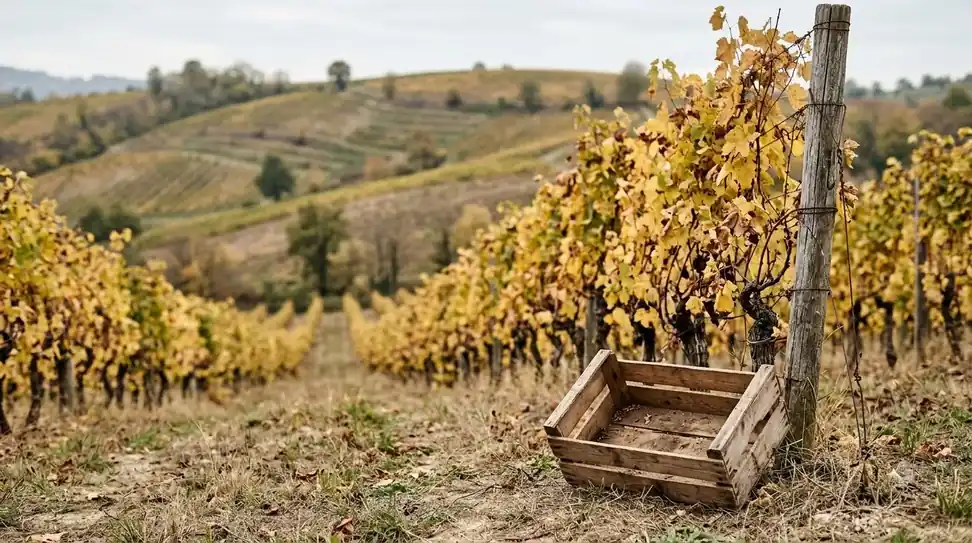
Organic farming is one reason the winery’s vineyards feel distinct. Growers who avoid synthetic inputs often pay closer attention to soil health and canopy balance, which can affect ripeness and tannin. Whether that shows in the glass depends on the vintage, so it is worth reading the back label for the vintage year rather than assuming every release tastes the same.
How to Serve and Pair Heitz
Full Napa Cabernet is usually best served a little below room temperature, not warm from the cellar shelf. Give the wine ten to fifteen minutes in the glass before you judge it, since a young, firm Cabernet often opens up as it warms. A large glass with room to swirl helps the aromas come forward.
Pairings that work well with structured Cabernet include roasted red meats, lamb, mushroom dishes, and aged hard cheeses. The tannins in a single-vineyard bottle need fat or protein to soften them, so a plain salad will not show the wine at its best. For a lighter meal, a grilled steak with herbs is a classic choice that matches the wine’s weight.
How to Choose a Bottle
The right Heitz bottle depends on the occasion and on how long you plan to keep it. If you plan to open it within a year or two, a lot-designated bottling is a sensible choice, because it is designed to be enjoyable earlier. If you want to store a bottle for a longer stretch, a single-vineyard wine from a good vintage gives the winery’s structure more time to settle.
Consider the buyer, too. Heitz is a good match for drinkers who already like Napa Cabernet and want to see how one estate handles several sites. It is less of a natural fit for someone looking for a light, easy red for a casual weeknight, since the house style leans toward depth and firm structure.
When you shop, read the label for three things: the vintage year, the bottling name, and the appellation line. The vintage tells you how the season shaped the fruit, the bottling tells you whether the wine comes from one site or a blend, and the appellation tells you where the grapes were grown. Retailers and restaurant wine lists often show only the producer and the year, so ask the staff which bottling they are pouring if the label does not make it clear. Storage matters as well. A bottle kept in a cool, dark place with steady temperature will age more predictably than one kept near a window or a warm kitchen appliance, and a cork that stays moist is less likely to let air in over the years.
If you are buying for a gift or a special dinner, match the bottle to the guests rather than to the label alone. A structured Cabernet can overwhelm a delicate main course, while a bolder meal will show the wine’s full range. Bring the bottle to the table with a clear plan for the food, and the wine will usually make more sense to everyone at the table.
Frequently Asked Questions
What is Heitz wine?
Heitz wine is Cabernet Sauvignon from Heitz Cellar, a family-owned Napa Valley winery founded in 1961. The winery is known for single-vineyard bottlings, with Martha’s Vineyard as its best-known wine.
Is Heitz a good first Napa Cabernet?
It can be, especially if you choose a lot-designated bottling. Single-vineyard wines are more structured and usually benefit from time or food, so they suit drinkers who already know they like firm Cabernet.
What makes Martha’s Vineyard different?
Martha’s Vineyard is a single-vineyard bottling. The winery credits its founder with producing the first vineyard-designated Cabernet Sauvignon in Napa Valley, so the wine is built around one site rather than a blend from several.
Should Heitz be decanted?
Young, structured Cabernet often benefits from decanting or at least letting the wine breathe for a short time. Older bottles need gentler handling, so pour carefully and watch for sediment.
Heitz is a useful reference for anyone who wants to understand how Napa Cabernet changes from one site to the next. Start with a lot-designated bottle, then compare a single-vineyard wine from the same vintage. For the winery’s own account of its history and vineyards, read the Heitz Cellar about page. For more brand background, see our wine brands guide, and if you are comparing value bottles from the same category, the notes on barefoot wine show a very different approach to the same grape.
More in Wine Brands
 Underwood Wine Price: Compare Bottles, Cans, and Pack SizesUpdated Nov 21, 2026
 Zenato Wine Price: Compare Styles and Choose the Right BottleUpdated Nov 21, 2026
 Zuccardi Wine Price: Compare Bottles and Find the Right RangeUpdated Nov 21, 2026
 Yellow Tail Moscato Review: Taste, Sweetness and Serving TipsUpdated Nov 21, 2026
 Wolf Blass Yellow Label Review: Choose Your Best StyleUpdated Nov 21, 2026
 Wolffer Estate Rose Review: Choose the Right Bottle for Your TableUpdated Nov 21, 2026