

We may earn a commission when you buy through links on this page, at no extra cost to you. Learn more.
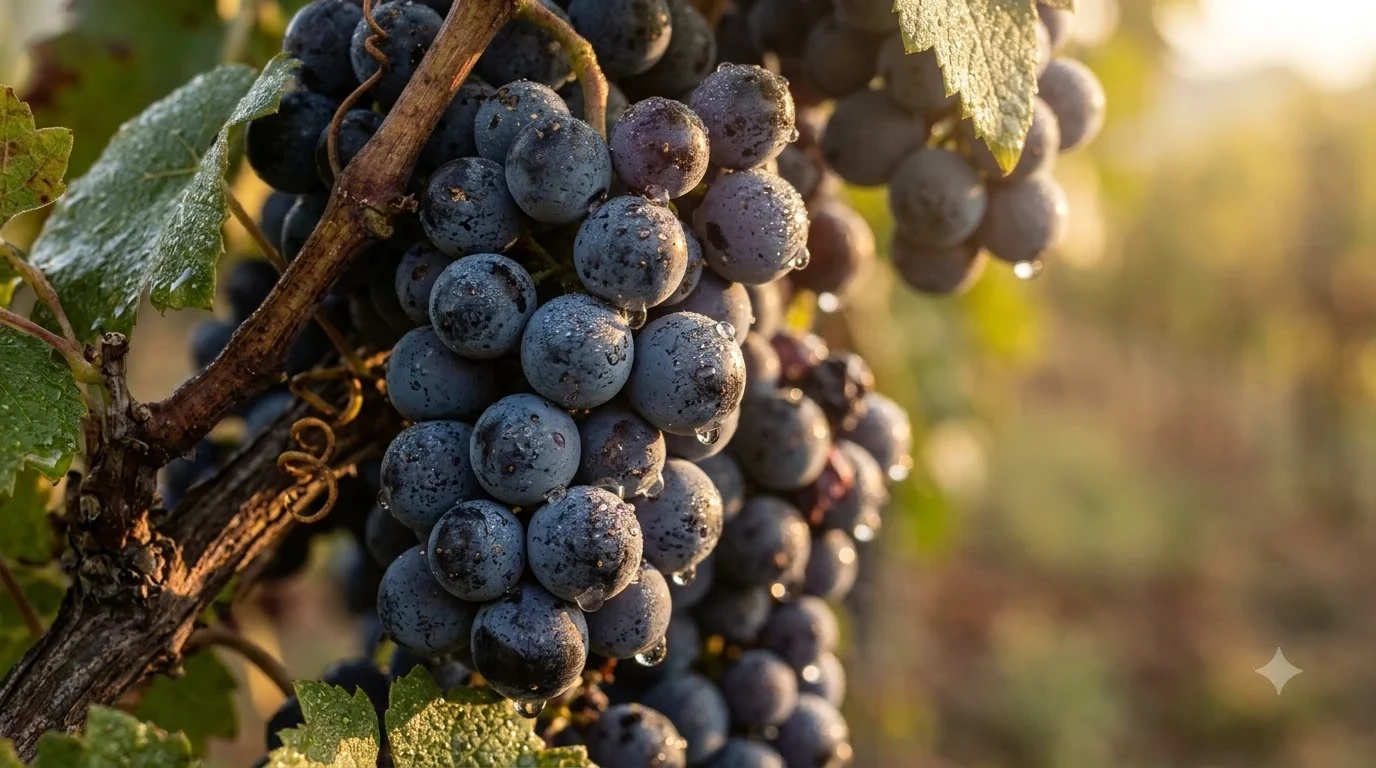
The zinfandel grape is a dark-skinned red variety that gives bold, fruit-forward wines, and California has made it its signature red. It is genetically the same grape as Italy’s Primitivo and is closely linked to Croatian and Montenegrin vines. Its high natural sugar lets winemakers reach alcohol levels that most reds cannot match, which is why its styles range from jammy and spicy to lighter and berry-driven.
If you have seen “zinfandel” on a wine list and wondered what sets it apart, this guide covers where the grape came from, how its flavor shifts with climate and ripeness, where it grows best, how to serve it, and which foods bring out its fruit. It is written for buyers who want to choose a bottle with confidence, not for specialists.
Where the zinfandel grape comes from
The grape’s exact birthplace is still debated. Researchers generally point to Montenegro as the most likely origin, where the variety is known as Kratošija. In Italy the same vine is called Primitivo, and in Croatia it appears as Crljenak Kaštelanski or Tribidrag. Work led by the ampelographer Carole Meredith traced the parentage of Plavac Mali and matched its DNA to a vine sampled in Kaštela on the Dalmatian coast in 2001, which is why the variety is sometimes listed as Zinfandel/Primitivo/Crljenak Kaštelanski.
The name “zinfandel” is an American label. The grape reached the United States in the nineteenth century, and by the time Prohibition ended it had become one of the most widely planted red vines in California. Old vines in places like Sonoma and Amador are a reason many enthusiasts seek out bottles from them today.
Flavor and styles of zinfandel wine
Zinfandel’s flavor depends heavily on how ripe the grapes are when picked. Riper, jammy styles lean toward dark fruit with a brambly, spicy edge. Earlier-picked grapes show darker berry and plum notes, while later-picked fruit moves toward strawberry and cranberry. Growing region matters just as much, so the same grape can taste very different from one hillside to the next.
Cooler sites tend to produce red berry flavors such as raspberry, while warmer sites favor blackberry, anise, and black pepper. Alcohol adds body and a slightly oily texture, which is why a full-bodied zinfandel can feel rich even without much oak. Lighter bottlings often sit near 13.5 percent alcohol, while bold, spicy ones can reach about 16 percent.
Zinfandel also appears in a pink style known as white zinfandel, which is made by pressing the red-skinned grapes briefly so the juice takes on only a little color. That style is sweeter and lighter, and it is a different product from the dry reds most wine lovers think of when they hear the name. If you are comparing options, the white zinfandel grape guide explains how those wines are made and what they taste like.
Where zinfandel grows best
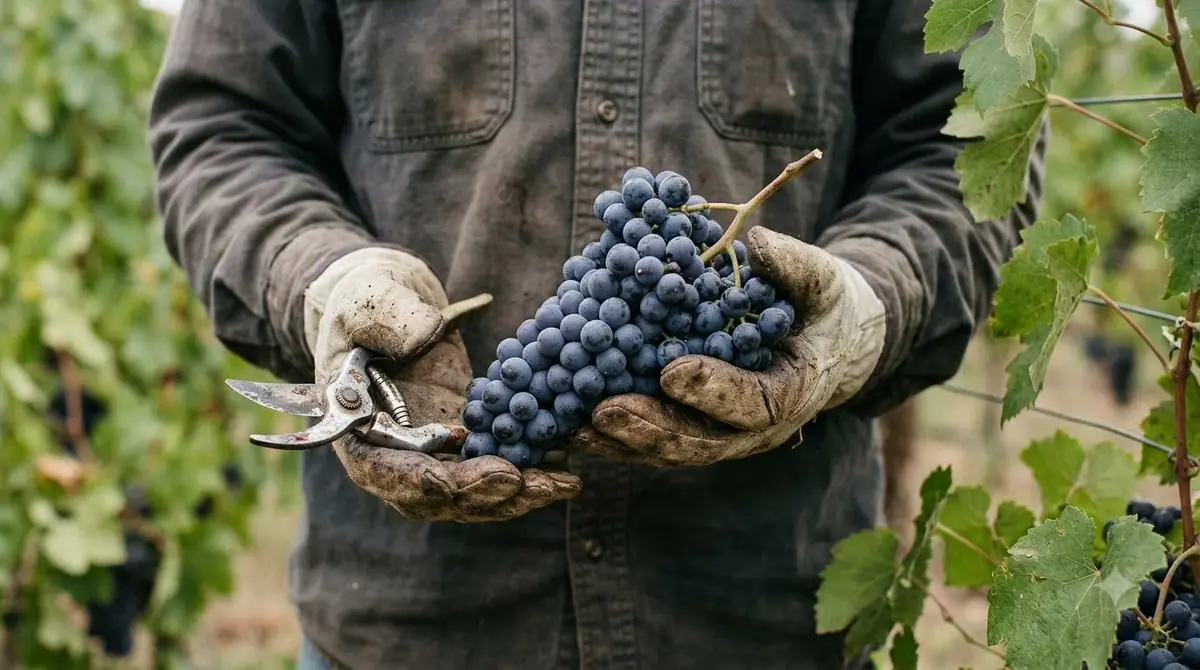
California holds the largest share of zinfandel vineyards, and the grape covers roughly one tenth or more of the state’s planted vines. Each area brings its own character. Amador County is known for big, full-bodied wines with jammy fruit. Dry Creek Valley in Sonoma leans juicy and bright with balanced acidity. Paso Robles tends to produce soft, round bottlings, while Napa Valley zinfandels often show plummy, claret-style structure. Russian River Valley is known for spice and older vines, Lodi for approachable fruit, and the Santa Cruz Mountains for deeper, more complex wines.
Vine age is another factor worth noticing. Many California zinfandel vineyards were planted decades ago and produce fewer, more concentrated clusters, so an old-vine bottle often shows more depth than a young-vine wine from the same appellation. Producers describe these wines as “old vine” on the label when the fruit comes from a block planted before a certain date, though the term is not regulated the way some European designations are. Reading the producer’s website or the back label helps you tell whether that claim is backed by details about the vineyard.
| Region | Typical style | What to look for |
|---|---|---|
| Amador County | Big and full-bodied | Jammy dark fruit, firm tannin |
| Dry Creek Valley (Sonoma) | Juicy and bright | Red fruit, balanced acid |
| Paso Robles | Soft and round | Ripe fruit, easy texture |
| Napa Valley | Plummy, claret-style | Structure, dark berry |
| Russian River Valley | Spicy | Older vines, pepper notes |
| Santa Cruz Mountains | Complex and deep | Savory depth, long finish |
How to serve zinfandel
Zinfandel is usually served a little cooler than the warmest reds. Wine Folly’s zinfandel grape profile gives a serving range of 60 to 68 degrees Fahrenheit, and about 62 degrees is a comfortable “room temperature” for a fruit-driven red. If a bottle has been sitting in a warm kitchen, a short 15 to 20 minute stop in the refrigerator brings it into range. White zinfandel is served colder, usually in the low 50s Fahrenheit.
A wide-bowled glass helps bold zinfandels show their aromas, because the extra surface lets the spice and fruit open up as you swirl. Decanting is optional for most bottles, but a big, young zinfandel from a warm vintage can benefit from 30 minutes of air before pouring. For background on the grape’s history and classic styles, the Zinfandel article on Wikipedia gives a useful overview.
Food pairing with zinfandel
Zinfandel’s ripe fruit and spice make it a natural match for barbecue, smoky grilled meats, and dishes with a sweet glaze. Wine writers often suggest lighter meats such as turkey, pork, and quail, along with barbecued red meats and lamb. The grape also handles spiced food well, including curry and dishes built on ginger, garlic, cinnamon, and black pepper.
Cheese works too. Firm, richly flavored cheeses from cow’s or sheep’s milk, such as aged Manchego or a bandage-wrapped cheddar, match the wine’s dark fruit. Roasted vegetables, roasted squash, and caramelized onion also bring out the berry character. Avoid pairing a very bold zinfandel with delicate fish, because the wine’s weight will overwhelm it.
How to choose a zinfandel bottle
Start with the region, because it tells you more than the vintage in most cases. If you want a juicy, lighter red for weeknight meals, look for bottles from Dry Creek Valley or Lodi. If you want something bold for a barbecue, Amador or Paso Robles bottlings are the safer bet. Read the back label for alcohol content, since higher numbers usually signal a richer, more intense style.
Price is a poor guide to style on its own, so compare bottles by what they promise. A zinfandel described as bright and lively is likely to be a better match for a salad or grilled chicken than a bottle labeled as dense and ripe. If the label says the wine was aged in oak, expect extra vanilla, clove, and toast on the finish. Unoaked zinfandels keep the fruit more front and center, which many people prefer for everyday drinking. When in doubt, ask a shop staff member which region they would pick for a meal you already have in mind.
If you already enjoy other reds, the pinot noir grape guide is a useful comparison, since pinot is lighter and more delicate. The main Wine by Type hub lays out how zinfandel fits with other varieties.
Frequently Asked Questions
Is zinfandel the same grape as Primitivo?
Yes. DNA research places Zinfandel and Italy’s Primitivo as the same variety, with Croatian and Montenegrin names for the same vine. The wines can still taste different because of climate, winemaking, and ripeness.
Is zinfandel a sweet wine?
Usually not. Most zinfandel reds are dry, although the pink white zinfandel style is sweeter. Read the label or the producer’s description to check the sweetness level before you buy.
What does zinfandel taste like?
Expect ripe dark fruit such as blackberry and plum, often with spice, anise, or black pepper. Cooler sites give brighter raspberry and strawberry notes. The body is typically medium to full.
Should zinfandel be served chilled?
Serve dry zinfandel slightly cool, around 62 degrees Fahrenheit, rather than ice cold. A short stop in the refrigerator is enough for a bottle that has been out in a warm room. White zinfandel is the exception and is served colder.
Zinfandel rewards curiosity. Once you know how climate and ripeness shape the grape, you can read a bottle’s region and alcohol level and predict roughly what is in the glass. Try two bottles from different regions side by side to see the difference for yourself, and build your shortlist from there.
More in Wine Types & Grapes
 Zinfandel Sugar Content: Dry Red vs. White Zinfandel GramsUpdated Nov 21, 2026
 Best Zinfandel Substitute Options for Sipping and CookingUpdated Nov 21, 2026
 Zweigelt Food Pairing: Best Dishes, Cheeses, and Serving TipsUpdated Nov 21, 2026
 Zinfandel Tannins Explained: How Structure Shapes Every BottleUpdated Nov 21, 2026
 Zinfandel Sweetness Level: Dry Red vs. Sweet White Zin ExplainedUpdated Nov 21, 2026
 Xinomavro Food Pairing: Best Dishes, Styles, and Serving TipsUpdated Nov 21, 2026