

We may earn a commission when you buy through links on this page, at no extra cost to you. Learn more.
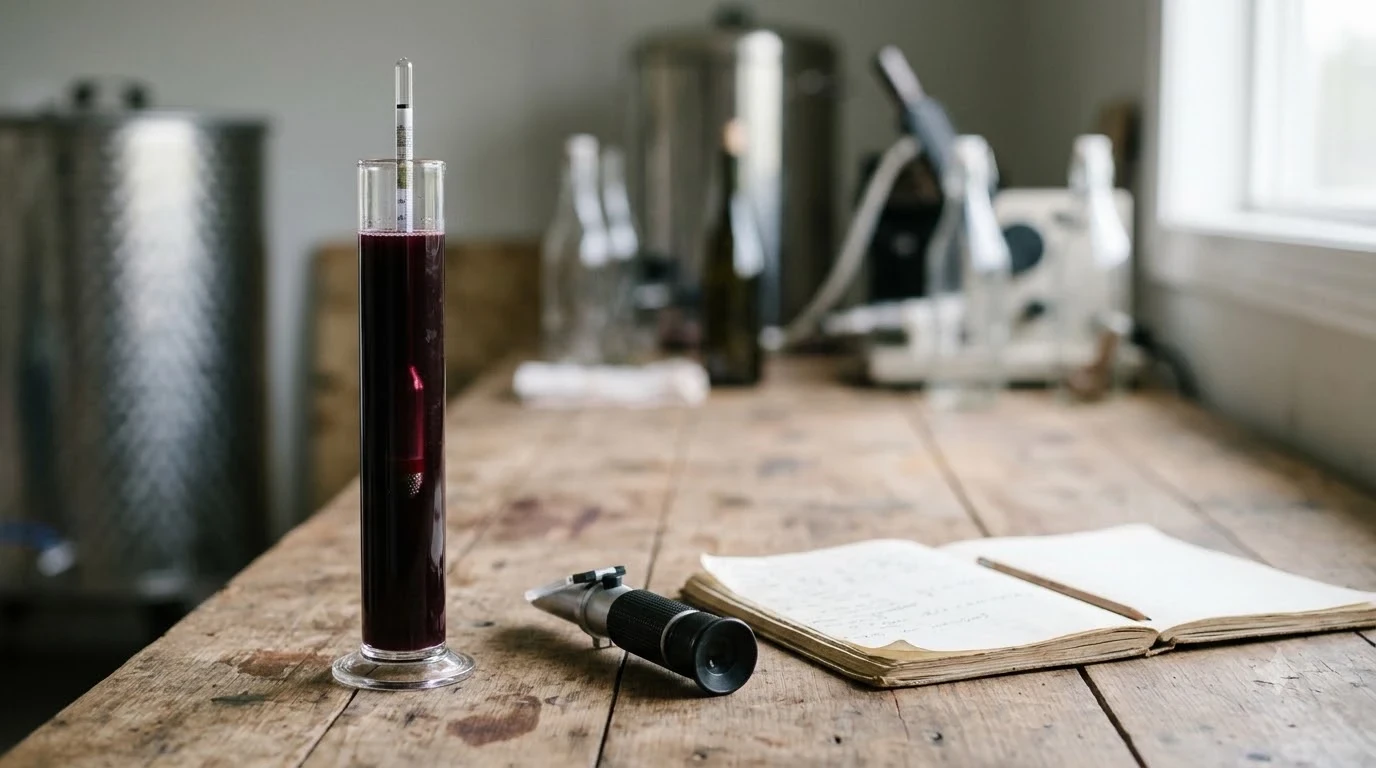
Haak Wine is a Texas winery in Santa Fe, Texas, that grew out of a backyard vineyard planted in 1969 by Raymond and Gladys Haak. The winery began selling its wines to the public in 2000, and it is known for growing Blanc du Bois, a hybrid grape suited to hot, humid Gulf Coast summers, along with its Texas Madeira. The brand now runs several tasting spaces across the state.
If you have seen the name Haak Wine on a shelf or on a Texas wine trail map and wondered what the brand is about, this guide explains where the winery came from, which grapes and wines it is known for, and how to decide whether one of its bottles fits your table. Most of what follows comes from the winery’s own history page, so treat the claims as the producer’s account rather than independent verification.
How Haak Wine started
The winery’s origin story is personal rather than corporate. According to the history page on the Haak Wines website, the couple’s first vines were a gift: in 1969, on their tenth wedding anniversary, Gladys gave Raymond two Concord grapevines. What began as a hobby turned into a serious project, and the page describes the vines as becoming “a great passion” for the pair.
Raymond spent years testing which grape varieties could handle the Gulf Coast climate, where humidity, heat, and disease pressure make grape growing harder than in the drier regions most people associate with American wine. The page describes a vineyard that grew from those two vines to 3 acres with 1,800 vines. That slow, trial-and-error start is a useful context for the rest of the brand’s story, because the grape choices were shaped by what would actually survive in Texas.
Commercial sales began in 2000. Haak’s wines were no longer just a family project once the public could buy them, and the brand has since become one of the better-known names in Texas wine. The company’s own site counts over 570 national and international awards across its wines, though the awards themselves are listed on a separate page and are best checked there for the specific medals and years.
Blanc du Bois and the Texas grape question
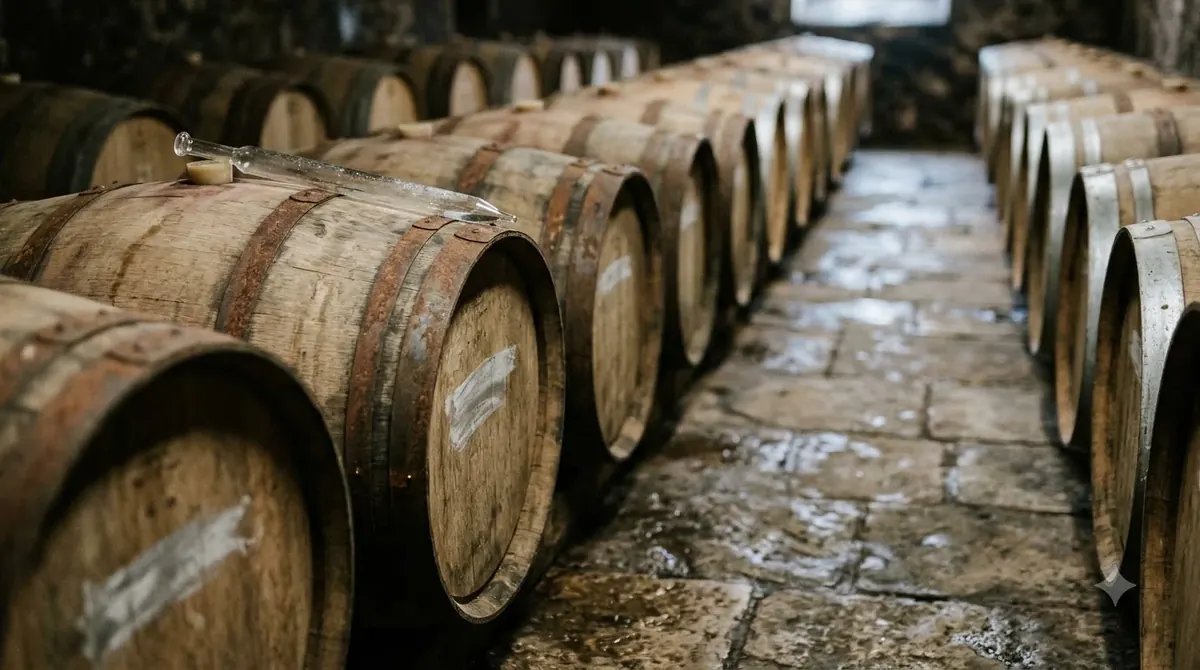
The grape most closely tied to Haak is Blanc du Bois. The history page says Raymond read about this hybrid variety, which is resistant to Pierce’s disease and performs well in hot, dry conditions, and that Haak became one of the first wineries in the country to cultivate it, as described in the winery’s own history account. For a Texas grower, that matters. Many European vinifera varieties struggle in the state’s humid summers, so a grape built for those conditions is a practical choice as well as a creative one.
Blanc du Bois is a white grape, and wines made from it are usually light to medium-bodied with bright acidity and fruit-forward aromas. Some producers lean dry and crisp, while others leave a touch of sweetness. If you want to understand what the grape tastes like before you commit to a whole bottle, try a Texas white from another producer alongside a Haak bottle and compare the acidity and fruit.
The lineup and what to look for
The Haak Wines website groups its products under a general wines section and highlights a few names, including a Cotton Candy Wine and The Only Texas Madeira. The site does not go into flavor detail for each bottle on the homepage, so the most reliable way to choose is to read the product page for the specific wine and compare its sweetness level, alcohol, and serving notes. Fruit-forward and sweeter styles tend to suit people who are new to Texas wine, much as readers who start with a sweeter Stella Rosa wine often want something softer. Drier options are a better match for dinner with savory food.
Texas Madeira deserves a separate mention. Madeira is a fortified wine from the Portuguese island of the same name, and Madeira-style wines are made to be oxidized and stable, with nutty, caramel, and dried-fruit notes. Haak’s version is marketed as the only Texas Madeira, and it is worth reading the producer’s own description for how it is made and how sweet it runs, because Madeira styles range from dry to rich.
| Style | Typical character | Good with |
|---|---|---|
| Blanc du Bois (white) | Bright acidity, citrus and tropical fruit | Seafood, salads, spicy Tex-Mex |
| Fruit-forward sweet wines | Soft sweetness, easy drinking | Desserts, cheese boards, casual sipping |
| Texas Madeira | Fortified, nutty, dried-fruit notes | Dessert, nuts, aged cheese |
Visiting Haak and where to find the wines
The brand operates in more than one place. The flagship is in Santa Fe, Texas, a newer tasting room is in Brenham, and Odin’s Table is at the Texas Renaissance Festival. The winery’s site also lists tours, tastings, stays, events, and weddings, which makes it a practical stop for anyone already planning a Texas wine trip. Check each location’s page for current hours and directions before you go, since they can change with seasons and events.
The Haak Wine Club is free to join according to the site, and members get complimentary tastings, discounted bottles, and access to members-only events. If you buy regularly, that is worth a look. Outside the winery, Texas wines are sold through many regional retailers, and the producer’s website is the most dependable source for what is currently available.
How to serve and pair Haak wines
Serving temperature changes how a wine tastes, and that applies to Texas whites as much as anything else. Chill a white like Blanc du Bois to a cool but not ice-cold temperature so the fruit and acidity stay in balance. Sweeter styles also show better when they are not too warm. For Texas Madeira, a small pour in a standard wine glass is enough, since the fortified style is intense and does not need a large serving.
For pairing, match the weight of the wine to the food. Lighter whites go well with fish, salads, and fresh cheeses. Richer, sweeter bottles pair with pecan desserts, caramel, and dark chocolate, which is a natural fit for a Texas dessert course. If you are also comparing sweeter sparkling and table wines from other brands, our notes on Barefoot wine cover a similar range of easy-drinking styles. Always drink responsibly and pace your glasses, especially with fortified wines, which carry more alcohol than table wine.
Frequently Asked Questions
Who founded Haak Wine?
According to the winery’s history page, Raymond and Gladys Haak started the vineyard in 1969 with two Concord grapevines, and the brand began selling wine commercially in 2000.
Where is Haak Wine located?
The flagship winery is in Santa Fe, Texas. The site also lists a tasting room in Brenham and Odin’s Table at the Texas Renaissance Festival.
What is Blanc du Bois?
Blanc du Bois is a hybrid white grape that is resistant to Pierce’s disease and grows well in hot, dry conditions. Haak is described as one of the first American wineries to cultivate it.
Is Haak’s Texas Madeira a dessert wine?
Madeira is a fortified wine that ranges from dry to sweet, and most styles work well with desserts, nuts, and aged cheese. Check the product page for the specific sweetness level before you buy.
Haak Wine is a good starting point for anyone curious about Texas wine, especially if you want a brand with a clear origin story and a focus on grapes that suit the state. Read the producer’s history and product pages, pick one white and one sweeter wine to compare, and then explore more of the brands listed in our Wine Brands guide.
More in Wine Brands
 Underwood Wine Price: Compare Bottles, Cans, and Pack SizesUpdated Nov 21, 2026
 Zenato Wine Price: Compare Styles and Choose the Right BottleUpdated Nov 21, 2026
 Zuccardi Wine Price: Compare Bottles and Find the Right RangeUpdated Nov 21, 2026
 Yellow Tail Moscato Review: Taste, Sweetness and Serving TipsUpdated Nov 21, 2026
 Wolf Blass Yellow Label Review: Choose Your Best StyleUpdated Nov 21, 2026
 Wolffer Estate Rose Review: Choose the Right Bottle for Your TableUpdated Nov 21, 2026