

We may earn a commission when you buy through links on this page, at no extra cost to you. Learn more.
Brunello di Montalcino wine is a dry, full-bodied red from Tuscany, made only from Sangiovese grapes grown around the town of Montalcino, and it is known for firm tannins, bright acidity, and cherry and leather flavors that develop with age. It is one of Italy’s most serious red wines, and it is built for cellaring as well as for a special dinner. If you want to understand what makes it different from other Sangiovese, start with the place and the clone.
Brunello di Montalcino is one of the names most wine lovers recognize from the Italian section of a shop, but the wine can be confusing at first. The label carries a lot of meaning, the style is serious, and the way it is served is not the same as a casual red. This guide explains where the wine comes from, what it tastes like, how to serve it, and what to eat with it.
What Brunello di Montalcino Wine Is
Brunello is the local name for Sangiovese grown in and around Montalcino, a hill town in the Tuscan province of Siena. Wine Folly notes that the wine is made with a special clone of Sangiovese, and that the name was first used on a label in 1865 by the Biondi-Santi family, who are often credited with establishing the style.
The wine is made as a single-varietal red. That means the bottle is pure Sangiovese, not a blend with Cabernet or Merlot, and the grape’s character is what you taste in the glass. The result is a wine with structure, savory notes, and a long life in the bottle.
Flavor and Style
A typical Brunello smells of dark cherry and plum, with notes of dried herbs, leather, and the earthy smell of clay. These are the flavors Wine Folly lists as the core of the wine. The body is medium to full, and the wine is bone-dry, so there is no sweetness to soften the edges.
Tannins are high, which gives the wine grip and a drying finish. Acidity is medium to high, so the wine still feels fresh and food-friendly despite its weight. Alcohol usually falls between 13.5 and 15 percent ABV, which is typical for a serious Italian red. Young bottles can taste tight and austere, and that tightness is part of why many producers wait before they release them.
Where Brunello Grows
Montalcino sits in the southern part of Tuscany, on a set of hills whose slopes and soils change from one vineyard to the next. The vines are planted at different altitudes and exposures, and the differences show up in the finished wine. Many producers talk about the specific vineyard rather than the town alone, which is one reason why the best bottles can taste so distinct.
The region has a long history of producing wine, and the local rules shape how Brunello is made and labeled. Those rules are the reason the wine is held to a high standard, and they help explain why bottles from different producers can look and taste quite different even when they share the same name on the label.
How to Serve Brunello di Montalcino Wine
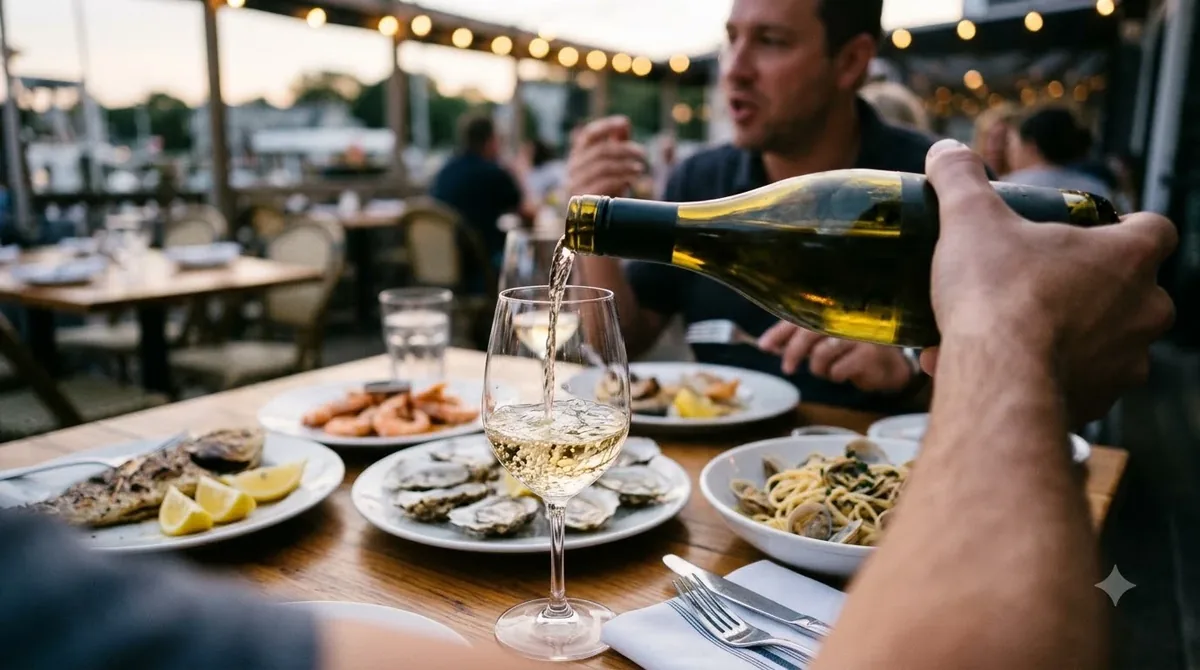
Serve Brunello at a warmer temperature than most reds. Wine Folly recommends 60 to 68 degrees Fahrenheit, which is about 15 to 20 degrees Celsius. Pour it into an oversized glass, and decant the bottle for about an hour before serving. The decant softens the tannins and lets the aromas open, which helps a young bottle show more of its fruit.
If you do not have time to decant, pour the wine a little early and let it sit in the glass. Older bottles usually need less air, so ask the shop or check the producer’s notes before you open one with a lot of age.
| Aspect | Typical Brunello di Montalcino |
|---|---|
| Grape | Sangiovese, a special clone |
| Body | Medium to full |
| Tannins | High |
| Acidity | Medium to high |
| Main flavors | Cherry, plum, leather, dried herbs, clay |
| Alcohol | About 13.5 to 15 percent ABV |
| Serving temperature | 60 to 68 degrees Fahrenheit |
| Decanting | About 1 hour |
Food Pairing
Brunello matches food that has fat and salt, because those flavors soften its tannins and bring out the fruit. Wine Folly suggests simple, fatty foods such as salumi, including prosciutto, pancetta, coppa, and bresaola. Roast meats, braised beef, and aged cheeses also work well with the wine.
Keep the dish simple. A heavily spiced or sweet sauce can fight with the wine’s dry finish, while a plate of grilled steak or roast lamb with rosemary lets the Sangiovese show its savory side. Mushrooms, tomato-based pasta, and wild game are classic partners as well.
Tip: If a bottle tastes too tight or too hard, decant it for longer and serve it with food. Many people find that the wine opens up fully only after the first glass.
How to Choose a Bottle
Brunello is a wine to buy with the vintage in mind. Check the year on the label, because the quality of the harvest matters, and read the producer’s notes to see how the wine is styled. Some bottles are made for the long haul, while others are built to drink a little sooner.
When you shop, look for the Brunello di Montalcino name and the producer’s name, and ask for the vintage that suits your plans. If you want a Brunello that is ready to drink, ask a staff member for a bottle from a recent year that has had some time to settle.
Brunello and Other Italian Reds
Many people compare Brunello with other Italian reds, especially other Sangiovese wines from Tuscany. The main difference is usually the aging and the structure. Brunello tends to be more concentrated and longer-lived than a simpler Chianti, which makes it a better choice for a special meal or a cellared bottle.
The comparison also helps when you are choosing a wine for a crowd. A Brunello is a serious red and may be too intense for a casual party, while a lighter Sangiovese can suit a relaxed evening. Think about the food and the occasion before you decide.
Storage is part of the story too. Keep bottles in a cool, dark place with steady temperatures, and lay them on their side if they have a natural cork. A well-stored Brunello can hold its structure for many years, but once opened it is best finished within a day or two, since the wine loses its freshness quickly after exposure to air.
Frequently Asked Questions
What is Brunello di Montalcino wine made from?
Brunello is made from Sangiovese grown around Montalcino in Tuscany. Wine Folly describes it as a special clone of the grape, and the wine is produced as a single-varietal red.
Is Brunello di Montalcino a sweet wine?
No. Brunello is bone-dry. The flavors are cherry, plum, leather, and herbs, with high tannins and medium to high acidity.
Should you decant Brunello di Montalcino?
Yes, especially for young bottles. Wine Folly suggests decanting for about an hour, which softens the tannins and lets the aromas open.
What food goes best with Brunello?
Salumi, roast meats, braised beef, aged cheese, and tomato-based pasta are all good matches. Fatty and savory foods suit the wine best.
Brunello di Montalcino rewards patience and a good meal. Choose a recent vintage if you want to drink it soon, decant it before you serve it, and pair it with savory food. For more on how this wine compares with other reds, see cabernet sauvignon wine, and for a lighter, fruitier option, browse moscato wine or the full Wine by Type guide. For the flavor and serving details, the Wine Folly page on Brunello di Montalcino is a good next read.
More in Wine Types & Grapes
 Zinfandel Sugar Content: Dry Red vs. White Zinfandel GramsUpdated Nov 21, 2026
 Best Zinfandel Substitute Options for Sipping and CookingUpdated Nov 21, 2026
 Zweigelt Food Pairing: Best Dishes, Cheeses, and Serving TipsUpdated Nov 21, 2026
 Zinfandel Tannins Explained: How Structure Shapes Every BottleUpdated Nov 21, 2026
 Zinfandel Sweetness Level: Dry Red vs. Sweet White Zin ExplainedUpdated Nov 21, 2026
 Xinomavro Food Pairing: Best Dishes, Styles, and Serving TipsUpdated Nov 21, 2026