

We may earn a commission when you buy through links on this page, at no extra cost to you. Learn more.
Tavel wine is a dry rosé from the Tavel appellation in the southern Rhône Valley of France, and it is the only wine style the appellation produces. Tavel is a rosé-only appellation, so every bottle labeled Tavel is pink. Its blends are built mainly on Grenache noir, and the wines tend to be deeper in color and fuller in body than many lighter rosés.
This guide explains what Tavel wine is, where it comes from, which grapes go into it, and how it compares with the paler rosés you may already know. It also covers how the wine tastes, what to serve it with, and how to buy and store a bottle so you get the most from it.
What Is Tavel Wine?
Tavel wine is a rosé produced in one village appellation in France. The name refers to the Tavel AOC, which is a legal designation that controls where the grapes grow and how the wine can be made. Under this system, Tavel is reserved for rosé, which sets it apart from neighboring appellations that make red and white wine too.
Wine writers often describe Tavel as France’s best-known rosé. The appellation received its AOC status in 1936, and the producers have built a reputation on wines that hold more structure than a typical summer pink. Some sources also note that a few rosés of this type can improve with age, which is unusual for the category.
For American drinkers, the simplest way to think about Tavel is as a serious, food-friendly rosé rather than a light patio sipper. It is dry, it has more body than many pink wines, and it shows a range of red fruit, stone fruit and herbal notes. If you enjoy rosé but want something with more backbone, Tavel is worth knowing.
Grapes and Winemaking Behind Tavel Rosé
Tavel blends are anchored by Grenache noir, the red grape that also dominates many southern Rhône reds. Winemakers can blend several other varieties into the wine, and the appellation allows a longer list than many people expect. Each producer chooses the proportions, so two bottles from the same village can taste quite different.
The table below lists the grapes that the appellation sources name as allowed in Tavel. It is a useful reference when you read a label or compare producers, though you should check the back label or the producer’s website for the exact blend in a specific bottle.
| Grape | Color | Role in a Tavel blend |
|---|---|---|
| Grenache noir | Red | The basis of most Tavel wines, adding fruit and body |
| Cinsault | Red | Adds lift and a lighter, fresher character |
| Mourvèdre | Red | Contributes structure and savory depth |
| Syrah | Red | Adds color and a darker fruit note |
| Carignan and Calitor | Red | Used in smaller amounts, less often |
| Bourboulenc, Clairette, Picpoul | White | White varieties that can add freshness and acidity |
Rosé is made in a few main ways, and Tavel producers use a method that gives the wine its deeper color. Grapes are picked and crushed, then the juice stays in contact with the skins for a short period. Afterward, the juice is pressed off the skins and fermented. In France, a rosé cannot legally be made by simply mixing red and white wine together, so the color has to come from skin contact.
In Tavel, some of the must is kept with the skins for longer, then blended into the lighter juice. According to Wikipedia’s Tavel AOC entry, this technique is what makes the wine more powerful, more tannic and darker than many other rosés. Maceration times for rosé generally run from several hours to a day or more, depending on the producer and the color they want.
Tavel vs. Other Rosés
Tavel is often compared with lighter rosés from Provence, which are typically pale and delicate. The difference comes down to color, grape mix and the winemaking choices that add weight to the bottle. A Provence rosé is usually the lighter, crisper choice, while Tavel is the deeper, more structured one.
Lirac, the neighboring appellation, also makes rosé, and reference sources note that its rosé is usually similar in style to Tavel. The two appellations sit side by side on the right bank of the Rhône, so the family resemblance is natural. Tavel has the stronger reputation for rosé alone, since Lirac also makes red and white wine.
If you usually choose red wine, Tavel can be a bridge. Its grapes are familiar, and it still carries the fruit and texture of a red. For a comparison with a red built on a different grape, you can read the chianti grape guide, which explains how Sangiovese shapes a wine in a different way.
How Tavel Tastes
Tavel is a dry wine with a notable amount of body for a rosé. Its color ranges from deep salmon pink to a rose pink with a hint of ruby. The aroma usually opens with red berry fruit and then moves toward stone fruit and almond, according to the producer body Vins Rhône.
On the palate, the wine tends to feel full and rounded, with a touch of spice underneath the fruit. Because the wine is dry, the fruit flavors come across as savory rather than sugary. Many drinkers find the finish longer than they expect from a pink wine, which is part of the appeal for a meal.
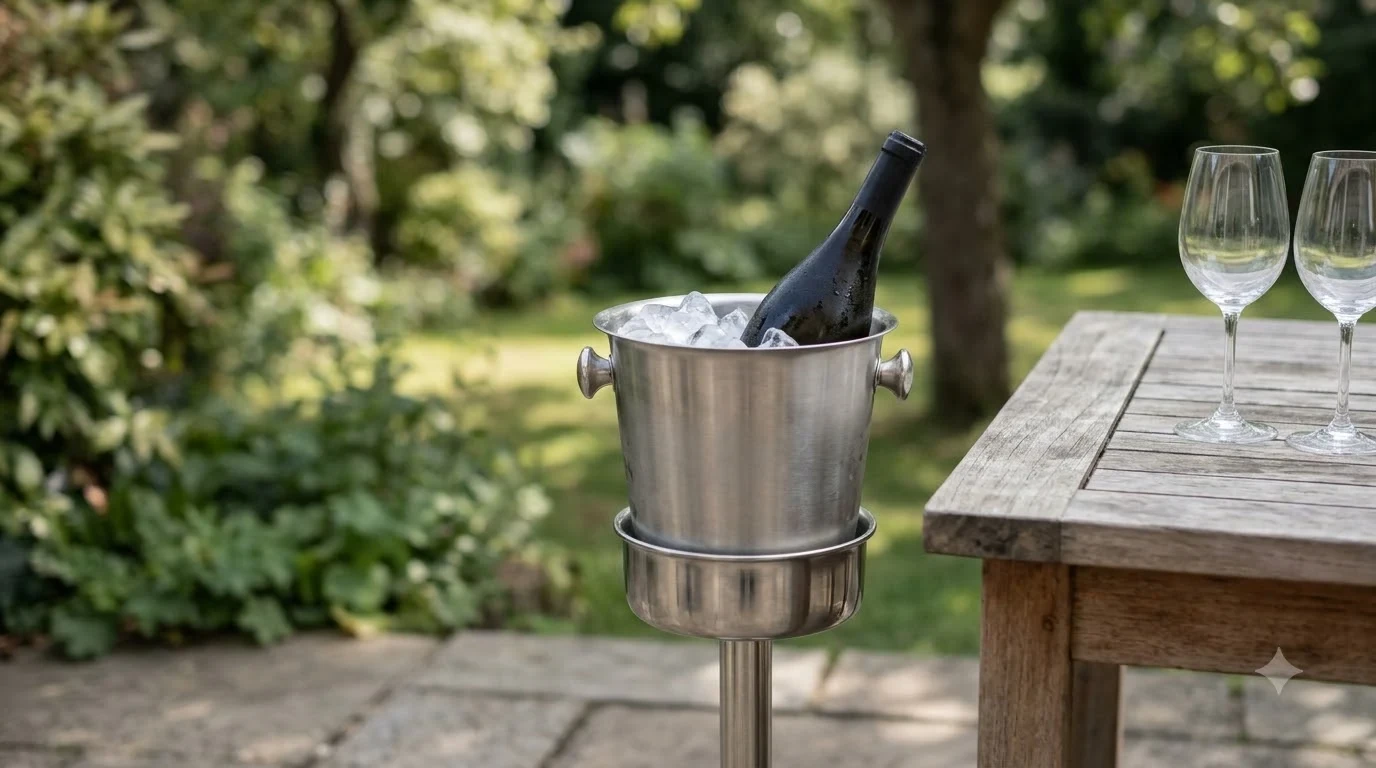
Expect a wine that is more structured than a pale summer rosé but still lighter than most red wines. Serve it cool rather than ice cold, so the fruit and body come through. A slightly chilled glass will show the wine at its best without flattening the aromas.
Tip: Pour a small amount first and let the glass sit for a minute. The color and aroma change as the wine warms slightly, and you can judge the balance more easily.
Food Pairings for Tavel
Tavel is often recommended as a food wine, since its body and dryness let it handle a range of dishes. The producers describe it as a wine that can move from the starter course to dessert, which is a rare claim for a rosé. In practice, the best matches depend on how rich the food is.
For lighter starters, try grilled vegetables, goat cheese salads, or cured fish with lemon. The wine’s fruit and acidity suit these dishes without overwhelming them. Roast chicken, pork with herbs, and tomato-based pasta are reliable main-course partners, since the wine has enough weight to stand up to savory flavors.
Southern French cooking is a natural fit. Dishes with garlic, olive oil, herbs such as thyme and rosemary, and sun-dried tomatoes tend to match the wine’s warm, herbal profile. For a broader look at matching wine styles with meals, the Wine by Type section groups styles so you can compare them quickly.
How to Buy and Store Tavel
When you shop for Tavel, look for the appellation name on the label and the word Tavel, which tells you the wine comes from the protected area. Read the back label or the producer’s site to learn the grape blend and the vintage. Vintage matters because each year’s weather changes the balance of fruit and acidity.
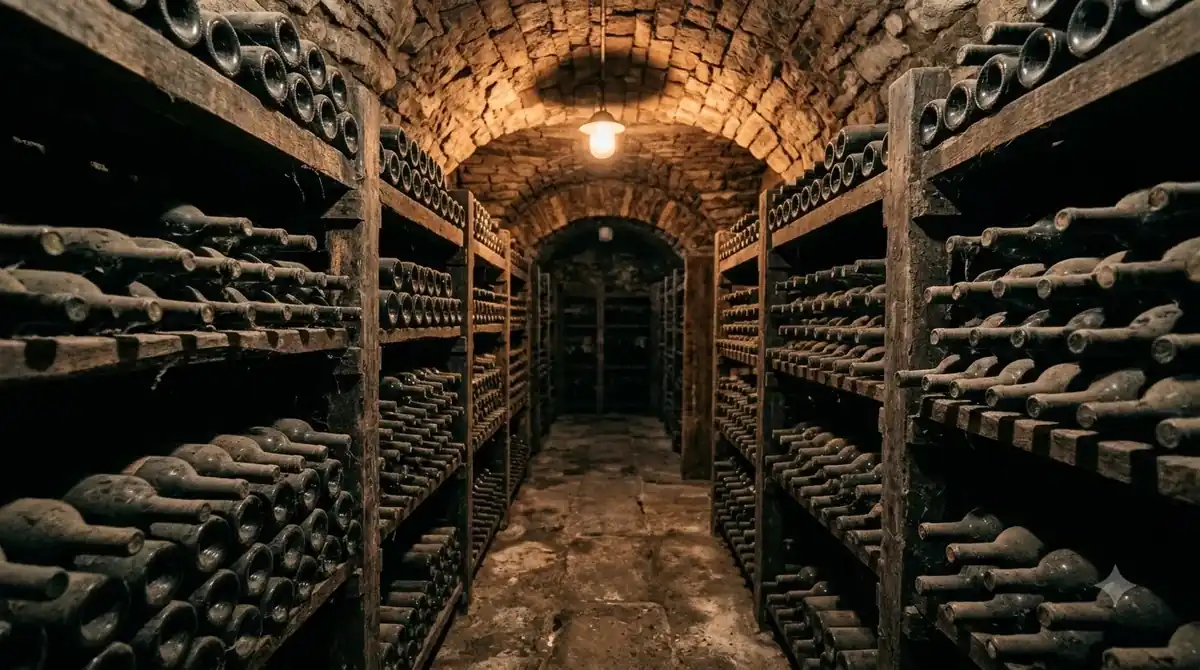
Most Tavel is meant to be drunk within a few years of its release, though some producers make wines that can be kept longer. The reference material notes that these wines can be cellared, but many are enjoyed young. Store bottles lying on their side in a cool, dark place away from heat and light, and keep them away from strong vibrations or temperature swings.
Once opened, reseal the bottle and refrigerate it. Drink it within a few days so the fruit stays fresh. For more detail on the appellation and its production rules, the Vins Rhône producer guide to Tavel offers the official view from the region’s wine body. If you want to compare how Tavel and white grapes such as the colombard grape differ in the glass, that guide is a useful next step.
Frequently Asked Questions
Is Tavel wine a red or a rosé?
Tavel is a rosé. The appellation produces only rosé, so every bottle labeled Tavel is pink. Its color ranges from salmon pink to a rose pink with a glimmer of ruby, depending on the blend and how long the juice stayed with the skins.
Is Tavel sweet or dry?
Tavel wines are dry. Reference sources describe them as having more body and structure than most rosés. Their fruit flavors can taste fuller, but the wine itself is not sweet, which makes it a good match for savory food.
What grape is used most in Tavel?
Grenache noir is the basis for most Tavel wines. Producers may blend in Cinsault, Mourvèdre, Syrah and several white varieties, and the exact mix changes from bottle to bottle. Check the label or producer site for the blend in a specific wine.
Can Tavel be aged?
Some sources note that Tavel can benefit from aging, which is unusual for a rosé. Many bottles are meant to be enjoyed young, so check the producer’s recommendation on the label or website before you decide to cellar a bottle.
Tavel wine offers a rosé with more depth than most pink wines, and it is worth trying with a meal. Start with a bottle from a producer you trust, then compare it with a lighter rosé to see the difference for yourself. For more background on French wine styles, explore the Wine by Type guides.
More in Wine Types & Grapes
 Zinfandel Sugar Content: Dry Red vs. White Zinfandel GramsUpdated Nov 21, 2026
 Best Zinfandel Substitute Options for Sipping and CookingUpdated Nov 21, 2026
 Zweigelt Food Pairing: Best Dishes, Cheeses, and Serving TipsUpdated Nov 21, 2026
 Zinfandel Tannins Explained: How Structure Shapes Every BottleUpdated Nov 21, 2026
 Zinfandel Sweetness Level: Dry Red vs. Sweet White Zin ExplainedUpdated Nov 21, 2026
 Xinomavro Food Pairing: Best Dishes, Styles, and Serving TipsUpdated Nov 21, 2026