
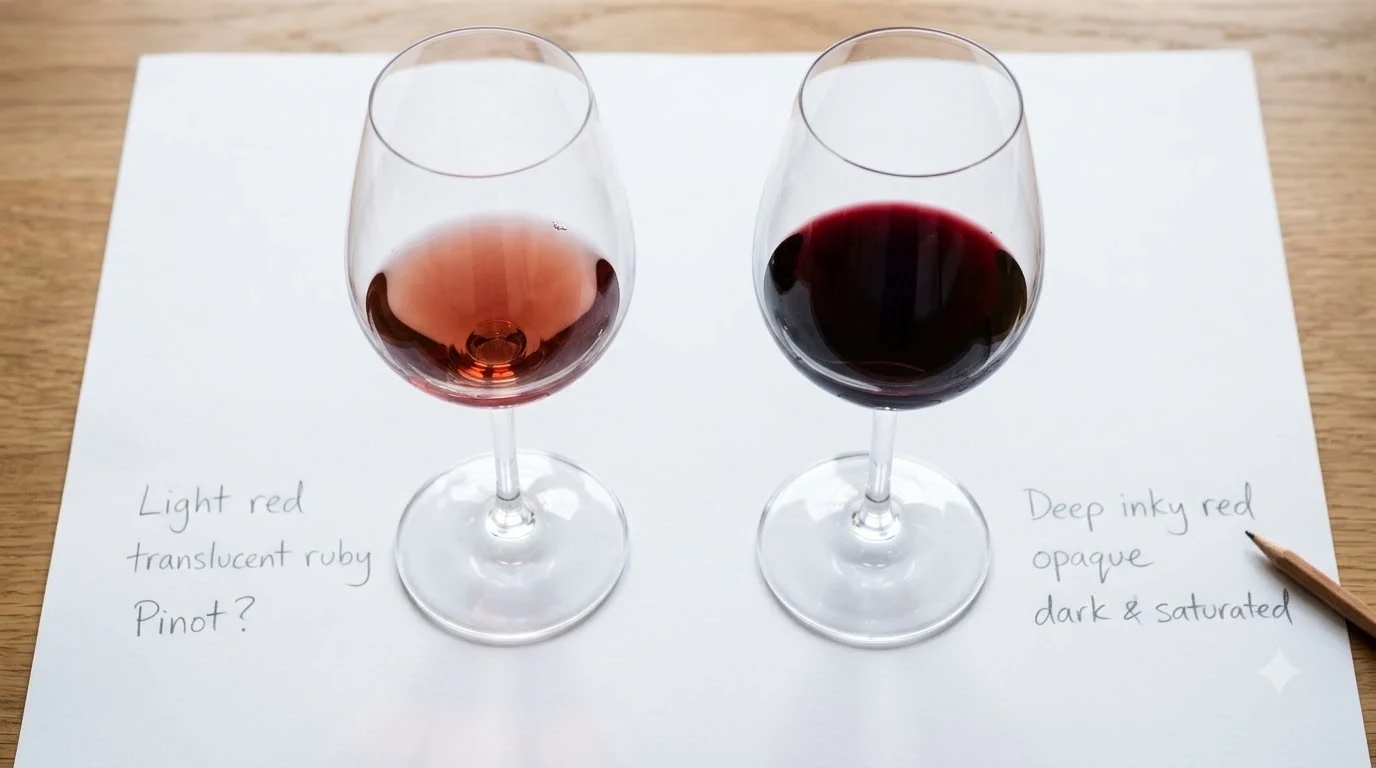

We may earn a commission when you buy through links on this page, at no extra cost to you. Learn more.
The sancerre grape is not a single variety, because Sancerre is a Loire Valley appellation where white wines come from sauvignon blanc and red and rosé wines come from pinot noir. That distinction matters when you read a bottle, since the place name tells you where the wine was made rather than what it is made from. Most Sancerre you will find in a US wine shop is white, and it is known for fresh, crisp flavors.
This guide explains what Sancerre is, which grapes are allowed, and how the style differs between white, rosé and red. It also covers the soils and slopes behind the flavors, plus practical advice on food, serving and buying. If you are comparing Sancerre with other wines, the sections below give you a clear way to judge the bottle in front of you.
What Is Sancerre?
Sancerre is a protected place name, which is why it appears on labels as an appellation rather than a grape. The vineyards sit on hills above the Loire River in the Cher department of central France. According to the French national appellation authority, INAO, the zone covers a series of hills spread across 14 communes in that department.
The appellation was recognized for white wines in 1936 and extended to red and rosé wines in 1959. That history explains why the area is known for white wine today, even though it once relied heavily on red. A bottle labeled Sancerre must meet the rules for that appellation, so the name signals a regional style and a set of production standards.
For a US shopper, the simplest way to think about it is this: Sancerre answers the question where, and the grape variety answers the question what. The label on a Sancerre usually names the color and the appellation, and the grape is defined by the rules for that color. Knowing this makes it easier to compare a Sancerre with wines from other regions that name their grapes directly.
Sauvignon Blanc: The White Grape Behind Sancerre
Sauvignon blanc is the grape behind most Sancerre white wines, and it is the reason the appellation is so widely recognized. The variety suits the cool, well-drained slopes of the region, and it produces wines with bright acidity and a clear aromatic profile. Sancerre white is typically pale gold in color.
According to the INAO, Sancerre white wines show citrus, exotic fruit and floral notes, with a round mouthfeel and a fresh, balanced finish. Many drinkers describe the style as zesty, with grapefruit or lime character, and a fresh herbal edge in some vintages. The exact aromas depend on the producer, the vineyard and the year, so tasting notes are a guide rather than a guarantee.
Sauvignon blanc has a longer history in the region than the appellation itself suggests. After phylloxera nearly destroyed the vineyard in the late nineteenth century, growers rebuilt it with sauvignon blanc, which was well suited to the local terroir. The variety has been central to the area ever since, and it is the main reason Sancerre became a reference point for crisp white wine.
Pinot Noir in Sancerre Red and Rosé
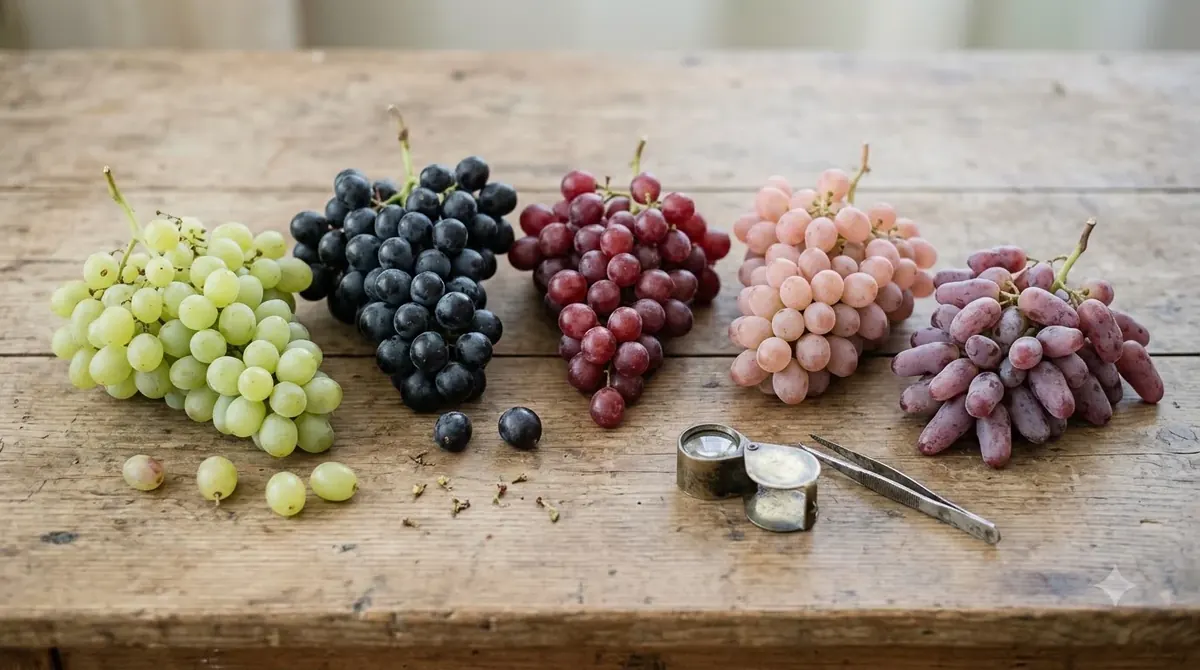
Pinot noir is the grape used for Sancerre red and rosé, and it has a long connection to the district. Before the phylloxera crisis, the vineyard was planted mainly to pinot noir, and the red wines helped build the area’s early reputation. Today the grape is a smaller part of the production, but it still defines the reds and rosés.
The INAO describes Sancerre rosés as tender and subtle, with pale pink or salmon color and delicate, fruity aromas. The reds are described as perfumed and round, with red fruit aromas that combine power and finesse. These wines are lighter than many bold reds from warmer regions, so they often appeal to drinkers who prefer restraint over heavy oak or high tannin.
If you are used to pinot noir from California or Oregon, expect a leaner, more savory style from the Loire. Cooler growing conditions tend to keep the fruit fresh and the structure lively. This makes Sancerre red a useful reference for anyone who wants to explore pinot noir beyond the richer examples often sold in the US.
Flavor Profile and Style at a Glance
Sancerre is easiest to understand when you compare its three main colors side by side. The grape, color and typical aromas all differ, even though the wines share a sense of freshness. Use the table below as a quick reference when you are reading labels or choosing between bottles.
| Style | Main grape | Typical color | Aromas and character (per INAO) |
|---|---|---|---|
| White | Sauvignon blanc | Pale gold | Citrus, exotic fruit, floral notes; fresh and balanced |
| Rosé | Pinot noir | Pale pink or salmon | Delicate, fruity and subtle; tender texture |
| Red | Pinot noir | Light to medium red | Red fruit aromas; a mix of power and finesse |
Across all three styles, the wines are generally dry and carry a fresh finish. White Sancerre tends to feel most vivid on the palate, while the rosé and red lean toward softer fruit. Acidity is a common thread, which is why Sancerre is often described as lively rather than heavy.
When you read a tasting note, look for words that describe texture and structure as well as fruit. Terms such as firm, round or chalky point to different sensations in the mouth. These clues will help you predict whether a bottle will suit a light meal or a richer dish.
Loire Valley Terroir and Soils
The terroir of Sancerre explains much of its character. The vineyard is planted on steep hills above the Loire, and the slopes can be very steep in places, with gradients that exceed fifty percent. The river moderates temperature swings, which helps the grapes ripen evenly while keeping acidity intact.
According to the INAO, three main soil types appear across the appellation. Marl, known locally as terres blanches, produces powerful white wines. Limestone, called caillotes or cris, gives fruitier wines, while clay-silica soils, known as chailloux or silex, tend to produce wines with floral aromas. The variation within a few kilometers can be significant, which is why producers often bottle single-vineyard or single-soil wines.
The broader Loire region also grows sauvignon blanc, and the Touraine AOC entry on Wikipedia lists it alongside Chenin blanc in nearby appellations. Comparing those wines with Sancerre can show how soil and climate change the same grape. For a closer look at Sancerre’s own rules and map, the INAO page for Sancerre red includes the appellation description and technical details.
Food Pairing with Sancerre
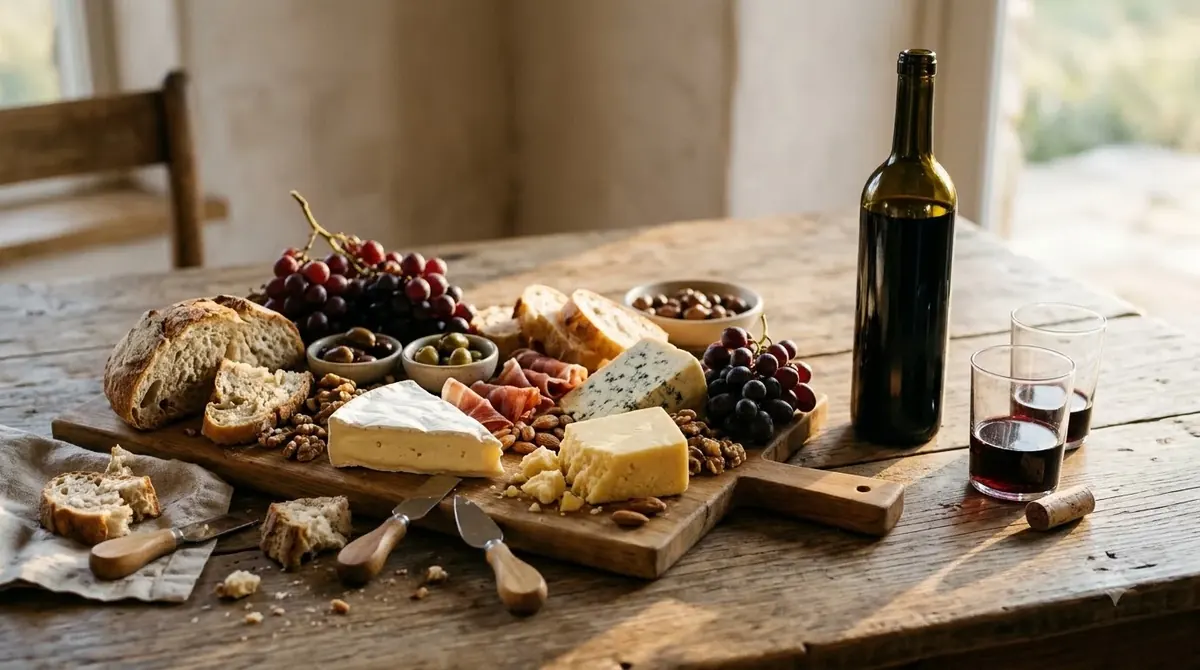
Sancerre’s fresh acidity makes it a flexible partner at the table. White Sancerre works well with goat cheese, which is a classic match in the Loire, along with shellfish, grilled fish and dishes with herbs. The wine’s citrus notes help balance lemon, vinaigrette and creamy sauces.
Sancerre rosé suits lighter fare such as salads, cold poultry and vegetable dishes. Its soft fruit pairs well with tomatoes and summer herbs. Sancerre red, being lighter than many reds, goes with roast chicken, mushrooms and salmon, and it can handle earthy flavors without overwhelming them.
Pairing is a matter of balance rather than strict rules. Match the wine’s weight to the dish, and avoid pairing a delicate Sancerre with very heavy, heavily spiced food. Drink responsibly, and remember that food helps slow alcohol absorption, but it does not change how much alcohol is in the glass.
Serving Temperature and Glassware
Serving temperature changes how a Sancerre tastes. A wine that is too cold can hide aromas, while one that is too warm can feel flabby and soft. Chill white and rosé Sancerre in the refrigerator ahead of time, and check the producer’s website or the back label for any serving guidance.
Red Sancerre is usually served cooler than many red wines, since its lightness suits a slightly chilled glass. Let it sit out for a short time before pouring if the bottle has been in a very cold fridge. The aim is to bring out fruit without letting the wine taste thin.
For glassware, a standard white wine glass with a moderate bowl works well. The shape concentrates aromas and keeps the wine from warming too fast. Avoid very large glasses for white Sancerre, because they release aromas too quickly and let the wine warm in the hand.
Tip: Open the bottle a few minutes before pouring white Sancerre if it has been very cold. The aromas open up as the wine warms slightly, and the citrus and floral notes become easier to notice.
Buying and Storing Sancerre
When you shop, look for the word Sancerre on the label along with the color of the wine. A bottle labeled Sancerre rouge or Sancerre rosé is made from pinot noir, while a white label is made from sauvignon blanc. Reading the label carefully helps you avoid confusion with other Loire appellations.
Sancerre white is generally meant to be enjoyed young, since its freshness is part of its appeal. Store bottles in a cool, dark place away from heat and strong light, and keep them on their side if they have corks. Red Sancerre may age for a few years, but check the producer’s notes for guidance on how long to keep a specific bottle.
If you want to explore Loire whites beyond Sancerre, start with a guide to the Wine by Type section, which groups wines by style. Comparing a Sancerre with a wine from a different grape can teach you a lot about how the variety shapes flavor.
Frequently Asked Questions
Is Sancerre a grape or a region?
Sancerre is a region and an appellation in the Loire Valley, not a grape. The white wines are made from sauvignon blanc, while the red and rosé wines are made from pinot noir. The name on the label tells you where the wine was made and the rules it follows.
What grape is Sancerre white wine made from?
Sancerre white wine is made from sauvignon blanc. The variety gives the wine its characteristic citrus, floral and fresh notes. Growers rebuilt the vineyard with sauvignon blanc after phylloxera, and it remains the dominant white grape in the appellation.
Is Sancerre rosé made from pinot noir?
Yes, Sancerre rosé is made from pinot noir, according to the rules for the appellation. The INAO describes these rosés as delicate and fruity, with pale pink or salmon color. They are generally dry and suit lighter meals.
How can I tell if a Sancerre is red, rosé or white?
Check the color word on the label, which usually reads Sancerre blanc, rosé or rouge. The bottle’s color is also a clear signal of style. If the label is unclear, the producer’s website or the retailer’s description should explain the wine’s grape and color.
Understanding the sancerre grape question is a good first step toward reading Loire labels with confidence. Once you know that white means sauvignon blanc and red or rosé means pinot noir, the appellation becomes a useful guide to style. For a comparison with another white grape, read the colombard grape guide and see how a different variety changes the glass.
More in Wine Types & Grapes
 Zinfandel Sugar Content: Dry Red vs. White Zinfandel GramsUpdated Nov 21, 2026
 Best Zinfandel Substitute Options for Sipping and CookingUpdated Nov 21, 2026
 Zweigelt Food Pairing: Best Dishes, Cheeses, and Serving TipsUpdated Nov 21, 2026
 Zinfandel Tannins Explained: How Structure Shapes Every BottleUpdated Nov 21, 2026
 Zinfandel Sweetness Level: Dry Red vs. Sweet White Zin ExplainedUpdated Nov 21, 2026
 Xinomavro Food Pairing: Best Dishes, Styles, and Serving TipsUpdated Nov 21, 2026