

We may earn a commission when you buy through links on this page, at no extra cost to you. Learn more.
Frontenac wine is a deeply colored, high-acid red wine made from an ultra-cold-hardy hybrid grape developed by the University of Minnesota in 1996. Known for vivid flavors of cherry, black currant, and plum, it is produced across the Upper Midwest, New England, and eastern Canada in styles ranging from dry, oak-aged reds to off-dry rosés and rich, Port-style dessert wines. Because the grape retains high natural acidity even at full ripeness, winemakers often use barrel aging, malolactic fermentation, or a touch of residual sugar to bring balance to the glass.
For decades, harsh subzero winters prevented northern North American vineyards from growing traditional European wine grapes on a commercial scale. The release of Frontenac transformed cold-climate viticulture, giving growers in states like Minnesota, Iowa, and Wisconsin a reliable red cultivar capable of producing expressive, food-friendly bottles.
What It Is
Frontenac is an interspecific hybrid red wine grape bred at the University of Minnesota by crossing the cold-hardy wild native grape Vitis riparia 89 with the French-American hybrid Landot Noir 4511. Tested under the breeding code MN 1047 and officially released to the public in 1996, it became the foundation of a modern northern wine industry and the parent of two natural color mutations: pink-skinned Frontenac Gris and yellow-skinned Frontenac Blanc.
In the vineyard, Frontenac stands out for extreme winter resilience, surviving midwinter temperatures down to minus 35 degrees Fahrenheit with minimal vine injury. Its small to medium-sized berries grow in loose, medium-sized clusters and feature a notably high skin-to-pulp ratio along with pigmented juice. That dense pigmentation gives red Frontenac wine an opaque, inky ruby or garnet hue right out of the press, even without extended skin contact.
Chemically, the frontenac grape is defined by dual intensity: it accumulates ample natural sugar—typically reaching 22 to 25 degrees Brix at harvest for table wines—while simultaneously holding onto high titratable acidity between 10 and 15 grams per liter. Unlike warm-climate European cultivars such as the chianti grape (Sangiovese), which rely on long, mild autumns to soften their acid levels, Frontenac ripens in shorter growing seasons while keeping a brisk, energetic backbone. As Wine Enthusiast notes, winemakers have only worked with the variety for roughly three decades, yet it has quickly established a distinct regional identity across North America.
Flavor and Styles
In the glass, Frontenac wine delivers a concentrated burst of bright red and dark berry fruit led by tart cherry, Bing cherry, black currant, and ripe plum. Depending on harvest timing and cellar treatment, secondary aromas often include blackberry, subtle baking spice, cocoa, and earthy or herbal undertones.
Because the grape arrives at the winery with vibrant natural acidity and moderate tannins, producers rarely rely on a single winemaking template. Instead, Frontenac appears across four primary commercial styles that highlight different facets of the fruit:
| Wine Style | Sweetness Level | Primary Flavor Notes | Typical Cellar Approach |
|---|---|---|---|
| Dry Red | Dry | Tart cherry, black currant, plum, pepper, toasted oak | Malolactic fermentation and 10 to 12 months in oak barrels |
| Off-Dry Red | Off-dry | Ripe Bing cherry, blackberry, raspberry jam | Stainless steel or neutral oak with stopped fermentation |
| Rosé | Dry to off-dry | Light Bing cherry, wild strawberry, bright citrus | Early pressing with brief skin contact in cool stainless steel |
| Dessert and Ice Wine | Sweet | Candied cherry, fig, dark chocolate, dried plum | Late-autumn or frozen harvest up to 30 degrees Brix, sometimes fortified |
Dry red expressions tend to be medium- to full-bodied, with alcohol levels generally landing between 12 and 14 percent ABV. When aged in French, American, or Hungarian oak barrels for up to a year, the wine picks up notes of vanilla, smoke, and dark chocolate while its sharp edges smooth out. Off-dry reds retain a whisper of natural grape sugar to cushion the acidity, making the cherry character taste lush and approachable.
Rosé and sweet versions take full advantage of Frontenac’s natural tartness. Pressed quickly off the skins, Frontenac rosé pours a vivid coral-pink and showcases fresh Bing cherry fruit with a crisp, mouthwatering finish. At the sweeter end of the spectrum, late-harvest and fortified Port-style bottlings concentrate the grape’s sugars up to 30 degrees Brix, yielding velvety dessert wines layered with fig, blackberry, and chocolate notes.
Where It Grows
Frontenac thrives in cold-climate wine regions across the northern United States and eastern Canada where winter temperatures routinely plunge far below freezing. Its strongest concentration of plantings sits in the Upper Midwest—specifically Minnesota, Iowa, Wisconsin, Illinois, and Michigan—alongside growing acreage in New York, Vermont, New Hampshire, and the Canadian provinces of Quebec and Ontario.
In Minnesota, where the cultivar originated at the Horticultural Research Center in Excelsior, Frontenac quickly became the most widely planted red wine grape following its 1996 debut. According to the University of Minnesota Minnesota Hardy program, the vine thrives in USDA Hardiness Zone 3 and exhibits moderately high vigor, performing best on High Wire or Geneva Double Curtain trellis systems that expose the fruiting zone to maximum autumn sunlight.
Harvest timing is one of the most critical regional factors shaping the final wine. Even though Frontenac experiences an early- to mid-season bud break in spring, growers typically wait until October to pick the fruit for dry table wine. Allowing the clusters to hang late into fall lets acid levels drop naturally while phenolics ripen, and in snowy regions like Quebec and Minnesota, vines are often left unharvested until early winter freezes the berries on the vine for authentic ice wine.
How to Serve
Serving temperature plays an outsized role in how Frontenac wine tastes because cold temperatures emphasize acidity while warmth amplifies alcohol and fruit richness. Dry and off-dry red Frontenac wines show best when served slightly below room temperature, ideally between 60 and 63 degrees Fahrenheit (16 to 17 degrees Celsius).
Chilling a dry red bottle in the refrigerator for about 20 to 30 minutes before pouring keeps the bright cherry fruit crisp and prevents the wine’s natural acidity from feeling sharp. If you are pouring a Frontenac rosé, chill it thoroughly to 45 to 50 degrees Fahrenheit so its refreshing berry notes stay lively. Sweet Port-style bottlings sit comfortably right around 58 to 62 degrees Fahrenheit, where their cocoa and dried fruit aromatics open up without tasting overly hot.
Glassware and aeration also make a noticeable difference, particularly with oak-aged dry reds. Pouring young, barrel-aged Frontenac into a standard medium-bowled red wine glass—or decanting it for 30 to 45 minutes prior to dinner—allows volatile fruit esters to bloom and softens any youthful grip. Once opened, recorked dry bottles generally hold their freshness in the refrigerator for three to four days thanks to their protective acid structure.
Tip: If a dry Frontenac tastes slightly tart right after opening, give it 30 minutes in a decanter or swirl it generously in your glass—exposure to oxygen rounds out the cherry acidity and brings forward subtle spice and cocoa notes.
Food Pairing
Frontenac wine’s signature combination of vibrant acidity, deep berry fruit, and moderate tannins makes it exceptionally versatile at the dinner table. High acidity acts as a natural palate cleanser against rich fats, savory sauces, and smoky grilled meats, much like classic cool-climate reds from northern Europe.
Dry, oak-aged Frontenac pairs smoothly with hearty proteins and bold seasonings. Grilled burgers, slow-smoked pork ribs, roasted duck breast, lamb chops, and braised beef short ribs all match the wine’s intensity while letting its tart cherry and black currant notes cut through the richness of the dish. Aged hard and semi-hard cheeses—including sharp white cheddar, aged Gouda, Manchego, and Pecorino—also echo the savory, nutty nuances developed during barrel maturation.
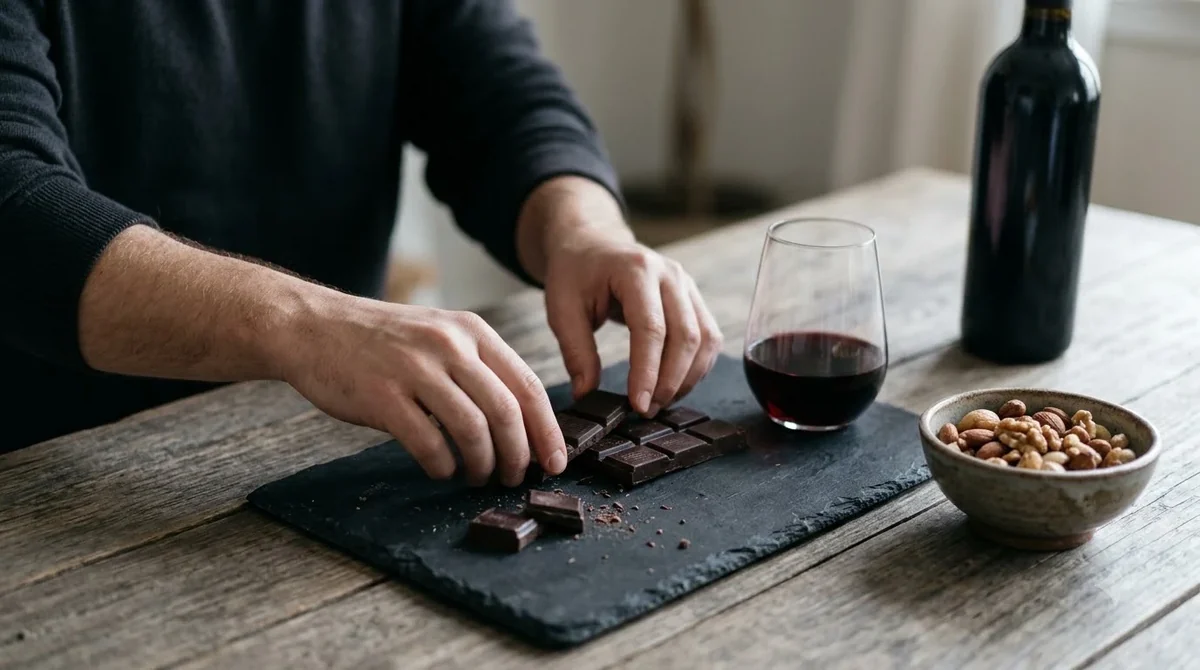
Off-dry red and rosé styles shine alongside dishes that carry a touch of sweetness, smoke, or spice. Try off-dry Frontenac with glazed ham, dry-cured prosciutto, barbecue chicken, or roasted root vegetables seasoned with smoked paprika and garlic. For late-harvest or fortified Frontenac dessert wines, stick to dark chocolate tarts, flourless chocolate cake, or blue-veined cheeses where the wine’s residual sweetness balances bitter cocoa or salty dairy.
How to Choose a Bottle
Shopping for Frontenac wine starts with checking the back label for sweetness indicators and cellar notes, since the same grape produces very different drinking experiences. Many regional wineries include a residual sugar percentage or a sweetness scale on the bottle; look for terms like “dry,” “zero residual sugar,” or “oak-aged” if you prefer a savory dinner red, and look for “semi-dry,” “off-dry,” or higher residual sugar figures if you enjoy fruitier, softer reds.
Pay close attention to the exact varietal name on the front label so you know which member of the Frontenac family you are buying. Standard Frontenac (sometimes labeled Frontenac Noir) is always a red or rosé wine made from blue-black berries. By contrast, Frontenac Gris is made from a gray-pink grape mutation and yields amber-hued, aromatic white or blush wines with peach and tropical notes, while Frontenac Blanc produces crisp, citrus-driven white wines. If you want to explore how different grape families compare across styles, browsing Wine by Type or reading about distinct white cultivars like the catarratto grape can help frame where cold-climate hybrids sit in the broader wine world.
Finally, look for vintage dates and oak aging details when selecting a dry red. Bottlings aged in oak barrels for 10 to 12 months—or blended with complementary cold-hardy grapes like Marquette or Léon Millot—typically offer smoother texture and broader complexity than unoaked young reds. Most dry Frontenac wines are crafted to be enjoyed within two to four years of their vintage date while their bright cherry character remains fresh and expressive.
Frequently Asked Questions
Is Frontenac wine sweet or dry?
Frontenac wine is made in both dry and sweet styles. While many Midwestern and Canadian wineries craft completely dry, oak-aged red Frontenac with zero residual sugar, others leave a touch of sweetness to balance the grape’s naturally high acidity, and late-harvest berries are often turned into rich dessert wines. Always check the back label for residual sugar details or tasting notes before buying.
What does Frontenac wine taste like?
Frontenac wine is known for bold, fruit-forward flavors of tart cherry, Bing cherry, black currant, and dark plum backed by crisp, lively acidity. Dry versions aged in oak barrels also develop secondary notes of vanilla, toasted spice, smoke, and dark chocolate.
What is the difference between Frontenac, Frontenac Gris, and Frontenac Blanc?
All three share the exact same genetic DNA, as Frontenac Gris and Frontenac Blanc are natural color mutations discovered on original Frontenac vines at the University of Minnesota. Standard Frontenac has dark blue-black skins used for red, rosé, and Port-style wines, whereas gray-pink Frontenac Gris and golden-skinned Frontenac Blanc are pressed into aromatic white and blush wines with citrus, peach, and tropical fruit flavors.
Can Frontenac wine be aged in a cellar?
Most dry red Frontenac wines are best enjoyed young, typically within two to four years of the vintage date, when their vibrant cherry fruit is at its peak. However, fortified Port-style and high-sugar ice wine versions made from Frontenac have the sugar and acid structure to age gracefully in a cool cellar for a decade or longer.
Whether poured as a crisp summer rosé, a barrel-aged dry dinner red, or a velvety winter dessert wine, Frontenac showcases just how far cold-climate winemaking has come. Paying attention to sweetness levels and serving temperatures will help you pick the right style for your table and appreciate one of North America’s defining hybrid grapes.
More in Wine Types & Grapes
 Zinfandel Sugar Content: Dry Red vs. White Zinfandel GramsUpdated Nov 21, 2026
 Best Zinfandel Substitute Options for Sipping and CookingUpdated Nov 21, 2026
 Zweigelt Food Pairing: Best Dishes, Cheeses, and Serving TipsUpdated Nov 21, 2026
 Zinfandel Tannins Explained: How Structure Shapes Every BottleUpdated Nov 21, 2026
 Zinfandel Sweetness Level: Dry Red vs. Sweet White Zin ExplainedUpdated Nov 21, 2026
 Xinomavro Food Pairing: Best Dishes, Styles, and Serving TipsUpdated Nov 21, 2026