

We may earn a commission when you buy through links on this page, at no extra cost to you. Learn more.
Utah wine is an emerging, high-elevation category of American winemaking centered primarily in the state’s southern red-rock desert and mountain valleys. Local vineyards sit between 3,600 and 5,047 feet above sea level, using intense sunlight, volcanic and iron-oxide soils, and dramatic day-to-night temperature swings to grow thick-skinned Spanish, Italian, Rhône, and cold-hardy hybrid grapes. Although strict state liquor laws prevent wine sales in grocery stores, travelers and locals can taste and buy bottles directly at estate wineries seven days a week or at state-run stores Monday through Saturday.
Most wine drinkers associate Utah with Zion National Park, winter skiing, and conservative alcohol regulations rather than vineyards. Yet the state possesses a documented viticultural history dating back to the 1850s, alongside a modern wave of growers proving that arid, high-altitude desert benchlands can produce crisp whites and structured reds.
Overview of Utah Winemaking
Utah winemaking combines 19th-century pioneer roots with modern desert viticulture. Today, small family-owned estates focus on drought-tolerant grape varieties that thrive in alkaline, mineral-rich soils and high-elevation sunshine.
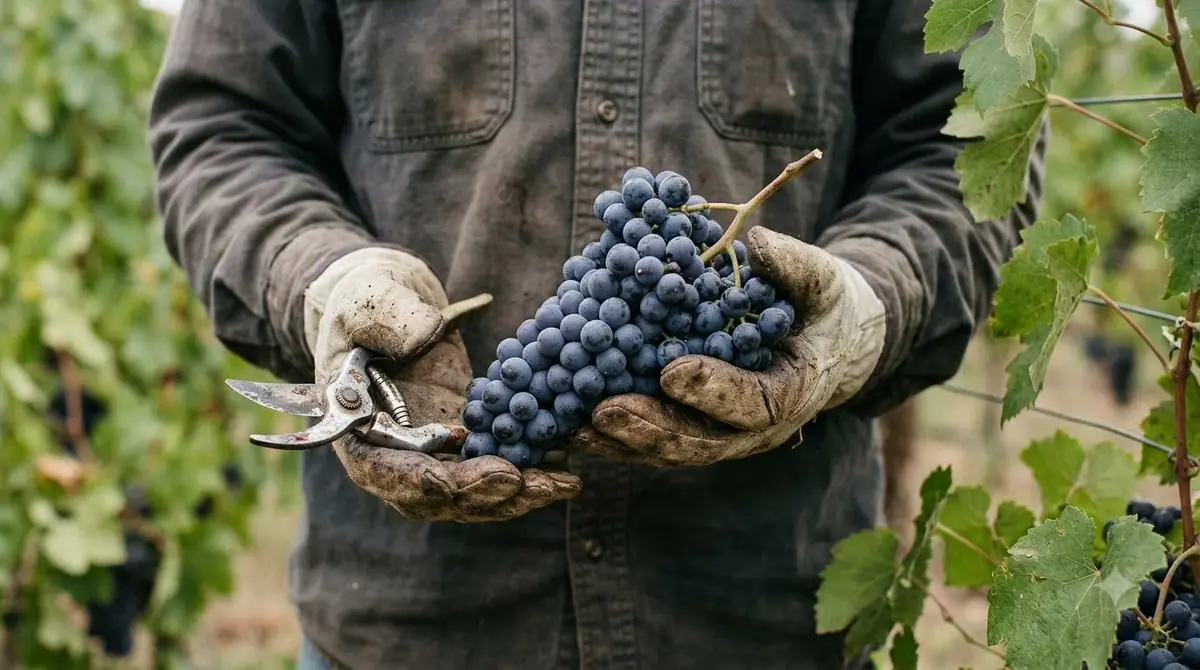
Commercial grape growing in Utah began in the 1850s when early settlers transplanted vines from California into Washington County in the state’s warm southwest corner. Under church leadership, Swiss and German immigrants established a wine mission near Santa Clara, expanding plantings to more than 500 acres by 1875 and eventually exceeding 1,000 acres. For decades, southern Utah wine served as a valuable trade commodity shipped north to Salt Lake City. Shifting temperance policies at the turn of the 20th century led to the abandonment of those historic vineyards, leaving commercial production dormant until experimental plantings resumed near Moab in the late 1970s.
In the modern era, a new generation of vintners is rebuilding that legacy across southern and central Utah. Rather than competing on volume with larger West Coast appellations, local wineries emphasize low yields, water-efficient drip irrigation, and site-specific character. As Wine Enthusiast reports, winemakers in southern Utah are building a fresh wine-tourism culture from the ground up despite strict state alcohol regulations.
Sub-Regions and Terroir
Utah does not yet have federally designated American Viticultural Areas (AVAs), so wine production is organized around distinct geographic pockets defined by elevation and canyon topography. The vast majority of estate vineyards are concentrated in Greater Zion in the southwest and Spanish Valley in the southeast.
Greater Zion—encompassing St. George, Leeds, Dammeron Valley, and Hildale—forms the core of Utah’s wine trail. Here, vineyards sit on volcanic and red sandstone soils at elevations starting around 3,600 feet in Leeds and climbing to 5,047 feet on the slopes of Pine Valley Mountain. The high altitude intensifies ultraviolet exposure, encouraging grapes to develop thick skins, deep color, and concentrated phenolics. At the same time, arid desert air causes temperatures to plummet after sunset, locking in natural malic acidity that keeps warm-climate fruit from tasting flabby.
Three hundred miles northeast near Arches National Park, Moab’s Spanish Valley offers a second established growing pocket at roughly 4,000 feet above sea level. Originally planted over 40 years ago as a Utah State University agricultural trial to test desert crops, Spanish Valley combines sandy, iron-oxide soils with long, sun-drenched summers and cool canyon nights. Further north around Cedar City and the Wasatch Front, colder winters push growers either to plant ultra-hardy hybrid grapes or to source fruit from neighboring western states.
| Growing Area | Elevation | Soil & Climate | Signature Grapes |
|---|---|---|---|
| Leeds & Dammeron Valley | ~3,600+ ft | Volcanic, potassium-rich soils; hot desert days and cool nights | Tempranillo, Cabernet Sauvignon, Zinfandel, Albariño, Grenache |
| Pine Valley Mountain | 5,047 ft | High-altitude mountain bench; intense UV and wide diurnal swings | Pinot Noir, Pinot Grigio, Chardonnay, Sangiovese, Zinfandel |
| Hildale (Water Canyon) | ~4,600 ft | Red cliff canyon microclimate; low-intervention desert farming | Minimal-intervention reds, whites, and native-ferment blends |
| Moab (Spanish Valley) | ~4,000 ft | Sandy, mineral-rich iron-oxide soil; long growing season | Riesling, Gewürztraminer, Cabernet Sauvignon, Syrah |
Key Grapes and Wine Styles
Utah winemakers favor resilient Mediterranean varieties, aromatic whites, and cold-hardy hybrids that can handle intense desert sun, water scarcity, and sharp temperature shifts. The resulting wines typically balance ripe stone-fruit or dark-berry flavors with bright natural acidity and subtle mineral notes.
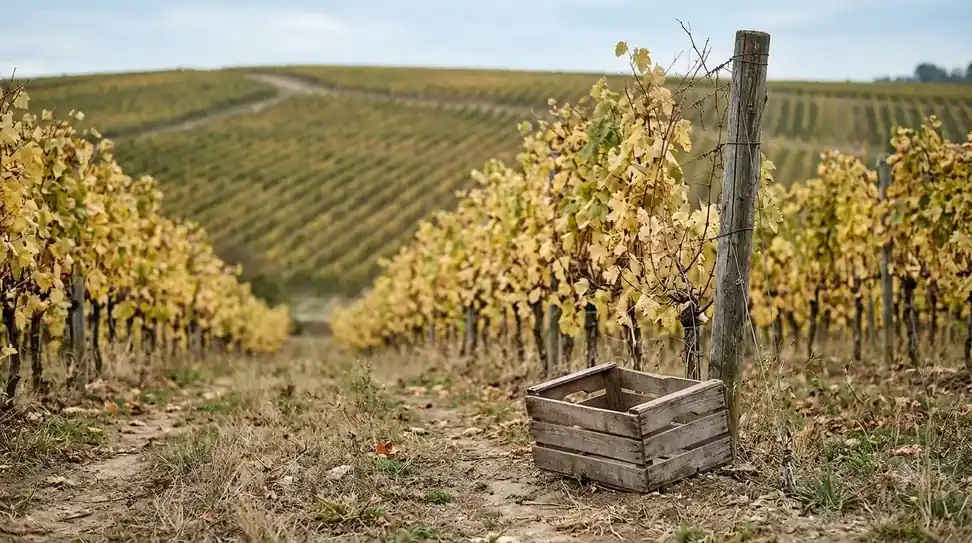
In southern Utah’s warmer desert sites, Iberian and Rhône varieties perform reliably. Tempranillo, Syrah, Grenache, Primitivo, and Zinfandel develop thick skins under the high-desert sun, yielding medium- to full-bodied reds with notes of dark cherry, red plum, black currant, and savory spice. On the white side, Spanish Albariño and Rhône whites like Grenache Blanc retain crisp citrus and peach aromatics thanks to cold desert nights. Around Moab, temperature-controlled fermentations highlight dry and semi-sweet Riesling alongside floral Gewürztraminer showing pear, apricot, and spice.
Where winter freezes pose a higher risk, growers also turn to cold-hardy American hybrids such as Frontenac, which tolerates temperatures down to -35°F and ripens early between August and September. Winemakers use Frontenac’s small, dark berries to craft vibrant rosés, light-bodied reds, and sweet dessert styles. Across the state, producers also experiment with concrete egg fermentation, natural native-yeast winemaking without added sulfites, and fruit wines made from local tart cherries. Like classic wine regions worldwide, Utah’s identity rests on matching the right vine to local elevation rather than forcing a single uniform style.
Notable Utah Producers
Utah’s commercial wine community remains intimate, with fewer than two dozen licensed wineries spread primarily across the southern red-rock corridor and northern urban centers. Several producers stand out for estate-grown fruit, high-elevation farming, or distinctive cellar practices.
- Zion Vineyards (Leeds): Located at 3,600 feet north of St. George, this estate farms ten grape varieties—including Tempranillo, Cabernet Sauvignon, Zinfandel, Primitivo, Syrah, and Grenache Blanc—tailored to Spanish-style desert weather patterns.
- Terra 5047 / Chanela Vineyards (St. George area): Situated on the slopes of Pine Valley Mountain at 5,047 feet, this is Utah’s highest-elevation estate vineyard, fermenting Pinot Grigio–Pinot Noir rosé and Chardonnay in concrete egg tanks alongside Sangiovese and Zinfandel blends.
- Bold & Delaney Winery (Dammeron Valley): Founded by a former St. George sommelier and a regular diner, this 20-acre winery produces estate and regional bottlings spanning Sauvignon Blanc, Verdejo, Semillon, Pinot Noir, and Grenache.
- Water Canyon Winery (Hildale & Springdale): Farming an onsite vineyard beneath red cliffs near Zion National Park, Water Canyon focuses on natural winemaking without added sulfites, preservatives, or commercial enzymes.
- Spanish Valley Vineyard & Winery (Moab): Operating on the site of a 1970s university desert-agriculture trial, Moab’s only winery produces 100% estate-grown Riesling, Gewürztraminer, Cabernet Sauvignon, and Syrah.
- I/G Winery (Cedar City): Based in downtown Cedar City, I/G combines grapes from Greater Zion with fruit sourced from Washington, Oregon, and California to craft approachable reds and whites.
- Purple Sky Winery (Northern Utah): Specializing in cold-climate viticulture, Purple Sky cultivates winter-hardy Frontenac vines trained on double-cordon trellises for red, rosé, and dessert bottlings.
Many of these labels focus on small-lot releases that sell out quickly through their tasting rooms, offering visitors an experience far removed from high-volume Calistoga wine estates in Napa Valley.
Visiting Utah Wineries
Planning a tasting trip in Utah requires extra preparation because wineries are separated by long scenic drives and operate under specific state hospitality rules. Most visitors build wine stops around trips to Zion National Park, Bryce Canyon, or Moab.
In southern Utah, driving between St. George, Leeds, Dammeron Valley, Hildale, and Cedar City takes anywhere from 20 to 60 minutes per leg along Interstate 15 and State Route 9 or 18. Several smaller tasting rooms—such as Bold & Delaney—require advance appointments, while others like Water Canyon’s Springdale outpost and Moab’s Spanish Valley tasting room welcome walk-in guests during posted afternoon hours. Always check seasonal schedules before driving out, as winter hours shrink between December and January.
Travelers should also keep Utah’s road and ID regulations in mind. State law enforces a strict 0.05% blood alcohol concentration (BAC) limit—the lowest in the United States—and applies it to motor vehicles and bicycles alike. Every tasting room and licensed venue checks identification for all guests regardless of age, accepting valid U.S. driver’s licenses, military IDs, and passports.
Tip: Utah enforces a strict 0.05% BAC driving limit—the lowest in the nation—and requires valid photo ID from every customer regardless of age, so designate a sober driver and carry your physical ID or passport to every tasting room.
How to Buy Utah Wine
Utah operates as an alcoholic beverage control state through the Utah Department of Alcoholic Beverage Services (DABS), which means wine cannot be sold in supermarkets, gas stations, or private bottle shops. Knowing where and when bottles are sold saves visitors from unexpected dry weekends.
You can purchase packaged bottles of Utah wine from two main channels: directly at licensed Utah wineries or at state-run DABS liquor stores and package agencies. According to Visit Utah’s official visitor guide, state liquor stores are closed every Sunday and on all state and federal holidays (including Pioneer Day on July 24), whereas licensed Utah wineries are permitted to sell their own sealed bottles on-site seven days a week, including Sundays.
In restaurants, wine is available by the glass or bottle with a meal, and many licensed dining rooms allow guests to bring their own bottle for a corkage fee. If you live outside Utah, availability is limited because small production volumes keep most bottles within the state, though select wineries offer direct-to-consumer shipping to eligible states through their websites. Whether you are exploring hearty reds like Cahors wine or sampling desert-grown Tempranillo, buying directly from the winery cellar door gives you access to small-batch vintages rarely stocked on state store shelves.
Frequently Asked Questions
Does Utah have any official wine regions or AVAs?
Utah does not currently have any federally recognized American Viticultural Areas (AVAs). Instead, local winemaking is centered in informal geographic clusters, primarily the Greater Zion corridor around St. George and Leeds in the southwest and Spanish Valley near Moab in the southeast.
Can you buy wine at grocery stores in Utah?
No, Utah grocery and convenience stores can only sell beer up to 5.0% ABV. All wine, spirits, and heavy beer must be purchased from state-run DABS liquor stores, package agencies, or directly from a licensed Utah winery.
What types of wine are best known in Utah?
Southern Utah is best known for heat-tolerant reds such as Tempranillo, Syrah, Cabernet Sauvignon, Grenache, and Zinfandel, alongside crisp whites like Albariño, Riesling, and Gewürztraminer. In colder northern vineyards, winemakers also produce bright reds, rosés, and dessert wines from cold-hardy Frontenac grapes.
Are Utah wineries open on Sundays?
Yes, under Utah law, licensed wineries, breweries, and distilleries may sell their own products seven days a week, including Sundays. While state-run liquor stores are closed on Sundays and state holidays, individual winery tasting rooms often remain open for tastings and sealed bottle sales.
Utah wine rewards curious drinkers willing to look beyond traditional coastal appellations. By pairing high-altitude desert sunshine with cold canyon nights and drought-resilient grape varieties, the state’s small community of winemakers has turned one of America’s driest landscapes into a distinctive, fast-evolving wine destination.
More in Wine Regions
 Willcox Wine Trail: Discover Arizona’s High-Elevation Wine CountryUpdated Nov 20, 2026
 Yakima Valley Wine Region: Find the Best Styles to TryUpdated Nov 20, 2026
 Vosne Romanee Wine Tasting: Identify Aromas and Choose Better PairingsUpdated Nov 20, 2026
 Yakima Valley Wine Festival: Find the Best Seasonal Wine EventsUpdated Nov 20, 2026
 Wales Vineyards: Discover Cool-Climate Wines and Where to VisitUpdated Nov 20, 2026
 Yountville Wine Festival: Discover Napa Wines and Local FoodUpdated Nov 20, 2026