

We may earn a commission when you buy through links on this page, at no extra cost to you. Learn more.
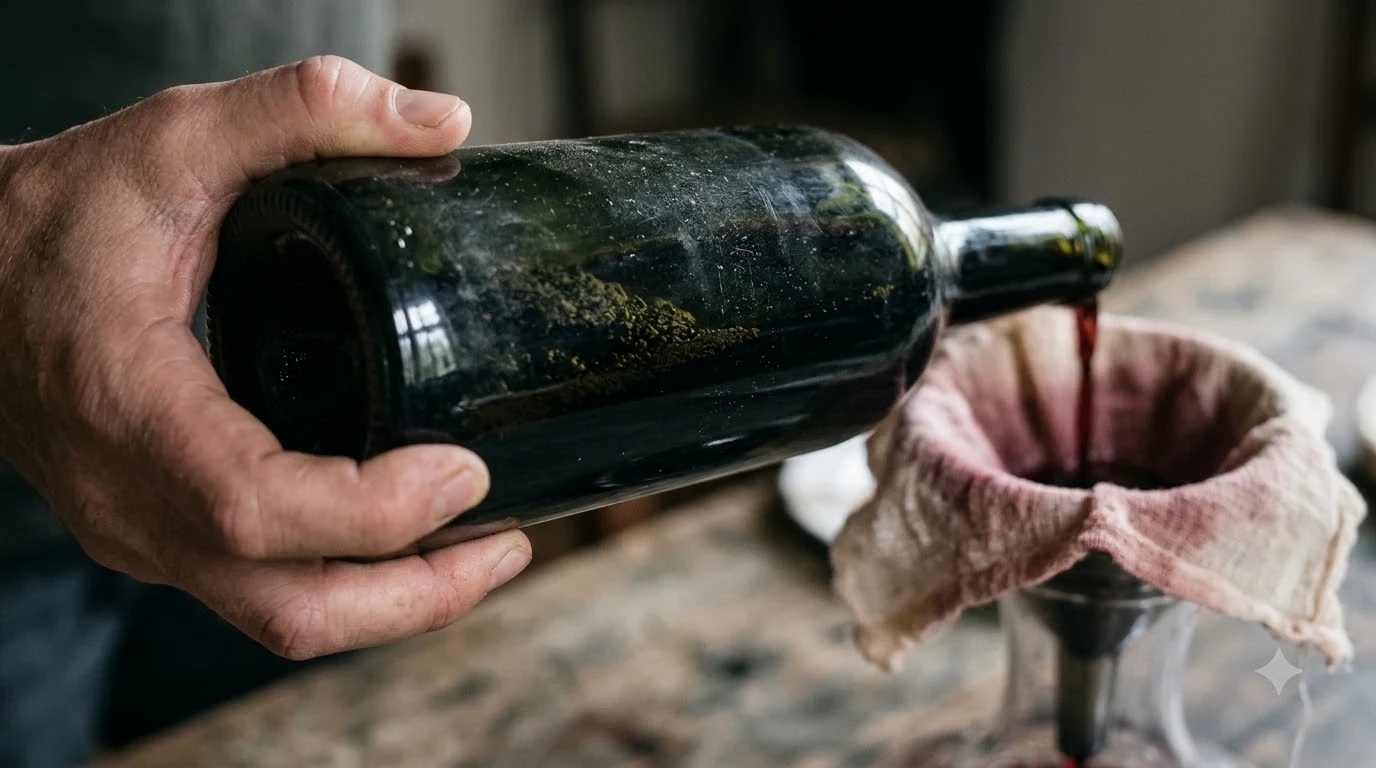
Toro wine comes from Toro, a hot, dry Spanish Denominación de Origen in Castilla y León, where old-vine Tinta de Toro makes bold, structured red wines. The grape is closely related to Tempranillo, but the dry climate and sandy, stony soils give the wines a distinct power and concentration. For US buyers, Toro offers a fuller alternative to many lighter Spanish reds.
This guide explains where Toro sits on the map, which grapes go into its wines, and how the climate and soil shape the bottle in your glass. It also compares Toro with Rioja and Ribera del Duero, and offers practical advice on pairing, buying, and storing these wines.
What Is Toro Wine and Where Is It Made?
Toro wine is red, white, and rosé produced inside the Toro Denominación de Origen, usually written as D.O. Toro. The Toro DO was created in 1987 and covers a region in the province of Zamora, in the northwest of Castile and León. Its vineyards sit in the southeastern corner of Zamora province, around the town of Toro. Reference sources list roughly 5,500 hectares registered under the DO, with about 63 wineries in the appellation.
Wine has been made here for a very long time. According to the Bodegas Fariña overview of the Toro appellation, Toro wines were prized trade goods in Roman times and during the 12th and 13th centuries. That history helps explain why the region still has a strong identity today. If you are comparing it with other Spanish regions, the broader map on our wine regions guide is a useful starting point.
Tinta de Toro and the Grapes Behind Toro Wine
Tinta de Toro is the region’s signature grape and the heart of most bottles. Some studies consider it part of the Tempranillo family, adapted over centuries to local soil and climate, so many people treat it as a native variety with its own character. The grape has a thick skin, which carries much of the color, tannin, and aroma. That skin helps produce concentrated, richly flavored reds.
Toro is not limited to one grape. Garnacha is the other permitted red variety, with fewer tannins and less structure than Tinta de Toro. Regulations allow Garnacha in red wines up to a maximum of 25 percent, and rosés are often made from a blend of Tinta de Toro and Garnacha. White wines are made from Verdejo or Malvasía, with Malvasía being the most abundant white variety in the area according to producer materials.
Tinta de Toro’s most important trait for buyers is how it ages. Many old vineyards in the region contain pre-phylloxera vines, and some of these older plots now supply grapes for special bottlings. Old vines usually produce lower yields, which often means more concentrated fruit in the finished wine.
Climate, Soils, and Old Vines in Toro
Toro’s climate is one of the most demanding in Spain for vines. The region has an extreme continental climate with long, hot summers and cold winters, plus some Atlantic influence. Rainfall is light, and the area is among the driest winegrowing zones in the country. Temperatures swing widely between day and night, which helps the grapes keep acidity while they ripen.
The soils are just as distinctive. Sources describe a mix of sand, clay, and lime-rich stony material. The stones absorb heat during the day and release it slowly, while the sandy surface keeps the vines in a warm, well-drained setting. Some sources note that the sandy soils helped protect local vines during the phylloxera crisis, which is why many old vines survive.
Vineyards sit at fairly high elevations, between about 620 and 750 meters above sea level. Producers say the combination of climate and soil encourages early, even ripening and a wide range of fruity and floral aromas. Older vines add depth, since their roots reach deeper for limited water. For US readers, the key idea is that Toro’s heat and dryness push the grapes toward concentration, while the altitude and night-time cooling protect freshness.
Toro Wine Styles and Flavor Profile
Toro reds come in several official styles, defined by how long they age before release. The style on the label tells you how much oak and bottle aging to expect. Reds are predominantly made from 100 percent Tinta de Toro, and the range runs from fresh young wines to long-aged Gran Reservas.
| Style | Minimum aging, as described by the DO | What to expect in the glass |
|---|---|---|
| Young red (joven) | Best drunk within the year of production | Bright fruit, lively and direct |
| Roble | Aged roughly three to six months | Fresh fruit with light oak, may include some Garnacha |
| Crianza | At least two years, with some months in oak barrel | Balanced fruit, spice, and structured tannins |
| Reserva | At least three years, with one year in oak barrel | Deeper flavors, more polished tannins |
| Gran Reserva | At least five years, with two years in oak barrel | Concentrated, complex, and built for long cellaring |
Across these styles, Toro reds tend to show ripe dark fruit, firm tannin, and a warm, full body. Producers often describe them as powerful but still fresh, thanks to natural acidity. Rosés made from Tinta de Toro and Garnacha are fruitier and fuller than many pale Spanish rosados. White wines from Verdejo or Malvasía are much less common, so they make a useful curiosity for buyers who already know the reds.
Toro vs. Rioja and Ribera del Duero
Toro is often compared with Rioja and Ribera del Duero because all three are famous Spanish red wine regions. The differences come from geography, grape mix, and style. Toro is hotter and drier, relies heavily on one grape, and tends to produce wines with more body. Rioja and Ribera del Duero are both well known, but they differ in climate, elevation, and the blends common in each zone.
| Feature | Toro | Rioja | Ribera del Duero |
|---|---|---|---|
| Main red grape | Tinta de Toro, a Tempranillo relative | Tempranillo, often blended | Tempranillo, locally called Tinto Fino |
| Climate feel | Very dry, hot summers, cold winters | Varied, with cooler and warmer zones | Continental, high altitude, strong day-night swings |
| Typical profile | Dense, concentrated, firm structure | Often more balanced, with classic oak character | Deep, structured, and often intensely fruity |
| Best for buyers who want | A bold, powerful red with aging potential | Familiar, widely available styles | Rich reds with a more modern edge |
The table is a general guide, not a ranking. Individual producers vary a lot, and a single winery can make wines that do not match the regional pattern. Check the back label or the producer’s technical sheet for the grape mix and aging details. When you want a bolder, more concentrated Spanish red, Toro is often the more intense choice of the three.
How to Buy, Store, and Pair Toro Wine
Start by reading the style term on the label. A Crianza or Reserva will feel different from a young red, and the aging description tells you what you are paying for in time and oak. If you are new to the region, a Crianza is a practical first bottle. Look for the D.O. Toro designation to confirm the wine comes from the appellation.
Storage matters for structured reds. Keep bottles away from heat and direct sunlight, and store them where the temperature stays fairly steady. Lay bottles on their sides if they have cork closures, and check the producer’s guidance for aging. Young Toro is best enjoyed within a few years, while Gran Reservas can reward longer cellaring.
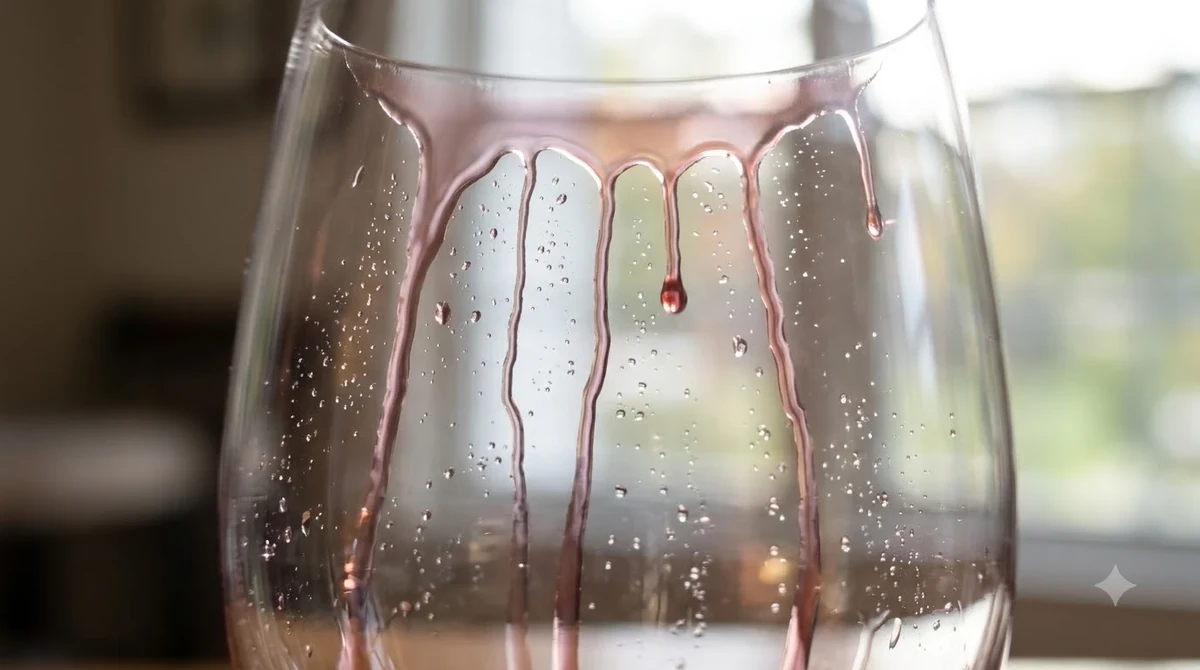
Toro’s weight and tannin pair well with grilled and roasted meats, especially lamb and beef. Hearty stews, aged cheeses, and dishes with smoky paprika also suit the wine’s power. Serve the reds slightly below room temperature, and open them an hour ahead if they are young and tight. Drink responsibly, and pace your glasses with food.
Tip: Toro reds can taste heavy when served too warm. A short time in the refrigerator before serving often brings the fruit and acidity into better balance.
Frequently Asked Questions
Is Toro wine the same as Tempranillo?
Not exactly. Tinta de Toro is considered by some studies to be part of the Tempranillo family, but it has adapted to Toro’s soil and climate over centuries. Many producers treat it as a distinct native grape with its own properties.
How strong is Toro wine?
Toro reds are generally full-bodied and can be quite powerful. Producers have worked since the 1970s to bring harvests forward so the wines show less alcohol than they once did. Check the bottle label for the exact alcohol content.
Which Toro wine should a beginner try first?
A Crianza is a practical starting point because it balances fruit, oak, and structure. The label will state the aging category, which helps you understand what to expect. Compare a few producers to find the style you prefer.
How is Toro different from Rioja?
Toro is hotter and drier, and it relies heavily on Tinta de Toro. Rioja is a larger region with varied climates and frequent blends. Toro wines often feel denser and more concentrated, while Rioja styles can be more familiar and widely available.
Toro wine rewards buyers who enjoy bold, structured Spanish reds with real character. Start with a Crianza, read the aging term on the label, and compare a few producers to find your style. For more background on where Toro fits among other wine regions, explore our Cahors wine guide for another grape-driven region with deep history.
More in Wine Regions
 Willcox Wine Trail: Discover Arizona’s High-Elevation Wine CountryUpdated Nov 20, 2026
 Yakima Valley Wine Region: Find the Best Styles to TryUpdated Nov 20, 2026
 Vosne Romanee Wine Tasting: Identify Aromas and Choose Better PairingsUpdated Nov 20, 2026
 Yakima Valley Wine Festival: Find the Best Seasonal Wine EventsUpdated Nov 20, 2026
 Wales Vineyards: Discover Cool-Climate Wines and Where to VisitUpdated Nov 20, 2026
 Yountville Wine Festival: Discover Napa Wines and Local FoodUpdated Nov 20, 2026