

We may earn a commission when you buy through links on this page, at no extra cost to you. Learn more.
Jumilla wine is a full-bodied, dark-fruited red wine produced in the arid, sun-drenched Denominación de Origen (DO) of Jumilla in southeastern Spain. Made predominantly from the thick-skinned Monastrell grape, it is prized for intense blackberry flavors, firm tannins, savory spice, and approachable value. While bold reds define the region, Jumilla also produces crisp rosés, fresh whites, and traditional sweet fortified wines.
Tucked into the high plains of Murcia and bordering Castilla-La Mancha, Jumilla has quietly transformed from a quiet source of bulk wine into one of Spain’s most compelling Wine Regions. According to Wine Enthusiast, dedicated winemaking families have reshaped the region’s reputation by pairing modern cellar techniques with ancient, low-yielding vineyards. For drinkers who enjoy structured, sun-ripened reds without the steep markup of more famous appellations, a bottle from Jumilla offers serious character in every glass.
What Is Jumilla Wine?
Jumilla wine comes from Denominación de Origen Jumilla, a historic appellation established in 1966 across southeastern Spain where over 85 percent of vineyard land is planted to Monastrell. Known in France as Mourvèdre and in Australia and California as Mataro, Monastrell thrives in extreme heat and yields deeply colored, structured red wines.
Winemaking in this corner of the Iberian Peninsula stretches back more than 2,000 years, with archaeological records showing vine cultivation dating to Roman times. For much of the twentieth century, local cooperatives focused on high-volume production, shipping concentrated red wine north to add color and body to lighter blends. Over the past three decades, however, estate-focused producers shifted toward small-lot bottling, lower yields, and careful barrel aging, allowing Jumilla’s native grape to stand on its own.
Although Monastrell is the undisputed star, DO Jumilla regulations permit a supporting cast of red and white varieties. Red blends often incorporate Syrah, Garnacha (Grenache), Tempranillo, or Cabernet Sauvignon to add plush fruit or aromatic lift, though single-varietal Monastrell remains the purest expression of the region. On a much smaller scale, local wineries craft bright rosés from Monastrell and crisp, citrus-driven white wines from Airén, Macabeo, and Sauvignon Blanc, alongside a traditional sweet fortified style called Monastrell Dulce.
Flavor Profile and Wine Styles
A classic Jumilla red is opaque ruby-purple in the glass, delivering concentrated notes of ripe blackberry, black plum, and dark cherry backed by firm tannins and warm alcohol. Beneath the generous dark fruit, tasters frequently find savory layers of crushed black pepper, wild Mediterranean herbs, leather, and smoky minerality.
Because Monastrell has small berries with thick skins, it naturally extracts high levels of color and phenolic grip, giving the wine a dense, mouth-coating texture similar to cahors wine from southwestern France. Acidity sits at a moderate, balanced level rather than a sharp edge, making the wine feel plush and round across the mid-palate. Alcohol levels typically land between 13.5% and 15% ABV, reflecting the intense sunshine that pushes grape sugars high before harvest.
Jumilla follows Spain’s traditional aging classifications, which dictate how long a wine rests in oak barrels and bottles before release. Each tier shapes the balance between primary fruit and savory barrel complexity:
| Label Term | Minimum Total Aging | Minimum Oak Barrel Time | Typical Flavor Profile |
|---|---|---|---|
| Joven | None (released young) | Little to none | Fresh blackberry, black cherry, bright violet, and wild herbs |
| Crianza | 24 months | 6 months | Ripe plum, baking spice, subtle vanilla, and supple tannins |
| Reserva | 36 months | 12 months | Dried fig, leather, tobacco leaf, cocoa, and integrated oak |
| Gran Reserva | 60 months | 18 months | Stewed dark fruit, cedar, earthy spice, and silky, resolved grip |
Alongside these dry reds, Jumilla’s official wine council highlights a growing wave of vibrant, early-harvest reds and pale pink rosés designed for immediate, refreshing drinking. At the opposite end of the spectrum, Monastrell Dulce is made from late-harvested or sun-dried grapes whose fermentation is halted with grape spirit, resulting in a rich, port-like dessert wine layered with raisin, fig, and dark chocolate notes.
Where Jumilla Grows: Climate, Altitude, and Old Vines
Jumilla sits on an arid, high-elevation plateau between 400 and 850 meters (1,300 to 2,800 feet) above sea level, receiving more than 3,000 hours of annual sunshine and roughly 250 to 300 millimeters of rain. That combination of desert-like dryness, limestone soils, and dramatic day-to-night temperature swings gives the wines both ripeness and freshness.
While summer afternoon temperatures regularly climb past 30°C (86°F) and can spike near 40°C (104°F), the region’s continental elevation brings cool nocturnal breezes that sweep across the plateau. Those chilly nights slow down ripening just enough to preserve natural acidity in the grapes, preventing the wines from tasting heavy or jammy. Scarce rainfall also keeps fungal diseases at bay, allowing a large share of Jumilla’s growers to farm organically without synthetic treatments.
One of Jumilla’s greatest agricultural treasures is its collection of ungrafted, own-rooted old vines, known locally as pie franco. When the phylloxera louse devastated European vineyards in the late nineteenth and early twentieth centuries, Jumilla’s sandy, high-carbonate limestone soils proved inhospitable to the pest. As a result, more than 800 hectares of original, ungrafted bush vines survive today—widely recognized as the largest concentration in Europe. Deeply rooted to tap underground moisture without irrigation, these gnarled vines produce tiny yields of intensely concentrated, mineral-driven fruit.
How to Serve Jumilla Wine
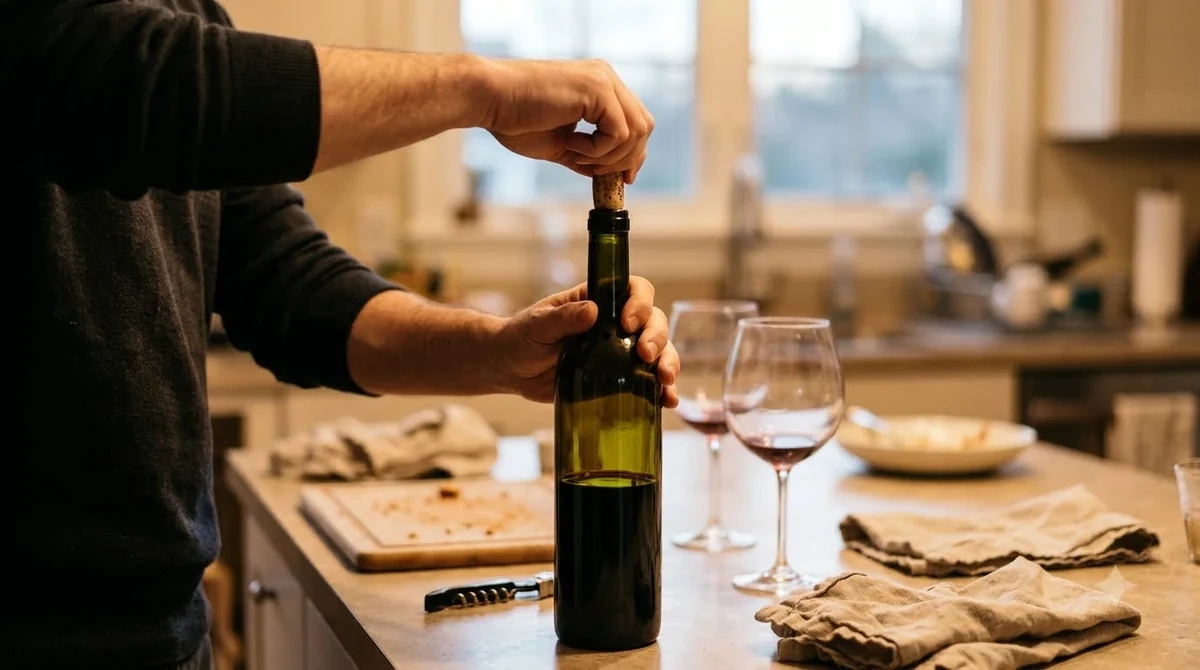
Serve Jumilla red wine slightly cooler than standard room temperature, ideally between 60°F and 65°F (15°C to 18°C), and decant young or oak-aged bottles for 30 to 60 minutes before pouring. Controlling temperature and oxygen exposure keeps the wine’s generous alcohol and firm tannins in harmony.
Because homes are typically kept around 70°F or warmer, serving a high-ABV Monastrell straight from a kitchen counter can make the alcohol feel hot on the nose and palate. Placing the bottle in the refrigerator for 15 to 20 minutes prior to opening brings it right into the sweet spot where dark berry fruit shines and the finish feels crisp and focused. Younger Joven styles benefit from the cooler end of that range, while complex Reserva bottlings show their savory aromatics best closer to 65°F.
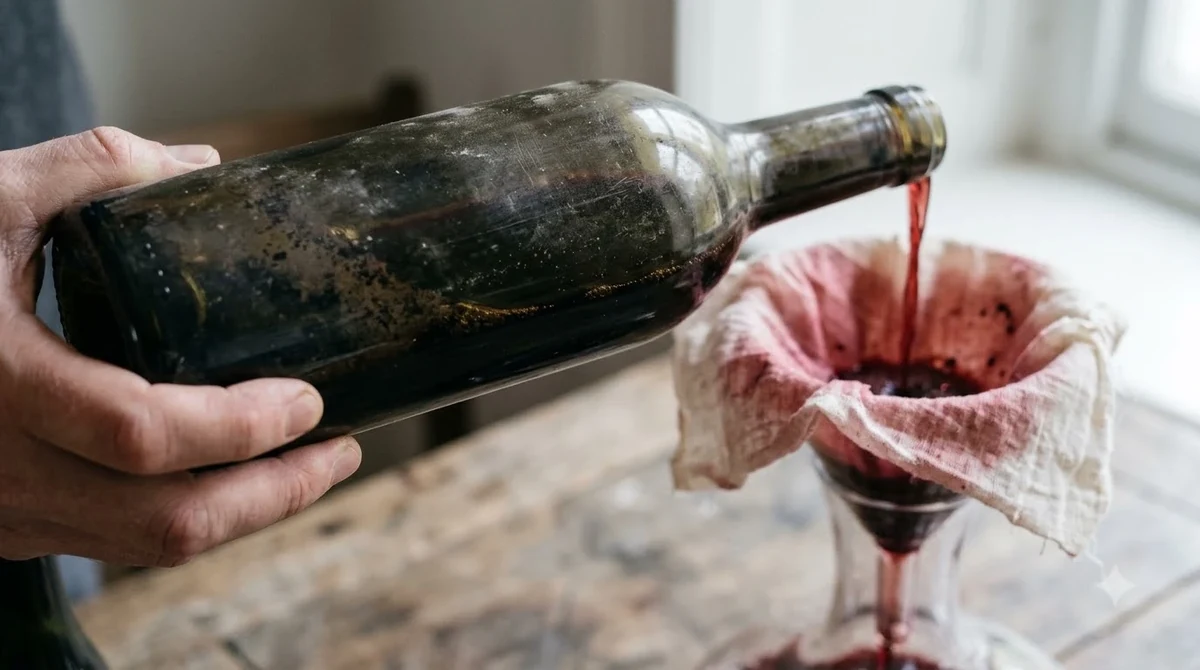
Airflow is equally important, especially for youthful Monastrell. Young bottles can occasionally show a faint, smoky struck-match note upon opening—a natural byproduct of yeast stress in Jumilla’s mineral-rich soils—that blows off completely after a brief swirl or decant. Pouring into a wide-bowled Bordeaux or Syrah glass gives the aromas room to unfold while softening the grape’s natural tannic grip.
Tip: If a young Jumilla red feels overly grippy on your first sip, give it 30 minutes in a decanter and chill it for 15 minutes—oxygen softens the tannins while cooler temperatures tame the alcohol warmth.
Food Pairing Ideas
Jumilla wine pairs best with rich, savory, and charred dishes where fat, salt, and smoke counterbalance Monastrell’s firm tannins and dark fruit. Grilled meats, slow-braised stews, and aged hard cheeses are natural companions at the dinner table.
From a culinary standpoint, protein and fat coat the palate and bind with tannins, making a structured red feel noticeably smoother and fruitier with every bite. Charred meats from the grill—such as lamb chops, skirt steak, pork ribs, or smoky Spanish chorizo—echo the wine’s natural peppery, meaty undertones. Slow-cooked dishes like braised beef short ribs, oxtail ragù, or hearty lentil and mushroom stews also stand up effortlessly to the wine’s full body without being overwhelmed.
For cheese boards and tapas spreads, skip delicate, creamy bries in favor of firm, nutty sheep’s milk cheeses like aged Manchego, Zamorano, or Idiazábal. Smoked almonds, cured serrano ham, and roasted red peppers drizzled with olive oil also bridge the gap between Jumilla’s ripe blackberry core and its herbal finish. If you open a sweet Monastrell Dulce after dinner, serve it slightly chilled alongside dark chocolate truffles or tangy blue cheese.
How to Choose a Bottle of Jumilla
Start by checking the aging designation on the label—Joven, Crianza, or Reserva—alongside the grape breakdown and alcohol percentage to match the bottle to your meal. Because Jumilla remains less famous than Rioja or Ribera del Duero, many bottlings deliver remarkable depth and old-vine concentration without luxury-region markups.
If you want an everyday red for weeknight burgers, pizza, or casual tapas, look for a Joven or Roble (a wine with brief oak contact, typically under six months). These bottles emphasize pure, juicy blackberry fruit and lively aromatics. For weekend roasts, steak nights, or dinner parties, step up to a Crianza or Reserva, where barrel aging adds warm notes of clove, vanilla, cedar, and leather.
Scanning the back label for a few extra clues can help you pinpoint standout producers. Phrases like viñas viejas (old vines) or pie franco (ungrafted vines) signal lower yields and greater concentration, while blends featuring 15 to 30 percent Syrah or Cabernet Sauvignon tend to offer a slightly plusher, rounder texture—reminiscent of sun-ripened reds from calistoga wine country—compared to 100 percent Monastrell.
Frequently Asked Questions
Is Jumilla wine sweet or dry?
Almost all Jumilla red, white, and rosé wines are completely dry, though their ripe blackberry and plum flavors can give a rich impression of fruitiness. The one exception is Monastrell Dulce, a traditional fortified red dessert wine made from late-harvest or sun-dried grapes that retains noticeable natural sweetness.
Is Monastrell the same grape as Mourvèdre?
Yes, Monastrell and Mourvèdre are the exact same grape variety known by different regional names. In Spain—especially across Jumilla and neighboring Murcia appellations—it is called Monastrell, while in France’s Rhône Valley and Bandol it is labeled Mourvèdre, and in California and Australia it is often called Mataro.
How long can you age Jumilla red wine?
Fruit-forward Joven bottlings are crafted to be enjoyed within two to four years of the vintage while their dark berry aromas are freshest. Structured Crianza wines drink well for five to eight years, while top old-vine Reserva and Gran Reserva bottlings can evolve gracefully for 10 to 15 years in a cool, dark cellar.
Does Jumilla produce white or rosé wines?
While red Monastrell accounts for the vast majority of production, DO Jumilla also produces crisp, dry rosés and refreshing white wines. Local rosés are typically made from Monastrell for bright berry character, whereas whites rely on varieties like Airén, Macabeo, and Sauvignon Blanc for clean citrus and orchard fruit notes.
Whether you reach for a bright, unoaked Joven or a deeply structured Reserva from century-old bush vines, Jumilla wine showcases how extreme sunshine and high-altitude soils can shape a remarkably expressive red. Keep a bottle slightly chilled on hand for your next grilled dinner or hearty stew, and you will quickly see why this southeastern Spanish appellation has earned a dedicated following.
More in Wine Regions
 Willcox Wine Trail: Discover Arizona’s High-Elevation Wine CountryUpdated Nov 20, 2026
 Yakima Valley Wine Region: Find the Best Styles to TryUpdated Nov 20, 2026
 Vosne Romanee Wine Tasting: Identify Aromas and Choose Better PairingsUpdated Nov 20, 2026
 Yakima Valley Wine Festival: Find the Best Seasonal Wine EventsUpdated Nov 20, 2026
 Wales Vineyards: Discover Cool-Climate Wines and Where to VisitUpdated Nov 20, 2026
 Yountville Wine Festival: Discover Napa Wines and Local FoodUpdated Nov 20, 2026