

We may earn a commission when you buy through links on this page, at no extra cost to you. Learn more.
Crozes hermitage wine is a dry French red or white wine from the largest appellation in the Northern Rhône Valley, anchored by aromatic Syrah reds and textured Marsanne-Roussanne whites. Recognized as an official Appellation d’Origine Contrôlée (AOC) in 1937, the region wraps around the steep hill of Hermitage across 11 communes on the left bank of the Rhône River. Roughly 90 percent of production is red wine featuring blackberry, cracked black pepper, and violet notes, while the remaining 10 percent is dry white wine prized for stone fruit, white flower, and almond character.
For American wine drinkers exploring Wine Regions beyond Bordeaux and Burgundy, Crozes-Hermitage offers the classic savory profile of the Northern Rhône in an approachable, food-friendly format. Unlike neighboring Hermitage—whose small hillside vineyards produce massive, decades-long cellar reds—Crozes-Hermitage delivers vibrant fruit, supple tannins, and bright acidity ready to pour on a weeknight or hold for a few years in the cellar.
What Is Crozes-Hermitage Wine?
Crozes-Hermitage is a Northern Rhône Valley cru appellation located near the 45th parallel in southeastern France, surrounding the famed Hermitage hill to the north, east, and south. While viticulture in this corridor dates back to Roman times, the modern appellation gained official AOC status in 1937 for the village of Crozes-Hermitage before expanding in 1956 to encompass 11 communes in the Drôme department.
According to Wine Folly’s Northern Rhône guide, Crozes-Hermitage is the largest appellation in the Northern Rhône by vineyard area and total volume. Historically, the valley floor and gentle slopes were just as well known for apricot and cherry orchards as they were for grapevines. Growing global demand for Rhône wines in the mid-twentieth century prompted local farmers to plant Syrah across these sun-drenched terraces, establishing the region’s identity as the accessible gateway to French Syrah.
Under French appellation rules, Crozes-Hermitage produces both red and white dry wines, with zero rosé or sparkling styles permitted. Red wines must be made primarily from Syrah, though regulations allow winemakers to co-ferment up to 15 percent white Marsanne and Roussanne grapes to stabilize color and lift floral aromatics. White wines are crafted exclusively from Marsanne and Roussanne, either as varietal bottlings or traditional blends.
Flavor Profile and Styles
Crozes-Hermitage reds are medium- to full-bodied wines driven by dark berry fruit, black pepper, and floral lift, whereas the whites are dry, medium- to full-bodied, and textured with orchard fruit and nutty depth. Both colors reflect a semi-continental climate moderated by the drying Mistral wind, which keeps grapes healthy and preserves crisp natural acidity.
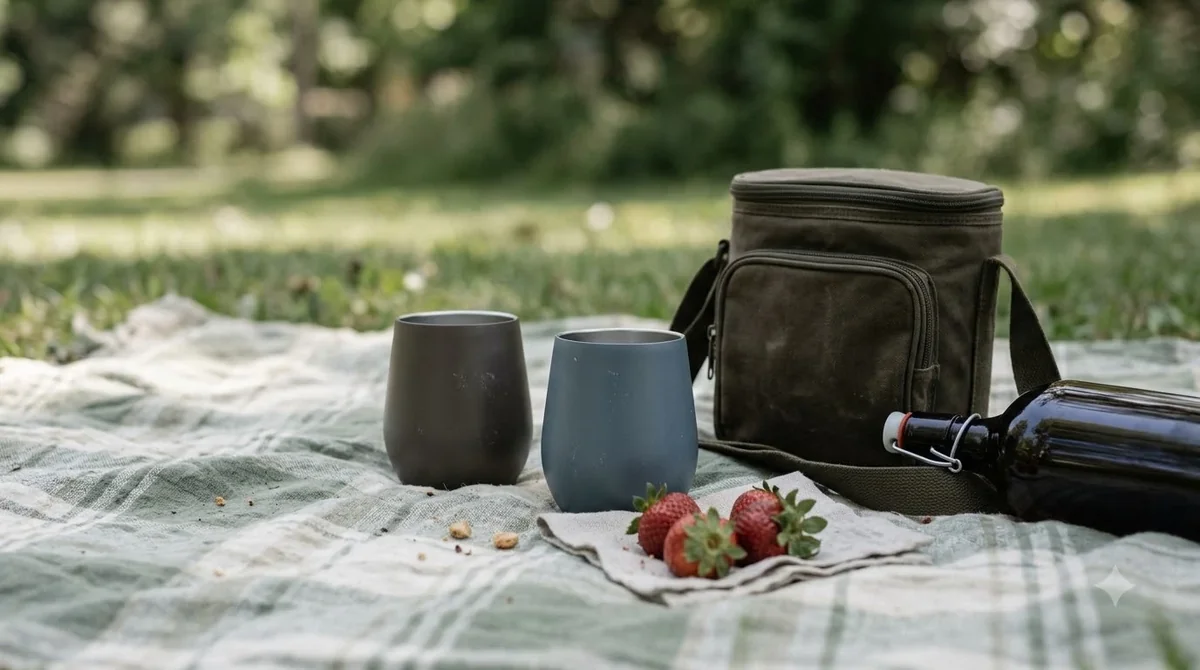
In the glass, red Crozes-Hermitage pours a deep ruby to purple-garnet hue. Young bottles burst with blackberry, blackcurrant, wild raspberry, and crushed violet aromas underscored by freshly cracked black pepper and a subtle smoky, earthy edge. Unlike the plush, jammy Shiraz styles found in warmer New World climates, Northern Rhône Syrah stays savory and brisk, typically landing between 12.5 and 13.5 percent alcohol by volume. As a red bottle ages for five to eight years, primary berry notes evolve into black olive tapenade, licorice, cured meat, and worn leather.
White Crozes-Hermitage accounts for roughly one in ten bottles produced and displays a luminous pale gold color. Marsanne typically provides body, weight, and flavors of quince, pear, and toasted almond, while Roussanne contributes aromatics of honeysuckle, white peach, apricot, and herbal tea. Depending on whether the winemaker prevents or encourages malolactic fermentation and uses stainless steel or neutral oak, the resulting white can feel either brisk and mineral-driven or rich, waxy, and honeyed.
| Style | Primary Grapes | Key Aromas & Flavors | Body & Structure | Typical Aging Window |
|---|---|---|---|---|
| Red (Rouge) — Northern Hills | Syrah (up to 15% Marsanne/Roussanne allowed) | Blackberry, violet, cracked pepper, crushed granite, smoked meat | Medium-bodied, firm mineral grip, bright acidity | 3 to 9 years |
| Red (Rouge) — Southern Plains | Syrah (up to 15% Marsanne/Roussanne allowed) | Ripe black plum, cassis, licorice, sweet spice, black olive | Medium- to full-bodied, plush, supple tannins | 2 to 6 years |
| White (Blanc) | Marsanne and Roussanne | White peach, apricot, honeysuckle, citrus zest, toasted almond | Medium- to full-bodied, waxy texture, fresh finish | 1 to 5 years |
Where It Grows: Terroir and Sub-Zones
The vineyards of Crozes-Hermitage span roughly 1,650 to 2,100 hectares across 11 communes on the left bank of the Rhône, divided by geography into two distinct terroir zones. Rolling granitic hills in the north produce structured, mineral-laced reds, while flat alluvial plains in the south yield fruit-forward, generous wines.
In the northern sector—covering communes such as Érôme, Serves-sur-Rhône, and Gervans—vines cling to steep, sun-exposed granite slopes topped with windblown loess and sandy soils. These sites mirror the geology of nearby Hermitage and Saint-Joseph, forcing vine roots deep into fractured rock. Wines harvested from these northern hillsides show higher natural acidity, firmer tannins, and a distinctive stony tension that rewards several years of bottle aging.
South and east of Tain-l’Hermitage, the landscape flattens onto the broad Les Chassis terrace stretching toward Mercurol, Beaumont-Monteux, and Pont-de-l’Isère. Here, ancient glaciers and the Rhône and Isère rivers deposited deep beds of red clay and smooth, round river stones known as galets roulés. Those stones absorb daytime heat and radiate warmth back to the vines after sunset, yielding riper, fleshier Syrah with soft tannins. A third micro-terroir around Larnage features rare white kaolin clay, celebrated for giving both red and white wines a delicate floral perfume and chalky finesse.
How to Serve Crozes-Hermitage
Serve red Crozes-Hermitage slightly cool at 60 to 64°F (16 to 18°C) and white Crozes-Hermitage lightly chilled at 50 to 54°F (10 to 12°C) to keep alcohol in check and highlight aromatics. A brief 30- to 60-minute decant softens firm tannins in young red bottles.
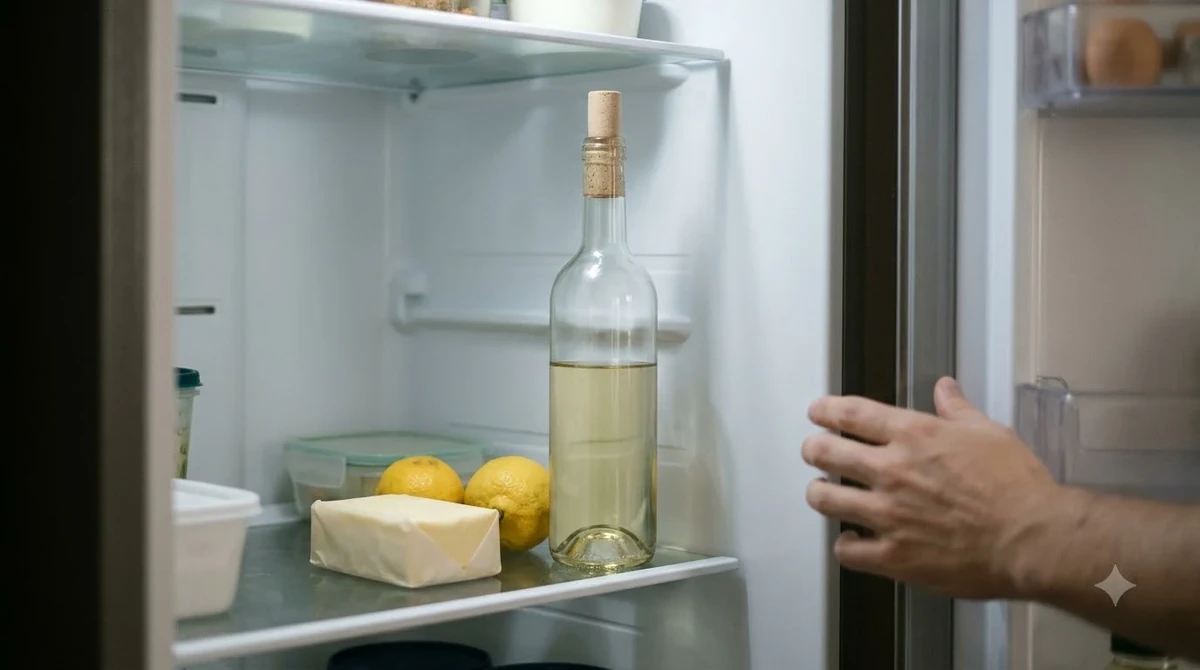
Temperature plays a decisive role in how Northern Rhône Syrah tastes. At warm room temperatures above 70°F, red Crozes-Hermitage can lose its vibrant floral edge and feel slightly sharp on the finish. Placing a red bottle in the refrigerator for 20 to 30 minutes before pouring brings it right into the ideal cellar range, allowing the black pepper, violet, and blackberry aromatics to shine alongside juicy acidity.
As noted by the official Rhône Valley Vineyards guide, young red bottlings carry lively tannins and fresh reduction that open up noticeably with aeration. Pouring a one- to three-year-old red into a wide-bottomed decanter 30 to 45 minutes before dinner smooths its grip and releases savory spice notes. Older bottles past five years should be stood upright a day ahead and decanted gently just before serving to separate fine sediment without over-exposing mature aromatics to oxygen. Use a large-bowled Bordeaux or Syrah glass for reds, and a medium universal white wine glass for Marsanne-Roussanne blends.
Tip: Avoid serving white Crozes-Hermitage ice-cold straight from the fridge; letting it warm in the glass for 10 minutes brings out its signature honeyed apricot and toasted almond richness.
Food Pairing Ideas
Crozes-Hermitage is built for the dinner table, pairing effortlessly with herb-roasted meats, grilled sausages, and mushroom dishes for reds, and roast poultry, river fish, and alpine cheeses for whites. Its bright acidity cuts through richness while savory pepper and herbal notes echo charred and braised flavors.
Red Crozes-Hermitage thrives alongside classic French bistro fare and everyday American grilling. The wine’s cracked black pepper and blackberry profile makes a natural partner for herb-crusted rack of lamb, grilled pork chops, duck breast with tart cherry reduction, and hanger steak with chimichurri. Because its tannins are more moderate than those of Cabernet Sauvignon or cahors wine, it also pairs smoothly with charred eggplant, roasted portobello mushrooms, lentil stews, and duck rillettes without overwhelming earthy vegetable dishes.
White Crozes-Hermitage bridges the gap between crisp whites and light reds at the table. Its waxy, rounded mouthfeel stands up to roast chicken with tarragon, pan-seared sea scallops, brown-butter trout, and creamy risotto. On a cheese board, young red bottlings complement semi-hard cow’s milk cheeses like Comté or aged Gouda, while white bottlings shine beside local Rhône specialties such as creamy Saint-Marcellin or fresh goat cheese.
How to Choose a Bottle
Selecting a bottle of Crozes-Hermitage comes down to matching the producer’s winemaking style and vineyard location to your dinner timeline. Look for benchmark estates and cooperatives—such as Cave de Tain, E. Guigal, M. Chapoutier, Paul Jaboulet Aîné, Domaine Combier, and Alain Graillot—and check the back label for clues about oak aging and single-vineyard sourcing.
Entry-level cuvées blended across multiple communes are typically fermented in stainless steel or concrete vats with minimal new oak. These bottles prioritize pure, crunchy berry fruit and white pepper, making them ideal for immediate enjoyment within two to four years of the vintage. When you want deeper concentration and cellar potential, seek out single-vineyard or old-vine bottlings—often labeled with a specific lieu-dit such as Les Jalets, Thalabert, or Clos des Grives—which spend 12 to 18 months in French oak barrels and develop complex smoky, savory layers.
You can also look at vintage character and vineyard sustainability when shopping. Warm, sunny Rhône vintages deliver plush, dark-fruited reds ready to drink early, whereas cooler years emphasize lifted aromatics, brisk acidity, and classic peppery restraint. Roughly two-thirds of Crozes-Hermitage vineyards now farm under certified organic or biodynamic practices, so organic emblems on the label are common and often signal vibrant, expressive fruit. If you enjoy fuller-bodied California Syrah from regions like calistoga wine country, choosing a southern Les Chassis bottling will give you the richest fruit profile in the appellation.
Frequently Asked Questions
What is the difference between Hermitage and Crozes-Hermitage?
Hermitage is a tiny, prestigious appellation confined to a single steep granite hill above the town of Tain-l’Hermitage, producing ultra-concentrated wines built to age for decades. Crozes-Hermitage is a much larger appellation surrounding that hill across 11 communes, yielding lighter, fresher, and more approachable Syrah and white blends meant to be enjoyed younger.
Is Crozes-Hermitage wine sweet or dry?
Both red and white Crozes-Hermitage wines are completely dry, containing virtually no residual sugar. Ripe black fruit in the reds and honeyed peach or apricot aromatics in the whites can give an impression of lush fruitiness, but the finish is crisp, savory, and dry.
How long should you age Crozes-Hermitage wine?
Most red Crozes-Hermitage bottles drink best between 2 and 6 years after the vintage, while top single-vineyard cuvées from northern granite slopes can evolve gracefully for 8 to 10 years. White Crozes-Hermitage is typically enjoyed fresh within 1 to 3 years of release, though structured Marsanne-heavy blends can develop nutty complexity up to 5 years.
Is Crozes-Hermitage always 100% Syrah?
Most red Crozes-Hermitage bottlings are made from 100% Syrah, though AOC regulations permit winemakers to blend in up to 15% white Marsanne and Roussanne grapes. White Crozes-Hermitage contains no Syrah at all and is produced exclusively from Marsanne, Roussanne, or a blend of the two.
Whether you uncork a peppery Syrah for Tuesday night grilled sausages or chill a golden Marsanne-Roussanne blend for roast chicken, Crozes-Hermitage captures the authentic character of France’s Northern Rhône without demanding years of cellar patience. Explore more classic French appellations and neighboring styles—from the crisp whites of cognac wine country to the steep granite slopes of Côte-Rôtie—to see how soil and climate shape every glass.
More in Wine Regions
 Willcox Wine Trail: Discover Arizona’s High-Elevation Wine CountryUpdated Nov 20, 2026
 Yakima Valley Wine Region: Find the Best Styles to TryUpdated Nov 20, 2026
 Vosne Romanee Wine Tasting: Identify Aromas and Choose Better PairingsUpdated Nov 20, 2026
 Yakima Valley Wine Festival: Find the Best Seasonal Wine EventsUpdated Nov 20, 2026
 Wales Vineyards: Discover Cool-Climate Wines and Where to VisitUpdated Nov 20, 2026
 Yountville Wine Festival: Discover Napa Wines and Local FoodUpdated Nov 20, 2026