

We may earn a commission when you buy through links on this page, at no extra cost to you. Learn more.
Asheville wine refers to the cool-climate mountain wines grown and crafted across Western North Carolina’s Blue Ridge Mountains, anchored by two nearby federally recognized American Viticultural Areas and an active urban tasting room scene. Vineyards around Asheville sit between roughly 700 and 4,400 feet in elevation, where warm mountain days and crisp nights preserve bright acidity in European Vitis vinifera and French-American hybrid grapes. Visitors can sample estate-grown Cabernet Franc, Grüner Veltliner, Petit Manseng, and sparkling pét-nat styles within a short drive of downtown.
For decades, Asheville’s beverage identity revolved almost entirely around craft beer, while regional wine stayed hidden in small family orchards and hillside plots. Over the past ten years, elevated vineyard plantings, two official AVA designations south and southeast of the city, and low-intervention urban cellars have turned the surrounding mountains into one of the East Coast’s most compelling high-altitude Wine Regions.
Overview of Asheville Wine Country
Asheville itself does not sit inside a single designated appellation, yet the city functions as the central hub for Western North Carolina’s mountain wine industry. Within a 20- to 45-minute drive—or right inside downtown’s River Arts District and South Slope—drinkers can explore high-elevation estate vineyards alongside urban wineries that source fruit from across the state.
Elevation defines everything about how grapes ripen in the Blue Ridge. While North Carolina’s central Piedmont and Yadkin Valley experience hotter summer nights, vineyards around Asheville benefit from significant diurnal temperature swings that slow sugar accumulation and lock in natural tartness. Mountain ridges also channel airflow through sloped vineyard blocks, helping dry morning dew and reduce fungal pressure in a humid Appalachian climate.
Soils across these hillsides consist largely of rocky, well-draining, mineral-rich loam and decomposed granite. Because rocky mountain soils restrict excessive vine vigor, growers harvest smaller clusters with concentrated aromatics rather than diluted juice. That combination of altitude, drainage, and cool night air gives local bottles a lively, food-friendly spine distinct from warmer Southern appellations.
Sub-Regions and Surrounding AVAs
Wine lovers using Asheville as a base camp have direct access to two distinct American Viticultural Areas—Crest of the Blue Ridge Henderson County AVA and Tryon Foothills AVA—plus independent vineyard pockets north and east of town. Each sub-region offers different elevations, frost patterns, and ripening windows.
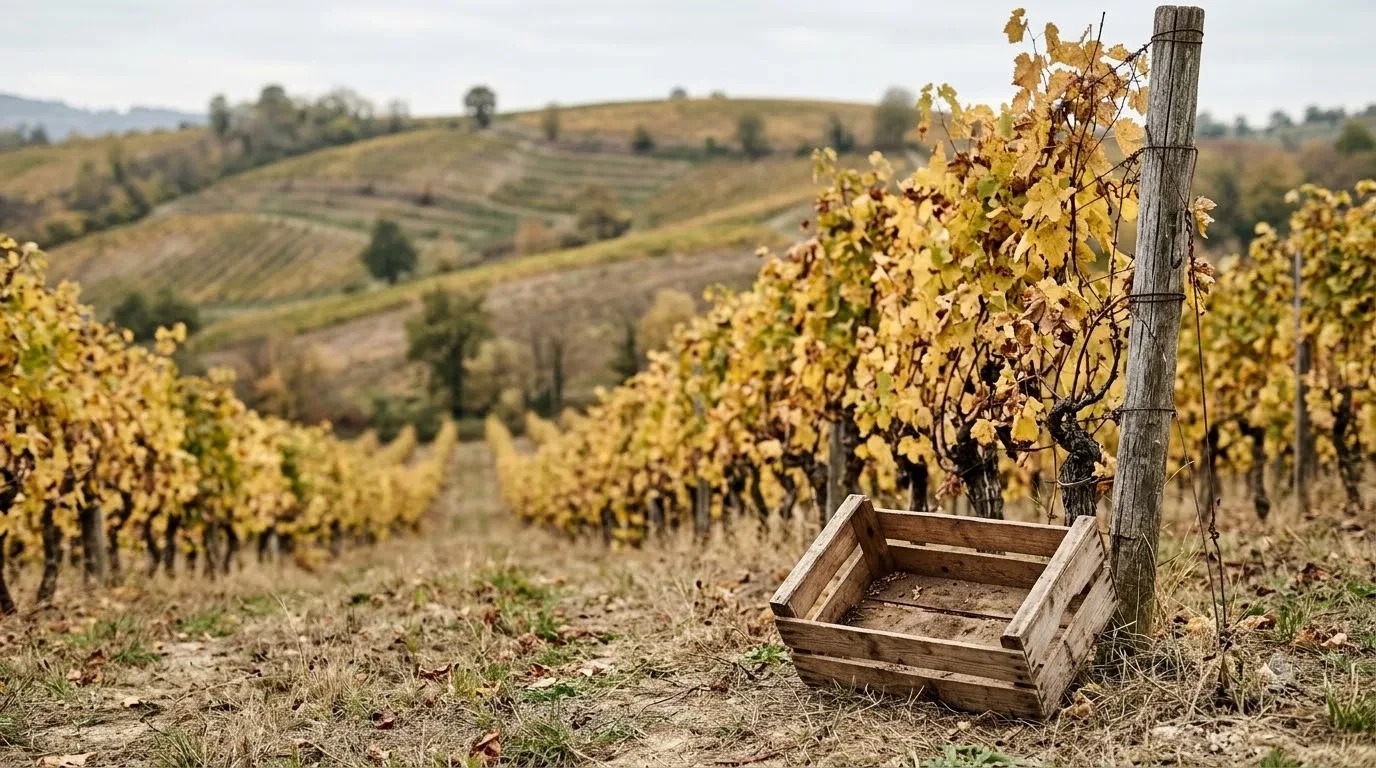
Located immediately south of Asheville around Hendersonville and Flat Rock, the Crest of the Blue Ridge Henderson County AVA was established in 2019 and spans 137,683 total acres straddling the Eastern Continental Divide. According to Wine Enthusiast’s Crest of the Blue Ridge Henderson County AVA guide, vineyard elevations here range from 1,394 to 4,396 feet across rocky, mineral-rich soils. Surrounded by protective mountain peaks, the plateau enjoys a 209-day growing season that suits aromatic whites and structured cool-climate reds.
Further southeast in Polk County, the Tryon Foothills AVA gained federal recognition in late 2025 across 112,512 total acres. Sitting lower on the eastern escarpment between 712 and 1,656 feet in elevation, this isothermal belt enjoys slightly warmer afternoons and gentle mountain breezes that help ripen thicker-skinned red varieties.
Outside these formal AVAs, small vineyards dot Buncombe, McDowell, and Burke counties. Northwest of Asheville in Leicester, hillside plantings reach roughly 2,300 feet, while vineyards east toward Old Fort and Morganton bridge the transition between the Blue Ridge escarpment and the Catawba River valley.
| Sub-Region / AVA | Established | Elevation Range | Primary Wine Styles |
|---|---|---|---|
| Crest of the Blue Ridge Henderson County AVA | 2019 | 1,394 to 4,396 feet | Cabernet Franc, Chardonnay, Grüner Veltliner, Riesling, Vidal Blanc |
| Tryon Foothills AVA | 2025 | 712 to 1,656 feet | Merlot, Petit Verdot, Petit Manseng, Vidal Blanc |
| Asheville & Buncombe County | Non-AVA | Up to ~2,300 feet | Pét-nat, skin-contact whites, carbonic Chambourcin, Bordeaux blends |
| Catawba Valley & Old Fort | Non-AVA | Foothill slopes | Dry Cabernet Franc, Chambourcin, small-batch hybrid blends |
Key Grapes and Wine Styles
Winemakers around Asheville plant a pragmatic mix of classic European Vitis vinifera varieties and cold-hardy French-American hybrids tailored to mountain weather. Rather than chasing heavy, high-alcohol extraction, local cellars lean toward medium-bodied textures, crisp acidity, and expressive aromatics.
Among red grapes, Cabernet Franc serves as Western North Carolina’s signature vinifera variety. Grown on high-altitude granite slopes, it develops bright red-berry fruit, subtle crushed herb notes, and fine-grained tannins rather than green unripe flavors. Petit Verdot and Merlot thrive particularly well in the warmer Tryon Foothills, adding deeper color and plum richness to estate blends, while Austrian varieties like Blaufränkisch have found a loyal following in Henderson County.
White and sparkling wines play an equally important role in the region. Chardonnay, Riesling, and Grüner Veltliner deliver snappy citrus and mineral tension at higher elevations. Alongside them, Petit Manseng—a thick-skinned white grape originally from southwest France—has emerged as a regional star because its loose clusters resist mountain humidity while retaining vibrant tropical acidity.
French-American hybrids and native varieties fill out the spectrum with dependable winter hardiness. Chambourcin produces juicy, Beaujolais-style reds when fermented with carbonic maceration, while Vidal Blanc, Chardonel, and floral Traminette anchor crisp dry whites, sparkling wines, and off-dry patio pours.
Notable Producers and Tasting Rooms
The Asheville wine landscape divides neatly between downtown urban wineries and rural estate vineyards tucked into surrounding valleys. Visiting both gives the clearest picture of how local winemakers balance tradition with experimentation.

Inside Asheville’s River Arts District, Plēb Urban Winery operates like a creative fermentation lab, partnering with regional growers to produce small-lot pét-nats, skin-contact whites, and carbonic reds. Reviewers at Wine Enthusiast highlight Plēb’s adventurous lineup, including sparkling Traminette, Carbonic Chambourcin, and a still rosé blending Jacquez with Cabernet Franc. Downtown also hosts Botanist and Barrel, which crafts unfiltered, native-yeast natural wines and ciders, alongside the urban tasting room for Marked Tree Vineyard.
On the edge of town, Biltmore Estate Winery remains the country’s most visited winery, producing roughly 150,000 cases annually across more than 20 mostly dry sparkling, white, rosé, and red bottlings. While Biltmore sources fruit from both local estate blocks and partner vineyards across the United States, its underground cellar tours helped establish Asheville’s modern wine tourism infrastructure.
Out in the surrounding mountains, boutique estate producers showcase single-vineyard terroir. In Henderson County, Marked Tree Vineyard farms high-elevation vines in Flat Rock for Cabernet Franc and Reserve Chardonel, while Stone Ashe Vineyard focuses on classic Bordeaux-inspired reds and crisp whites. Nearby Souther Williams Vineyard specializes in Central European grapes like Grüner Veltliner and Blaufränkisch, and Burntshirt Vineyards farms estate blocks straddling both sides of the Eastern Continental Divide. Northwest of Asheville in Leicester, Addison Farms Vineyard cultivates six varieties at 2,300 feet, while Overmountain Vineyards and Mountain Brook Vineyards anchor the Tryon Foothills AVA to the southeast.
Visiting Tips for Asheville Wineries
Planning a smooth asheville wine tasting itinerary requires accounting for mountain driving times, seasonal hours, and tasting room reservations. Grouping stops by corridor keeps travel relaxed and maximizes time at each vineyard.
Most rural wineries sit 30 to 50 minutes outside downtown along winding two-lane mountain roads. Dedicating one afternoon to the Hendersonville and Flat Rock corridor—and a separate day to Tryon Foothills or Leicester—prevents rushing between flights. If you prefer not to drive, downtown tasting rooms allow you to sample multiple Western North Carolina labels on foot.
Seasonal timing shapes the experience significantly. Late spring brings lush green canopies and mild patio weather, while October delivers peak Blue Ridge foliage alongside harvest activity. Because several smaller estate tasting rooms reduce hours or close briefly for a winter break in January, confirming schedules ahead of a mid-winter trip avoids locked gates.
Tip: Check winery age policies before bringing children along—several boutique mountain tasting rooms around Hendersonville, including Stone Ashe and Souther Williams, operate strictly as 21-and-older venues even on outdoor lawns.
How to Buy and Enjoy Asheville Wine
Because most Western North Carolina wineries produce small annual case lots, distribution beyond North Carolina remains limited. Buying directly from winery tasting rooms, local Asheville bottle shops, or winery shipping clubs ensures access to single-vineyard releases that rarely reach national retail shelves.
When selecting bottles to bring home, look for appellation clarity on the front label. Wines displaying “Crest of the Blue Ridge Henderson County” or “Tryon Foothills” must contain at least 85 percent grapes grown within those specific mountain boundaries, offering reliable regional expression. Bottlings labeled simply “American” or “North Carolina” may incorporate fruit from other regions or states—a common practice for large-production labels or urban wineries experimenting with out-of-state harvests.
At the table, Asheville wines shine alongside Appalachian farm-to-table cooking. Serve bright whites like Petit Manseng, Vidal Blanc, and Grüner Veltliner well chilled around 45 to 50°F with local mountain trout, goat cheese, or apple-glazed pork. Chill light-bodied carbonic Chambourcin slightly before pouring, and give structured Cabernet Franc or Petit Verdot blends 30 minutes of air at cool cellar temperature to highlight their savory mountain spice. If you enjoy the structured, ink-dark character of local Petit Verdot blends, exploring cahors wine from southwest France or mountain-grown Cabernet from calistoga wine offers an informative stylistic comparison.
Frequently Asked Questions
Does Asheville have its own official AVA?
The city of Asheville itself is not inside a designated American Viticultural Area, though several urban wineries operate downtown. However, Asheville sits immediately adjacent to two federally recognized AVAs: the Crest of the Blue Ridge Henderson County AVA just to the south and the Tryon Foothills AVA to the southeast.
What grape varieties grow best around Asheville?
Cool-climate European varieties and cold-hardy hybrids thrive in the Blue Ridge Mountains. Cabernet Franc, Chardonnay, Riesling, Grüner Veltliner, Petit Manseng, Petit Verdot, and Merlot lead vinifera plantings, while Chambourcin, Vidal Blanc, Chardonel, and Traminette excel among French-American hybrids.
Are Asheville wines mostly sweet or dry?
Most boutique wineries and urban cellars around Asheville focus primarily on dry, food-friendly wines. While some rural tasting rooms also pour off-dry hybrid whites, fruit wines, or honey meads for varied palates, dry single-varietal bottles and Bordeaux-style blends anchor the regional reputation.
How far are the nearest vineyards from downtown Asheville?
You can taste locally made wine without leaving downtown at urban wineries in the River Arts District and South Slope. Estate vineyards in Leicester, Hendersonville, and Flat Rock sit roughly 20 to 40 minutes away by car, while the Tryon Foothills AVA is about 45 to 55 minutes southeast.
From high-elevation vineyards straddling the Eastern Continental Divide to experimental fermentation rooms downtown, Asheville wine reflects the cool nights and rocky soils of the Southern Appalachians. Whether you prefer crisp mountain whites, sparkling pét-nat, or savory Cabernet Franc, Western North Carolina rewards curious wine drinkers willing to look beyond traditional coastal regions.
More in Wine Regions
 Willcox Wine Trail: Discover Arizona’s High-Elevation Wine CountryUpdated Nov 20, 2026
 Yakima Valley Wine Region: Find the Best Styles to TryUpdated Nov 20, 2026
 Vosne Romanee Wine Tasting: Identify Aromas and Choose Better PairingsUpdated Nov 20, 2026
 Yakima Valley Wine Festival: Find the Best Seasonal Wine EventsUpdated Nov 20, 2026
 Wales Vineyards: Discover Cool-Climate Wines and Where to VisitUpdated Nov 20, 2026
 Yountville Wine Festival: Discover Napa Wines and Local FoodUpdated Nov 20, 2026