

We may earn a commission when you buy through links on this page, at no extra cost to you. Learn more.
Savoie wine is the light, mountain-grown wine of the Savoie region in the French Alps, known for indigenous grapes such as Jacquère, Altesse and Mondeuse. The region is small, and its wines are often fresh, mineral and high in acidity. Most bottles are easy to pair with food, which makes them a good choice for readers who want something different from the usual French labels.
This guide explains what Savoie wine is, how the Alpine setting shapes its flavors, which grapes and appellations you are likely to see on a label, and how to buy, store and serve these bottles at home. If you are new to the region, start with the white styles, then move to the reds once you know the local grapes.
What Is Savoie Wine?
Savoie wine is a family of wines made in the Savoie region of eastern France, where vineyards sit among the French Alps. The regional appellation is called Vin de Savoie, and it covers most of the region’s production. The wines range from dry whites and reds to sparkling styles, and many of them come from grapes that rarely appear outside the Alps.
According to the Savoie page from importer Clos Cachet Fine Wines, the region represents less than 1 percent of French wine production, yet it has a distinctive set of grape varieties. That small output is one reason Savoie wine can be hard to find in ordinary wine shops, and why many buyers discover it at specialty merchants or from regional importers.
The region’s history is also part of its identity. Savoie was once a powerful wine area, then lost much of its vineyard land to phylloxera and World War I. Growers have rebuilt the sector in recent decades, and many of the best producers now focus on old plots and traditional local varieties.
Savoie Wine Region Geography and Climate
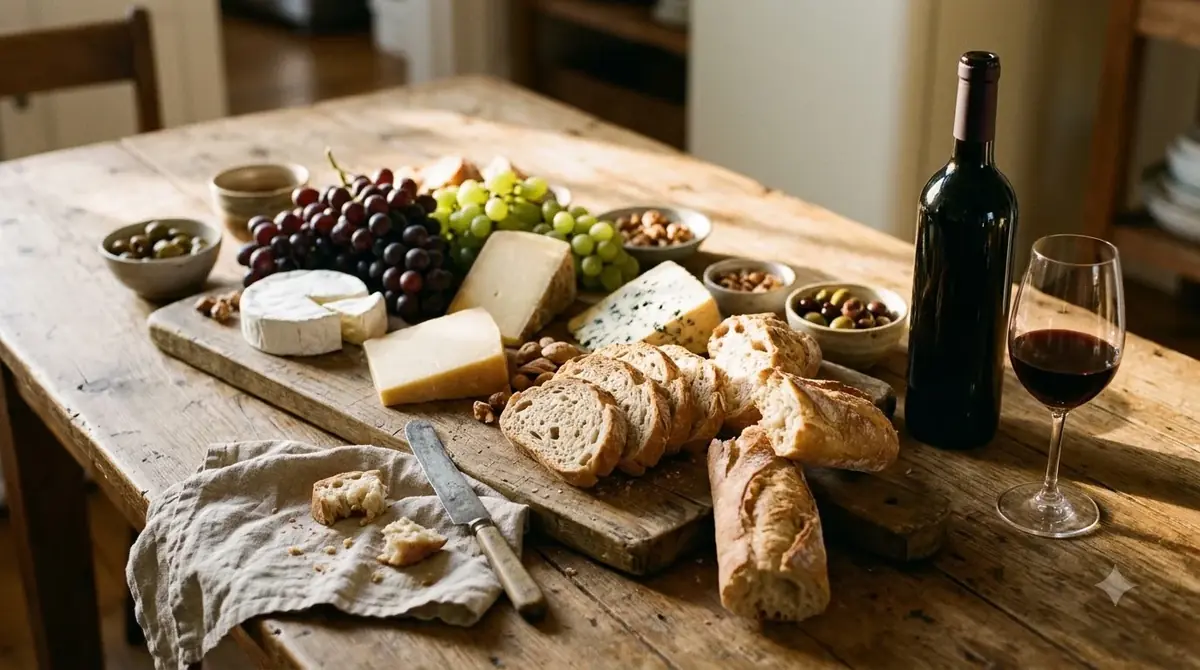
The Savoie vineyards are shaped by mountains and water. They sit within the French Alps, and the lakes of Bourget and Geneva help moderate the local climate. The mountains also shelter the vines from some northwest weather patterns, which gives the area a mix of alpine and Mediterranean influences.
Most vines grow on steep, mostly south-facing slopes that catch sunlight and drain well. Steep ground makes machine harvesting difficult, so many growers still pick by hand. Higher vineyards are cooler and more exposed to frost, while limestone soils can hold heat and release it back to the vines after dark, which helps protect them.
For a sense of the growing conditions, the French Wikipedia entry for the Savoie appellation lists about 1,894 hours of annual sunshine measured at Chambéry. Soils in the region are described as mostly stony, and vineyards sit on old moraines, alluvial cones and rock debris at a range of elevations. Those details help explain why the wines taste sharp, clean and mineral.
Key Grape Varieties in Savoie
The grapes are the main reason to explore Savoie wine. Many of them are indigenous, and they produce flavors that are hard to match elsewhere. Whites are generally more important than reds in the region, but both colors have a clear local identity.
| Grape | Color | Typical character |
|---|---|---|
| Jacquère | White | Light, fresh and lively, often used for everyday dry whites and sparkling wine |
| Altesse (Roussette) | White | Aromatic, with floral and herbal notes and good acidity that can support aging |
| Chasselas | White | Soft and easygoing, a traditional companion to Jacquère in local blends |
| Mondeuse | Red | Dark, structured and peppery, with firm tannins and earthy notes |
| Persan | Red | A rare local red that adds color and structure in traditional blends |
Jacquère is the everyday workhorse of the region. It makes crisp, uncomplicated whites that suit a relaxed meal. Altesse, also called Roussette, is more aromatic, and the Wikipedia entry for Roussette de Savoie notes that it can show violet, mountain herbs, minerals and honey, with high acidity that gives the wine potential to age.
Mondeuse is the region’s most distinctive red. It tends to be deep in color with savory, peppery character. If you enjoy structured reds with a touch of earthiness, Mondeuse is worth seeking out. Gamay and Pinot Noir also appear in the region, usually in lighter styles, so they are a good starting point for readers who prefer softer reds.
Popular Savoie Wine Styles and Appellations
Savoie labels can look confusing at first because the region has several appellations and named subregions. Knowing the main categories helps you choose a bottle without guessing. The overview below reflects the structure described by the sources and is a useful starting point.
| Appellation | What it covers | What to expect |
|---|---|---|
| Vin de Savoie | The regional appellation, with many named crus | Whites, reds and sparkling styles from a range of local grapes |
| Roussette de Savoie | White wines made from Altesse, with four named crus | Dry, aromatic whites with good acidity and aging potential |
| Seyssel | Dry whites and sparkling wines from nearby communes | Light, fresh whites, often from Altesse and Chasselas |
| Crémant de Savoie | Sparkling wines made with a local grape blend | Lively bubbles, often built on Jacquère and Altesse |
The regional Vin de Savoie appellation includes a number of named crus, such as Abymes, Apremont, Chignin and Marin. Crus can appear on the label, and they often signal a specific village or slope. Roussette de Savoie is more tightly defined, and its best wines come from four named crus that the appellation allows on labels.
Crémant de Savoie is the sparkling option. It must be made with a local grape blend that leans heavily on Jacquère. If you want a celebratory bottle that still feels local, a Crémant from Savoie is a practical choice, and it often costs less than many traditional-method sparkling wines from more famous regions.
Savoie Wine and Food Pairing
Savoie wines pair well with food because their acidity is high and their flavors are fresh rather than heavy. The whites suit lighter dishes, while the reds work with richer, savory food. The pairing principles are simple and easy to apply at home.
Dry Jacquère and Altesse whites suit fish, soft cheeses, salads and steamed vegetables. Their acidity cuts through creamy sauces without overwhelming them. Because the region is known for mountain cooking, a white from Savoie also pairs naturally with fondue and raclette, where the wine’s freshness balances rich, melted cheese.
Mondeuse suits roasted meats, mushrooms, and dishes with herbs and pepper. Its firm structure stands up to hearty food, and its earthy notes match the flavors of braised or grilled meat. Lighter Gamay-based reds are a better fit for charcuterie, roast poultry and simple grilled vegetables. Serve reds slightly cool rather than warm, and let them open up for a few minutes before you pour.
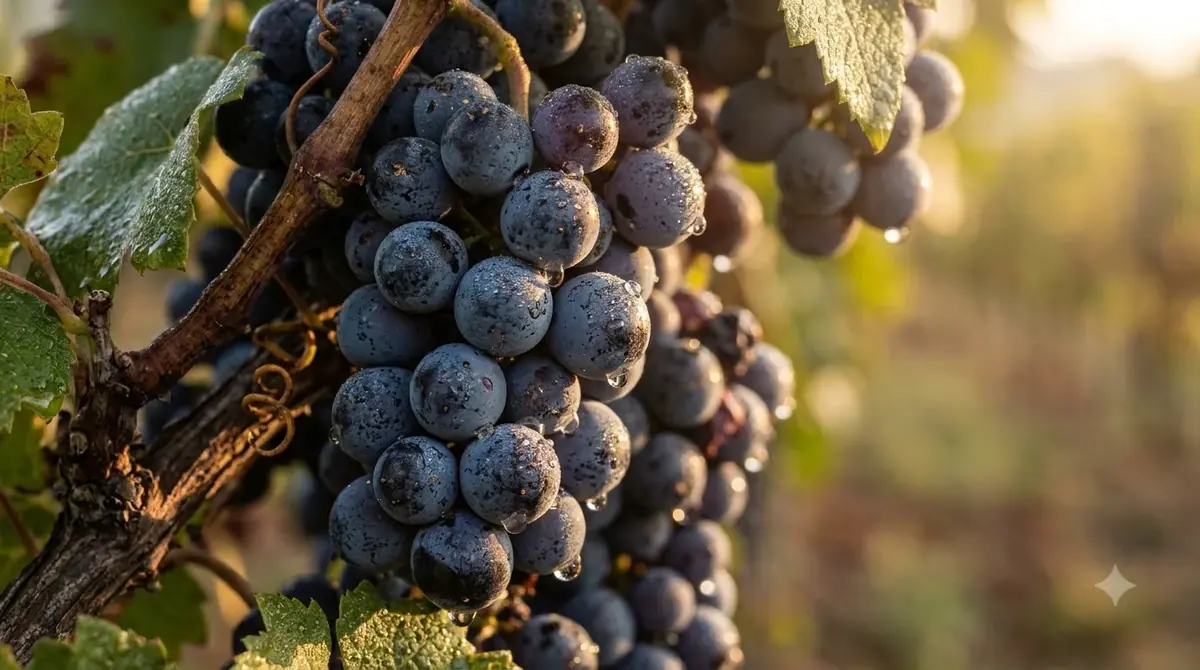
Tip: When you pair a Savoie white with cheese, match the wine’s freshness to the cheese’s richness. A crisp, young white works well with a mild cheese, while a more aromatic Altesse suits a stronger one.
How to Buy and Store Savoie Wine
Savoie wine is often sold through specialty wine shops, online merchants that focus on French bottles, and importers that work directly with small producers. Because production is limited, selection can be narrower than for major French regions, so it helps to ask a shop what they have from the region rather than expecting a broad range.
Read the label carefully. Look for Vin de Savoie, Roussette de Savoie, Seyssel or Crémant de Savoie, and check whether a named cru or grape is listed. Producer names matter too, since many smaller estates make wines with clear local character. If a bottle lists a grape you do not recognize, a short search on the producer’s website or an importer’s page usually explains the style.
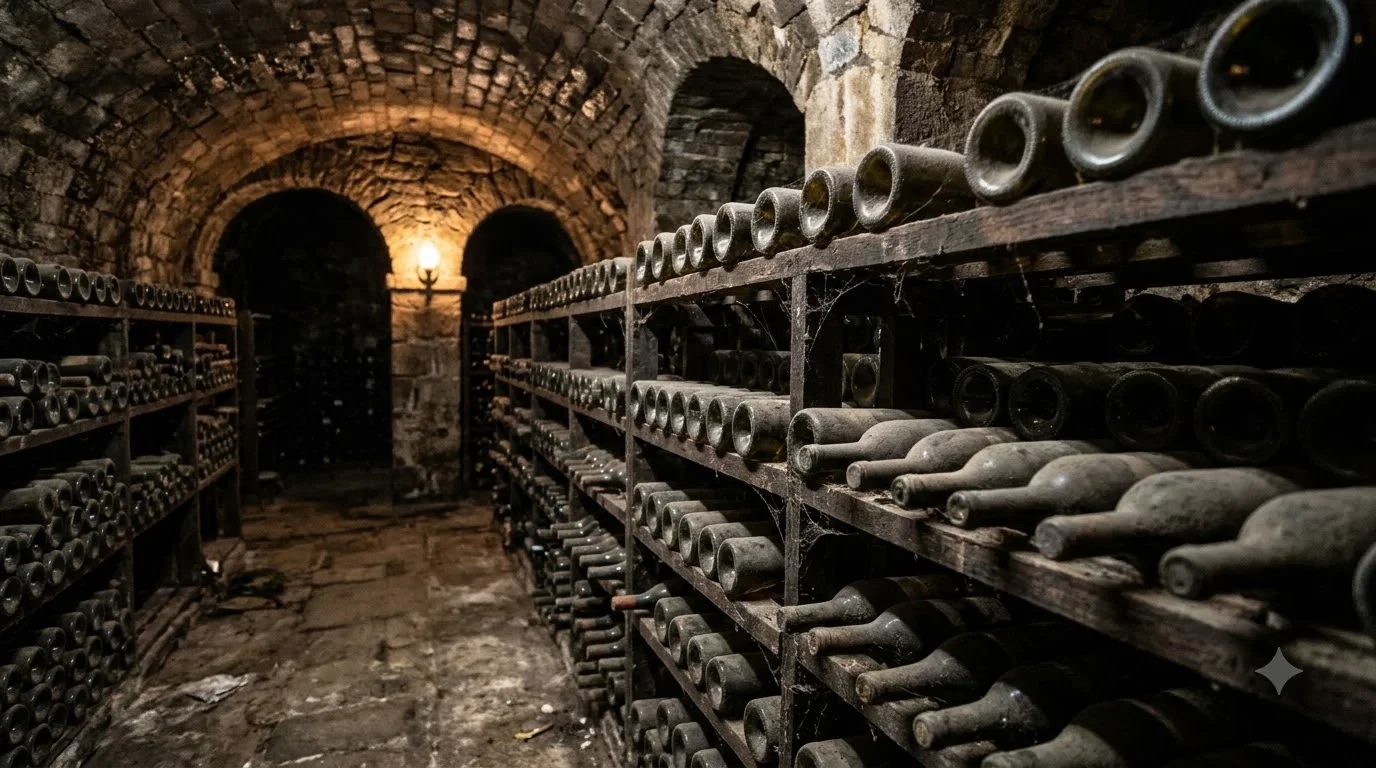
Store bottles on their side in a cool, dark place, away from heat and vibration. Whites and sparkling wines are best within a few years of release unless the producer says otherwise, while structured reds such as Mondeuse can reward aging. Check the producer or merchant notes for drinking windows, since the advice varies by vintage and style. Keep sparkling wine cold until you serve it.
How Savoie Differs From Other Cool-Climate French Wines
Savoie is sometimes compared with other cool-climate French regions, but its identity rests on its grapes and its Alpine setting. Many of its whites are light and aromatic, and its reds are less familiar than the classic Bordeaux or Burgundy styles. That difference is the main reason to explore it.
Compared with a warmer red region, such as the area around cahors wine, Savoie reds tend to feel lighter and more floral, and the whites are usually more delicate. Compared with a region that leans on a single famous grape, Savoie’s blends and local varieties give it more variety. Readers who enjoy exploring grapes they have never tried often find Savoie a rewarding next step.
If you like wines with bright acidity and mountain freshness, you may also enjoy comparing Savoie with California cool-climate styles, such as those from calistoga wine. The climates are very different, but both approaches show how elevation and cool nights can shape fresh, balanced wines.
Frequently Asked Questions
What does Savoie wine taste like?
Savoie whites are often light, fresh and mineral, with high acidity. Altesse can add floral and herbal notes, while Jacquère is usually simpler and crisp. Savoie reds, especially those made from Mondeuse, tend to be savory and peppery.
Which Savoie grape should I try first?
Many readers start with a Jacquère-based white or a Roussette de Savoie made from Altesse. Both are dry and food-friendly. Once you enjoy those, try a Mondeuse to see how the region’s reds compare.
Is Savoie wine easy to find in the United States?
Availability varies by store and region because production is small. Specialty wine shops and importers focused on French wine are the most likely sources. Ask staff for Savoie or specific grapes such as Jacquère and Mondeuse, since they can often special-order bottles.
Should I serve Savoie wine with a meal or on its own?
Savoie wines work well both ways, but they really shine with food. Their acidity and freshness balance dishes such as fish, soft cheese and fondue. Enjoy them in moderation, and plan for responsible drinking, especially when you serve several bottles.
Savoie wine rewards curiosity. Start with a dry white or a Crémant, then move to a Mondeuse once you know the local grapes. To keep learning about other regions, browse the Wine Regions section for context on how climate and grapes shape each style.
More in Wine Regions
 Willcox Wine Trail: Discover Arizona’s High-Elevation Wine CountryUpdated Nov 20, 2026
 Yakima Valley Wine Region: Find the Best Styles to TryUpdated Nov 20, 2026
 Vosne Romanee Wine Tasting: Identify Aromas and Choose Better PairingsUpdated Nov 20, 2026
 Yakima Valley Wine Festival: Find the Best Seasonal Wine EventsUpdated Nov 20, 2026
 Wales Vineyards: Discover Cool-Climate Wines and Where to VisitUpdated Nov 20, 2026
 Yountville Wine Festival: Discover Napa Wines and Local FoodUpdated Nov 20, 2026