

We may earn a commission when you buy through links on this page, at no extra cost to you. Learn more.
Viognier wine is a rich, aromatic white wine with peach, tangerine, and honeysuckle notes, a full and slightly oily texture, and a dry finish despite its perfumed nose. It comes from the northern Rhône Valley in France, where the famous Condrieu wines are made from it alone. Today it is grown widely in California, Australia, Argentina, and Chile, and winemakers use it both as a stand-alone white and as a blending partner for syrah.
This guide covers what viognier wine tastes like, where it is grown, how it is served, and which foods suit it. If you are deciding between a viognier and a more familiar white, the sections below explain how the wine behaves and what kind of bottle to pick.
Where Viognier Comes From
The origin of the grape is not fully known, and the Wikipedia entry on viognier lays out several competing stories. Legends link it to the Roman emperor Probus and to a cargo ship captured on the Rhône. The name may derive from the city of Vienne. Genetic work at UC Davis in 2004 linked the grape to Piedmont’s Freisa and made it a genetic cousin of nebbiolo, which surprised many wine people.
For most of the twentieth century, viognier was close to disappearing. By 1965, only about 30 acres remained in France, according to the Wikipedia summary of the grape’s history. Interest revived in the late twentieth century, and the variety now has a strong reputation far beyond its home valley.
The northern Rhône still sets the standard. Condrieu and the single-producer appellation Château-Grillet are the two places where viognier is the only permitted grape. Elsewhere in the Rhône, the variety is often blended, and in Côte-Rôtie it is sometimes co-fermented with syrah to help stabilize the color of the red.
Flavor and Aroma Profile
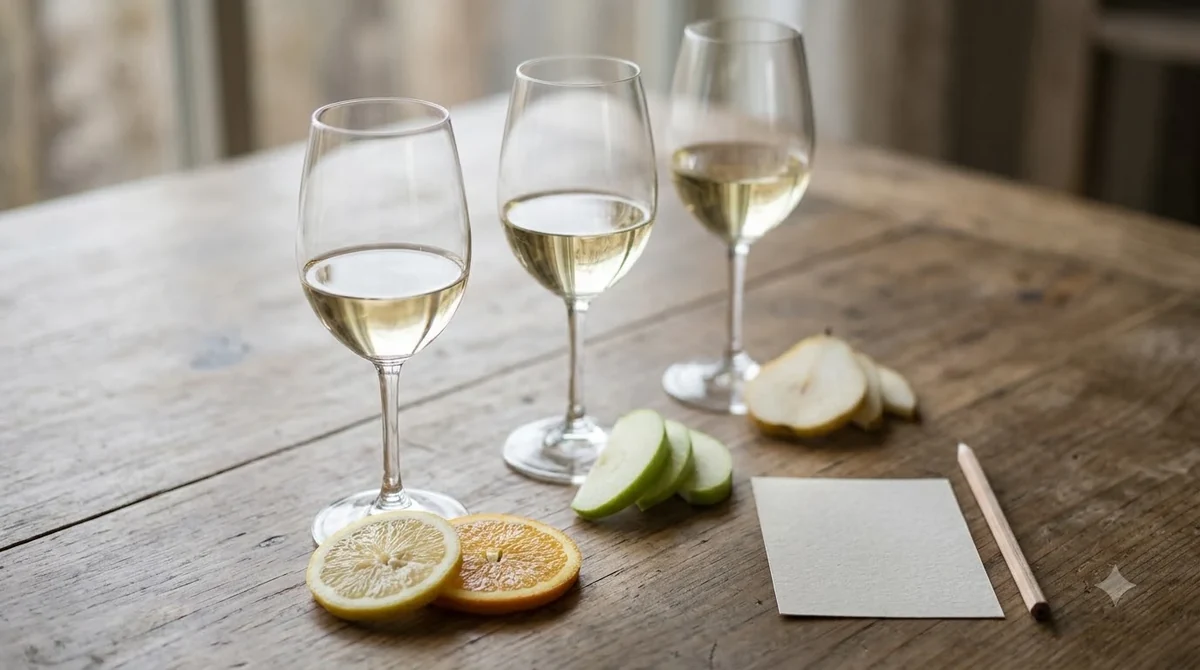
A viognier wine is known first for its perfume. The aromas usually include peach, apricot, tangerine, and mango, along with honeysuckle and rose. Compared with chardonnay, the grape has more natural aromatic compounds, and tasters often note violet and mineral notes alongside the fruit.
The palate is usually full. Wine Folly describes the texture as oily, often compared to a full-bodied chardonnay, and says the wine is usually dry even though the nose suggests sweetness. Acidity is medium-low, which is one reason viognier can feel soft and round in the mouth.
Oak changes the picture. Some producers age their wine in barrels to add texture, vanilla, caramel, and toasty spice. Unoaked or neutral-oak versions show more of the fruit and flower character, and they often feel fresher on the palate.
| Trait | Typical viognier | What it means at the table |
|---|---|---|
| Aroma | Peach, apricot, honeysuckle, rose | Lifts spicy and herb-led dishes |
| Body | Full, with an oily texture | Holds up to richer proteins |
| Acidity | Medium-low | Pairs best with gentle, rounded flavors |
| Alcohol | About 13.5 to 15 percent | Warm, weighty mouthfeel |
| Oak | Optional; can add vanilla and spice | Check the label for the style you prefer |
Where Viognier Is Grown
France still has the largest share of viognier vineyards. Beyond the northern Rhône, much of the French wine is grown in the Languedoc, where it is often sold as a regional wine. Italy, the United States, Chile, South Africa, Argentina, and Australia all have significant plantings.
In California, the Central Coast is the leading producer, and Virginia has also made viognier a signature white, and the state named it its signature white grape in 2011. Australia’s largest producer is Yalumba, which grows the grape in the Eden Valley, and many Australian wines show a fuller, riper style.
The grape has a small but loyal following, and the wine has its own day on the calendar. International Viognier Day is observed on the last Friday of April, and it was established in 2021, according to the Wikipedia entry on the grape. It is a reminder of how far the variety has traveled from its Rhône roots.
Because viognier likes warmth, you will often find the most generous examples from warm sites. Cooler areas can preserve more of the acidity, but the wine can then taste lighter and less perfumed.
How to Serve and Pair Viognier
Serve viognier cool, but not cold. Wine Folly suggests a range of about 45 to 55 degrees Fahrenheit, or 7 to 12 degrees Celsius, in a white wine glass. At that temperature the aromas stay lively and the texture stays smooth, while the wine does not taste flat.
Wines older than about three years tend to lose many of their floral aromas, so drinking a viognier while it is fresh usually gives the best experience. Condrieu is typically drunk young, while Californian and Australian bottles can age somewhat better.
Decanting is generally unnecessary. Most bottles are meant to be opened and poured, and the aromas will show well in a standard white glass. If you are serving an oaked style, a slightly larger glass gives the wine room to open.
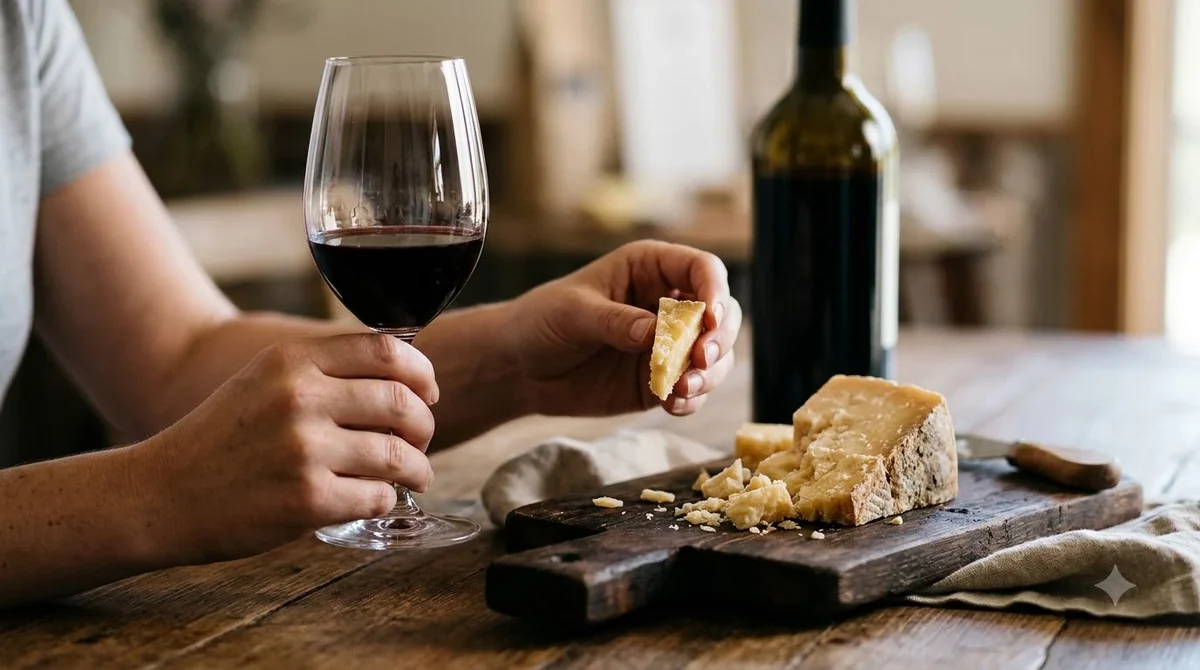
For food, reach for dishes that match the wine’s perfume and texture. Delicate meats, scallops, and chicken pair well, especially when they are served with stewed fruit, almonds, citrus, or herbs such as tarragon or Thai basil. Spicy dishes also work, because the fruit and aromatic character stand up to heat. Wine Folly even suggests a chicken tagine with apricots and almonds, which shows the wine’s natural affinity for fruit and spice.
Tip: Check the vintage before you buy. Most viognier is meant to be drunk within a year or two, and older bottles often lose the floral aromas that make the style appealing.
How to Choose a Viognier
Start by looking at the label for oak. An unoaked or neutral-oak viognier will be fresher and more floral, which suits a light lunch or a spicy takeout dinner. An oaked version will be richer and more textured, and it can handle roast chicken or creamy sauces.
Next, think about origin. A Condrieu from the northern Rhône tends to be dry and perfumed with a distinct mineral edge, while a New World viognier can be riper and fuller. Both styles are good, but they are not interchangeable, so the origin tells you what to expect.
If you enjoy aromatic whites, you may also like exploring other grapes with floral character. For a closer look at the grape itself, read our viognier grape guide. Viognier also sits in the same aromatic family as some sweeter whites, and fans of a moscato wine often find viognier appealing for its fruit and perfume, though viognier is dry and much fuller. For a broader view of styles, the Wine by Type guide places viognier alongside other white varieties.
Frequently Asked Questions
What does viognier wine taste like?
Expect peach, apricot, tangerine, and honeysuckle on the nose, with a full, slightly oily texture. Most viognier is dry, though the aromas can make it seem sweeter than it is.
Is viognier sweet or dry?
Most viognier is dry. Sweet late-harvest and dessert styles also exist, but they are less common. The fruity aromas are often the reason people think the wine is sweet.
Is viognier similar to chardonnay?
It can be. Both are full-bodied whites, and some viognier has an oily texture similar to a rich chardonnay. Viognier is usually more aromatic and lower in acidity, with a perfumed character that chardonnay often lacks.
How long can you keep viognier?
Most bottles are best within one to two years of release, according to Wikipedia, while some Californian and Australian wines can keep for a few years. Check the producer’s guidance for the specific bottle.
Viognier wine is a rewarding choice for anyone who enjoys perfume, fruit, and texture in a white. Start with a bottle from a known region such as Condrieu or a New World producer, serve it cool, and try it with spicy or aromatic food. Drink responsibly, and enjoy a grape that has come back from the brink to become a favorite.
More in Wine Types & Grapes
 Zinfandel Sugar Content: Dry Red vs. White Zinfandel GramsUpdated Nov 21, 2026
 Best Zinfandel Substitute Options for Sipping and CookingUpdated Nov 21, 2026
 Zweigelt Food Pairing: Best Dishes, Cheeses, and Serving TipsUpdated Nov 21, 2026
 Zinfandel Tannins Explained: How Structure Shapes Every BottleUpdated Nov 21, 2026
 Zinfandel Sweetness Level: Dry Red vs. Sweet White Zin ExplainedUpdated Nov 21, 2026
 Xinomavro Food Pairing: Best Dishes, Styles, and Serving TipsUpdated Nov 21, 2026