

We may earn a commission when you buy through links on this page, at no extra cost to you. Learn more.
A Kir Royale recipe needs only two ingredients: chilled Champagne and a small measure of crème de cassis, the blackcurrant liqueur. Pour the cassis into a flute first, then top it slowly with Champagne. The drink is a sparkling version of the Kir, which is traditionally made with white wine, and it is a simple way to make an elegant aperitif with very little effort.
The Kir Royale is one of the easiest celebratory drinks to make, and it has a long history in French bars. Because only two ingredients are involved, the ratio and the pouring order decide how the drink tastes. This guide explains what goes into the glass, how much cassis to use, the method, where the drink comes from, and how to serve it well.
What is a Kir Royale?
The Kir Royale is the Champagne version of the Kir, a French cocktail made from white wine and crème de cassis. The Kir itself was formerly called blanc-cassis and took its current name from Félix Kir, the mayor of Dijon in Burgundy, who popularized it at official receptions for visiting delegations. When the wine is replaced with Champagne, the drink becomes the Kir Royale, sometimes written Kir Royal.
The result is a bubbly, deep-red aperitif with a fruity sweetness from the cassis and a crisp, dry finish from the sparkling wine. It is lighter than most cocktails and sits between a glass of Champagne and a spritz in style. The sweetness is the key feature, and small changes to the cassis make a visible difference in how sweet the glass tastes.
Ingredients and proportions
The Kir Royale has two parts, and the proportions decide its balance. The International Bartenders Association recipe for the Kir uses 9 centiliters of white wine to 1 centiliter of crème de cassis, which is one part cassis to ten parts wine. French sources often specify a closer ratio of about one part cassis to five parts wine, which makes the drink sweeter and more fruity. Nineteenth-century recipes used about one part in three, which modern tastes find too sweet.
For the Kir Royale, the same logic applies with Champagne in place of the wine. Start with a small amount of cassis, taste, and add more only if you want a stronger berry flavor. The Champagne provides most of the drink’s volume, so choosing a dry or brut style gives a crisp counterpoint to the cassis, while a sweeter sparkling wine makes the glass noticeably richer.
| Component | Role | What to look for |
|---|---|---|
| Champagne or other sparkling wine | Body, bubbles, and dry finish | A dry or brut style keeps the drink crisp |
| Crème de cassis | Color, sweetness, and blackcurrant flavor | Use a good liqueur made from blackcurrants |
| Chilled glass | Keeps the drink cold without ice | A flute or tulip shape holds the bubbles |
Temperature matters as much as the ingredients. A cold bottle of sparkling wine holds its bubbles longer, and a chilled glass keeps the first sip crisp. Many people make the mistake of pouring warm Champagne over cassis, which loses fizz quickly and leaves the drink flat. Chill both components well ahead of time, and keep the bottle in the refrigerator until the moment you pour.
Choose a crème de cassis that tastes of real blackcurrant rather than a flat, syrupy product. A good liqueur adds depth, while a weak one tends to make the drink taste only of sugar. The cassis is the most powerful ingredient, so buy a bottle you would enjoy drinking on its own.
How to make a Kir Royale at home
The method is short, and most of the care goes into keeping the Champagne lively. Chill the bottle and the glass before you start. Pour the crème de cassis into the bottom of a flute, then add the Champagne slowly so the bubbles do not foam over. A gentle pour keeps the drink fizzy and lets the cassis settle into the base before it mixes.
- Chill the Champagne and a flute glass in the refrigerator.
- Pour a small measure of crème de cassis into the bottom of the flute.
- Tilt the glass and add chilled Champagne slowly, down the side.
- Let the bubbles settle for a moment, then serve immediately.
Do not add ice. The Kir Royale is served chilled, not iced, because ice would dilute the sparkle and make the cassis taste watery. If you prefer a lighter drink, add a little more Champagne rather than more cassis, since the wine dilutes the sweetness without losing the bubbles.
Where the Kir came from
The Kir traces back to Dijon, where it was promoted by Félix Kir during his time as mayor. The drink’s popularity grew from official receptions, and it became a standard French aperitif in bars across the country. Blackcurrants are grown widely in Burgundy, which helps explain why cassis became the natural partner for the region’s white wines. The Champagne version came later as a more festive variation for celebrations.
Several sources describe the Kir and the Kir Royale as classic French aperitifs rather than strictly modern cocktails. The International Bartenders Association, which publishes official cocktail recipes, recognizes the Kir family as a long-standing part of bar culture. Historical accounts differ on exact dates and the early recipes, so treat the origin story as well documented in outline but less certain in its details.
Serving and pairing
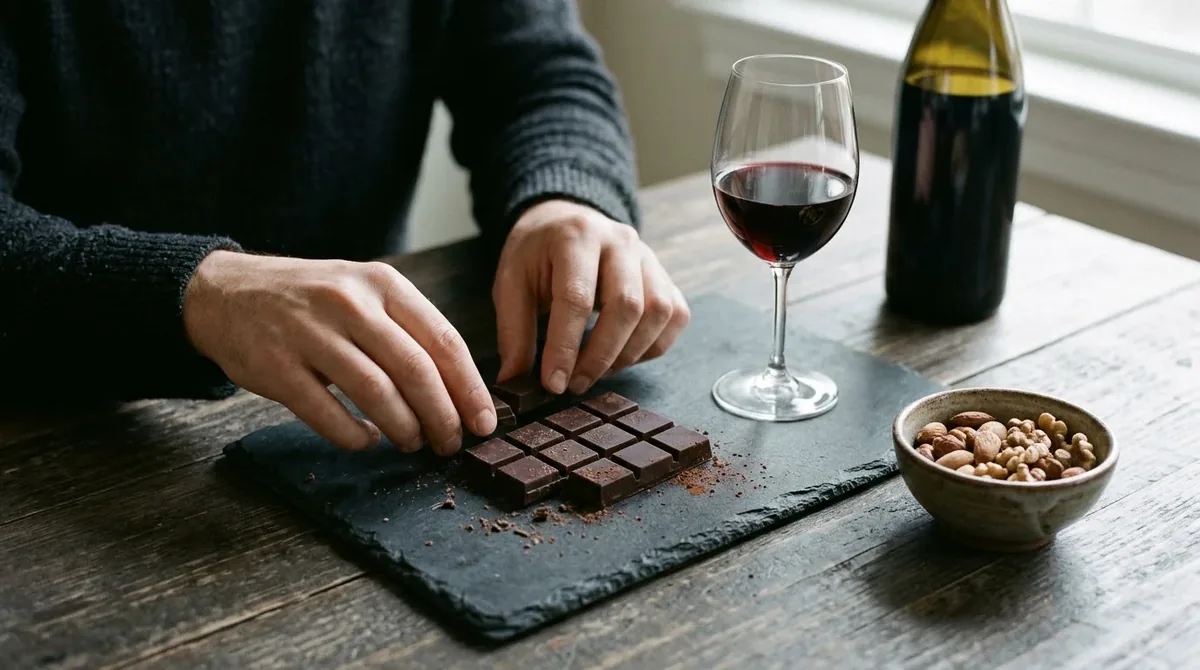
The Kir Royale is an aperitif, so it works best before a meal rather than alongside it. Serve it cold in a flute or a tulip glass, which keeps the bubbles lively and concentrates the aroma. Because the drink is sweet, it pairs well with light savory snacks, such as olives, salted nuts, or small bites of cheese.
For a meal, the drink suits dishes that have some richness to balance its fruit. A creamy pasta, a roast chicken, or a dish with a mushroom sauce can all work with a Kir Royale at the start of dinner. If you want to explore other aperitifs with a similar bubbly profile, the aperol spritz recipe and the hugo spritz recipe show how a sparkling base changes the flavor. For a heartier pairing, a chicken marsala recipe offers enough savory depth to contrast with the cassis. The food pairing hub has more ideas for matching drinks and dishes.
Serve the Kir Royale soon after you make it. Once the bubbles fade, the drink loses its lift, so pour it just before guests arrive. For a party, a small pitcher of cassis with a bottle of chilled Champagne lets everyone make their own drink.
Frequently Asked Questions
What is the difference between a Kir and a Kir Royale?
A Kir uses white wine, often a dry Burgundy, while a Kir Royale uses Champagne or another sparkling wine. The Kir Royale is fizzier and feels more celebratory, and the sparkling wine makes the drink feel lighter.
Can I use Prosecco instead of Champagne?
Yes. Prosecco and other dry sparkling wines work well in a Kir Royale. Choose a dry style so the cassis remains the sweet element, and taste the drink before serving to check the balance.
Should a Kir Royale be served with ice?
No. The drink is served chilled, not on ice. Ice would dilute the bubbles and make the cassis taste weak, so chill the bottle and the glass before pouring.
What glass is best for a Kir Royale?
A flute is the most common choice because its narrow shape keeps the bubbles lively. A tulip glass also works well and lets the aroma of the cassis come through more clearly.
The Kir Royale rewards simple, careful making. Chill the ingredients, add the cassis first, and pour the Champagne slowly. Once you have the basic proportions right, you can adjust the sweetness to your taste and enjoy a drink that has been served in French bars for generations.
More in Food & Wine Pairing
 Risotto With White Wine Recipe: Make a Creamy Dinner at HomeUpdated Nov 20, 2026
 Wassail With Wine Recipe for a Festive Spiced Holiday DrinkUpdated Nov 20, 2026
 Spritz Veneziano Recipe: Make a Classic Venetian Aperitivo at HomeUpdated Nov 20, 2026
 Summer Wine Punch Recipe for Easy Homemade EntertainingUpdated Nov 20, 2026
 Bishop Recipe: How to Make a Bright, Citrus-Forward Red Wine CocktailUpdated Nov 20, 2026
 Wine Cupcakes Recipe: Bake Rich Chocolate Cupcakes at HomeUpdated Nov 20, 2026